Blockchain Security: Myths and Facts
Redundancy and Decentralization
One of the most compelling aspects of blockchain technology is its Decentralized Nature. Unlike traditional banking systems, which rely on a central authority, blockchains distribute data across numerous nodes or participants within the network. This redundancy not only enhances security but also makes it more resilient to attacks, as there is no single point of failure. A distributed ledger means that even if a subset of nodes is compromised, the integrity of the overall system remains intact.
Moreover, regular updates and consensus mechanisms further enhance security against fraudulent activities. For instance, mechanisms like Proof of Work or Proof of Stake require participants to validate transactions before they are recorded on the blockchain. This ensures that malicious activities can be thwarted, as altering any historical data would necessitate controlling over 50% of the network's nodes, an exceedingly difficult feat.
Myth 1: Blockchain is Completely Secure
Understanding Blockchain Security
While blockchain technology is often hailed as a breakthrough in secure transactions, it is critical to understand that absolute security is a myth. Blockchain’s design does provide a solid foundation for security, leveraging cryptographic techniques and decentralized architecture. However, vulnerabilities can emerge at various points, including smart contracts, user wallets, and network protocols, which can be exploited by malicious actors.
According to a report by Cybersecurity Ventures, the global damage from cybercrime is projected to reach $10.5 trillion annually by 2025. This statistic underscores the importance of recognizing that while blockchain networks strive for security, they can still be targets for sophisticated attacks. Users and developers must remain vigilant against these threats.
Potential Vulnerabilities in Blockchain Networks
Though blockchain systems are engineered for resiliency, they are not invulnerable. One notable vulnerability is the possibility of a 51% attack, where a malicious entity gains control over the majority of a network's hash rate, allowing it to manipulate transactions. This risk is particularly relevant in smaller blockchains with less computational power.
Additionally, issues related to smart contracts must be highlighted. They are often codified with complex logic that can be misprogrammed, leading to significant funds being lost or stolen. A prominent case in 2016 involved the DAO, where a vulnerability allowed an attacker to drain $60 million from the network due to a flaw in the smart contract's code.
The Role of User Behavior
Security in blockchain is not solely dependent on the underlying technology; User Behavior plays a critical role in overall security. Many breaches occur not because of inherent flaws in the blockchain itself, but due to users falling victim to phishing scams or neglecting proper security practices like securing private keys. Educating users about these risks is essential for mitigating potential vulnerabilities.
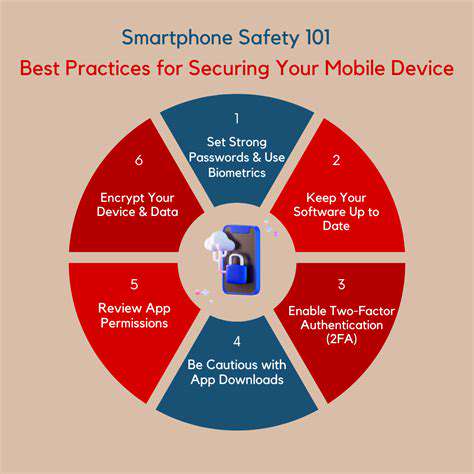
Research conducted by the cybersecurity firm PhishLabs highlights that phishing attacks are among the most common methods used by cybercriminals to exploit users. In the context of blockchain, users must be proactive in understanding secure practices, such as using hardware wallets and enabling two-factor authentication when accessing their digital assets.
Continual Improvement and Security Audits
It is evident that claiming blockchain as entirely secure oversimplifies a complex landscape. Continuous improvement of security protocols and regular security audits are vital for maintaining the integrity of blockchain systems. Companies in this space are increasingly adopting practices such as penetration testing and code reviews to identify and mitigate potential weaknesses.
Moreover, as the blockchain ecosystem evolves, so do the tactics of cybercriminals. Therefore, staying updated on security trends and collaborating with cybersecurity experts can help organizations effectively counteract emerging threats. The need for diligence and proactive measures is paramount in ensuring that the promise of blockchain technology is fully realized while keeping associated risks at bay.
Myth 2: Blockchain Guarantees Anonymity
The Reality of Blockchain Transactions
It's essential to understand that while blockchain technology provides a level of pseudo-anonymity, it doesn’t guarantee true anonymity. Transactions on most blockchains, including Bitcoin, are recorded on a public ledger. This means that, although addresses may not directly reveal personal identities, anyone can trace transaction histories. As a result, if a user's wallet address becomes linked to their real identity, all associated transactions can be monitored and analyzed.
A study by Chainalysis found that approximately 25% of Bitcoin transactions were linked to individuals' identities, suggesting that while many users feel secure, a significant portion of activity can actually be traced back to real-world identities. This reveals an important misconception: without careful practices to maintain anonymity, users potentially expose their financial history and activities.
Strategies to Enhance Privacy on the Blockchain
To achieve a greater level of anonymity while using blockchain, individuals can adopt privacy-focused cryptocurrencies like Monero or Zcash. These currencies utilize advanced cryptographic techniques, such as stealth addresses and ring signatures, which significantly obfuscate user identities and transaction details. Users looking to bolster their privacy may also utilize mixing services, which combine transactions from multiple users to obscure the original source of funds. It's vital to recognize that these methods come with their own risks and legal considerations.
Furthermore, users should practice good operational security by avoiding the reuse of wallet addresses over time. Employing secure, well-reviewed wallets that do not track user data is also crucial for maintaining privacy. Always stay informed about developments in the blockchain space, as the methods for preserving anonymity can evolve rapidly alongside technological advancements.
Myth 3: Smart Contracts are Foolproof
Understanding Smart Contracts' Limitations
While smart contracts automatize processes, they are not immune to errors. A flawed code can result in incorrect execution, leading to unintended consequences. This is a fundamental aspect of software development, where even minor mistakes can have significant repercussions. It's vital to audit smart contracts carefully before deployment to minimize risks.
Additionally, smart contracts rely heavily on the accuracy of the data fed into them. If the initial data is incorrect or manipulated, the outcome can be compromised. This dependency on input data is often overlooked, leaving many to assume the contract itself is infallible.
Security Vulnerabilities in Smart Contracts
Security Vulnerabilities can exist within the code that composes smart contracts. Various attacks, such as reentrancy and timestamp dependence, have exposed numerous contracts to exploitation. For example, the famous DAO hack in 2016 saw an attacker exploit a vulnerability, draining over $60 million worth of Ether. Such incidents highlight that the blockchain itself is secure, but the contracts need thorough testing and paranoia from developers.
Best Practices for Developing Smart Contracts
To enhance the reliability and security of smart contracts, developers should adopt best practices. This includes rigorous code reviews and implementing automated testing frameworks. By using tools designed for smart contract auditing such as Mythril or Slither, developers can identify vulnerabilities before rolling them out.
It's also prudent to establish a fallback mechanism for contracts. This includes creating manual or semi-automated procedures to address any bugs or vulnerabilities post-deployment. By planning for the unexpected, developers can mitigate the impacts of unforeseen smart contract behaviors.
Collaboration with security experts in the blockchain field during the development stage is another effective way to fortify smart contracts against threats. Their seasoned perspectives can uncover potential pitfalls that might be overlooked by the development team.
The Role of Governance in Smart Contracts
Governance significantly impacts the effectiveness of smart contracts. Implementing mechanisms for oversight can allow users to vote on potential changes or improvements, effectively bringing a level of human oversight to an otherwise automated system. This is essential in ensuring that if a flaw is discovered, the community can work together to resolve the issue promptly.
Moreover, having a defined governance framework leads to greater transparency and trust among users. Trust is a crucial element in the blockchain ecosystem, and proactive governance can relieve concerns about the infallibility of smart contract provisions.
Educating Users about Smart Contracts
A common misconception is that users fully understand how smart contracts function. It's essential for users to be educated about what a smart contract can and cannot do. Education initiatives can help decrease over-reliance on these automated agreements and instill a sense of caution, ensuring users are more informed before engaging with them.
Many blind spots exist, such as misconceptions regarding the permanence of contracts on blockchain. Users often assume that once coded, a contract cannot be altered, which isn’t always the case. Awareness of tools available for contract modification, under certain conditions, can help users better navigate their blockchain engagements.
Future of Smart Contracts: Balancing Automation and Accountability
As the adoption of smart contracts grows, so does the conversation around balancing automation with accountability. While automated processes enhance efficiency, the irrevocable nature of blockchain technology necessitates a safety net to catch and rectify errors. Advancements in legal frameworks and the development of hybrid systems may offer solutions to these challenges.
In looking ahead, the evolution of smart contracts will likely favor increased user control and flexible governance models. Innovations like decentralized autonomous organizations (DAOs) may provide frameworks where users can participate actively in the governance of smart contracts, thereby maintaining accountability. Staying informed about such developments is critical for anyone involved in blockchain technology.
The Facts: Real Security Measures for Blockchain

Understanding the Core Security Features of Blockchain
- Decentralization eliminates single points of failure.
- Cryptography ensures data integrity and authenticity.
- Consensus mechanisms validate transactions effectively.
The backbone of Blockchain Security is its decentralized nature. Unlike traditional databases, which rely on a centralized server, blockchain distributes data across numerous nodes. This distribution means that there is no single point of failure, significantly reducing vulnerability to attacks. With hundreds or thousands of nodes in a network, compromising one does not jeopardize the entire system.
Additionally, the technology employs advanced cryptographic techniques to safeguard information. Each transaction is encrypted and linked to the previous one, creating an unchangeable ledger. This method not only prevents unauthorized access to sensitive data but also ensures that the integrity of recorded transactions remains intact.
The Role of Consensus Mechanisms in Enhancing Security
Consensus mechanisms are integral to maintaining blockchain security by ensuring that all nodes agree on the state of the network. There are various types, including Proof of Work (PoW) and Proof of Stake (PoS), each with its unique strengths. For instance, PoW requires nodes to solve complex mathematical problems to validate transactions, a process that demands significant computational resources. This not only secures the network against malicious actors but also makes double-spending exceedingly difficult.
On the other hand, PoS operates differently by allowing validators to create blocks based on the number of coins they hold and are willing to stake. This mechanism fosters a sense of investment among participants, as they stand to lose their stake if they act dishonestly. The decentralized consensus process reinforces trust among users, diminishing the risks of fraud and enhancing the overall security of the blockchain ecosystem.
Read more about Blockchain Security: Myths and Facts