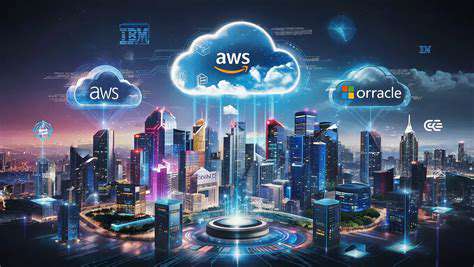
AWS
Integration
Cloud Computing
Data Security
Virtual Machines
CloudComputing
DataSecurity

Cloud Platforms Compared for Developers

Azure Virtual Machines and Azure Functions
  • Storage Solutions: Azure Blob Storage and Azure SQL Database
  • Networking Capabilities: Azure Virtual Networks and Azure Load Balancer
  • Azure's services are not just diverse but cater to varied needs, from basic virtual machines to complex machine learning solutions. For developers, Azure offers Exceptional tools like Azure DevOps, which facilitate a more efficient development lifecycle.

    Security and Compliance

    Microsoft Azure emphasizes robust security features, integrating security protocols at various levels of the service. This includes network security, identity management, and data encryption strategies that comply with industry standards.

    Organizations can find reassurance in Azure's compliance certifications, which align with GDPR, HIPAA, and ISO 27001 regulations. Regular third-party audits bolster Azure's commitment to Security and Compliance.

    Pricing and Scalability

    The pricing structure of Azure is flexible, catering to various budgets and project scales. Developers can choose pay-as-you-go options or reserved capacity at reduced rates, which can significantly help in managing costs.

    Moreover, Azure's scalability allows developers to easily adjust resources as needed. This ability to scale up or down in response to demand is a key advantage, particularly for businesses with fluctuating workloads.

    Integration with Other Tools

    A major strength of Azure is its ability to integrate smoothly with various tools and services. For instance, it can easily connect with popular programming tools like Visual Studio and GitHub, streamlining the development process. Such integrations enhance productivity and provide developers with a cohesive work environment.

    Additionally, Azure's APIs and SDKs make it easier to build applications that can utilize Azure services effectively. This helps developers deploy their projects without extensive reconfiguration.

    Real-World Use Cases

    Many organizations have successfully implemented Azure to power their operations. For example, a leading healthcare provider used Azure to manage patient data securely, harnessing analytics for improved patient outcomes.

    Another example can be seen in financial services, where Azure aids in risk analysis by utilizing its advanced analytics capabilities. Such use cases showcase Azure's versatility across industries.

    Community and Developer Support

    Microsoft Azure boasts a vibrant community of developers and experts who actively contribute to forums and knowledge bases. This community support can be invaluable when troubleshooting or seeking advice.

    Moreover, Microsoft's commitment to providing extensive documentation and tutorials enables developers to adopt Azure more confidently. Having access to training resources enables teams to maximize their use of the platform effectively.

    3. Google Cloud Platform (GCP)

    3.1 Overview of Google Cloud Platform

    Google Cloud Platform (GCP) offers a suite of cloud computing services that runs on the same infrastructure that Google uses for its internal products, including Google Search and YouTube. With over 135 products and services available, GCP positions itself as a robust solution for developers looking to leverage cloud technology for scalability and performance. Its strengths are particularly evident in areas like machine learning, data analytics, and container orchestration through Kubernetes, which originated from Google’s internal development.

    As a developer, it’s also worth noting the versatility of GCP, which is designed to cater to enterprises of all sizes. From startups needing basic compute resources to large enterprises requiring complex Machine Learning models, GCP accommodates various needs. The inclusion of advanced security protocols and compliance standards ensures that developers can deploy applications without compromising on data integrity or security.

    3.2 Key Services and Features

    GCP provides an extensive range of services, such as Compute Engine for virtual machines, App Engine for fully managed applications, and Cloud Functions for serverless computing. Each service is designed to help developers streamline their workflow while maintaining flexibility and scalability. Moreover, BigQuery stands out as a powerful data warehouse solution that allows for real-time analytics and insights, empowering companies to make data-driven decisions faster.

    3.3 Pricing Structure and Cost Efficiency

    The pricing model of GCP is generally considered competitive, yet it requires careful management to optimize costs. Google offers a pay-as-you-go model, which can be advantageous for developers who may not always require extensive resources. Free tier services allow users to experiment with GCP before committing financially. In contrast, sustained use discounts are automatically applied to your monthly usage, incentivizing developers to maintain using their services longer.

    3.4 Integration with Other Tools and Services

    One of the strong points of GCP is its seamless integration with a variety of third-party tools and services. This capability is crucial for developers who wish to extend functionalities or enhance their existing applications with specialized features. For instance, integrating GCP with services like GitHub for version control or Jenkins for continuous integration can create a more efficient development pipeline.

    Additionally, GCP’s support for popular open-source technologies facilitates easy migration and deployment, making the transition smoother for teams familiar with these tools.

    3.5 Security and Compliance Standards

    Security is paramount in cloud computing, and GCP provides layered security protocols to protect data and applications. Utilizing technologies such as Virtual Private Cloud (VPC) and Identity and Access Management (IAM) ensures that developers can configure a secure network environment and manage user access with precision. The platform also undergoes regular third-party audits to validate its compliance with global standards like ISO 27001 and GDPR, which is essential for enterprises handling sensitive information.

    3.6 Community and Support Resources

    Google Cloud has cultivated a robust community around its platform, with numerous online forums, user groups, and extensive documentation available. Developers can take advantage of resources such as the Google Cloud Community and Stack Overflow to troubleshoot issues or share insights. Moreover, GCP provides various support plans tailored to the needs of both small developers and large organizations, ensuring timely assistance when needed.

    Overall, it's advisable for developers to engage actively with the community and leverage these resources. Continuous learning and collaboration can significantly enhance the development experience and proficiency in using GCP services effectively.

    4. DigitalOcean

    4.1 Overview of DigitalOcean's Features

    DigitalOcean has carved out a considerable niche in the cloud services market, primarily by prioritizing simplicity and user experience. One of its standout features is the Droplets service, which allows users to spin up virtual machines in seconds. The platform supports a wide array of operating systems and configurations, giving developers the flexibility to tailor their environments. Notably, DigitalOcean offers a marketplace with pre-configured applications, streamlining the deployment process for popular software.

    Another key feature is the Kubernetes service, which enables developers to manage containerized applications seamlessly. This capability positions DigitalOcean as a compelling option for teams looking to embrace microservices architecture. As of early 2023, DigitalOcean reported a 25% increase in its Kubernetes User Base, indicating a strong demand for such services. Additionally, their intuitive dashboard and straightforward pricing model attract businesses that are cautious about their cloud expenditures.

    4.2 Pricing and Comparisons to Competitors

    DigitalOcean's pricing structure is often highlighted as one of its major advantages. The company employs a transparent and straightforward approach, with a pay-as-you-go model that appeals to startups and small businesses. For instance, users can benefit from as little as $5 per month for basic Droplets, which is considerably lower than competitors such as AWS and Azure, where entry-level pricing can be substantially higher. This pricing strategy lowers barriers for entry and allows developers to experiment without incurring significant costs.

    When comparing DigitalOcean to major players like Amazon Web Services and Google Cloud Platform, the focus should also be on performance metrics. While larger services may offer a more extensive range of features, they can also be more complex, leading to a steeper learning curve. DigitalOcean, with its focus on simplicity and developer-centric tools, appeals to those who prioritize ease of use. Furthermore, recent independent benchmarks demonstrate that DigitalOcean's Droplets can deliver competitive performance, making it a viable choice for many applications.

    5. IBM Cloud

    5.IBMCloud

    Overview of IBM Cloud Services

    IBM Cloud offers a robust suite of services aimed at helping developers innovate and deploy applications effectively. With various options such as Infrastructure as a Service (IaaS) and Platform as a Service (PaaS), it caters to diverse developer needs. Moreover, the integration with AI tools, notably Watson, allows for advanced analytics and machine learning capabilities.

    The platform supports multiple programming languages, allowing developers to choose the best tools for their projects. Additionally, IBM's strong focus on hybrid cloud solutions makes it an ideal choice for enterprises looking to seamlessly blend on-premise and cloud environments. The flexibility offered reduces the risk of vendor lock-in, providing developers with a sustainable long-term strategy.

    • Wide range of cloud services: IaaS, PaaS, and more.
    • Integration with AI and analytics tools like Watson.
    • Support for various programming languages and hybrid cloud solutions.

    Security and Compliance in IBM Cloud

    Security is a paramount concern for developers, especially when handling sensitive data. IBM Cloud prioritizes this aspect with various inbuilt security features, such as data encryption in transit and at rest. Furthermore, compliance with global standards like GDPR and HIPAA ensures that businesses can operate legally and ethically in different regions. This compliance is critical for companies in regulated industries.

    In addition to these robust security measures, IBM provides ongoing monitoring and incident response capabilities. This proactive approach gives developers peace of mind, knowing that their applications are safeguarded against potential threats. By utilizing these features, developers can focus more on innovation without compromising security protocols.

    Read more about Cloud Platforms Compared for Developers
    Best Photo Management Software for Your Collection
    May 19, 2025
    Best Resources for Learning System Design [Advanced Concepts]
    May 29, 2025
    How to Safely Use AI Tools Without Exposing Sensitive Data
    Jun 11, 2025
    Best Practices for Securing Mobile Apps (Development & Usage)
    Jul 18, 2025
    Guide to Setting Up Parental Controls Online
    Jul 30, 2025
    Introduction to Cloud Development Platforms (AWS, Azure, GCP)
    Aug 04, 2025
    Top Mobile Security Apps for Android & iPhone
    Aug 08, 2025
    Best Note Taking Apps for Students & Professionals [2025]
    Aug 09, 2025
    Transforming Consumer TechnologyIn this rapidly evolving technological landscape, innovations like Artificial Intelligence (AI), Augmented Reality (AR), Wearable Technology, and Blockchain are redefining our interactions with various sectors, including retail and healthcare. The Rise of AI Personal AssistantsAI personal assistants, such as Amazon Alexa and Apple Siri, are now integral to daily life. With significant advancements in Natural Language Processing (NLP), these intelligent systems allow users to set reminders, control smart devices, and much more, enhancing overall user experience and efficiency. As per Statista, the smart speaker market is projected to exceed $35 billion by 2025, demonstrating consumers’ growing preference for these technologies. Beyond Personal AssistanceAI's application extends well beyond personal assistance. Within healthcare, AI is revolutionizing diagnostics and treatment personalisation, with algorithms indicating a potential to outperform human specialists in detecting diseases. In finance, AI enhances operational efficiency by processing vast dataset transactions and personalizing financial services, making it essential for strategic decision-making across many sectors. Augmented Reality: Shaping Consumer ShoppingAR technology integrates digital information with real-world environments, enhancing consumer experiences. Retail applications from brands like IKEA and Nike allow customers to visualize products in their space before purchase, significantly influencing shopping behavior. Statistics show that 71% of consumers would shop more often with AR features, turning mundane visits into engaging experiences. Wearable Technology's Health ImpactWearable devices have transitioned from simple fitness trackers to advanced health monitors, tracking parameters like heart rate and oxygen levels. With over 40% of Americans using health monitoring wearables, these technologies foster a shift toward proactive health management. However, concerns regarding data privacy prompt manufacturers to enhance security protocols, assuring consumers' sensitive information remains protected. Blockchain Technology: Building TrustBlockchain technology stands as a secure, decentralized system ensuring data integrity. Smart contracts permit self-executing agreements without intermediary involvement, driving transparency and efficiency in transactions. As businesses increasingly adopt these solutions, consumers can expect improved data privacy and control, emphasizing the importance of secure digital interactions. Conclusion: The Future of Consumer TechnologyThe transformation of consumer technology through AI, AR, wearables, and blockchain invites both excitement and caution. As these technologies advance, prioritizing ethical practices and consumer education is crucial. By balancing innovation with transparency, we pave the way for a future where technology enriches everyday life while ensuring user trust and safety.Stay informed about the latest trends and how these technologies can enhance your interactions in retail, healthcare, and beyond!
    Feb 08, 2026
    Types, Performance, and Future Trends Understanding Smartphone StorageSmartphones utilize two primary storage types: internal and external. Internal storage, often embedded as flash memory, provides rapid access for apps and system functions. In contrast, external storage, typically in the form of microSD cards, allows users to enhance their device's capacity for photos, videos, and apps. Internal storage varies significantly, especially in flagship models, with options available from 64GB to over 1TB. Internal Storage Technologies: eMMC vs. UFSSmartphones employ different storage technologies that affect performance, primarily eMMC (embedded MultiMediaCard) and UFS (Universal Flash Storage). While eMMC storage offers basic speed suitable for everyday tasks, UFS provides much faster data transfer rates, improving the overall user experience during intensive tasks like gaming and video editing. Selecting the Right Storage CapacityChoosing the right smartphone storage involves understanding personal needs. Experts recommend a minimum of 128GB internal storage due to the increasing size of apps and media files. Additionally, cloud services, such as Google Drive or Dropbox, can supplement physical storage, though they require reliable internet connectivity. The Performance LinkStorage type directly influences device performance. Flagship models with UFS technology accelerate multitasking, making app loading and switching smoother. Conversely, older technologies may lead to lagging, especially with larger file sizes or multiple running apps. As mobile applications become more demanding, modern storage technologies are crucial for maintaining efficiency over time. The Role of External StorageMicroSD cards are an excellent solution for expanding a smartphone's storage. These compact devices range from a few gigabytes to 1TB, making them versatile for various devices. Understanding the classes and types of microSD cards is vital for selecting appropriate options based on usage needs. Alternatives like USB flash drives and external SSDs provide additional options but come with trade-offs in connectivity and portability. Cloud Storage: A Modern SolutionCloud storage has revolutionized data management, empowering users to access their data anywhere. Public, private, and hybrid models accommodate different needs, with scalability and accessibility being significant advantages. Companies and users alike can benefit from cloud integration, although security remains a concern that requires careful evaluation of service providers. Trends Shaping the Future of Smartphone StorageThe smartphone storage landscape is predicted to evolve with innovations such as 3D NAND technology, allowing for higher storage densities without increasing size. There's also a push towards higher capacity devices and integrated storage solutions that seamlessly blend onboard and cloud storage.As consumer reliance on photography and high-quality content continues to rise, future smartphones may offer storage capacities exceeding 2TB, meeting the demands of both casual users and professionals. ConclusionUnderstanding smartphone storage—from the various types and performance impacts to emerging technology trends—is crucial for making informed purchasing decisions. As smartphone capabilities expand and user needs evolve, staying informed about storage options will help optimize your mobile experience. Whether you prioritize internal performance or seek external storage solutions, planning based on current and future requirements ensures your device remains effective and efficient.
    Feb 10, 2026
    Innovations and Accessibility Exploring Technological AdvancementsCloud gaming has achieved remarkable strides in the last decade, evolving from basic streaming services to sophisticated interactive platforms. This transformation is mainly attributed to advancements in bandwidth and latency reduction technologies, with recent breakthroughs in 5G technology playing a pivotal role in enhancing gaming experiences. Fast, reliable connections enable seamless gameplay, eliminating hurdles once faced by online gamers. Moreover, innovations in server technologies improve responsiveness, paving the way for the next generation of gaming. The AI Revolution in GamingArtificial Intelligence (AI) is increasingly influencing cloud gaming platforms, refining performance and user engagement. AI algorithms can predict player behavior and adapt gameplay in real-time, creating a more tailored experience. In addition, AI accelerates game design processes, making it easier for developers to introduce innovative features without compromising on quality. Importance of Data CentersThe architecture of data centers is crucial for effective cloud gaming. Investments in energy-efficient centers with high-performance GPUs can significantly reduce latency and enhance gameplay globally. Over 70% of gamers experience latency issues, prompting companies to prioritize the construction of edge data centers to improve user experiences. Accessibility Through Subscription ModelsA growing trend in cloud gaming is the subscription model, which allows players to access a wide range of titles for a fixed monthly fee. This approach makes gaming more affordable and accessible to a broader audience, with 74% of gamers preferring subscription services over traditional purchases due to their flexibility. Mobile Gaming TrendsThe rise of mobile cloud gaming marks a significant shift, with many platforms optimized for mobile devices. As high-quality gaming experiences become available on smartphones and tablets, gamers can enjoy versatility without sacrificing visual quality, supported by continuous improvements in mobile internet connectivity. Challenges and SolutionsDespite advancements, cloud gaming faces challenges such as latency, bandwidth constraints, and game library limitations. Latency can disrupt immersive gaming experiences, particularly in fast-paced genres. Companies are aware of these issues and are investing in solutions like edge computing to enhance performance. Building Inclusive CommunitiesCloud gaming promotes accessibility for gamers with disabilities through customizable controls and features that enable tailored interactions. Furthermore, the ongoing development of global internet infrastructure and the rise of cross-platform play facilitate community connections, making gaming more social and engaging. Future ProspectsLooking ahead, the integration of VR and AR technologies will enhance immersion, while AI will continue to personalize user experiences. As the landscape of cloud gaming evolves, fostering inclusivity and accessibility will remain essential for expanding player bases and enriching gaming communities.By embracing these innovations, cloud gaming is positioned to redefine what it means to play and foster connections among players across the globe.
    Feb 10, 2026
    A Comprehensive GuideTransforming your living space into a modern smart home requires thoughtful evaluation of your current setup and future needs. This guide provides insights on assessing your smart home devices, identifying potential improvements, and selecting the right ecosystem for integration. Assessing Your Current Smart Home Setup Evaluating Existing DevicesStart by cataloging your smart devices, such as speakers, thermostats, and cameras, to evaluate their compatibility. Assess their age and whether they still receive manufacturer updates to avoid security risks and ensure optimum functionality. Identifying Usage PatternsTrack the daily use of each device to understand their importance. This analysis will help determine which devices are essential and which ones might be upgraded or replaced. Security ConsiderationsSecurity is crucial in a smart home. Ensure all devices use strong, unique passwords and consider a dedicated network for added protection. Regular firmware updates can also help safeguard your devices. Compatibility and Ecosystem AnalysisBefore upgrading, analyze how well your devices integrate within ecosystems like Google Assistant, Amazon Alexa, or Apple HomeKit. Cohesive ecosystems often enhance functionality and reduce operational issues. Future Needs and ScalabilityConsider potential future needs. Planning for automation in areas such as security or energy management ensures your technology can adapt and grow alongside you. Look for devices that support open standards for flexibility. Identifying Your Smart Home Needs Assessing Your Current TechnologyUnderstanding your existing technology is vital for identifying what you need. Ensure that your current devices can integrate seamlessly with new smart tech. Understanding Your Lifestyle NeedsIdentify your primary goals, whether it's security, convenience, or energy efficiency. Tailor your smart home setup to streamline your routine and enhance your daily life. Evaluating Budget ConstraintsEstablishing a financial plan before purchasing upgrades is crucial. Consider both upfront costs and potential long-term savings to make informed decisions. Researching Smart Home EcosystemsInvestigate different ecosystems like Google Home and Amazon Alexa. Assess their compatibility with your existing devices and consider long-term flexibility. Planning for Future ScalabilityChoose devices that allow easy expansion, ensuring your smart home evolves with your changing needs. Choosing the Right Ecosystem for Integration Understanding Ecosystem IntegrationSelecting the right ecosystem can significantly impact your operational efficiency. Ensure compatibility between devices to facilitate seamless communication. Evaluating Available OptionsConsider various ecosystems, such as Microsoft Azure or AWS, and their associated costs and vendor support to find the best fit for your needs. Compatibility and InteroperabilityPrioritize systems that support standardized communication protocols to enhance compatibility and avoid costly integration issues. Scalability and Future-ProofingInvest in ecosystems that allow for modular expansions to adapt to business growth and changing technology trends. Cost ConsiderationsPerform a comprehensive cost analysis to evaluate the true value of different ecosystems, factoring in both initial investments and ongoing costs. Vendor Support and Community EngagementQuality vendor support can greatly enhance your integration experience. Engage with vendor communities to gather insights and troubleshooting assistance. Future-Proofing Your Smart Tech Investments Understanding the Evolution of Smart TechnologyStay informed about emerging trends and standards, including innovations like Matter, to ensure that your investments remain relevant. Evaluating Device Compatibility and InteroperabilityOpt for devices that support common protocols to avoid a fragmented system, ensuring a seamless smart home experience. Prioritizing Longevity and UpgradabilitySelect devices designed for longevity and regular updates. Consider modular hardware options that reduce waste and enhance functionality over time. Making Informed DecisionsConduct thorough research before investing in smart technology, taking user feedback and market trends into account for reliable performance. Implementing a Phased Upgrade Strategy Understanding the Phased ApproachBreaking upgrades into manageable phases can reduce risks and address issues incrementally, improving success rates. Best Practices for Successful Phased UpgradesSet clear goals for each phase and leverage analytics to ensure smooth transitions and continuous improvement.Transforming your home into a smart environment is an exciting journey that requires careful planning and strategic investment. Follow these guidelines to create a cohesive, efficient, and future-ready smart home that enhances your living experience.
    Feb 17, 2026
    View Publication>>

    Hot Recommendations