Real World Applications of Blockchain Technology
Several key players in the financial sector have successfully harnessed blockchain technology. For instance, Ripple’s blockchain platform facilitates cross-border payments and has gained traction for its efficiency. Companies using Ripple can settle transactions in a matter of seconds, which significantly improves cash flow.
- JP Morgan's JPM Coin streamlines interbank transfers.
- IBM's Blockchain Platform helps businesses improve supply chain transparency.
- Visa is exploring blockchain for enhanced security in transactions.
These real-world applications illustrate the varied opportunities blockchain presents in improving financial operational efficiencies and client trust. As more institutions explore these options, the impact will only continue to grow.
Regulatory Challenges and Solutions
As blockchain technology evolves, Regulatory frameworks have struggled to keep pace, leading to challenges in adoption. Financial regulators worldwide grapple with issues such as compliance, taxation, and consumer protection. This uncertainty can stifle innovation and deter organizations from fully leveraging blockchain's potential.
However, some jurisdictions are making strides in creating supportive environments for blockchain. For example, countries like Switzerland and Singapore have established regulatory sandboxes that allow companies to test blockchain solutions while ensuring compliance. These initiatives provide a blueprint for balancing innovation and regulation, making it easier for firms to navigate the complexities of adopting new technologies.
The Future of Blockchain in Financial Services
Looking ahead, the potential for blockchain in financial services is immense. Experts predict that by 2025, approximately 10% of the global GDP will be stored on blockchain networks. This suggests a shift towards greater reliance on decentralized systems, fundamentally changing the financial landscape.
Additionally, the rise of Central Bank Digital Currencies (CBDCs) further emphasizes the future role of blockchain technology. As governments explore digital currencies, the groundwork laid by existing blockchain networks will be crucial. In conclusion, blockchain is fast becoming an integral part of financial services, driving innovation and efficiency.
Blockchain in Supply Chain Management
Enhanced Transparency in the Supply Chain
One of the most profound benefits of blockchain technology in supply chain management is its ability to enhance transparency. By providing a decentralized ledger that records transactions across the entire supply chain, all participants can access real-time data. This transparency not only helps in tracking the movement of goods but also reinforces trust among stakeholders. For instance, companies like Walmart have integrated blockchain solutions to monitor the provenance of food products, which aids in swift action during contamination events.
Moreover, the transparency offered by blockchain can assist in reducing fraud and discrepancies in supply chains. By maintaining an immutable record of every transaction, businesses can ensure that all actions taken are verifiable. A study by the World Economic Forum has shown that implementing blockchain in supply chains can significantly reduce operational costs related to logistics and disputes. Improved traceability also supports compliance with regulatory standards, making it easier for companies to meet legal requirements and avoid penalties.
Streamlining Operations Through Smart Contracts
Smart Contracts are self-executing contracts with the agreement directly written into code. In the realm of supply chain management, these contracts can automate numerous processes, thereby streamlining operations. For instance, when a shipment is delivered, a smart contract can automatically release payment to the supplier without any manual intervention. This not only speeds up transactions but also minimizes human error, which can have costly repercussions in supply chains.
Additionally, smart contracts can facilitate better adherence to contract terms. By ensuring that all parties meet their obligations, companies can mitigate risks. Blockchain-powered smart contracts are especially beneficial in environments that involve multiple suppliers and logistics providers. As per a report by Deloitte, the implementation of smart contracts can reduce the costs of managing compliance by as much as 20%, which is significant in today's highly competitive marketplace.
From my perspective, businesses looking to adopt blockchain technology should start by piloting smart contracts for a portion of their supply chain processes. This allows for testing and understanding the nuances involved before a full-scale rollout, ensuring that the implementation is smooth and effective.
Blockchain in Healthcare
Enhanced Patient Data Management
- Blockchain technology improves data integrity and security.
- Patients can have more control over their health information.
- Streamlined data sharing enhances workflow among providers.
One of the most promising applications of blockchain in healthcare is its ability to enhance Patient Data Management. By utilizing blockchain, healthcare providers can secure patient data against unauthorized access or tampering. This technology creates a decentralized database that ensures only authorized personnel can access sensitive information. Through smart contracts, adjustments to patient records can be automatically logged and tracked, ensuring transparency and accountability.
Furthermore, blockchain allows patients to have greater control over their health information. They can decide who accesses their medical history while maintaining the right to share it with multiple healthcare professionals seamlessly. By enabling patients to actively manage their data, blockchain technology promotes patient engagement and informed decision-making.
Supply Chain Transparency
The healthcare supply chain is complex, involving many intermediaries and processes. Blockchain can greatly improve transparency within this system by providing a single, immutable ledger. Each step—from manufacturing to distribution—is recorded, significantly reducing the risk of counterfeit medications. A transparent supply chain enhances trust among stakeholders and ensures patient safety. This can lower healthcare costs and improve overall efficiency.
In fact, studies have shown that traceability powered by blockchain can lead to a 75% reduction in counterfeit pharmaceuticals, drastically affecting patient outcomes and costs. By knowing the origin of their medications, providers and patients can make better-informed choices. Blockchain's role in the supply chain illustrates a practical application that can drive profound changes in healthcare logistics.
Ultimately, with increased transparency, stakeholders can better manage recalls and respond quickly to potential hazards, which saves lives.
Interoperability Between Systems
The challenge of interoperability has long plagued the healthcare sector. Different electronic health record (EHR) systems often fail to communicate effectively with each other. Blockchain technology can provide a solution by creating a unified framework that allows disparate systems to share data securely. This facilitates seamless information exchange between hospitals, clinics, and laboratories.
By adopting blockchain, healthcare providers can enhance patient care and streamline workflows, ensuring that every provider has access to the same comprehensive patient information. This reduces the risk of errors and unnecessary duplicate tests, ultimately improving patient outcomes. For example, a study showed that interoperability improvements could potentially lower healthcare costs by up to 30% in some institutions.
Research and Clinical Trials
Blockchain holds significant potential for enhancing the integrity of data used in clinical trials. By employing blockchain, researchers can ensure that all data collected during trials is reliable and tamper-proof. Researchers can securely share data across organizations while maintaining strict patient privacy. This can lead to more rapid advancements in medical research.
Moreover, blockchain can increase patient recruitment for these studies. Using decentralized ledgers can help identify eligible participants more effectively and ensure their data remains secure. This innovative approach not only aids in maintaining compliance with regulatory requirements but can also accelerate the drug development process as stakeholders can access real-time data.
Reduced Administrative Costs
In the quest for efficiency, healthcare organizations often face rising administrative costs caused by outdated systems and the extensive paperwork involved. Blockchain technology can streamline various administrative tasks. For instance, billing and claims processing can be automated and made more efficient. This reduces errors and speeds up reimbursement cycles.
By implementing blockchain, healthcare providers can significantly cut down on these costs, with some estimates suggesting reductions of up to 40% in administrative expenses. Additionally, with better tracking of patient consent forms and verifying insurance eligibility through blockchain, the overall operational burden on healthcare staff could be alleviated, allowing them to focus more on patient care rather than paperwork.
Blockchain in Voting Systems

Enhancing Security and Transparency
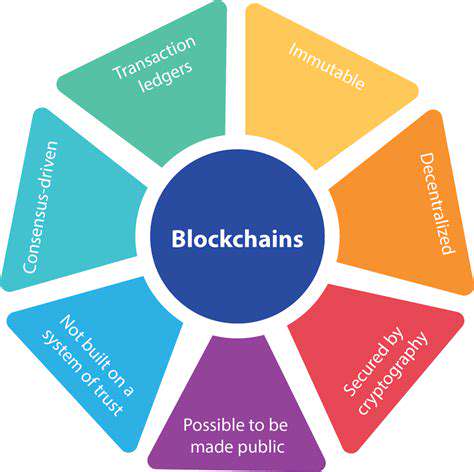
In the realm of voting systems, particularly in a digital age, Security and Transparency are paramount. Traditional voting methods have long been plagued by fraud and manipulation, undermining public trust. By leveraging blockchain technology, every vote can be securely recorded in an immutable ledger, which ensures that once a vote is cast, it cannot be altered or deleted.
Blockchain's transparent nature allows all stakeholders to verify the integrity of the voting process in real-time. The inherent characteristics of cryptography and distributed networks bolster security by preventing unauthorized access. This means that voters can have confidence that their votes are counted accurately and not susceptible to tampering.
- Security is enhanced through decentralized systems.
- Transparency allows for real-time verification of votes.
- Each vote is recorded immutably, building trust among voters.
Eliminating Voter Fraud
Voter fraud remains a critical concern in elections globally. Blockchain technology can significantly reduce, if not eliminate, fraud by ensuring each vote remains anonymous yet traceable. With robust identity verification mechanisms in place, only legitimate voters can participate, which significantly deters impersonation or ballot stuffing. This can involve biometric data or government-issued IDs, further validating voter identities.
The implementation of blockchain can help authorities detect discrepancies promptly. Any irregularities can be tracked back to their origins, making it easier to ascertain the root causes of potential fraud. This level of accountability is essential for maintaining electoral integrity.
Reducing Administrative Costs
Implementing a blockchain-based voting system could drastically lower the costs associated with traditional voting methods. From reducing the need for physical polling places to cutting down the expenses of printing ballots, the savings can be substantial. By streamlining the electoral process and decreasing the workload on election officials, resources can be redirected to other critical areas.
Additionally, with fewer logistical hurdles, elections could be managed more effectively. The automation of processes like vote counting could also lead to quicker results, which is often a significant concern during elections. More efficient systems not only save money but also enhance the overall voter experience.
Accessibility and Inclusivity
Another crucial benefit of blockchain in voting systems is its potential to improve accessibility. Many individuals, particularly those with disabilities or residing in remote areas, face barriers in traditional voting setups. Blockchain can facilitate online voting, enabling a more inclusive approach. By providing secure platforms that anyone can access from anywhere, we can ensure that marginalized groups have a say in the democratic process.
Moreover, accessibility can extend to language and software adaptations, making it easier for non-native speakers to participate. However, it’s essential to ensure that all technological tools comply with accessibility standards, guaranteeing that every voter can engage without hindrance.
International Applications and Case Studies
Various nations have begun experimenting with blockchain for voting systems, providing promising case studies in the field. For instance, West Virginia utilized a blockchain application for overseas voters in the 2018 elections, allowing military personnel and other expatriates to cast their ballots securely. This pilot program highlighted both the potential and challenges of incorporating such technology.
Estonia has also been a pioneer in using blockchain for e-governance, including voting. Their system allows citizens to vote online, and the results are verifiable, promoting transparency. Success in these early adopters might pave the way for broader acceptance and implementation across different jurisdictions.
The Future of Blockchain in Voting
Looking ahead, the integration of blockchain technology in voting systems presents endless possibilities. As public interest in secure and efficient electoral processes grows, the demand for innovative solutions will likely encourage further advancements in this area. For a successful transition, collaboration between tech developers, governmental bodies, and electoral commissions will be essential.
Future enhancements could involve incorporating artificial intelligence to monitor and analyze voting data, ensuring anomalies are flagged immediately. As we continue to navigate the complexities of digitally mediated processes in governance, blockchain technology can serve as a vital tool in restoring and enhancing public trust in democratic practices.
Read more about Real World Applications of Blockchain Technology