Best Microphones for Creators

Dynamic Microphones: What You Need to Know
Dynamic Microphones are renowned for their robustness and versatility in various audio settings. They use a diaphragm attached to a coil to convert sound waves into electrical signals. This design means they are quite durable, making them a preferred option for live performances. Artists often choose them for their ability to handle high sound pressure levels without distortion.
Additionally, these microphones excel in rejecting background noise, which is crucial in environments like concert venues or crowded recordings. A common misconception is that dynamic mics won’t capture nuanced sounds. However, many high-end models can deliver impressive fidelity, particularly for vocals and instruments.
Condenser Microphones: The Studio Standard
- Great for studio recordings due to their sensitivity.
- Can capture a wider frequency range and detail.
- Often require phantom power to operate properly.
Condenser Microphones are considered the gold standard in studio settings because of their sensitivity and expansive frequency range. This type of microphone utilizes a capacitor to convert acoustic energy into electrical energy, allowing for detailed sound capture. Their ability to pick up subtle nuances makes them ideal for vocals, acoustic instruments, and even podcasts where clarity is paramount.
However, it's essential to note that their sensitivity also means they can pick up unwanted background noise. For this reason, they are best utilized in controlled environments. Investing in a good pop filter or windscreen can significantly improve the recordings by minimizing plosive sounds and unwanted air movement.
Lavaliers and Shotgun Microphones: Specialized Needs
When it comes to specialized applications, lavalier and shotgun microphones serve distinct purposes. Lavalier mics, or lapel mics, are small and clip onto clothing, making them perfect for interviews and on-the-go filming. They allow for hands-free communication and are often used in television and theater settings.
On the other hand, shotgun microphones are designed to capture sound from a specific direction while rejecting off-axis noise. This directional quality makes them a favorite for filmmakers and video creators who need to isolate audio sources in dynamic environments. The hybrid functionality of shotgun mics can significantly improve production quality, especially in outdoor filming scenarios where ambient noise is prevalent.
Top Picks for Podcasting: Clarity and Quality
Understanding Microphone Types for Podcasting
There are several types of microphones suitable for podcasting, each offering distinct advantages. Dynamic microphones are often favored for their durability and ability to reject background noise, making them ideal for home studios. Conversely, condenser microphones are sensitive and capture a broader frequency range, which many podcasters prefer for voice clarity. Understanding these differences is crucial when selecting the right microphone for your podcasting needs.
For instance, the Shure SM7B is a top choice among many professional podcasters due to its versatility and excellent noise rejection. It can handle various recording environments, making it a favorite for both home and studio setups. On the other hand, a USB condenser microphone like the Audio-Technica AT2020USB+ is praised for its plug-and-play convenience, allowing for quick setups without the need for additional equipment.
Key Features to Look for in Podcasting Microphones
When shopping for microphones, focus on several key features that will elevate your podcasting experience. Frequency response is essential, as it indicates how accurately the microphone reproduces sound frequencies. A wider range means a more detailed Audio Quality. Another essential feature to consider is the microphone's polar pattern, which determines how well it picks up sound from various directions.
For example, cardioid patterns are beneficial for recording vocals since they capture sound primarily from the front while minimizing noise from the sides and back. This can greatly reduce unwanted audio artifacts and ensure a cleaner recording quality. Additionally, look for features like built-in pop filters or shock mounts to enhance your recordings further.
Lastly, consider the microphone's sensitivity and self-noise; a lower self-noise rating means less interference in your recordings, which is especially crucial for capturing clear dialogue.
Portability and Power Options
Portability is an essential consideration for podcasters frequently on the go or recording in various locations. USB microphones are particularly suitable for portable setups as they can easily connect to laptops and tablets, providing freedom for mobile recording. However, if you're prioritizing Sound Quality over portability, XLR microphones generally offer superior audio performance but require additional equipment like audio interfaces or mixers.
It's also important to think about power options. Some microphones are powered through USB, while others utilize phantom power via an audio interface. Ensure your recording setup is compatible with the microphone's power requirements to avoid interruptions during recording sessions. Selecting the right power source will provide consistency in audio quality and prevent unexpected issues.
Furthermore, if you are considering remote recording, look into microphones with battery options to avoid reliance on external power sources.
Budget Considerations for Quality Audio
When investing in podcasting equipment, budget plays a pivotal role. Fortunately, several quality microphones are available across different price ranges. If you're starting, USB microphones can offer excellent sound quality at lower prices, making them an economical choice for beginners. Brands like Blue and Rode provide several models that strike a balance between affordability and performance.
As you grow your podcast, investing in higher-end XLR microphones and audio interfaces can significantly enhance the overall sound quality. Some popular models, like the Neumann TLM 102 or the Rode NT1, are considered industry standards and can elevate your production quality immensely. This investment can pay dividends as listeners are increasingly drawn to high-quality audio experiences.
Comparing Brands and Models
When narrowing down your options, it’s essential to compare different brands and models based on reviews and user experiences. Brands like Shure, Audio-Technica, and Rode are well-regarded in the podcasting community, but personal preferences in sound character also matter. Each microphone model is designed with unique sound profiles, making it crucial to test microphones in-person whenever possible.
Additionally, check out professional reviews and comparisons online to understand how each model performs in real-world situations. Websites like Sound on Sound and YouTube are excellent resources for hands-on reviews and sound tests. You can hear the difference in quality, which can be a decisive factor when making your purchase.
Final Recommendations and Setup Tips
In conclusion, selecting the right microphone for your podcast will significantly impact the overall audio quality and listener engagement. Always prioritize microphones that meet your specific recording environment and style. Testing multiple models can provide insights into which microphone feels and sounds right for your voice. Don’t hesitate to ask for recommendations within the podcasting community, as personal insights can guide your decision effectively.
For optimal setup, consider the room where you’ll be recording. A quieter space with some sound treatment (like absorbing materials) will improve audio quality enormously. Even small investments in pops filters and windshields can enhance sound clarity. Remember to experiment with positioning and recording levels to find the sweet spot for your microphone, ensuring a professional edge in your podcast's audio production.
The Best Microphones for YouTube Creators

Choosing the Right Microphone Type
When selecting a microphone, it’s crucial to understand the differences between dynamic, condenser, and lavalier microphones. Each type serves specific needs and environments. Dynamic microphones are excellent for environments with high sound pressure levels, while condenser microphones excel in capturing nuances and subtleties.
For YouTube creators, lavalier microphones offer portability and ease of use, making them perfect for vlogs or on-the-go recordings. Understanding the technical specifications, such as frequency response and connectivity options, additionally allows creators to pinpoint the most suitable microphone.
Popular Brands and Models for Creators
- Shure SM7B - renowned for its versatility and sound quality.
- Rode NTG4+ - ideal for filmmakers with its shotgun design.
- Blue Yeti - a favorite for podcasters due to its USB connectivity.
Many brands stand out in the microphone market, but Shure, Rode, and Audio-Technica are often regarded as industry leaders. The Shure SM7B is popular due to its amazing tonal quality and ability to suppress background noise, making it ideal for studio settings.
Blue's Yeti microphone offers multiple pickup patterns, perfect for various recording situations. These brands provide different connectivity options, further aiding content creators in selecting gear that fits their specific recording setup.
Understanding Microphone Specifications
Microphone specifications such as frequency response, sensitivity, and impedance are vital for sound quality. A microphone’s frequency response indicates the range of sound it can capture; this is crucial for YouTube creators who want to ensure clarity and richness in their audio. For instance, a response range of 20Hz to 20kHz is typically favored in professional settings.
Sensitivity measures how well a microphone converts sound into an electrical signal, implying that a higher sensitivity translates to a better ability to pick up soft sounds. Impedance compatibility with your audio interface or mixer is equally important to ensure optimal performance and avoid unwanted noise.
Accessories for Enhanced Recording
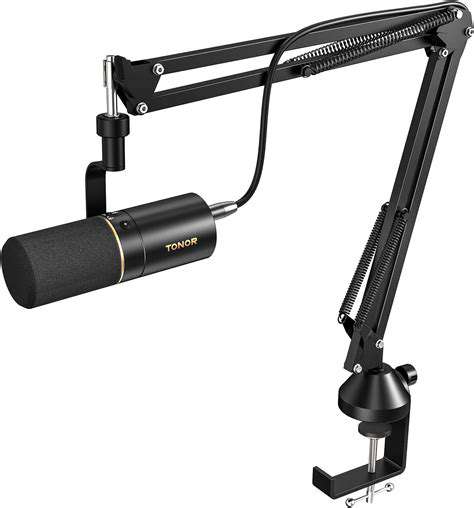
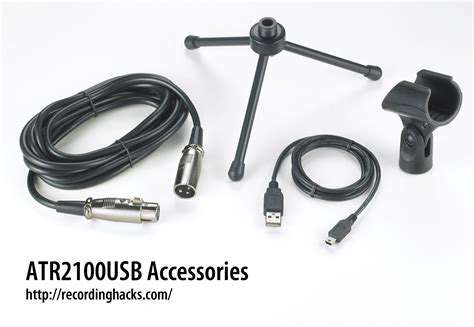
Microphone accessories can significantly enhance the recording experience and quality. A pop filter, for example, minimizes plosive sounds, keeping audio output clean and professional. Additionally, a microphone stand or boom arm provides stability, allowing for hands-free recording that helps create a comfortable setup.
Using a shock mount can reduce noise caused by vibrations, which is especially beneficial when you're recording in areas with ambient sounds. Furthermore, investing in good-quality audio cables enhances the signal, ensuring the best audio transfer possible.
Editing and Post-Production Tips
Even with the best recording equipment, audio quality can require refining during post-production. Basic audio editing software, like Audacity or Adobe Audition, allows for adjustments such as noise reduction and equalization. These processes are vital for achieving a polished final product that resonates with audiences.
Balancing levels between voiceovers and background sounds helps prevent listener fatigue and enhances overall engagement. Familiarizing oneself with common audio effects, such as compression and reverb, can lead to rich and professional-quality audio in videos.
Microphones for Musicians: Capturing Every Detail
Understanding Microphone Types for Musicians
When it comes to microphones for musicians, it's crucial to understand the different types available on the market. The two primary categories are dynamic and condenser microphones. Dynamic mics are typically more rugged and handle high sound pressure levels, which makes them ideal for live performances. In contrast, condenser microphones offer a broader frequency response and greater sensitivity, making them suitable for studio settings where capturing detailed nuances is essential.
Each microphone type serves distinct purposes. For instance, while dynamic mics excel in isolating vocals and capturing instruments in a loud environment, condenser mics shine during quiet sessions, like recording acoustic guitars or delicate vocals. Understanding these variations can guide musicians to select the right tool for their specific needs.
Factors to Consider When Choosing a Microphone
Choosing a microphone isn't just about sound quality; several other factors come into play. First, consider the microphone's polar pattern, which determines how it picks up sound. Cardioid patterns are standard for vocal applications, as they pick up sound from the front while reducing noise from the sides and rear. On the other hand, omnidirectional mics collect sound equally from all directions, beneficial for capturing ambient sound in a studio.
Portability is another essential aspect, especially for musicians on the go. Some microphones are compact and designed for easy transport, while others might require more extensive setup and care. Also, assess compatibility with your recording equipment. Ensure that the selected mic matches your audio interface or mixer for optimal performance.
Don't overlook your budget. The market has a wide range of options catering to different price points, so it's possible to find a quality mic without breaking the bank. Researching brands and models that fit within your budget can lead to discovering hidden gems.
Microphone Accessories to Enhance Performance
Microphone accessories can greatly influence the overall sound experience. A pop filter, for instance, minimizes vocal plosives, ensuring cleaner recordings by reducing the unwanted popping sounds that occur when pronouncing certain consonants. Stands and shock mounts are also crucial for stability; they help isolate your mic from vibrations and handling noise, which could otherwise muddy recordings.
Maintenance and Care for Longevity
Maintaining your microphone’s performance is vital for longevity. Always handle your microphones carefully, avoiding exposure to moisture and extreme temperatures, as these can significantly affect performance. After use, consider cleaning the grill and ensuring no debris or moisture is trapped inside the mic.
Additionally, storing microphones in a protective case when not in use can help prevent damage. It’s also worthwhile to check the cables and connectors regularly for any signs of wear or damage, as these can impede sound quality and lead to miker failures. A little regular care goes a long way in preserving mic integrity.
Finally, familiarizing yourself with the manufacturer’s maintenance guidelines can offer tailored advice on keeping your microphone in top condition, which is something every musician should consider essential.
The Future of Microphone Technology for Musicians
The world of microphone technology is ever-evolving. Innovations like digital microphones, which can interface directly with audio devices via USB, are becoming increasingly common. These contemporary mics often have built-in preamps and converters, offering crystal-clear sound while streamlining the recording process for creators.
Another trend to watch is the growth of wireless microphones. These allow for greater mobility during performances without the hassle of cables. However, they require additional consideration for frequency interference and battery life, so musicians should do their homework on reliable brands.
Ultimately, staying updated on emerging technologies can help musicians make informed decisions about their gear. As the industry progresses, latency reduction and sound fidelity improvements will likely remain at the forefront of microphone advancements.
Read more about Best Microphones for Creators
![Top Gaming Headsets for Immersive Sound [2025]](/static/images/25/2025-06/High-ResolutionAudioforEnhancedDetail.jpg)
Hot Recommendations
- Best Practices for Online Banking Security
- Review: The New [Specific Brand] Smart Lock Is It Secure?
- Best Budget Studio Monitors for Music Production
- Top Flight Simulation Peripherals (Joysticks, Throttles, etc.)
- Top Portable Scanners for Document Management On the Go
- Reviewing the Latest Smart Air Purifiers for Your Home
- Best Portable Photo Printers for Travelers and Memory Keepers
- The Future of Personal Transportation Beyond Cars (Hyperloop, eVTOL)
- Top Network Monitoring Tools [Free & Paid Options]
- Understanding the Tech Behind mRNA Vaccines [A Look Inside]