Explore expert reviews of the latest technologies including the MacBook Air M3 and OnePlus 13, comparisons like Sony WH 1000XM6 vs Bose QuietComfort 55, and in-depth guides on blockchain and computer vision.

A Comprehensive OverviewAs blockchain technology continues to evolve, organizations face numerous challenges that hinder its widespread adoption. This article delves into five critical aspects: regulatory uncertainty, scalability issues, energy consumption, interoperability, and limited awareness and education. Together, these elements paint a vivid picture of the blockchain landscape and provide insights for businesses looking to navigate this complex environment. 1. Regulatory UncertaintyThe regulatory landscape surrounding blockchain is still developing, leading to confusion among developers and businesses alike. Different countries have varying approaches to regulations, making it essential for stakeholders to stay informed about the constantly changing guidelines. This regulatory uncertainty can impact business models; firms may hesitate to invest in blockchain solutions if they fear legal repercussions. 2. Scalability IssuesScalability remains a significant barrier for blockchain networks as demand for applications grows. With traditional systems like Visa processing over 24,000 transactions per second (TPS), blockchain platforms struggle to keep pace. While various solutions such as Layer 2 technologies and new consensus algorithms are being explored, they often come with limitations that may complicate user experience or require extensive adjustments to existing systems. 3. Energy Consumption and SustainabilityBlockchain networks, particularly those using Proof of Work (PoW) mechanisms, face immense scrutiny over their energy consumption. The significant environmental impact of such systems raises questions about sustainability. While solutions like Ethereum's transition to Proof of Stake (PoS) aim to reduce energy usage, the industry must continue to explore innovative strategies to keep energy consumption in check and promote eco-friendly practices. 4. Interoperability ConcernsThe lack of standardized protocols across various blockchain platforms poses interoperability challenges, complicating cross-chain interactions. Establishing widely accepted standards can enhance communication and drive adoption across multiple sectors. Moreover, integrating blockchain with legacy systems can be daunting for enterprises, but phased implementations and middleware solutions can facilitate smoother transitions. 5. Limited Awareness and EducationDespite its potential, blockchain technology suffers from a knowledge gap that stifles implementation efforts. Many business leaders and employees lack a comprehensive understanding of blockchain due to limited educational resources. Addressing this issue through targeted educational initiatives, accessible online courses, and community engagement can help bridge the gap, fostering a more knowledgeable workforce ready to leverage blockchain’s advantages. ConclusionAs the blockchain ecosystem continues to grow, addressing these challenges will be essential for realizing the technology's full potential. By fostering collaboration between regulators, stakeholders, and educational institutions, the industry can work towards a more efficient and sustainable blockchain future. For businesses, staying informed and adaptable is key to navigating the complexities of this transformative technology.
Feb 26, 2026

Optimal Power and Portability for StudentsWhen searching for budget laptops, understanding your academic needs is key. This guide provides insights into selecting a dependable laptop without breaking the bank. Choosing the Right SpecificationsFocusing on essential specifications like the processor, RAM, and storage capacity will ensure you select a laptop that fits your requirements. Aim for at least 8GB of RAM and SSD storage for optimal speed and responsiveness. For students, an Intel Core i3 or AMD Ryzen 3 processor will typically handle tasks such as online lectures and essay writing effectively. Operational Flexibility and PortabilityPortability is a standout feature of budget laptops. Weighing between 3 and 4 pounds, these devices are easy to carry, supporting your on-the-go lifestyle. Additionally, prioritize models with at least 8 hours of battery life, allowing you to study and attend classes without searching for an outlet. Operating System OptionsYour choice of operating system will impact your laptop experience:- Windows provides extensive software compatibility.- Chromebooks are great for web-centric tasks and budget-friendly.- MacOS devices, while pricier, are known for their high-quality build.Select an OS that aligns with your academic requirements. Durability and Build QualityThough budget laptops typically compromise on build quality, some maintain sturdy designs for enhanced longevity. Opt for models with metal chassis and reinforced hinges to withstand daily use. Additionally, consider warranty options to ensure you're supported during technical issues. User Reviews and Performance BenchmarksPrior to making a purchase, it’s wise to consult user reviews and performance benchmarks from sites like Notebookcheck and Tom's Hardware. This research will aid in comparing real-world performance against advertised features, helping ensure a well-informed decision. Essential Accessories for Student ProductivityAlongside your laptop, certain accessories can enhance your academic journey:- Noise-canceling headphones can improve focus, especially in noisy environments.- A portable external hard drive provides essential file storage and backup.- A power bank is invaluable for ensuring devices stay charged during long days on campus. Affordable Online Learning ResourcesLeverage online resources to supplement your education:1. MOOCs (Massive Open Online Courses) offer access to courses from reputable institutions.2. Open Educational Resources (OER) provide free materials that can drastically reduce educational costs.3. YouTube hosts numerous educational channels, simplifying complex subjects.4. Educational apps enhance interaction, making learning engaging and tailored.5. Access to online libraries like JSTOR and Google Scholar allows for extensive research opportunities. Final Thoughts: Tech that Fits Your BudgetUnderstanding the specific needs of students in tech is crucial. Many students prioritize affordability along with performance, durability, and software compatibility when selecting devices. Strategies such as timing purchases around sales events and seeking student discounts can help manage budgets effectively. Popular Affordable Tech OptionsChromebooks and refurbished devices stand out as excellent choices for students seeking balance between quality and cost. Investing in essential accessories can optimize your educational experience while keeping finances in check. Remember, informed purchases lead to long-term satisfaction.Explore the variety of budget laptops and tools available and ensure you make the best choice for your academic journey.
Feb 26, 2026

The Burden on Tech Startups Understanding Compliance CostsCompliance costs represent the financial burden tech startups face in adhering to industry regulations and standards. These costs can consume a significant portion of a startup's operating budget—reportedly up to 25%—spending that could otherwise fuel innovation and market expansion. For burgeoning tech companies, navigating compliance becomes crucial for sustainable growth. Types of Compliance CostsCompliance expenses are categorized into direct costs, such as legal fees and certification fees, and indirect costs, including resources diverted from core business activities. Opportunity costs also play a vital role; the more resources allocated to compliance, the fewer available for innovation, which is particularly detrimental in the fast-paced tech sector. The Impact of Regulatory FrameworksNavigating inconsistent regulatory frameworks, like the GDPR in Europe or various U.S. state laws, complicates compliance for tech startups, often hindering their ability to expand internationally. Understanding these diverse obligations is paramount for market entry and sustainability. Strategies to Manage Compliance CostsTech startups can mitigate compliance costs through strategic means, such as adopting compliance technology solutions to automate processes. Startups can also form consortiums for resource sharing, enhancing knowledge, and negotiating better deals with compliance providers. Legal expertise, whether in-house or via specialized consultants, is essential for navigating compliance hurdles efficiently. Future Trends in Compliance for Tech StartupsAs regulatory landscapes evolve—particularly in the realms of data privacy and AI—startups must adopt more agile compliance strategies. Looking ahead, tech companies will likely confront a substantial increase (up to 30%) in compliance costs over the next five years, underscoring the importance of flexible compliance frameworks to adapt quickly to new regulations. Balancing Innovation and RegulationThe necessity of regulation can often be perceived as a barrier to innovation. However, when integrated into the product design phase, compliance can enhance rather than stifle creativity. An adaptive approach, coupled with ongoing education about regulatory changes, fosters an environment where compliance and innovation coalesce. Conclusion: Embracing Future ChallengesThe landscape of tech regulation is poised for significant transformation as emerging technologies reshape the compliance narrative. By prioritizing collaboration among stakeholders and committing to continuous improvement in compliance processes, tech startups can navigate this complex regulatory environment. Ultimately, embracing proactive compliance strategies can help pave the way for thriving innovation that simultaneously safeguards consumer interests.---For more insights and strategies on managing compliance costs, visit our detailed guides on compliance technology and international regulations.
Feb 26, 2026

Key Differences and BenefitsIn a world increasingly driven by technology, understanding the nuances between On-Device AI and Cloud AI is crucial. This guide delves into what On-Device AI is, its advantages, applications, and how it contrasts with Cloud AI. What is On-Device AI?On-Device AI refers to artificial intelligence technologies that function directly on devices like smartphones, wearables, and other IoT gadgets. The significant benefit of this approach is immediate data processing without the need to rely on cloud-based servers. This results in quicker response times and enhanced user experience, especially in applications such as real-time photography enhancements and personal health monitoring. Key Advantages of On-Device AI1. Improved Privacy and Data Security: On-Device AI handles sensitive information locally, significantly reducing the risk of data breaches often associated with cloud storage.2. Reduced Latency: The immediate processing capability allows for instantaneous feedback, making it ideal for applications like augmented reality and gaming.3. Lower Bandwidth Requirements: By minimizing data transmission, on-device systems can function efficiently even in low-connectivity areas.4. Personalization: AI can tailor services based on user behavior and preferences without external input, thereby providing a unique user experience.5. Energy Efficiency: By performing computations locally, devices consume less energy compared to cloud-based processing.6. Offline Functionality: On-device AI ensures applications can function without internet access, making them usable almost anywhere.7. Cost-effectiveness: Over time, using on-device solutions can lead to substantial savings on cloud storage and data transfer fees. What is Cloud AI?Cloud AI, in contrast, operates through remote servers. It processes vast amounts of data, allowing businesses to harness advanced algorithms without the need for heavy upfront hardware investments. Advantages of Cloud AI- Scalability: Easily adjust resources based on current demands, which is vital for businesses with fluctuating workloads.- Access to Advanced Resources: Leverage cutting-edge technologies and vast datasets which would be impractical to acquire independently.- Cost Efficiency: A pay-as-you-go model allows businesses to save on operational costs.- Enhanced Collaboration: Centralizes tools and data, facilitating teamwork across geographical barriers. Comparing On-Device AI and Cloud AIThe decision between On-Device and Cloud AI hinges on specific needs. If real-time processing and privacy are priorities, On-Device AI is advantageous. Alternatively, if extensive data analysis and scalability are required, Cloud AI may be the ideal choice. Many organizations opt for hybrid solutions, utilizing both technologies for optimal performance and functionality.Ultimately, understanding the strengths and limitations of each approach is essential in choosing the right AI solution to meet organizational and consumer needs.Explore more about how these technologies are shaping our future and making our lives easier.
Feb 26, 2026

A Comprehensive Guide to Smartphone Display TechnologiesAs the smartphone industry continues to evolve, understanding the different types of display technologies can help consumers make informed choices. This article breaks down the major display technologies available today – LCD, OLED, AMOLED, Mini-LED, and Micro-LED – and explores their advantages, limitations, and future prospects. LCD Technology: The Traditional ChoiceLiquid Crystal Display (LCD) technology has been a staple in smartphone displays due to its affordability and color accuracy. It utilizes a backlight, often made up of LEDs, to illuminate the liquid crystals that modulate light to produce images. While LCDs offer consistent brightness and color accuracy from various angles, they fall short in achieving true blacks, which can detract from the viewing experience in low-light conditions. OLED and AMOLED: The New StandardOrganic Light Emitting Diode (OLED) technology marks a significant advancement, enabling each pixel to emit its own light. This creates vibrant colors and high contrast ratios, making OLEDs ideal for media consumption. AMOLED (Active Matrix OLED) enhances this by allowing for quicker response times and better image quality through active pixel control.However, potential concerns such as screen burn-in persist with OLED technology, prompting manufacturers to develop solutions to extend the lifespan of these displays. Mini-LED and Micro-LED: The Future of DisplaysMini-LED technology improves upon traditional LCDs with smaller backlighting LEDs, resulting in better contrast and energy efficiency. Many manufacturers are integrating Mini-LED into their flagship models for enhanced visual experiences. On the more advanced side, Micro-LED technology, which offers self-emissive displays similar to OLED but without the burn-in issues, is emerging as a promising replacement for OLED displays in high-end devices. Choosing the Right Display TechnologyWhen selecting a smartphone, consider your usage patterns and preferences. If you prioritize vibrant colors and immersive media experiences, OLED or AMOLED may be the right choice. For budget-conscious consumers, LCD or Mini-LED provide solid options without breaking the bank. Understanding these technologies will empower you to make the best decision for your needs. Conclusion: Stay Informed for the FutureAs new technologies emerge, staying updated on advancements in display technology will be crucial. From innovative folds and flexible screens to improvements in energy efficiency, the landscape of smartphone displays is dynamic and ever-changing. Whether you are a tech enthusiast or a casual user, being aware of these developments will enhance your smartphone experience and satisfaction.Explore this guide to ensure your next smartphone features a display technology that meets your needs and enhances your digital lifestyle.
Feb 26, 2026
A Comprehensive Guide to Operating Systems, Display Quality, and PerformanceIn an era where tablets blend versatility and portability, choosing the right one can be daunting. This guide breaks down essential considerations like operating systems, display quality, performance metrics, battery life, and connectivity to help you make an informed decision. Operating Systems: iOS, Android, and WindowsiOS is celebrated for its integration across Apple devices, offering a seamless user experience that enhances productivity. Known for robust security features, regular updates, and a high-quality app ecosystem, iOS is ideal for users deeply entrenched in the Apple ecosystem.Android, on the other hand, provides unparalleled customization options, allowing users to personalize their devices extensively. With a wide variety of hardware choices, users can find devices that fit any budget, from high-end tablets to economical alternatives.For those who crave a traditional desktop experience, Windows tablets are a strong contender. Their compatibility with various peripherals and traditional applications makes them particularly appealing to business professionals and students reliant on productivity software. Display Quality: Size and ResolutionThe size of a tablet impacts usability dramatically. Smaller tablets, ranging from 7 to 8 inches, are perfect for casual browsing, while larger 12.9-inch models enhance productivity through multitasking features. The resolution of a tablet's display also matters; higher pixel densities deliver sharper images, crucial for activities like graphic design and video editing. Performance Factors: Processor and RAMWhen discussing performance, the type of processor plays a pivotal role. ARM processors are known for efficiency in iOS and Android devices, while Windows tablets often use x86 processors for superior performance. Look for at least 4GB of RAM for casual use, but opt for 8GB or more if you intend to multitask or run heavy applications. Battery Life: What to ExpectModern tablets primarily use lithium-ion batteries known for their efficiency. A capacity of 6000 mAh or more typically offers all-day usage. Advanced features in operating systems can also enhance battery longevity, and tablets with fast-charging capabilities can minimize downtime significantly. Connectivity and AccessoriesUnderstanding Wi-Fi standards is vital; newer technologies like Wi-Fi 6 improve performance significantly. Consider whether you need LTE options for on-the-go connectivity, and think about the importance of accessories like keyboards and styluses that can enhance your tablet experience. Future-Proofing Your InvestmentInvesting in a tablet with the latest technologies, such as potential 5G capabilities and Wi-Fi advancements, ensures long-term usability. Assess your current and anticipated needs as you make your purchase, ensuring your tablet can keep pace with technological advancements.---Choosing the right tablet is a balance of personal needs, preferences, and future capabilities. For detailed comparisons and further information, explore our comprehensive resources today!
Feb 26, 2026

- Clarity and Direction: Establish clear goals to enhance decision-making processes.- Enhanced Communication: Foster collaboration by sharing updates and progress transparently.- Strategic Decision-Making Support: Provide a comprehensive overview of technological investments to guide informed choices.Statistical reports show that companies with clearly defined tech strategies are more likely to meet project goals. Common Pitfalls to AvoidA flawed roadmap can derail your strategic plans. Common pitfalls include inadequate stakeholder involvement and a rigid approach that stifles innovation. It's crucial to engage various teams and remain flexible to adapt to shifting landscapes. Implementation and MeasurementOnce developed, the roadmap requires effective project management for successful execution. Establishing Key Performance Indicators (KPIs) can help evaluate project effectiveness, providing actionable insights for future iterations. Future TrendsAs technology continues to evolve, embracing agile methodologies and leveraging data analytics will be increasingly vital for refining tech roadmaps. Staying informed about emerging technologies will ensure long-term success and relevance in the market.By understanding the elements that comprise a tech roadmap and recognizing its significant advantages, organizations can better navigate the tech landscape, ensuring alignment with overarching business strategies.
Feb 26, 2026

A Guide to Savvy BuyingIn today's tech-driven world, making smart and informed buying decisions is crucial. This comprehensive guide covers essential steps to help you navigate the complexities of tech purchases effectively. 1. Define Your Needs and PrioritizeStart by assessing your current tech inventory. Identifying what you already own helps eliminate unnecessary purchases. Create a simple spreadsheet to catalog devices, noting specifications and usage to highlight areas for upgrades. Next, outline your specific needs—whether it’s a laptop for work or a tablet for travel. Well-defined objectives help in prioritizing purchases and avoiding impulsive buys. 2. Research and Compare ProductsUnderstanding your true needs is vital. Create a list of functionalities required versus those that merely attract attention. Use comparison tools from platforms like Consumer Reports or TechRadar to analyze product specifications and user reviews. This way, you can differentiate between essential features and luxury options that may not serve your purpose. 3. Set a Budget and Stick to ItEstablishing a budget is key for controlling spending. Assess your financial situation to create a realistic budget specifically for tech purchases. Determine 'must-haves' vs. 'nice-to-haves' to ensure that your spending aligns with genuine needs rather than desires. Regularly monitor your spending habits and utilize budgeting apps to track tech-related expenses effectively. 4. Wait for Sales and PromotionsTiming your purchases can lead to significant savings. Familiarize yourself with the tech sales cycle—major sales events like Black Friday can offer discounts up to 50%. Sign up for retailer newsletters to stay informed about seasonal promotions and discount codes or cashback offers that can lower your expenditures. 5. Limit Exposure to Marketing InfluencesMarketing tactics can easily manipulate purchasing behavior. Enhance your awareness of these tactics to resist impulsive decisions. Avoid social media traps that promote constant spending by unsubscribing from brands and reducing notifications. Set strict purchase limits to help you prioritize needs over wants, and engage in thorough research before any purchase to ensure it meets your actual needs. Practice Mindful ConsumptionCultivating a habit of mindfulness can greatly improve your buying decisions. Evaluate whether new tech truly fulfills a need or if it’s driven by marketing hype. Engage in self-reflection to steer clear of unnecessary purchases, ultimately leading to long-term savings and a decluttered lifestyle.By following this guide, you can confidently navigate the tech marketplace, ensuring that each purchase is purposeful and beneficial to your daily life. Make informed decisions and transform your tech-buying experience into a savvy investment.
Feb 26, 2026

Revolutionizing Consumer ExperiencesIn today's digital landscape, AI-driven personalization has become a cornerstone for businesses eager to enhance user engagement and satisfaction. This technology harnesses advanced algorithms that analyze consumer behavior and preferences, providing tailored experiences that resonate with individual needs. A report by McKinsey highlights that companies embracing effective personalization strategies can boost their revenues by up to 15%. As consumers come to expect bespoke experiences, businesses must rise to this challenge. The Power of AI Across PlatformsFrom e-commerce to social media, AI algorithms transform various consumer platforms. Retailers implement smart recommendations based on past interactions, increasing conversion rates as customers connect with products that align with their interests. Streaming giants like Netflix and Amazon also thrive on personalized content, which has proven essential for retaining customers. With studies showing that 67% of consumers prefer brands that deliver tailored experiences, personalization is no longer an optional strategy—it's imperative. Data Privacy: A Balancing ActAs personalization becomes ubiquitous, ensuring data privacy remains critical. Consumers are increasingly aware of how their personal data is utilized, necessitating transparent practices from businesses. According to a PwC survey, 85% of users are reluctant to share data without trust in the organization involved. Companies that establish robust data protocols and prioritize ethical practices can foster loyalty and reassurance among their customer base. Future-Trends in AI PersonalizationLooking forward, the landscape of AI personalization is set for revolutionary changes. Innovations such as contextual AI and sophisticated natural language processing (NLP) promise to enhance user interactions, bolstering understanding of real-time factors like location and emotional states. By continuously refining strategies and adopting cutting-edge technology, businesses can stay relevant and meet evolving consumer expectations. AI-Powered Voice AssistantsThe evolution of AI-powered voice assistants exemplifies how advanced machine learning transforms user interaction with technology. With over 120 million users in the U.S. engaging with voice-activated assistants, these tools not only enhance day-to-day efficiency but also offer a seamless blend of convenience and personalization. Enhanced Security Through AIAs cybersecurity becomes increasingly vital, AI-driven threat detection plays a crucial role in identifying breaches and protecting user data. Predictive analytics aids organizations in forecasting vulnerabilities before they manifest, while biometric innovations bolster user verification processes. The integration of AI in security protocols ensures that businesses can maintain robust protection in a digital economy facing sophisticated threats. AI in Health and WellnessAI technology's impact extends to health and wellness, where personalized health apps provide tailored recommendations to users. These tools analyze health data to create comprehensive profiles and implement proactive health measures. Future trends include virtual reality for therapy and integrated telemedicine services, revolutionizing how health services are delivered. Conclusion: Embracing AI's PotentialAs AI continues to transform the consumer landscape, businesses must harness its potential by embracing personalized experiences while prioritizing data privacy and ethical standards. Automation in customer service through AI not only improves operational efficiency but also enhances customer satisfaction. A balanced approach that combines technological advancements with human empathy will define the future of customer experiences in an increasingly competitive market.
Feb 25, 2026

- Qualitative methods: Involve user interviews and focus groups, capturing detailed, first-hand experiences to inform longitudinal analysis.- Quantitative methods: Use systematic data collection, tracking performance metrics over time to provide actionable insights. Consumer Benefits from Long-Term ReviewsConsumers gain substantial value from long-term reviews by accessing a level of analysis that typical assessments cannot match. These reviews illuminate how well products hold up, leading to better-informed purchase decisions. Additionally, transparent review practices build trust between consumers and reviewers, ensuring reliable information when investing in technology.By following these practices, potential buyers can benefit from the comprehensive insights provided by long-term tech reviews, making more confident choices in their tech investments.
Feb 25, 2026

A New Era for PhotographyAs artificial intelligence continues to advance, its influence on photography is undeniable, particularly in smartphone imaging. The revolution, powered by sophisticated machine learning algorithms, enhances image processing and simplifies complex photographic tasks, making professional-quality results accessible to everyone. Transforming Image ProcessingAI's role in smartphone photography is pivotal. By analyzing massive datasets, AI systems detect patterns, automatically adjusting settings like exposure and contrast for various scenarios. This allows users, regardless of their expertise, to create stunning images effortlessly. Unlocking Low-Light PhotographyLow-light photography has historically posed challenges for even the most skilled photographers. However, AI has turned this hurdle into an opportunity. With noise reduction technologies and multi-frame processing, modern smartphones can produce clear, bright images in dark settings, making candle-lit dinners and evening events perfect for capturing memories without additional equipment. Real-Time Editing CapabilitiesModern smartphones come equipped with AI tools that enable real-time photo enhancements. Users can instantly improve their images by applying features such as skin smoothing and background blurring. AI’s facial recognition technology ensures that edits are applied accurately to enhance the subject while maintaining overall image integrity. Exploring Computational PhotographyComputational photography is rapidly becoming the norm, integrating multiple image captures to create stunning results that rival traditional photography. Features like HDR (High Dynamic Range) leverage artificial intelligence to balance bright and dark areas within a photo, making it an invaluable tool for smartphone users. User-Friendly CustomizationToday's smartphone cameras provide users with AI-driven customization options. Tailoring photo enhancement settings to individual preferences encourages creativity while informing users of optimal scene settings. This adaptability fosters exploration and experimentation in photography without the need for extensive knowledge. The Future of Smartphone PhotographyLooking ahead, the future of photography is exciting. AI will likely integrate with augmented reality (AR), offering new interactive photography experiences. Predictive photography techniques could emerge, allowing smartphones to intuitively adjust settings for perfect shots in dynamic environments. Scene Recognition and Image EnhancementsScene recognition technology improves image quality by optimizing camera settings based on the detected scene. AI-driven enhancements tailor adjustments for color and lighting, benefiting casual photographers and professionals alike. This technology ensures that users can effortlessly capture striking images. Addressing Challenges in AI TechnologyDespite impressive advancements, challenges remain, including biases in AI algorithms that could affect reliability. Continual assessment is essential to minimize these issues, ensuring that scene recognition and other AI features perform optimally across diverse demographics. Embracing SustainabilityThe smartphone industry is shifting towards sustainability, aiming to reduce electronic waste and improve energy efficiency. Manufacturers are exploring eco-friendly materials and practices, appealing to consumers concerned about ethical technology use.In conclusion, artificial intelligence is reshaping the photography landscape, resulting in enhanced imaging capabilities, accessibility, and user-friendly experiences. As innovations continue to emerge, the synergy between AI and smartphone cameras promises a brighter future for both casual and avid photographers alike.
Feb 25, 2026

- Real-time Feedback: It provides immediate insights into usability, guiding developers to make user-centric improvements.- Detection of Practical Issues: By engaging with the product, testers can identify usability challenges that standard metrics may miss.- Insights into User Behavior: This approach helps to understand how users interact with products in genuine scenarios, providing a clearer picture of user preferences. Common TechniquesSeveral hands-on testing techniques are commonly employed, including usability testing sessions, where real users complete tasks, and A/B testing, which compares two product versions based on user engagement metrics. Comparison with Lab BenchmarksWhile Hands-On Testing focuses on real-world user experiences, lab benchmarks evaluate performance in controlled settings through standardized tests. Although lab benchmarks provide essential data for performance consistency and reliability, they may overlook the unpredictabilities of actual user environments. Limitations of Lab BenchmarksLab benchmarks have inherent limitations:- Lack of Real-World Variability: These tests might not accurately reflect everyday performance.- Obsolescence: Rapid technological advancements can render benchmarks outdated, necessitating regular updates. Choosing the Right MethodologyWhen deciding between Hands-On Testing and Lab Benchmarks, one must consider the specific project requirements. Factors such as the intended software environment and target audience should guide the testing methodology. Engaging with stakeholders and utilizing advanced tools can further optimize the testing process, ensuring that both methods are used effectively to enhance product performance.In conclusion, a balanced approach that integrates Hands-On Testing and Lab Benchmarks can yield comprehensive insights, thus facilitating the development of products that meet both performance standards and user expectations. By grasping the strengths and weaknesses of each testing method, teams can refine their products more effectively and deliver exceptional user experiences.
Feb 25, 2026

Understanding the Key Differences Between Gaming Monitors and Office MonitorsWhen it comes to selecting the right monitor for your needs, knowing the distinctions between gaming and office monitors is essential. This guide highlights the critical factors that separate these two types of displays, enabling you to make an informed decision based on your intended use. Key Differences in Display Quality Resolution and Refresh RatesGaming monitors generally boast higher resolutions, such as 1440p or 4K, making them ideal for immersive gameplay with sharp visuals. In contrast, office monitors primarily offer 1080p, sufficient for basic tasks like document editing and web browsing. Refresh rates also play a pivotal role; gaming monitors typically support 144Hz to 240Hz, significantly reducing motion blur during fast-action gaming, while office monitors usually operate at 60Hz. Color Accuracy and Panel TypesColor reproduction is crucial when distinguishing these monitors. Gaming monitors frequently use IPS or OLED panel technologies for vivid colors and wide viewing angles, enhancing your gaming experience. Office monitors, however, focus on basic color fidelity adequate for standard productivity tasks. Understanding panel types can be vital for selecting a monitor that meets your visual demands effectively. Connectivity and Ergonomics Understanding Connectivity OptionsGaming monitors feature advanced connectivity options like HDMI 2.1 and USB-C, facilitating high-performance gaming setups, while office monitors tend to support simpler connections such as HDMI 1.4. Additionally, gaming models often come with adaptive sync technologies like G-Sync or FreeSync to enhance visual performance, which is less common in office monitors. Evaluating Ergonomics for Extended UseErgonomic design is important for both gamers and office workers. Gaming monitors provide adjustable stands for height, tilt, and swivel, crucial for long gaming sessions. Conversely, most office monitors may prioritize size and resolution over ergonomic features, although some do offer basic adjustments. Cost and Value Considerations Understanding Cost DifferencesGaming monitors usually come with a higher price tag, ranging from $300 to over $1,500, reflecting their advanced features. In contrast, most office monitors fall between $150 and $400. When considering overall value, investing in a high-quality gaming monitor might pay off in longevity and performance for avid gamers. Value of Features for Different NeedsFeatures tailored for specific uses further distinguish these monitors. Gaming monitors include technologies aimed at elevating the gaming experience, while office monitors focus on attributes like color accuracy and glare reduction essential for productivity. Long-Term Investment vs. Immediate BudgetEvaluating your long-term needs is vital. Investing in a premium gaming monitor can enhance your experience over time, whereas budget office monitors may require earlier replacements due to rapid technology evolution. Resale Value and Market TrendsGaming monitors tend to maintain their resale value better than office monitors, which depreciate quickly as new models emerge. Considering potential resale value can influence your purchasing decision and help justify a higher initial investment. ConclusionWhether you're a gamer looking for superior graphics and performance or need a reliable monitor for office duties, understanding the differences between gaming and office monitors can help you choose the ideal device for your needs. Make an informed choice based on resolution, refresh rates, connectivity, ergonomics, and price to ensure that you get the best value for your investment.
Feb 25, 2026

Revolutionizing Daily TasksDiscover the transformative power of smart assistants in your everyday life. These AI-driven technologies streamline tasks and enhance productivity, making them indispensable for modern living. From setting up and personalizing your assistant to integrating it with smart home devices, we'll guide you through optimizing your smart assistant experience. Setting Up Your Smart AssistantIntegrating a smart assistant begins with setup, typically involving app downloads and Wi-Fi connectivity. Personalize voice recognition and preferences to align with your lifestyle, ensuring an efficient experience tailored to your needs. Voice Activation for Enhanced ConvenienceThe primary feature of smart assistants is their voice activation. Whether you’re multitasking in the kitchen or managing a busy workday, voice commands offer hands-free control, boosting productivity by as much as 30%. Learn the available commands to maximize the potential of your smart assistant. Home Automation IntegrationSmart assistants seamlessly connect to various smart home devices, allowing for a cohesive automated experience. Manage your lighting, thermostats, and security systems through simple voice commands, enhancing convenience and energy efficiency. Task Management and RemindersStay organized with the task management capabilities of smart assistants. Set reminders for appointments and manage busy schedules effortlessly. Research indicates that automated reminders significantly increase task follow-through, reducing stress and improving time management. Continuously Learning and AdaptingSmart assistants evolve with user interaction, learning preferences and routines through machine learning algorithms. This adaptability enables personalized suggestions, enhancing the overall user experience. Regular software updates introduce new features, ensuring your assistant remains aligned with your needs. Privacy and Security ConsiderationsWhile smart assistants enhance convenience, privacy is a crucial concern. Understand how data is collected and stored, and take advantage of privacy settings provided by manufacturers to safeguard your information. Stay informed and proactive regarding data management to maintain control over your personal data. Exploring AI Writing ToolsIn addition to smart assistants, AI writing tools are reshaping content creation. These applications improve writing quality through natural language processing technology, offering features such as grammar checks and content generation that cater to various user needs. Key Features of AI Writing ToolsWith capabilities that assist in generating content quickly and effectively, users can benefit from enhanced writing efficiency. Integration with popular applications like Google Docs enables a seamless workflow. Impact on Content QualityWhile AI tools enhance writing, preserving authenticity remains key. Using AI for drafting complemented by personal editing maintains a writer's unique style and voice. Choosing the Right AI ToolSelect an AI writing tool based on your specific needs, ranging from basic grammar checks to advanced SEO features. Review options and consider trial versions to find the best fit for your writing goals. Embracing Future InnovationsAs technology advances, incorporating AI in daily tasks, writing, and even creative design is yielding impressive results. With the continued evolution of AI capabilities, the future promises even more personalized and efficient user experiences across various sectors. Whether in practical daily functions or enhancing creative processes, embracing AI tools offers a wealth of opportunities to enrich how we work and express ourselves.---Maximize your daily efficiency and creativity with smart assistants and AI tools, ensuring a modern, streamlined approach to tasks, content creation, and design.
Feb 25, 2026

Code Editors, VCS, Project Management, and Cloud ServicesDiscover how the right tools can enhance your development process, from coding to deployment. This comprehensive guide covers the essential software development tools every programmer should know, including: 1. Code Editors and IDEsExplore the key features of Code Editors like Visual Studio Code and Sublime Text, which boost productivity with syntax highlighting and code completion. Learn about Integrated Development Environments (IDEs) such as IntelliJ IDEA and Eclipse that centralize development with features like debugging and build automation, making complex projects manageable. Choosing Between Code Editors and IDEsLearn how to select the right tool based on your project complexity and resource availability. While code editors are perfect for smaller tasks, IDEs offer robust capabilities for larger projects. 2. Version Control Systems (VCS)Understand the importance of Version Control Systems in tracking code changes and facilitating team collaboration. Discover the differences between Centralized and Distributed VCS, and find out why Git is favored for its flexibility and features. Implement typical workflows, best practices, and essential techniques to optimize your use of VCS. 3. Project Management and Collaboration ToolsEvaluate essential features of Project Management tools like task assignment, collaboration, and tool integration. Popular options like Trello, Asana, and Monday.com offer visual tracking and communication solutions tailored to your team's workflow. 4. Testing and Debugging Tools Learn about the significance of Unit Testing and tools that support it, such as JUnit and NUnit. Understand the role of continuous testing tools like Jenkins and the importance of debugging techniques and tools that help maintain high code quality. 5. Cloud Services and Deployment PlatformsDive into the different cloud computing models such as IaaS, PaaS, and SaaS, and explore the top cloud providers—Amazon Web Services, Microsoft Azure, and Google Cloud Platform. Adopt deployment strategies, including Continuous Integration/Continuous Deployment (CI/CD) practices, and understand the critical aspects of security in cloud deployments. The Future of Development ToolsAs technological capabilities evolve, staying updated on new features in these tools will help optimize your development processes. Essential integrations and innovative solutions like serverless computing and edge computing are ushering in a new era for developers, making it crucial to adapt and innovate in your workflow.This guide serves as a valuable resource for both new and seasoned developers, providing insights into the best practices and tools to enhance coding productivity, facilitate collaboration, and secure your application deployments.For more in-depth coverage, check out the links to our specific tool recommendations and industry analyses within this article.
Feb 25, 2026

Understanding, Comparing, and Choosing the Right ProviderAs cloud technology continues to transform the business landscape, understanding the various types of cloud services and choosing the right provider is crucial. This guide delves into key aspects of cloud computing—including Infrastructure as a Service (IaaS), Platform as a Service (PaaS), and Software as a Service (SaaS)—allowing organizations to leverage cloud capabilities effectively. Types of Cloud Services Explained 1. Infrastructure as a Service (IaaS)IaaS provides virtualized computing resources online, enabling businesses to scale infrastructure according to demand without investing in physical hardware. This pay-as-you-go model promotes cost efficiency and significant operational flexibility. 2. Platform as a Service (PaaS)PaaS allows developers to create, test, and deploy applications without managing the underlying infrastructure. This service model is especially beneficial for small to medium-sized enterprises, streamlining the development process and fostering faster application deployment. 3. Software as a Service (SaaS)SaaS offers software solutions via subscription over the internet, removing the burden of installation and maintenance. Accessible from any device, SaaS promotes collaboration and workforce flexibility, but businesses must carefully evaluate security and compliance risks. Evaluating Cloud Service Providers 1. Overview of Leading Cloud ProvidersAmazon Web Services (AWS), Microsoft Azure, and Google Cloud Platform (GCP) are the top contenders in the cloud services market, each offering unique strengths. AWS leads with extensive services, Azure integrates tightly with Microsoft tools, while GCP excels in data analytics and machine learning. 2. Pricing ModelsUnderstanding cloud pricing structures is vital for cost control. AWS and Azure use pay-as-you-go models, which can lead to unexpected fees, while GCP's sustained use discounts incentivize long-term usage. 3. Performance and ReliabilityPerformance is critical for service-dependent businesses. AWS boasts an uptime of 99.99%, Azure offers 99.95%, and GCP stands out in data processing capabilities, essential for data-heavy applications. 4. Security and ComplianceSecurity remains a top concern for cloud migration. Each provider has robust security frameworks, with compliance to standards such as ISO 27001, SOC 2, and GDPR. Evaluating these features is crucial for businesses handling sensitive data. 5. Integration and Ecosystem CompatibilityIntegration capabilities influence long-term success. AWS offers flexibility, Azure is user-friendly for Microsoft users, and GCP is designed for data-centric operations, impacting overall performance. Future of Cloud ServicesThe cloud services market is projected to experience a compound annual growth rate (CAGR) of 22% through 2028, with emerging trends in hybrid cloud solutions and AI integration reshaping how organizations approach their cloud strategy. Organizations must worry about security and compliance challenges as they navigate their cloud transitions, and robust planning is essential. Embracing best practices—such as developing a strategic cloud plan, investing in training, and regularly evaluating services—will enable businesses to harness the full potential of cloud technology.Fill your organization’s cloud needs effectively by staying informed about recent developments in cloud offerings and by developing a thorough understanding of potential providers. This knowledge is key to ensuring your business stays competitive in a rapidly evolving digital landscape.
Feb 25, 2026

Key Factors and RecommendationsIn today’s fast-paced digital world, tablet battery life is a crucial aspect for both casual users and tech enthusiasts alike. This comprehensive guide explores the factors influencing tablet battery performance, comparing popular models, and offers practical recommendations for optimizing longevity. Factors Affecting Battery Life Battery Chemistry and CapacityThe heart of a tablet's battery lies in its chemistry. Most use lithium-ion technology known for high energy density and longevity, allowing for extended usage between charges. Battery capacity, measured in milliamp hours (mAh), is a significant determinant of lasting power. A tablet with 7000 mAh can typically outlast one with 4000 mAh, particularly during demanding tasks.Furthermore, the design and thermal management of the battery itself plays a role. Proper heat management can enhance efficiency, while poor design can lead to overheating, thus shortening battery life by up to 20%. Software Optimization and App UsageSoftware significantly impacts battery efficiency. Poorly optimized operating systems and apps can hastily drain battery life. Keeping tablet software updated ensures better power management, including features that limit background activity during battery saver mode.Resource-hungry applications, like video streaming or gaming, dramatically affect battery lifespan. Recognizing which apps consume more power can help users manage their device usage, allowing for better performance and longevity. Comparing Popular Tablet ModelsWhen evaluating tablets, battery life comparison often takes center stage. For instance:- Apple iPad Pro: Up to 10 hours of usage on a single charge, aided by a powerful A14 Bionic chip.- Samsung Galaxy Tab S7: Offers around 8 to 9 hours, adequate for regular tasks, but might be insufficient for heavy users.Both devices feature fast charging capabilities, with the Galaxy Tab S7 recharging to full in just under two hours. Display Settings ImpactDisplay settings are also vital in determining battery life. Reducing screen brightness or enabling adaptive brightness can significantly extend battery life. A 25% reduction in brightness can lead to noticeable endurance improvements. Customization options, such as altering refresh rates, further empower users to optimize battery performance based on usage demands. Real-World Battery PerformanceUnderstanding tablet battery performance involves observing real-life usage scenarios. Testing protocols typically include assessing video playback, gaming, and web browsing. This ensures that comparisons between various models are both valid and meaningful.In practice, users engage in diverse activities that affect battery life differently. For instance, streaming video drains power more rapidly than reading static content. Therefore, testing results should reflect how devices perform during a mix of typical daily tasks. Recommendations for Optimizing Battery LifeEnhancing your tablet's lifespan is achievable through several user-driven strategies:1. Adjust Screen Brightness: Even minor adjustments can lead to significant gains.2. Disable Bluetooth and Wi-Fi: Turning these off when not in use conserves battery.3. Keep Apps Updated: Regular updates often introduce power-saving features.4. Identify Power-Hungry Apps: Monitoring app usage allows for smarter choices.By implementing these strategies, users can extend their tablet's battery life, enhancing overall experience and usability. As technology evolves, understanding and managing battery performance remains integral to maximizing the benefits of your tablet device.
Feb 25, 2026

A Comprehensive GuideExplore the intricate world of tech devices, where performance and features define user experience. In this informative article, we delve into the differences between flagship and budget devices, helping you understand what to expect when navigating your next tech purchase. Understanding Performance MetricsPerformance metrics are the benchmarks that measure a device's efficiency. Flagship smartphones showcase advanced specs, such as processors exceeding 3 GHz, ensuring seamless multitasking. In contrast, budget devices offer modest performance, typically around 1.8 GHz, which is adequate for everyday use. It's essential to match your device's specifications with your usage needs for optimal satisfaction. Build Quality and MaterialsBuild quality plays a pivotal role in user satisfaction, especially when comparing flagship and budget devices. Premium materials like aluminum and glass contribute to the durability and aesthetic appeal of high-end models. Budget devices, while made of cost-effective plastic, often prioritize functionality. Understanding these material differences can help you choose a device that meets your expectations for longevity and style. User Experience and InterfaceUser experience (UX) is critical in shaping how we interact with technology. Flagship devices typically provide smooth, highly responsive interfaces, while budget options often have simplified versions, which may limit advanced functionalities. Recognizing how different devices impact user experience can guide you in selecting the best fit for your lifestyle. Camera CapabilitiesThe camera is a significant feature for many smartphone users. Flagship devices come equipped with sophisticated multi-lens systems for stunning photography, while budget models generally rely on simpler configurations. If photography is your passion, investing in a flagship phone is likely to yield better results in various lighting conditions. Software Updates and LongevityA device’s longevity is heavily influenced by its software support. Flagship models often receive updates for several years, enhancing their features and security, while budget devices may only receive limited support. This aspect is crucial to consider, as it directly affects how long a device remains relevant and effective. Battery Life and EfficiencyBattery performance is a primary concern for tech-savvy users. Flagship models often incorporate advanced power management systems, ensuring they last through a day of heavy usage. In contrast, budget models may struggle with battery efficiency. Understanding your daily consumption can help you make an informed decision. Pricing and Value for MoneyThe price of tech devices greatly varies, with flagship smartphones ranging from $800 to $1,200 and budget options generally between $200 and $400. While flagship devices justify their cost through premium features and extensive support, budget devices offer basic functionalities that meet essential needs without straining your wallet. Long-Term Value ConsiderationsWhen buying a tech device, it’s vital to assess its long-term value. Flagship devices often boast superior durability and receive frequent updates, which can make them more cost-effective in the long run. Budget devices could be economical now but might lead to higher replacement costs later.In conclusion, understanding the distinctions between flagship and budget tech devices can empower you to make an informed decision. Consider your needs carefully, weigh the features against your budget, and choose a device that aligns with your lifestyle.
Feb 25, 2026

A Comprehensive OverviewThe landscape of wearable technology is rapidly evolving, with a significant emphasis on health monitoring, AI personalization, enhanced connectivity, sustainability, and advanced design. This comprehensive review covers the latest trends in wearables that are transforming how we manage our health and interact with technology. Advancements in Health Monitoring TechnologyWearable devices like smartwatches and fitness trackers are now equipped with sophisticated sensors that continuously track vital health indicators, such as heart rate, blood pressure, and oxygen levels. Research indicates that these innovations can enhance chronic condition management and preventive health strategies. With functionalities like ECG capabilities, devices such as the Apple Watch and Fitbit offer critical insights into users' cardiovascular health, potentially saving lives by facilitating early intervention for conditions like atrial fibrillation. Enhanced Connectivity with Smart EcosystemsModern wearables are designed to seamlessly integrate into our daily lives, connecting with other smart devices and home assistants. This interconnectivity allows for a more streamlined experience, enhancing functionality and improving user convenience. As the Internet of Things (IoT) expands, wearables are expected to play an essential role in home automation and personal health monitoring. AI Personalization in WearablesArtificial Intelligence (AI) is paving the way for personalized experiences in wearable technology. By analyzing user data, AI can tailor fitness and health recommendations based on activity levels and health metrics. Companies are increasingly investing in machine learning to predict health trends and optimize user feedback, ultimately creating a more customized experience. Focus on SustainabilityAs environmental awareness grows, wearable manufacturers are adopting eco-friendly practices and materials. The shift towards biodegradable plastics and recyclable components resonates well with consumers who prioritize sustainability. Brands like Garmin are leading the way, incorporating recycled materials into their products and appealing to eco-conscious buyers. User-Centric Design EvolutionThe evolution of wearable design reflects a commitment to enhancing user experience. Manufacturers are focusing on creating lightweight, ergonomic devices that are not only functional but also align with contemporary fashion trends. The rise of customizable options allows users to personalize their wearables, leading to greater engagement and better health outcomes. The Role of Wearables in Health and FitnessWearable technology has transitioned from niche gadgets to essential tools for health and fitness. With projections estimating market growth to approximately $60 billion, the increasing demand demonstrates that wearables are becoming indispensable for health management. Addressing Security and Privacy ChallengesWith the proliferation of wearables, data privacy and security have emerged as critical concerns. Companies must comply with regulations like GDPR to protect user data and foster trust. Innovations such as blockchain technology are being explored to mitigate risks associated with centralized data storage. Conclusion: The Future of Wearable TechnologyThe future of wearable devices appears promising, with technological advancements driving growth and innovation. As we move toward a more interconnected health ecosystem, wearables will play a pivotal role in transforming healthcare, promoting preventive measures, and enhancing overall well-being.As we embrace these emerging trends, it's essential to stay informed on the latest innovations and consider how they can enhance our health management strategies.
Feb 25, 2026
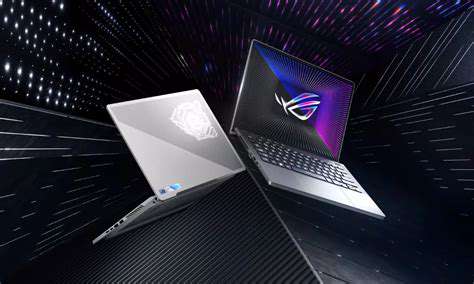
Top Picks for Content CreationIf you're a content creator or YouTuber on the lookout for a powerful laptop to enhance your video editing and production workflow, you’ve landed in the right place. Our comprehensive overview covers top laptops tailored for content creators, emphasizing design, performance, battery life, connectivity, and more. Here are our top picks: 1. Apple MacBook Pro 16-inch (M1 Pro)The Apple MacBook Pro 16-inch stands out with its sleek aluminum design and robust build quality, making it perfect for content creators on the move. It features a breathtaking Liquid Retina XDR display, which offers vibrant visuals and a peak brightness of 1600 nits—ideal for precision color grading and video editing.Powered by the M1 Pro chip, this MacBook excels in multitasking with up to 10 CPU and 16 GPU cores, enabling smooth 8K video editing. Its exceptional battery life, lasting up to 21 hours, ensures you can work effortlessly without frequent recharges. With multiple Thunderbolt 4 ports and an HDMI option, it simplifies connectivity for various devices essential for video production.The audio and video capabilities are top-notch, featuring a six-speaker sound system and an upgraded 1080p FaceTime HD camera—perfect for live streams or video calls. While it comes at a premium price tag, the long-term performance and value make it worth the investment for serious creators. 2. Dell XPS 15The Dell XPS 15 offers powerful performance with Intel Core i7 or i9 processors and optional NVIDIA GeForce graphics, making it apt for high-performance video rendering tasks. Its dazzling 4K display and ultra-slim design provide an immersive viewing experience, which is crucial for video editing.With an impressive battery life of up to eight hours, the Dell XPS 15 combines performance with portability, making it a great choice for YouTubers needing a laptop that can handle intensive workloads without being overly heavy. 3. ASUS ROG Zephyrus G14Lightweight yet powerful, the ASUS ROG Zephyrus G14 stands out with its compact design and robust AMD Ryzen processors. Its stunning 2560 x 1600 resolution display enhances visual detail, making it ideal for precise video editing.A significant advantage is its battery life, offering around 10 to 12 hours of use, perfect for creators working in various locations. The robust connectivity options, coupled with great audio-visual capabilities, make this laptop an excellent choice for YouTubers looking for a mobile editing solution. 4. Microsoft Surface Laptop 4The Microsoft Surface Laptop 4 blends elegance and functionality with its sleek design and high-resolution PixelSense touchscreen. Equipped with Intel Core processors and strong battery performance of up to 19 hours, this laptop is built for efficient multitasking and long editing sessions.Ideal for creators, its lightweight build makes it easy to carry and the anti-glare feature enhances usability in any setting, making it an attractive option for YouTubers. 5. HP Spectre x360Finally, the HP Spectre x360 impresses with its stunning design and versatility thanks to its 360-degree hinge. Equipped with powerful Intel processors and NVIDIA graphics, it is engineered for high-quality video editing.With a vibrant 4K OLED display and lasting battery life of up to 12 hours, this laptop delivers excellent performance for content creators on the go. ConclusionWhen selecting a laptop for YouTube and content creation, the choice ultimately hinges on your specific needs. Whether you value processing power, portability, display quality, or battery life, these laptops are sure to meet the demanding requirements of today's content creators. Invest wisely, and watch your production quality soar!
Feb 24, 2026
Hot Recommendations
- Collaboration Tools Compared
- Online Privacy Myths Explained
- Blockchain Security: Myths and Facts
- How HDR Improves Display Quality
- Real World Applications of Blockchain Technology
- Cloud Platforms Compared for Developers
- Best Budget Gaming Setups
- How to Compare Tech Products Effectively
- Best Tech Gifts for 2025
- Monitor Buying Guide for Beginners