Console vs PC Gaming: Which Is Better
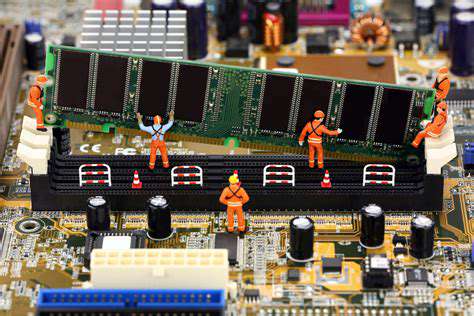
- PCs often have customizable components, with options for upgradable GPUs and CPUs.
- Consoles offer simplicity, with a consistent performance baseline.
- High-end PCs can outperform current generation consoles significantly.
The hardware specifications dictate how well games run. PCs usually have access to the latest GPUs and CPUs that can be upgraded, resulting in longer lifespan and better performance over time. In contrast, consoles maintain a fixed specification, which can limit future performance but provides a consistent platform for developers.
The Role of Optimization
Game optimization is crucial for achieving the best performance, especially on consoles. Developers often tailor games to run efficiently on specific hardware, ensuring they deliver the best experience possible on limited resources. This focus can sometimes mean that even with lower specs, consoles can achieve visually stunning results.
However, PCs offer a different dynamic. While many games are optimized for consoles, PC gamers can adjust settings like graphics quality or frame rate, making it possible to push hardware to its limits depending on individual capabilities. This flexibility allows for personalized gaming experiences.
Display Technology and Refresh Rates
The display technology used in PC monitors versus console setups significantly impacts the gaming experience. Many gaming monitors support higher refresh rates and adaptive sync technologies, making gameplay smoother for competitive titles. For example, some monitors provide refresh rates of 240Hz, far exceeding what most consoles can output.
Conversely, traditional televisions equipped for console gaming may not provide the same refresh rates. This highlights an important point: choosing the right display can be just as important as selecting the gaming platform itself.
Load Times and Storage Solutions
Load times can make or break the gaming experience. PCs typically utilize SSDs for quicker load times, while some consoles have made strides in this area, such as the PlayStation 5 with its custom SSD design. The differences can noticeably affect how quickly games start and levels load.
For users who prioritize quick access to their games, considering SSD options on PCs can be highly beneficial. The trend towards digital downloads over physical media has made storage capacity and speed a crucial factor for both platforms.
Game Libraries and Exclusives
Marketers often tout exclusive game titles to lure players toward a specific platform. While consoles might have exclusive franchises like God of War or Halo, PCs offer vast libraries including indie titles and mods that enhance the gaming experience substantially. Additionally, subscription services like Xbox Game Pass provide diverse gaming libraries across platforms.
The debate of Exclusive Titles versus a larger library reflects a choice between community engagement versus content availability, a key factor in the console versus PC discussion. Many gamers find value in being part of a vibrant gaming community supported predominantly by the platform's offerings.
Accessibility and User Experience
When assessing performance and graphics, the end-User Experience cannot be overlooked. Consoles are designed with accessibility in mind, allowing gamers to plug and play with minimal setup. This convenience makes it easier for casual gamers to enjoy their favorite titles without delving into intricate configurations.
On the other hand, PC gaming often requires users to have a deeper understanding of system requirements and settings adjustments. While this may appeal to dedicated gamers seeking tailored experiences, it can be daunting for more casual players. Thus, the choice between console and PC comes down to personal preference in balancing accessibility and performance.
Game Library and Exclusives
Understanding Game Libraries Across Platforms
When discussing game libraries, it's essential to understand that both consoles and PCs offer unique selections that cater to different gaming audiences. For instance, consoles such as the PlayStation and Xbox have exclusive titles like The Last of Us Part II and Halo Infinite, which are not available on PC. Conversely, the PC platform boasts a vast library of indie games, modifications, and early access titles that often never make it to consoles.
According to research conducted by the NPD Group, PC gaming accounted for nearly 23% of the $44 billion gaming market in 2021. This statistic highlights the significance of the PC library, including the advantages of platforms like Steam, which frequently host sales and allow gamers to access a broader range of titles, often at lower prices.
Exclusive Titles: The Heart of Console Gaming
Exclusive titles often shape the perception of a console as a must-have for certain gamers. For example, Nintendo's iconic franchises like Mario and Zelda draw significant audiences, establishing a loyal consumer base. These exclusives often define consoles' cultural relevance and contribute to strong brand loyalty over time.
Many gamers argue that the emotional connection to an exclusive title can justify the purchase of an entire console. This decision often hinges on the quality of exclusive games available at launch or throughout a console’s lifecycle. For instance, Sony's investment in exclusive partnerships has allowed games such as God of War and Spider-Man to thrive, making the PS5 an attractive option.
PC Gaming Flexibility: Customization and Access
One of the most significant advantages of PC gaming is the ability to customize and build your gaming rig. Gamers can choose specific components that align with their performance requirements and preferences, such as graphics cards, processors, and RAM. This flexibility allows for a wide range of gaming experiences that can be optimized for graphics quality or performance efficiency, which is often not possible on consoles.
Furthermore, with the rise of subscription services like Xbox Game Pass for PC and EA Play, gamers have more access to a rotating library of games than ever before on the PC. This subscription model helps players discover new titles without the initial financial investment of purchasing each game outright, making it an attractive option in an ever-expanding gaming landscape.
In 2022, a report by Statista highlighted that the PC gaming market was projected to reach $47 billion by 2025, indicating sustained growth and the increasing relevance of PC exclusives and indie titles.
Online Gaming and Community Integration
The integration of online services and community features is another defining aspect of gaming libraries on both consoles and PCs. Services like PlayStation Network and Xbox Live allow console players to engage with their peers, join multiplayer communities, and participate in events. This social aspect often enhances the overall gaming experience.
On the other hand, PC gaming platforms like Steam and Discord have established robust community features, including forums, discussion boards, and user-generated content. The ability for developers to release frequent updates and expansions keeps the community engaged and allows players to explore user-created mods and content, enhancing their gaming experience significantly.
Ultimately, the role of community in gaming can heavily influence a gamer’s platform choice, as many seek not just to play games, but to be part of a vibrant ecosystem.
Cost Considerations: Games, Hardware, and Subscriptions
Cost is a critical factor when evaluating gaming platforms. While console prices can seem straightforward, hidden costs such as subscription services, peripherals, and exclusive game purchases must not be overlooked. For example, while the upfront cost of a console may be lower than building a gaming PC, ongoing costs can accumulate over time.
In contrast, although building a gaming PC may require a more substantial initial investment, the potential for long-term savings is notable especially for avid gamers. Many PC games often see price drops, and services like Steam frequently offer deep discounts during seasonal sales, making it easier for gamers to build an extensive library without breaking the bank.
Moreover, research by the Entertainment Software Association indicates that more than 50% of gamers receive digital codes or purchase games on sale, highlighting a desire to manage costs efficiently while still enjoying a diverse gaming library.
Cost and Accessibility
Cost Comparison of Console and PC Gaming
The initial investment in gaming systems varies widely, making cost a critical factor for many gamers. A new gaming console typically ranges from $300 to $600, depending on the model and capabilities. In contrast, building a gaming PC can easily run from $700 to several thousand dollars, depending on the hardware specifications. This cost variance is primarily due to the top-tier components that gamers may choose for optimal performance, including high-end graphics cards and processors.
Moreover, the ongoing costs per platform can differ significantly. Consoles often require a monthly subscription for online services, such as PlayStation Plus or Xbox Live Gold, which can add up to nearly $200 annually for premium features. On the other hand, PC gaming may involve one-time purchases for games and occasional upgrades, though it can also entail more expensive components. Therefore, while consoles appear cheaper upfront, PCs can offer long-term savings if you are willing to invest initially.
Accessibility of Games Across Platforms
When it comes to accessibility, consoles offer an edge by providing a universal user experience across games. Most titles are designed to work seamlessly on designated consoles, eliminating compatibility issues that PC gamers often face due to hardware disparities or software requirements. Additionally, gaming consoles typically do not require frequent updates or patches as PCs do, which can disrupt gameplay. For many casual gamers, this convenience greatly enhances accessibility.
Conversely, PC gaming provides a larger library of games, including exclusive titles that may not feature on consoles. More importantly, PCs have the advantage of backward compatibility. Players can enjoy older games without concern, whereas consoles may not support older game versions as efficiently. This diversity of availability makes PC gaming attractive to gamers looking for a broad range of options, from indie releases to AAA titles.
Performance Metrics in Gaming
Performance is often heralded as a decisive factor in the console versus PC debate. PCs have the potential for superior performance, boasting better graphics fidelity, framerates, and overall loading times. High-end gaming setups can deliver 4K resolutions at 120 frames per second, often surpassing console capabilities. Furthermore, gamers can customize every aspect of their rig, optimizing for performance based on individual preferences, whether it's graphics quality or frame rate.
The Impact of Availability and Maintenance
Availability of hardware and maintenance considerations play a significant role in gaming experience and ongoing costs. Consoles are generally more readily available and require minimal maintenance. Users can simply plug them in and start gaming, making them ideal for those who may not have technical expertise. In comparison, maintaining a gaming PC can involve troubleshooting hardware failures, performing cleaning, and undertaking frequent software updates to keep performance optimal.
Additionally, as technology progresses, components in gaming PCs can become obsolete quickly. Gamers might need to spend more frequently to stay current. This dynamic creates an annual budget piece that is hard to ignore, unlike consoles that maintain utility until the next generation is released. In essence, the accessibility of platforms extends beyond initial costs to their ongoing maintenance requirements, shaping user experiences significantly.
User Experience and Community
Understanding User Experience in Console Gaming
When it comes to user experience in console gaming, simplicity and accessibility reign supreme. Consoles typically offer an out-of-the-box gaming experience that caters to players who prefer plug-and-play functionality. For instance, devices like the PlayStation 5 and Xbox Series X are designed to require minimal setup, making them attractive choices for casual gamers who may not want to deal with the complexities of hardware configurations.
Moreover, consoles often provide a curated ecosystem that emphasizes streamlined operations. Users benefit from seamless updates, integrated online services, and a standardized interface, fostering an environment where even inexperienced gamers feel comfortable navigating through menus and launching games. These factors contribute significantly to user satisfaction and retention in the console gaming sphere.
Data from recent surveys indicates that 65% of console users appreciate the straightforward nature of gaming on their devices. This focus on user-friendliness highlights the ongoing advancements being made in console technology, stemming from a deep understanding of player needs. Features such as game presets and quick resume functionalities further enhance the overall experience.
Community Engagement Among Console Users
The sense of community in console gaming often surpasses that of PC gaming. Platforms like Xbox Live and PlayStation Network are specifically engineered to foster social interactions through integrated voice chat, friend lists, and gaming clubs. This engagement allows players to easily connect with others, forming a shared community that enhances the social aspect of gaming.
Furthermore, events such as community tournaments and online leagues create opportunities for players to showcase their skills and make friends. Notably, the recent PS5 Showdown drew over 100,000 participants, illustrating the vibrant community surrounding console gaming. Such events not only reinforce a sense of belonging but also promote a healthy competitive spirit among gamers.
Statistics reveal that approximately 70% of gamers engage with others during gameplay, a significant number predominantly found among console users. This engagement can lead to increased enjoyment and motivation within the gaming experience, showcasing the importance of community in console gaming dynamics.
User Experience in PC Gaming
PC gaming offers a unique user experience characterized by extensive customization and flexibility. Many players appreciate the ability to upgrade hardware components, allowing them to tailor their gaming rigs according to personal preferences and budget constraints. This level of customization means gamers can significantly enhance graphic performance, refresh rates, and overall functionality compared to pre-built consoles.
However, this flexibility often comes with a steep learning curve. Setting up a high-end gaming rig requires understanding various components, and troubleshooting can be a daunting task for newcomers. It is essential for those entering the PC gaming space to research and become familiar with hardware specifications and compatibility issues, which can lead to frustration if not managed carefully.
Surveys show that while 55% of PC gamers relish the freedom of customization, a significant portion (45%) finds the technical aspects intimidating. Therefore, it's crucial to create a balance where gamers can leverage customization without compromising their enjoyment due to technical difficulties.
Community Dynamics in PC Gaming
The community aspect of PC gaming often centers around platforms such as Steam and Discord, which provide extensive social networking features alongside game distribution. Communities on these platforms engage not only in gaming but also share modifications, tutorials, and strategies, enhancing connectivity among players. This openness encourages innovation and creates a culture where collaboration thrives.
Furthermore, the prevalence of mods in PC gaming plays a pivotal role in community dynamics, as gamers can alter their favorite titles to suit their tastes. Popular games like Skyrim and Minecraft have flourishing modding communities that keep the game alive long after their initial release. In fact, some mods have become so popular that they have spawned entirely new genres, inspiring new gamers and content creators alike.
Data highlights that over 30 million players use Steam's community features regularly, indicating that social interaction and collaboration are vital aspects of the PC gaming ecosystem. Such engagement fosters diverse discussions and creates a richer gaming experience, ensuring that the community continues to grow and evolve.
Conclusion: Choosing the Right Platform for User Experience
Ultimately, the choice between console and PC gaming comes down to individual preference regarding user experience and Community Engagement. Consoles appeal to those seeking ease of use and streamlined experiences, while PC gaming attracts players who value customization and flexibility. Each platform offers distinct advantages and entails different considerations, making it vital for prospective gamers to assess their priorities carefully.
In conclusion, understanding the various aspects of user experience and community dynamics on both platforms can guide gamers in making informed decisions. Whether you choose a console or a PC, what matters most is the enjoyment you derive from gaming and the connections you build within the community.
Read more about Console vs PC Gaming: Which Is Better
![Best Password Managers Compared [Security & Features]](/static/images/25/2025-05/AdditionalFeaturesandUserExperience.jpg)


![Best Gaming PCs You Can Buy Right Now [2025]](/static/images/25/2025-06/KeyComponentsDriving2025Performance.jpg)
![Top Gaming Headsets for Immersive Sound [2025]](/static/images/25/2025-06/High-ResolutionAudioforEnhancedDetail.jpg)