Future of EdTech Innovations
Augmented reality (AR) presents a complementary approach by overlaying digital information in the real world, thus enriching the learning experience. Applications such as *Google Expeditions* and *Merge Cube* allow students to visualize and interact with 3D models, making abstract concepts more tangible. The ability to manipulate virtual objects leads to deeper understanding, as evidenced by a study published in the *Journal of Educational Technology & Society*, which found that AR applications improve retention rates by up to 34% compared to traditional methods.
Moreover, AR can facilitate collaborative learning activities. When students are able to share AR experiences, such as building models together or exploring historical events, they naturally engage in dialogue and discuss their findings. This interaction not only enhances social skills but promotes critical thinking as they question and challenge each other's perspectives. As educational institutions consider adopting these technologies, it's essential to integrate them thoughtfully into existing curricula to maximize their educational potential.
3. Greater Emphasis on Microlearning and Mobile Learning
1. The Rise of Microlearning in Modern Education
Microlearning has gained significant attention in recent years due to its effectiveness in knowledge retention. This approach breaks down information into bite-sized modules, allowing learners to grasp complex topics without feeling overwhelmed. Research conducted by the University of Colorado Boulder revealed that microlearning can increase retention rates by up to 80% compared to traditional learning methods.
Moreover, microlearning caters to the busy lifestyles of modern learners. With the rise of digital platforms, individuals can engage with micro-learning content during brief breaks or commutes. The accessibility and flexibility of this method make it an attractive option for students and professionals alike who aspire to learn on-the-go.
2. Mobile Learning: Education at Your Fingertips
Mobile learning, or mLearning, leverages smartphones and tablets to facilitate educational experiences. According to the 2022 mobile learning report by Ambient Insight, the mLearning market is projected to reach $80 billion by 2027, signifying a substantial shift toward more mobile-friendly educational resources. This rapid growth highlights the demand for learning that is not only accessible but also tailored to various user preferences.
Integrating mobile learning allows educational institutions to offer interactive content that enhances engagement. Tools such as quizzes, flashcards, and video tutorials can be seamlessly accessed on mobile devices, allowing learners to engage with the material anytime and anywhere. This convenience fosters an environment where continuous learning becomes a more achievable goal.
3. Personalization through Micro and Mobile Learning
The blend of microlearning and mobile technology allows for a highly personalized educational experience. By utilizing data analytics, educators can design content that aligns with individual learning patterns and preferences. Research from the Institute for Personalized Learning shows that students learn more efficiently when their personal interests are integrated into the curriculum.
Furthermore, adaptive learning technologies make it possible to fine-tune content delivery. For example, advancements in AI can assess a learner's progress and suggest additional modules based on performance, ensuring that each student can navigate their educational path effectively. This tailored approach not only enhances engagement but also improves overall academic outcomes.
4. Challenges and Solutions in Micro and Mobile Learning
While micro and mobile learning presents numerous benefits, it is not without its challenges. One major concern is the issue of digital equity; not all learners have equal access to technology or reliable internet service. To bridge this gap, educational institutions must develop strategies to provide resources to underserved communities, ensuring that all students can benefit from these innovative learning methods.
Additionally, there exists a potential for information overload due to the sheer volume of content available online. Institutions should curate high-quality resources and establish guidelines to help learners navigate effectively. Implementing frameworks that prioritize quality control can ensure that students receive valuable, well-structured information.
5. The Future Landscape of Microlearning and Mobile Learning
The future of education is leaning towards a more integrated approach that combines microlearning with mobile accessibility. As technology continues to evolve, it will play a crucial role in shaping how educational content is delivered and consumed. For instance, the integration of augmented reality (AR) and virtual reality (VR) in mobile platforms could provide immersive learning experiences that were previously unimaginable.
Moreover, the emphasis on continuous skill development in industries creates a demand for accessible learning solutions. Companies will likely adopt micro and mobile learning strategies to support employee training and career advancement. By aligning learning experiences with industry needs, educational providers can ensure that their programs remain relevant and impactful.
4. Blockchain Technology for Secure Learning Records

Overview of Blockchain's Role in Education
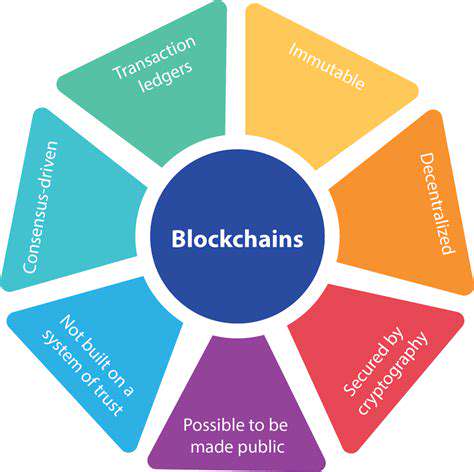
Blockchain technology is increasingly recognized as a potential game-changer in the education sector. Its ability to provide secure, verifiable, and tamper-proof records is particularly valuable when managing student credentials. By leveraging this technology, educational institutions can enhance trust and transparency in their processes.
This decentralized system ensures that data is not only secure but also accessible to authorized parties without intermediaries. As more institutions explore these advantages, the educational landscape could undergo a significant transformation towards more modern practices.
Benefits of Secure Learning Records
- Enhanced security and integrity of academic records.
- Streamlined verification processes for employers and institutions.
- Increased student control over personal data.
Utilizing blockchain for learning records presents numerous advantages. Firstly, the authenticity of academic credentials can be verified instantly, reducing the time and resources spent on manual checks. This not only increases operational efficiency but also elevates the overall trust in educational credentials.
Case Studies of Blockchain in Education
Several universities and organizations are already piloting blockchain initiatives. For example, in 2020, the University of Melbourne implemented a blockchain-based system to issue digital certificates. This allowed graduates to share their credentials directly with employers without the need for intermediaries. Such implementations are crucial for understanding how blockchain can be tailored to meet specific educational needs.
Similarly, MIT has issued over 1,800 digital diplomas using blockchain, which can be easily verified by third parties. These examples serve as models for other institutions considering similar implementations.
Challenges to Implementation
Despite the compelling advantages, there are hurdles to widespread adoption of blockchain in education. Issues such as high initial setup costs, the need for technical expertise, and concerns regarding data privacy can pose significant obstacles. Additionally, there is a general lack of understanding surrounding blockchain technology among educational administrators, which can inhibit effective decision-making.
Furthermore, the regulatory environment surrounding blockchain remains unclear in many regions, which can add another layer of complexity to its implementation.
Future Prospects of Blockchain in Education
The potential for blockchain in education is immense. As the technology matures, it is likely that we will see broader adoption across more institutions. Predictions indicate that by 2025, over 20% of educational institutions may integrate blockchain into their existing systems, significantly improving the management of student records.
Institutions that embrace this change stand to benefit not only from operational efficiencies but also from an enhanced reputation as innovators in the educational space. This could position them favorably in a competitive market.
Recommendations for Educational Institutions
For educational institutions looking to incorporate blockchain technology, it's essential to start small. Consider pilot programs that allow for experimentation without overhauling existing systems. Collaboration with technology providers can also ease the transition and help institutions navigate the complex landscape of blockchain.
Engaging in partnerships with tech-focused organizations or participating in consortiums can provide valuable insights and resources. Ultimately, a gradual and well-planned approach will facilitate a smoother integration process.
Conclusion: Embracing Change in Education
In conclusion, the integration of blockchain technology in education represents a significant shift towards more secure and efficient management of learning records. While there are challenges to overcome, the long-term benefits—including improved transparency, enhanced security, and greater learner empowerment—are undeniable.
In a world increasingly driven by digital transformation, educational institutions must adapt and embrace innovative solutions like blockchain. As this technology evolves, so too can the educational landscape, paving the way for a more secure and equitable future for learners.
5. Collaborative Learning through Online Platforms

Understanding Collaborative Learning
Collaborative learning is an educational approach involving groups of learners working together to solve problems or complete tasks. This method encourages interaction, communication, and shared responsibility among students, which can Enhance the learning experience. Research from the Journal of Educational Psychology shows that students engaged in collaborative learning activities demonstrate better critical thinking and problem-solving skills.
In the context of online platforms, collaborative learning can take many forms, such as group projects, discussion forums, and peer assessment. In a virtual environment, tools like Google Docs or Microsoft Teams allow real-time collaboration, enabling students to contribute equally despite geographic distances. The use of these tools can help to break down the barriers that traditional classrooms might impose, promoting a more inclusive environment.
The Role of Technology in Facilitating Collaboration
Technology plays a crucial role in fostering collaborative learning experiences. Virtual learning environments, such as Learning Management Systems (LMS), have integrated various features that support group work, including file sharing, real-time chats, and breakout rooms for discussion. These tools empower students to communicate and collaborate effectively, regardless of their physical location.
Moreover, the incorporation of artificial intelligence (AI) in educational platforms can further enhance collaboration. AI-driven analytics can assess group dynamics and productivity, providing insights that help educators tailor their approach to meet the unique needs of each group. As a result, the educator can facilitate collaboration more effectively and ensure that every student's voice is heard.
Challenges in Online Collaborative Learning
- Time zone differences can impact synchronous collaboration.
- Technological issues may hinder participation and engagement.
- Group dynamics can lead to unequal participation among members.
While online collaboration offers numerous benefits, several challenges must be addressed. One significant challenge is the potential for unequal participation, where some students may dominate discussions while others remain passive. This can lead to frustration and disengagement among team members, which ultimately affects learning outcomes.
Another challenge lies in time zone differences, particularly in international collaborations. To mitigate this issue, flexible scheduling of group meetings and asynchronous tasks can be beneficial. Additionally, organizations should provide training on the necessary tools and techniques to ensure that all participants feel comfortable and engaged in the collaborative process.
Best Practices for Effective Online Collaboration
Implementing best practices can significantly enhance the effectiveness of collaborative learning in online environments. First and foremost, establishing clear roles and responsibilities within the group is essential. Each member should know their specific tasks, which can enhance accountability and ensure that everyone contributes to the project.
Moreover, setting up regular check-ins or updates helps maintain momentum and allows for addressing any issues promptly. Frequent communication fosters a sense of community, which is vital in remote learning scenarios. Encourage the use of diverse communication channels, such as discussion boards and video conferencing, to accommodate different preferences among group members.
The Future of Collaborative Learning in EdTech
The future of collaborative learning is expected to undergo significant transformations with the advent of new technologies. Virtual and augmented reality (VR/AR) systems are already being explored as tools for immersive learning experiences, allowing students to collaborate in virtual environments that mimic real-life scenarios. This could enhance engagement and the effectiveness of group projects.
Moreover, as machine learning evolves, platforms may become more adaptive to individual learning styles, continually refining collaborative experiences based on real-time performance and feedback. This personalization could be a game-changer, helping to identify and bridge gaps in students' skills more efficiently. As educational institutions embrace these innovations, the potential for more effective and inclusive collaborative learning opportunities will likely expand.
Read more about Future of EdTech Innovations
![Best Password Managers Compared [Security & Features]](/static/images/25/2025-05/AdditionalFeaturesandUserExperience.jpg)



![How to Protect Your Data Online [Ultimate Guide]](/static/images/25/2025-05/BeyondtheBasics3ADataPrivacyandSecurityBestPractices.jpg)