How Tech Companies Handle User Data
Understanding User Consent Mechanisms
In recent years, tech companies have increasingly adopted User Consent Mechanisms to ensure transparency in data collection practices. These practices often include pop-up notifications and consent forms that explicitly inform users about the types of data being collected. According to a 2022 study by the International Association of Privacy Professionals (IAPP), 76% of users prefer receiving clear information before consenting to data collection. This highlights the growing demand for companies to prioritize user awareness.
Moreover, regulatory frameworks like the General Data Protection Regulation (GDPR) in Europe have established strict guidelines for how consent must be obtained. Companies are now required to implement 'opt-in' strategies, where active user agreement is mandatory for data processing activities. This contrasts sharply with previous practices where users were often registered by default, raising ethical concerns about unsolicited consent.
Challenges in Ensuring Transparency
Despite the best intentions, many tech companies face significant challenges in achieving full transparency regarding data collection. One major issue is the complexity of privacy policies, which are often too lengthy and filled with legal jargon that most users cannot easily understand. A 2023 survey revealed that 85% of users do not read privacy policies in detail, primarily due to their complexity. If users fail to comprehend what they are consenting to, the essence of transparency is undermined.
Additionally, companies may not fully communicate how collected data will be used or shared with third parties. This lack of clarity can lead to mistrust between users and companies, as highlighted in a report from the Electronic Frontier Foundation (EFF). Transparency should ideally not just be about obtaining consent but also about ensuring that users can make informed choices regarding their data. Simplifying privacy policies and enhancing user education could significantly improve trust in digital data practices.
Data Security Measures: Protecting User Information
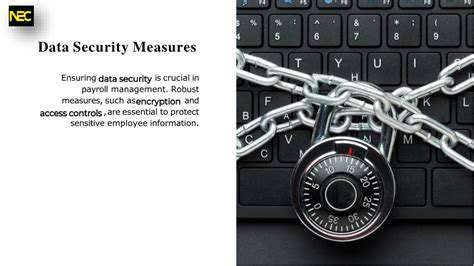
Understanding Data Encryption Techniques
Data encryption is a vital component in safeguarding user information, particularly in the tech industry where sensitive data is transmitted frequently. By employing strong encryption standards, companies can effectively convert user data into a coded format, making it nearly impossible for unauthorized users to decipher. This not only ensures compliance with regulatory standards but also builds trust with customers who prioritize their privacy.
The two most commonly adopted encryption protocols are AES (Advanced Encryption Standard) and RSA (Rivest-Shamir-Adleman). AES is often preferred for its efficiency and speed in encrypting large volumes of data, while RSA is favored for secure key exchange. It’s essential for tech companies to stay updated on encryption technology, as cyber threats evolve constantly.
Implementing Strict Access Controls
- Role-based access controls (RBAC) limit data access based on user importance.
- Continuous monitoring systems track user activities and potential breaches.
- Regular access reviews help maintain security integrity.
Access controls serve as another important barrier against unauthorized access to sensitive user data. By implementing role-based access controls (RBAC), organizations can ensure that employees are granted access only to the resources necessary for their specific roles. This minimizes the risk of internal data breaches, which can be just as damaging as external attacks.
Another critical aspect is continuous monitoring — monitoring access patterns to detect any anomalies quickly becomes vital in today’s cybersecurity environment. Regular audits and access reviews are essential, enabling companies to adapt and tighten their security measures based on both internal and external challenges.
Regular Security Training and Awareness Programs
One of the best lines of defense against data breaches is ensuring that employees are well-informed about security protocols. Regular security training helps in creating a culture of awareness, where employees recognize the importance of safeguarding user information. Tech companies should consider implementing mandatory training sessions at least twice a year to keep security practices top of mind.
Moreover, simulated phishing attacks can dramatically increase awareness among employees, as they are forced to confront real-life scenarios. Educated employees are less likely to fall victim to social engineering tactics, one of the most common methods used by cybercriminals. By empowering staff with knowledge, organizations not only protect themselves against external threats but also foster a proactive security environment.
Data Usage Policies: Ethical Considerations and Compliance
Understanding Data Privacy Regulations
Data Privacy Regulations such as the General Data Protection Regulation (GDPR) and the California Consumer Privacy Act (CCPA) have reshaped how companies handle user data. These laws establish strict guidelines to ensure that personal data is collected, processed, and stored transparently and securely. Companies must obtain explicit consent from users before collecting their data, highlighting the shift towards prioritizing user rights over corporate interests.
Furthermore, non-compliance with these regulations can result in hefty fines and reputational damage, pushing organizations to invest in compliance techniques and data handling technologies. As a result, many companies are not just abiding by legal requirements but are also adopting best practices to build trust with their customer base.
The Ethical Responsibility of Companies
Beyond compliance, tech companies bear an ethical responsibility to protect user data. Ethical considerations extend to how data is shared, sold, or analyzed. Companies are expected to act transparently, indicating how and why they are using consumer data. Fostering a culture of ethical data usage means prioritizing user understanding and choice over the simplistic extraction of data for profit.
Moreover, many industry leaders are advocating for a commitment to ethical data practices. This includes implementing policies that prevent misuse of data by third parties and ensuring that ethical considerations are a core component of the company's mission rather than an afterthought.
The Role of User Consent
User Consent is fundamental in the framework of ethical data usage. It is not enough to simply ask users for permission; companies must ensure that the consent is informed and specific. This means providing clear information about what data will be collected, how it will be used, and who it may be shared with. Some organizations have adopted simplified terms of service agreements to make it easier for users to understand what they're agreeing to.
Data Anonymization Practices
Anonymization is a key technique employed by tech companies to mitigate privacy risks while still deriving insights from user data. By removing personally identifiable information, companies can analyze trends without compromising individual privacy. This practice is gaining traction, particularly in big data analytics, where maintaining user anonymity is crucial.
However, companies must ensure that anonymization techniques are robust enough to prevent re-identification efforts. Continuous assessment of these practices is important to stay ahead of potential vulnerabilities. It's a fine balance that must be managed effectively to protect users while still allowing for meaningful data analytics.
Impact of Data Breaches on Trust
Data breaches not only compromise personal information but also significantly impact consumer trust. Research indicates that over 75% of consumers lose trust in a company after a major breach. This stark data demonstrates the importance of maintaining robust security measures and transparent incident response plans. Companies need to be proactive rather than reactive, ensuring that they have advanced security measures and crisis communication in place.
Implementation of Data Governance Frameworks
To effectively manage user data, tech companies are increasingly adopting comprehensive data governance frameworks. These frameworks provide clear policies that dictate how data should be handled throughout its lifecycle, from collection and processing to deletion. Implementing such structures not only ensures compliance with regulations but also fosters a culture of accountability within organizations.
A successful data governance strategy will involve cross-departmental collaboration, where IT, legal, and business teams work together to develop policies that align with both regulatory requirements and ethical imperatives. This collaborative approach can enhance both internal processes and customer relations.
The Future of Data Usage Policies
The conversation around data usage is evolving rapidly, shaped by technological advancements and shifting societal expectations. As artificial intelligence and machine learning become more prevalent, companies will need to continuously reassess their data policies. This includes understanding how emerging technologies can impact user privacy and exploring innovative solutions for ethical data management.
For future success, tech companies not only need to adhere to existing laws but must also anticipate and adapt to forthcoming regulations and consumer concerns about data usage. The ability to adapt will likely differentiate leaders in the tech sector as they navigate this complex landscape.
User Access and Control: Empowering Customers
User Authentication Methods
User access begins with authentication, which verifies the identity of the person accessing the system. Given the rise in data breaches, tech companies are now implementing multi-factor authentication (MFA). According to a recent study by Microsoft, MFA can block over 99.9% of account compromise attacks. This added layer of security involves something the user knows, something the user has, or something the user is. By combining these elements, companies can significantly reduce unauthorized access.
In addition to traditional password systems, biometric authentication methods, such as fingerprint and facial recognition, are becoming more prevalent. These technologies are not only user-friendly but also enhance security by making it far more challenging for unauthorized users to gain access. As technology evolves, we can expect nuanced approaches to user authentication that balance security requirements with user convenience.
User Permissions and Roles
Defining user roles and permissions is essential in maintaining organizational security and operational efficiency. Companies should clearly outline who can access what information and what operations they can perform. Role-Based Access Control (RBAC) is a popular model used, where permissions are assigned to specific roles rather than individuals. This allows for easier management and can reduce risks associated with human error in permission assignments.
Moreover, implementing permissions requires constant review and potential adjustment based on shifts in a user's role or the organization itself. A best practice is conducting regular audits of permissions to ensure outdated access rights are revoked. This not only enhances security but also fosters a clearer understanding of data governance across the organization.
Transparency in Data Practices
Transparency is crucial in fostering trust between tech companies and their users. Companies should openly communicate how user data is collected, stored, and utilized. Providing transparent policies that detail data usage builds credibility and allows users to make informed choices. The General Data Protection Regulation (GDPR) mandates that companies disclose their data practices, significantly affecting how organizations approach user data management in Europe and, by extension, globally.
Furthermore, it's also advisable for companies to publish regular transparency reports. These reports should outline the requests for user data they receive from governmental agencies, as well as their responses to these requests. This level of openness reassures users that their data is handled with the utmost care and respect.
As companies adopt these transparency measures, they set themselves apart in a competitive market, demonstrating commitment to safeguarding user interests while complying with applicable laws.
User Control over Personal Data
Empowering users with control over their personal data is not just a legal obligation but also a competitive advantage. In today's data-centric environment, users are increasingly concerned about privacy. Functionality that allows users to easily access, modify, and delete their data reinforces their sense of ownership. Features like downloadable data archives and straightforward data deletion options should be standard in any user-oriented platform.
Companies like Apple have set an example by allowing users to see what data is collected and providing tools to manage personal information efficiently. By offering such controls, tech companies can cultivate loyalty among users, who appreciate the ability to influence how their data is managed. As users become more informed, companies that do not prioritize data management risks losing customers to competitors who demonstrate stronger commitment in this area.
Regular Security Updates and User Education
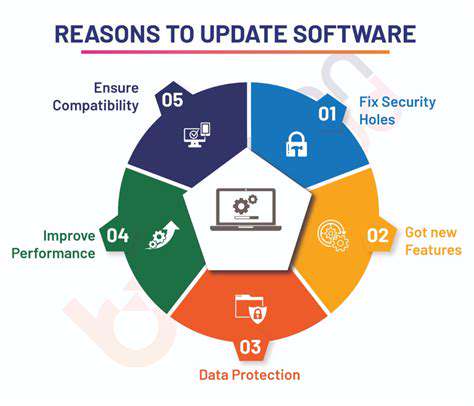
Security protocols cannot remain static; they require ongoing refinement and updates to protect against emerging threats. Regular software updates and security patches are essential to address vulnerabilities that hackers could exploit. Tech companies must be proactive, not reactive, in their security measures. For instance, a report from Ponemon Institute highlights that organizations that prioritize consistent security updates are 50% less likely to suffer a data breach.
In addition to technical measures, user education plays a critical role in data security. Companies should invest in training programs that inform users about best practices for managing their accounts securely. Simple tips, like recognizing phishing emails or utilizing strong passwords, can greatly enhance user vigilance. A well-informed user base serves as a strong line of defense against potential data threats.
Impact of Data Breaches on User Trust
The consequences of data breaches extend beyond immediate financial implications; they significantly damage user trust. A study from the Ponemon Institute notes that 63% of consumers would stop using a service if they experienced a data breach. Businesses that suffer from security incidents should have a comprehensive response plan, ideally including prompt communication with users about any breach and the steps taken to mitigate the damage.
Restoring user trust after a breach is challenging and often requires extra measures, like offering identity theft protection services to affected users. Tech companies must approach this process with transparency and dedication to securing their systems, demonstrating that lessons have been learned and that further breaches will be prevented in the future.
Innovation in User Data Management
Emerging technologies, such as blockchain and artificial intelligence (AI), offer innovative solutions to strengthen user data management. Blockchain's decentralized nature fosters greater user control over data while ensuring an immutable record of transactions, making it an appealing avenue for enhancing data security. Furthermore, AI-driven insights can help companies predict and thwart potential security threats before they escalate.
In addition to these technologies, machine learning can assist in identifying patterns in user behavior, allowing for tailored security protocols that adapt to how users interact with a service. Companies at the forefront of integrating these innovations will likely set the standard for user data management going forward, distinguishing themselves in an increasingly crowded marketplace.
Future Trends: Innovations in Data Handling
Advancements in Artificial Intelligence for Data Processing
Artificial intelligence (AI) has transformed the landscape of data processing significantly. Companies are investing heavily in machine learning algorithms that can analyze vast amounts of user data in real-time. This allows tech companies to tailor their services according to user behavior patterns, predicting needs and enhancing user engagement. As per a report by McKinsey, businesses implementing AI in their data practices saw a 20% increase in productivity.
Furthermore, the rise of natural language processing (NLP) enables organizations to deal with unstructured data, such as customer feedback or social media interactions. This fosters better understanding and quicker responses to user concerns, creating a more seamless experience for consumers.
Privacy-Preserving Technologies
In response to growing privacy concerns, tech companies are developing Privacy-Preserving Technologies, like differential privacy. This technique adds noise to data sets to ensure individual users can't be re-identified, thus enabling insights without compromising personal information. A study from the Harvard Business Review indicates that companies employing such strategies have seen a significant reduction in data breaches, fostering trust among users.
Decentralized Data Management Systems
Decentralized systems, such as blockchain technology, are gaining traction as a viable alternative for managing user data securely. These systems provide a transparent and immutable ledger that allows users to control their own data without centralization risks. In fact, a survey from Deloitte found that 40% of tech firms are exploring blockchain solutions for user data management, indicating a shift toward more secure data handling practices.
Real-time Data Analytics
The demand for real-time data analytics is escalating, with companies aiming to utilize insights as they become available. This allows for immediate adjustments to marketing strategies or customer service responses. According to a report by Statista, real-time analytics can increase profitability by over 5% for organizations that effectively leverage this capability.
IoT and User Data Collection
The Internet of Things (IoT) is reshaping how data is collected from users. Devices are becoming increasingly interconnected, generating streams of data that can offer insights about user habits and preferences. This integration brings new challenges, like ensuring the security of data transmitted across networks, but also provides neighbors an opportunity to enhance product services dramatically.
Moreover, IoT systems provide businesses with a granular view of user interaction that traditional data collection methods can't match. Companies must balance the benefits of this extensive data collection with user privacy concerns.
Data Ethics and Accountability Standards
With an increased focus on data ethics, organizations are establishing more robust accountability standards to govern data usage. Ethical frameworks guide companies in ensuring transparency, fairness, and user consent in the handling of data. Initiatives like the EU’s General Data Protection Regulation (GDPR) set benchmarks that many companies aspire to meet beyond legal compliance.
Furthermore, incorporating ethical data handling into corporate culture is becoming crucial. A survey by PwC revealed that nearly 70% of consumers would be more loyal to companies demonstrating ethical data practices.
Future of Data Integration Platforms
The future of data handling sees a significant shift towards integrated data platforms. These technologies allow for seamless data flows across different applications, enabling organizations to create a unified customer experience. A Forrester report highlighted that organizations utilizing integrated platforms reported higher efficiency and collaboration within their teams.
Moreover, these platforms leverage APIs for smooth interactions among different software applications, fostering innovation and agility in responding to market demands. As this trend grows, we can expect tech companies to optimize their data strategies for even more refined user experiences.
Read more about How Tech Companies Handle User Data
![Best Apps for Language Learning [2025]](/static/images/25/2025-05/Real-TimeCommunicationandCulturalImmersion.jpg)






Hot Recommendations
- How to Spot Fake Websites and Online Scams
- The Future of Cybersecurity with AI and Machine Learning
- How to Use [App] for Better Habit Tracking
- Best AI Writing Tools Reviewed [2025]
- Best Online Communities for Developers
- Best Budget Microphones for Podcasting
- How to Protect Yourself from SIM Swapping
- How to Improve Your Gaming Performance on PC
- Best Practices for Online Banking Security
- Review: The New [Specific Brand] Smart Lock Is It Secure?