Smartphone Security Features Reviewed
Understanding Biometric Technologies
Biometric Security encompasses various technologies that analyze unique physical or behavioral traits to authenticate users. Common examples include fingerprint recognition, facial recognition, and voice recognition. Current research emphasizes that these methods leverage advanced algorithms and machine learning, making them increasingly reliable in diverse lighting and environmental conditions.
According to a study by the International Journal of Information Security, the accuracy of Facial Recognition systems has improved to over 99% under optimal conditions. This significant advancement has made biometric systems not only practical but essential in reinforcing smartphone security, as typical password systems can be easily compromised.
Advantages of Biometric Security
One of the key advantages of biometric security is its convenience. Users no longer need to remember complex passwords; instead, they can quickly unlock their devices with a simple fingerprint or face scan. Moreover, biometric methods are less susceptible to theft or loss compared to traditional passwords, which can be intercepted or forgotten.
Additionally, with the ongoing rise in data breaches, biometric authentication provides an enhanced layer of security. A report by Cybersecurity Ventures predicts that by 2025, passwordless security methods will become the norm, further indicating the shift towards biometric technologies as a preferred security measure.
Challenges and Limitations
Although biometric security offers numerous benefits, it is not without challenges. One major concern is privacy; users must trust that their biometric data is stored securely and not misused. Recent incidents involving data breaches have raised alarm bells about the risks associated with unauthorized access to biometric databases.
Moreover, issues related to accessibility arise, particularly for individuals with disabilities or those whose physical traits may not register accurately with biometric systems. Ensuring inclusivity while maintaining security is a necessary balance that developers must achieve in future biometric innovations.
The Future Outlook of Biometric Security
Looking ahead, the landscape of biometric security is expected to evolve rapidly. Industry experts are exploring multi-factor authentication that combines biometrics with behavioral analytics, shaping a more comprehensive security framework. For instance, identifying user patterns such as typing speed and device movement could enhance security while maintaining user convenience.
Moreover, as artificial intelligence continues to improve, biometric systems will likely become smarter and more adaptive to varying conditions. Organizations are encouraged to stay informed about these technological advancements, as integrating next-generation biometric solutions can significantly fortify their smartphone security measures.
Encryption: Keeping Your Data Safe
Understanding Encryption Types
Encryption can be categorized into two primary types: symmetric and asymmetric encryption. Symmetric encryption uses the same key for both encryption and decryption, making it fast and efficient for large data sets. Conversely, asymmetric encryption employs a pair of keys: a public key for encryption and a private key for decryption, enhancing security but typically slowing the process. Understanding these differences is fundamental for selecting the appropriate encryption method for a given situation.
In practice, symmetric key algorithms like AES (Advanced Encryption Standard) are widely used for data at rest, whereas asymmetric algorithms such as RSA are prevalent in securing data in transit, like web communication. The choice ultimately depends on the specific requirements for speed and security of the application.
Importance of End-to-End Encryption
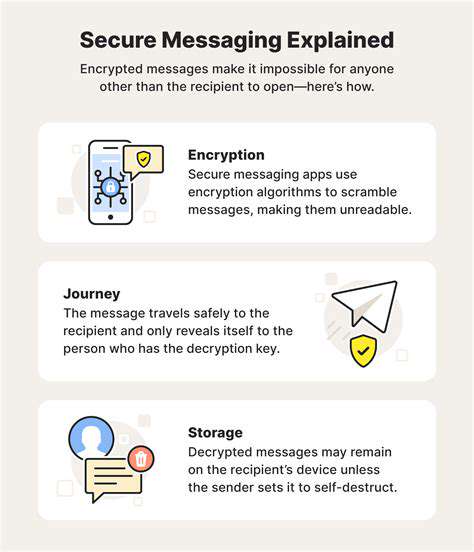
End-to-end encryption (E2EE) provides a significant layer of security for communications by ensuring that only the sender and the intended recipient can access the messages being exchanged. This is crucial for applications involving sensitive information, such as online banking or medical data. With E2EE, even service providers cannot decrypt the data, minimizing the risk of unauthorized access.
Research indicates that adopting end-to-end encryption significantly reduces the likelihood of data breaches, offering users peace of mind. Regularly updated applications that prioritize E2EE can assure users that their private communications remain confidential against potential cyber threats. Investing in such solutions is advisable for both individuals and businesses.
Securing Mobile Devices with Encryption
Mobile devices have become a primary target for cybercriminals due to the significant amount of personal information they house. Utilizing full-disk encryption features available on most smartphones enhances security considerably. This process encrypts all data stored on the device, making it nearly impossible for unauthorized users to access sensitive data in case the device is lost or stolen.
For instance, Apple's iOS and Google's Android operating systems have built-in encryption mechanisms that activate automatically when users set a passcode. These protective measures serve as a line of defense, but users should also combine encryption with strong passwords and biometric authentication methods for maximum security.
In addition to enabling device encryption, it is crucial to keep mobile operating systems updated. Each update often includes patches that enhance security features, ensuring that any vulnerabilities identified in previous versions are addressed.
Data Encryption in Cloud Storage
As more individuals and organizations turn to cloud storage solutions, the importance of data encryption in this environment cannot be overstated. Data at rest in cloud storage should always be encrypted to prevent unauthorized access. Most reputable cloud service providers offer encryption for stored data, but users should confirm this and consider implementing additional encryption tools for added security.
Research suggests that only 33% of organizations have a clear data encryption policy for cloud services, which is concerning given the increasing number of data breaches. Organizations should establish comprehensive policies that mandate encryption of sensitive data before uploading it to the cloud, thus safeguarding against potential leaks and losses.
Implementing Strong Encryption Practices
To ensure effective data security, it is essential to adopt solid encryption practices tailored to specific needs. This includes regularly updating encryption protocols, using strong, unique keys, and ensuring that encryption keys are stored securely. For instance, using key management solutions can greatly reduce the risks associated with lost or compromised encryption keys.
Additionally, organizations should conduct periodic security audits and vulnerability assessments to identify weaknesses in their encryption strategies. Implementing a strategy that combines both encryption and continuous monitoring helps create a robust security framework around sensitive information.
It's also essential for individuals to be educated about the importance of encryption and how to use it effectively. Simple measures, such as using apps that provide strong encryption for messaging, can significantly improve personal cybersecurity hygiene.
The Future of Encryption Technology
As technology evolves, encryption methods are also adapting to new challenges. With the emergence of quantum computing, traditional encryption techniques face potential vulnerabilities. Researchers are already working on post-quantum cryptography to develop algorithms resistant to quantum attacks.
The future of encryption will likely see increased integration of artificial intelligence and machine learning to enhance security measures. These technologies can help predict potential threats and adapt encryption strategies accordingly, providing a more proactive approach to data protection. Businesses and individuals should stay informed about these developments to ensure their encryption practices remain effective against emerging threats.
Regular Software Updates: A Critical Component of Security
Importance of Timely Updates in Cyber Threat Mitigation
Software Vulnerabilities are frequently exploited by cybercriminals, making regular updates essential to shield devices from potential security breaches. According to a 2022 report by Cybersecurity Ventures, ransomware attacks alone are expected to cost businesses upwards of $265 billion annually by 2031. Timely software updates close security loopholes, thus reducing the risk of exploitation and enhancing overall device resilience. Without prompt updates, smartphones may fall prey to various threats, including malware and unauthorized access.
Every patch released by operating system providers often addresses critical vulnerabilities that have been discovered and reported since the last update. Keeping your smartphone updated ensures that these security measures are actively applied. For instance, Google’s Android frequently rolls out updates that specifically target loopholes that hackers have begun to exploit. Therefore, neglecting these updates can result in significant risks not only to the user but also to their personal data and privacy.
Best Practices for Managing Software Updates
To manage software updates effectively, users should enable automatic updates whenever possible. This feature helps ensure that the latest security patches are installed promptly, reducing the burden on the user and lowering the chances of missing vital updates. However, users should also remain aware of their devices' update notifications, as some updates may require manual intervention for installation.
Additionally, users should regularly check settings related to update preferences, such as choosing between Wi-Fi-only downloads or allowing updates over cellular networks. Also, it's considered best practice to keep a backup of important data before major updates, as unforeseen issues occasionally arise during the update process. By actively managing these settings, users can significantly enhance their device's security posture.
App Permissions and Management: Control Your Privacy

Understanding App Permissions
When you download an app, it often requests certain permissions that allow it to access various features of your smartphone. Each permission grants the app specific capabilities, such as Accessing your camera, microphone, or location data. This access can substantially enhance the app's functionality, but it also raises privacy concerns.
For example, a weather app may need your location to provide accurate forecasts. However, does it really need to access your contacts? Understanding the purpose behind permission requests can help you make informed decisions before granting access.
Managing App Permissions on Your Device
Both Android and iOS devices allow users to manage app permissions through settings. Accessing this feature is straightforward; simply navigate to the 'Settings' menu, select 'Apps' or 'Privacy,' and review permissions.
- Android: Go to Settings > Apps > Select App > Permissions
- iOS: Go to Settings > Privacy > Select Permission Type
By regularly reviewing permissions, you can revoke unnecessary access rights. This proactive approach not only protects your privacy but can also Enhance device performance as apps no longer process unnecessary data.
The Risks of Overly Broad Permissions
Many apps request more permissions than they require, which can pose security risks. For instance, a simple note-taking app asking for camera and microphone access can be suspicious. Always consider whether the permissions align with the app’s primary function.
Furthermore, security breaches and data leaks have become common. Studies show that over 60% of apps do not handle user data securely, leaving sensitive information exposed to unauthorized access. By limiting permissions, you can reduce the risk of potential data misusage.
Best Practices for App Permissions
Adopting the right strategies for managing app permissions is essential for maintaining privacy. First, only download apps from trusted sources like the Google Play Store or Apple App Store. Conduct periodic permission audits for existing apps and remove those that don't need extensive access.
Consider integrating third-party security apps that offer enhanced permission management features. These tools can monitor app behavior and alert you to suspicious activity effectively.
The Future of App Permissions
As technology evolves, so too does the landscape of app permissions. Developers are increasingly urged to adopt privacy-by-design principles, resulting in apps that minimize permission requests to essential functions. This trend is expected to become the norm, influencing user trust and adoption rates.
Additionally, regulatory frameworks are taking shape to enforce stricter guidelines on app permissions and data privacy. For instance, the General Data Protection Regulation (GDPR) emphasizes user consent and the clarity of data usage, promising more control over personal information. This can potentially transform the way users interact with mobile applications in the future.
Backup and Recovery Options: Safeguarding Your Data

Understanding Backup Types
There are several methods to back up data, and it's crucial to understand these different types. Common options include cloud storage, local storage, and hybrid backup solutions. Each type offers unique benefits and drawbacks, depending on your specific needs and circumstances. For instance, cloud storage is convenient, as it allows access from anywhere, but it does depend on internet connectivity.
Local storage, while offering security and control, limits access to the physical location of the backup. Hybrid solutions combine the best of both worlds, providing secure local backups while allowing off-site data safety. Choosing the right type can significantly impact your overall data security strategy.
Choosing Cloud Storage Options
Cloud storage has gained popularity due to its ease of use and accessibility. Several major players in this space include Google Drive, Microsoft OneDrive, and Dropbox. When selecting a cloud provider, consider aspects such as storage space, security measures, and cost implications. Some providers offer free tiers, but if your data needs grow, you may need to invest in premium subscriptions.
Evaluating the service-level agreements (SLAs) of these providers can also provide insight into their reliability and customer support, which are pivotal during crisis management scenarios.
Local Backup Solutions
Local backups involve using external storage devices such as USB drives, hard disks, or Network Attached Storage (NAS). These methods are often favored for their speed and lack of ongoing costs. Popular choices include Western Digital and Seagate external drives, which offer high capacity and reliability. However, the downside lies in theft or hardware failure, so physical security remains key. Regularly updating these backups is crucial to ensure you’re not left with outdated data during recovery.
Hybrid Approaches: The Best of Both Worlds
- Combines local and cloud solutions for optimal security.
- Minimizes the risk of data loss through multiple recovery points.
- Ensures access to recent data while keeping crucial information safe.
A hybrid backup strategy leverages the strengths of both local and cloud solutions. This approach not only ensures that your data is safe but also allows for flexible restoration processes. Many businesses are adopting this strategy to mitigate risks associated with data loss while enjoying the benefits of quick access to backups.
Recovery Strategies for Data Loss
Having a solid recovery plan is as crucial as the backup itself. When data loss occurs, time is of the essence. Therefore, it is vital to clearly outline your recovery steps beforehand. Quick restoration options can minimize downtime, especially for businesses that depend heavily on data. Documenting these procedures can make all the difference when every second counts during a crisis.
Using Encryption for Security
Security should be a priority in both backup and recovery processes. Using encryption for backups ensures that even if data is compromised, it remains inaccessible to unauthorized users. Software solutions like VeraCrypt or BitLocker allow users to encrypt entire drives effectively. Establishing a robust encryption process can protect sensitive information across all backup scenarios, making it more challenging for cybercriminals to exploit.
Regularly Updating Your Backup Plan
Once a backup plan is established, regular reviews are necessary to keep pace with changing technologies and data requirements. Businesses especially should schedule frequent assessments to ensure their backup frequency aligns with their data update frequency. For personal users, at least a quarterly review is recommended, particularly as new apps or devices and data sources are added. Staying proactive about these reviews can help avoid situations where outdated backups lead to additional headaches.
Read more about Smartphone Security Features Reviewed
![How to Protect Your Data Online [Ultimate Guide]](/static/images/25/2025-05/BeyondtheBasics3ADataPrivacyandSecurityBestPractices.jpg)



Hot Recommendations
- Introduction to Cloud Development Platforms (AWS, Azure, GCP)
- Best Free Security Tools for Your PC in 2025
- The Basics of Digital Signatures
- How to Create a Strong Backup Strategy
- How to Safely Use Public Wi Fi
- Best Gaming Mouse for FPS & MOBA Games
- How to Create a Strong Home Wi Fi Password
- Essential Apps for Your New Windows Laptop
- The Basics of Internet Security for Home Users
- Introduction to Machine Learning for Programmers