Smartwatch vs Fitness Tracker Differences

Key Features of Smartwatches
Smartwatches are packed with various features that go beyond mere timekeeping. They typically include notifications for calls, texts, and emails, allowing users to stay connected right from their wrist.
Moreover, many models incorporate GPS functionality, which is particularly beneficial for outdoor enthusiasts who enjoy hiking or running.
- Notifications for calls, texts, and emails
- GPS functionality for navigation and tracking
- Compatibility with numerous apps and services
Core Functions of Fitness Trackers
Fitness Trackers focus primarily on health and exercise metrics. They are designed to monitor heart rate, steps walked, calories burned, and even sleep patterns, providing users with insightful data about their physical activity.
The simplicity of fitness trackers makes them user-friendly, aimed at encouraging users to maintain a consistent exercise routine. Notably, the Core purpose of these devices is to assist in achieving fitness goals.
Health Monitoring Capabilities
Both smartwatches and fitness trackers come equipped with heart rate monitoring; however, the methods of data collection can differ significantly. Smartwatches often integrate advanced sensors that measure heart rate variability, while fitness trackers generally focus on continuous heart rate tracking during workouts.
Furthermore, certain fitness trackers also monitor additional metrics like SpO2 levels, offering a more comprehensive overview of an individual's health status. This can be particularly crucial for users managing specific health conditions.
Application and Compatibility
Smartwatches offer greater versatility in terms of app compatibility. Many can sync with a wide range of applications, enabling users to customize their experience according to their preferences. This feature enhances the functionality of smartwatches since users can access everything from productivity tools to streaming services.
Conversely, fitness trackers focus on fewer, more targeted applications, ensuring that users remain aligned with their fitness objectives without unnecessary distractions.
Battery Life Comparison
Battery Life is a crucial consideration when comparing these two devices. Generally, fitness trackers boast a longer battery life, often lasting several days depending on usage. This extended duration is partly because their functionalities are more focused on fitness tracking.
On the other hand, smartwatches often require more frequent charging, sometimes needing a recharge every day or two, especially when heavy applications and notifications are in use. Users might find this aspect critical when selecting between the two.
Pricing Strategies
When it comes to price, fitness trackers usually represent a more budget-friendly option starting at around $50, depending on features and brand. This accessibility makes them appealing for those new to fitness or casual users.
In contrast, smartwatches can range significantly in price, often starting from $200 and going up. Investing in a smartwatch can be justified by its multifunctional capabilities, making it suitable for a broader range of users.
Conclusion: Making an Informed Choice
Choosing between a smartwatch and a fitness tracker largely depends on an individual’s lifestyle and preferences. If you prioritize fitness and health data, a fitness tracker may be the better choice due to its specialized functions.
However, for those who seek a comprehensive wearable that integrates seamlessly with daily tasks and technology, a smartwatch is likely the more suitable option. It's essential to consider what features align most closely with your individual needs before making a purchase.
User Experience and Interface
Design and Aesthetics
The visual appeal of a smartwatch or fitness tracker can significantly influence purchasing decisions. A study by Deloitte found that 36% of consumers prioritize design when selecting wearable technology. Smartwatches typically offer a wider variety of styles and colors, appealing to fashion-conscious users. In contrast, fitness trackers often focus on functionality over aesthetics.
Manufacturers like Apple and Garmin provide customizable watch faces and bands, enabling users to personalize their devices. This factor is essential since many wearables are used daily and often serve as a reflection of the wearer’s personal style. For fitness trackers, the design tends toward minimalism, making them lighter and less obtrusive during workouts.
User Interface and Functionality
Smartwatches usually feature a more complex user interface than fitness trackers, as they are designed to handle a variety of applications, notifications, and interactions. According to research from Statista, about 70% of smartwatch users appreciate features like text messaging, calling, and email capabilities. This multifunctionality sets smartwatches apart as they serve as an extension of smartphones.
Fitness trackers, on the other hand, generally offer simplified interfaces that focus on health metrics such as heart rate, steps, and calorie tracking. Users often prefer this straightforwardness, which allows for quick access to workout data. Brands like Fitbit provide easy-to-read screens, which ensure that users can glance at their health stats without distraction during intense activities.
Integration with Other Devices
The integration ability of wearables with other devices is crucial for enhancing user experience. Smartwatches often sync seamlessly with smartphones, allowing notifications from a range of apps to be displayed directly on the device. This feature enables users to remain connected without constantly checking their phones, which can enhance productivity during daily tasks.
In contrast, while fitness trackers also connect to mobile apps, the integration mainly revolves around health data analysis. Most fitness trackers sync with dedicated applications to track workouts, sleep, and nutrition. This data-centric approach benefits users focused on fitness goals, making it easier to monitor progress over time.
Software and App Ecosystem
The software that powers smartwatches generally offers a more extensive app ecosystem compared to fitness trackers. For instance, platforms like Wear OS and watchOS host a variety of third-party applications, allowing users to customize their experience significantly. According to a report from Counterpoint Research, this extensive ecosystem is a major selling point for 62% of smartwatch buyers who value diverse functionality.
Conversely, fitness trackers focus primarily on health and exercise-related apps. While they lack the breadth of applications found on smartwatches, the apps available for fitness trackers are often highly specialized. These applications gather data and provide insights that can effectively support users’ health goals, emphasizing quality over quantity in terms of features.
Design and Wearability

Design Aesthetics of Smartwatches
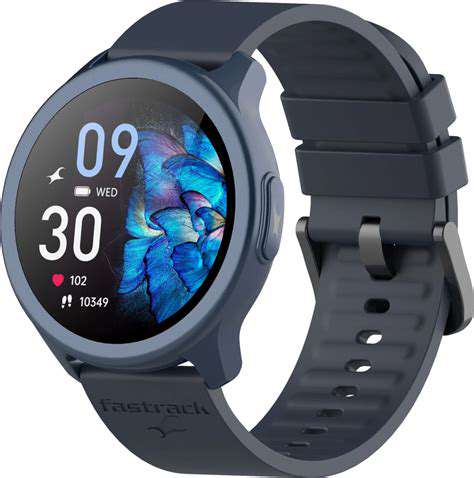
Smartwatches often showcase a blend of style and functionality. They are typically designed with larger screens and customizable watch faces, allowing users to express their personal style while enjoying advanced features. This Versatility in design appeals to a wider audience, from fashion enthusiasts to tech-savvy users.
Many smartwatches are equipped with luxurious materials like stainless steel, ceramic, or even gold, which enhance their aesthetic appeal. For instance, brands like Apple and Samsung offer premium variants that not only serve as a communication hub but also as a fashion statement, making them suitable for both casual and formal occasions.
Wearability of Fitness Trackers
Fitness trackers, on the other hand, tend to favor practicality over aesthetics. Designed primarily for fitness enthusiasts, they often feature a slim, lightweight form factor that can be easily worn throughout the day and night. This emphasis on wearability is crucial, as many users prefer devices that they can forget are on their wrists while tracking their activity.
Most fitness trackers prioritize comfort with softer materials and adjustable bands, often catering to various wrist sizes. The discreet designs make them ideal for gym workouts and outdoor activities where a bulkier device might get in the way.
Functional Differences Influencing Design Choices
The functionality of smartwatches often requires more robust designs to accommodate advanced screens and features like GPS, notifications, and app integration. In contrast, fitness trackers focus primarily on activity monitoring and health metrics, simplifying their design to enhance battery efficiency and comfort during physical activities. This functional disparity reflects how design is closely aligned with intended use.
For example, while a smartwatch might include a color touchscreen with multiple applications, a fitness tracker might use a single monochrome display focused on showing time, step count, and heart rate data. This distinction informs how manufacturers approach design, even resulting in different target demographics.
User Preferences and Their Impact on Design
User preferences significantly influence the design and wearability of both smartwatches and fitness trackers. Surveys and studies indicate that younger audiences often gravitate toward stylish smartwatches with extensive connectivity features, whereas older individuals or fitness enthusiasts might prioritize comfort and simplicity found in fitness trackers. Understanding these preferences allows manufacturers to tailor their products more effectively to meet diverse consumer needs.
Moreover, emerging trends show a growing market for hybrid devices that combine the best features of both categories. These products appeal to a wider audience by offering versatile options that don't sacrifice functionality for style, making it increasingly important for brands to innovate continuously in design and usability.
One of the primary ways that stress influences tension headaches is through muscle tension. When under stress, individuals often unknowingly tighten the muscles in their neck and scalp, which can lead to discomfort and subsequently trigger a headache. This muscle tightness can become a habitual response to stress, making it harder to alleviate symptoms.
Battery Life: Who Lasts Longer?
Understanding Battery Capacities in Smartwatches
Smartwatches typically come equipped with advanced technology, which can substantially impact their battery life. Most models today operate on lithium-ion batteries, with capacities ranging from 200mAh to 400mAh. While features like GPS, heart rate monitoring, and notifications can drain power quickly, many smartwatches are designed for all-day use, often offering around 18 to 24 hours of battery life on a single charge, depending on usage patterns.
A major factor influencing battery longevity is how these devices are utilized. For instance, continuous use of features such as GPS for outdoor activities can significantly decrease runtime. According to a study conducted by the Consumer Electronics Association, smartwatches with optimized energy-saving modes can extend their battery life by up to 30% under certain conditions. Thus, users should consider their specific needs when selecting a device for their lifestyle.
Fitness Trackers: Optimized for Extended Usage
In contrast to smartwatches, most fitness trackers focus on core functionality, emphasizing health and activity monitoring. Their batteries generally have larger capacities relative to their power-hungry features. Many fitness trackers can last from 5 days up to 2 weeks on a single charge. This longevity is largely due to the absence of demanding applications like customizable displays and notifications, which are commonplace in smartwatches.
For example, devices from brands like Fitbit often incorporate basic OLED displays that consume less power, allowing for prolonged usage without frequent recharging. Studies from TechRadar highlight that fitness trackers are likely to be more suitable for users who prioritize endurance and daily health tracking over the multifunctional capabilities of smartwatches. Overall, if battery life is a primary concern, opting for fitness trackers may provide a more satisfying user experience.
Price Range: What to Expect

Overview of the Price Spectrum
In the realm of wearable technology, the Price range varies significantly between smartwatches and fitness trackers. Entry-level options can be found as low as $30 for basic fitness trackers, while high-end smartwatches can exceed $1,000.
This extends beyond hardware specifications to include features, brand reputation, and software capabilities. Consumers must weigh these factors to understand the overall value of their investment.
Entry-Level Devices: Budget-Friendly Options
For those on a budget, many reputable brands offer entry-level fitness trackers priced between $30 and $100. These devices typically provide basic tracking features such as step counting and sleep monitoring, making them an attractive choice for casual users.
In contrast, entry-level smartwatches might start around $100, but may lack the advanced functionalities that justify the higher price. Users keen on GPS or app functionality should note these differences carefully.
Mid-Range Choices: Balancing Features and Price
- Prices for mid-range fitness trackers generally fall between $100 and $300.
- Smartwatches in this category often offer more sophisticated health and connectivity features.
- Brands like Fitbit and Garmin stand out in this price segment.
Mid-range fitness trackers often include heart rate monitoring, notification alerts, and improved battery life, making them a solid choice for fitness enthusiasts. Smartwatches in this range will typically feature touch screens and compatibility with various apps. Choosing between the two will largely depend on individual user needs.
High-End Devices: Premium Features for Power Users
High-end fitness trackers can cost as much as $400, with features that include advanced biometrics and seamless integration with fitness apps. These premium devices often appeal to serious athletes who demand utmost accuracy and extensive data.
On the other hand, premium smartwatches—priced upwards of $500—offer extensive functionalities, including mobile payment options, music storage, and expansive app ecosystems. These top-tier devices cater to users seeking a comprehensive smartwatch experience.
Long-Term Investments: Durability and Software Updates
In assessing price, it's essential to consider the durability and ongoing software support of a device. More expensive models tend to offer longer-lasting materials, which can significantly enhance the longevity of your investment.
For both smartwatches and fitness trackers, receiving regular software updates can keep the device relevant longer. Many brands offer better support for high-end products, making them more appealing over time if you plan to keep the device for years.
Conclusion: Finding the Right Fit for Your Budget
Ultimately, understanding the price range for both smartwatches and fitness trackers can guide your decision based on budget and needs. Consider what features are most valuable to you and how often you'll utilize them before making a purchase. Equipment like fitness trackers or smartwatches can significantly enhance your health and lifestyle if chosen correctly.
Conducting research and reading user reviews might help in identifying the right device for your requirements. A clear grasp of the price spectrum ensures an informed investment.
Read more about Smartwatch vs Fitness Tracker Differences
![Best Password Managers Compared [Security & Features]](/static/images/25/2025-05/AdditionalFeaturesandUserExperience.jpg)

![Top Browser Extensions for Chrome & Firefox [2025]](/static/images/25/2025-05/OptimizingYourBrowsingExperiencewithCustomizationandEfficiency.jpg)





Hot Recommendations
- How to Create a Strong Backup Strategy
- How to Safely Use Public Wi Fi
- Best Gaming Mouse for FPS & MOBA Games
- How to Create a Strong Home Wi Fi Password
- Essential Apps for Your New Windows Laptop
- The Basics of Internet Security for Home Users
- Introduction to Machine Learning for Programmers
- 7 Apps That Will Change How You Work
- Reviewing the Newest Drone for Beginners
- Best Free CRM Software for Startups and Small Teams