Future Smartphone Innovations
Contents
- Foldable displays revolutionize smartphones, enhancing portability and viewing area.
- Rollable displays maintain flat surfaces, improving durability and user experience.
- Current technologies face limitations in durability and user adaptation.
- User experience critical for foldable device adoption and market growth.
- Augmented reality enhances e-commerce, education, and overall user engagement.
- AI integration personalizes user experience and improves smartphone functionality.
- Lithium-sulfur batteries promise higher energy density for longer smartphone usage.
- Solid-state batteries ensure greater safety and efficiency in smartphones.
- Eco-friendly materials reduce environmental impact in smartphone manufacturing.
- Modular designs promote sustainability by reducing electronic waste.
1. Foldable and Rollable Displays

Current State of Foldable Displays
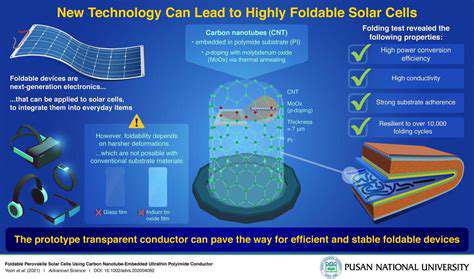
Foldable displays are currently revolutionizing the smartphone market, offering Enhanced functionality and unique form factors. Major brands like Samsung and Huawei have been at the forefront, launching devices with flexible screens. These innovations not only enhance portability but also provide a larger viewing area when unfolded. Market research indicates that by 2025, foldable smartphones could account for up to 20% of the global smartphone market share.
Technology Behind Rollable Displays
Rollable display technology is a newer contender, utilizing advanced OLED technology to allow screens to expand and contract. Unlike foldable displays, which crease at the bending point, rollable designs maintain a flat surface, offering improved durability. This could significantly prolong the lifespan of the device, addressing a common consumer concern. Companies like LG have been experimentally showcasing rollable TV models, hinting at the technology's potential in the smartphone sector as well.
Limitations of Current Technologies
Despite their promise, both foldable and rollable displays come with limitations that need addressing. Issues like screen durability, crease visibility, and software optimization for different form factors pose challenges. Developers must ensure that apps are compatible with variable screen sizes, which requires extensive testing and updating. Furthermore, the manufacturing costs are higher, which may reflect in the retail prices of these innovative devices.
Another concern is the actual User experience; many consumers still prefer traditional designs due to their simplicity and hassle-free usage.
User Experience and Adoption Rates
User feedback has revealed mixed feelings about the practicality of foldable devices. Some users praise the unique designs and multi-tasking opportunities, while others criticize issues such as bulkiness or difficulty fitting in pockets and bags. Moreover, rollable displays, still in their infancy, require further user interaction to build confidence in their everyday usability.
- Foldable displays enhance portability but may be cumbersome for some users.
- User experience can significantly affect adoption rates, demanding careful consideration from manufacturers.
- Long-term usability remains a critical area for improvement and innovation.
Market Trends and Predictions
The smartphone market is in a transition phase, with foldable and rollable displays gaining traction among tech enthusiasts and early adopters. Analysts project steady growth in this segment, driven by the increasing demand for multifunctional devices. Emerging technologies will likely align with consumer desires for enhanced versatility and improved design aesthetics. As manufacturers refine their technologies, we could witness a dramatic rise in consumer acceptance through innovative offerings.
Sustainability Considerations
As with any technological advancement, sustainability remains a critical theme in the production of foldable and rollable devices. Manufacturers face scrutiny regarding the environmental impact of their materials and processes. Some companies are beginning to adopt eco-friendly materials and recycling programs, recognizing that today's consumers are increasingly concerned about sustainability.
Future innovations must prioritize not only technological enhancements but also sustainable practices to ensure a minimal environmental footprint and increased public approval.
Future Innovations and Developments
The horizon for foldable and rollable displays is bright, with potential enhancements on the way. Research into more resilient materials, such as graphene, is ongoing, aiming to create screens that are both flexible and resistant to damage. In addition, software advancements that allow seamless transitions between states will be vital for maximizing the utility of these devices.
Expect innovations in battery technology and wireless charging capabilities, which will complement the new display designs. The convergence of these technologies will undeniably shape the next generation of smartphones, promising a blend of performance, aesthetics, and user convenience.
2. Advanced AI and Machine Learning Integration
Enhancing User Experience Through Personalization
Smartphones are not just communication devices but personalized tools that adapt to individual preferences. Advances in AI are enabling smartphones to learn from user habits and preferences to present tailored content. For instance, machine learning algorithms analyze usage patterns, leading to improved recommendations for apps, music, and even news articles. The more users interact with their devices, the more these algorithms refine their accuracy.
This level of personalization can significantly enhance user satisfaction. A recent study by Deloitte found that over 80% of consumers prefer personalized experiences when using technology. Thus, mobile manufacturers are focused on integrating these advanced algorithms directly into the operating systems for seamless adaptation.
Smart Predictive Text and Voice Recognition
Predictive text and voice recognition features have evolved, thanks to machine learning models that understand context better than ever. New algorithms can analyze the way users type and speak, adapting to individual linguistic patterns to provide timely suggestions. Google's Gboard, for example, employs such systems to enhance typing speed and accuracy, reducing cognitive load on users significantly.
While previous iterations of voice recognition technology often led to frustration due to misinterpretations, contemporary systems have shown remarkable improvement. AI-driven technologies now achieve over 95% accuracy in recognizing commands in natural language, which opens doors to a wide array of functionalities, from simple task management to interactive gaming. This shift beckons a future where human-device communication feels more intuitive.
However, developers must remain vigilant about privacy concerns while collecting and analyzing personal data to fuel these features. Transparency in how data is utilized will be crucial to gaining user trust in the long run.
Automated Photography Enhancements
AI integration has revolutionized smartphone photography, transforming how users capture images. Features like scene recognition, depth mapping, and low-light enhancements rely heavily on machine learning algorithms. Phones can now automatically adjust settings based on the environment, ensuring that users take the best possible shots regardless of their technical expertise.
Brands like Apple and Samsung have invested in robust AI systems that curate professional-grade photos by employing techniques akin to those used in traditional photography. A 2022 Adobe survey indicated that 60% of users consider camera quality a significant factor influencing their smartphone purchase decisions. As a result, AI-driven enhancements not only appeal to casual users but encourage photography enthusiasts to explore the capabilities of their devices.
Enhanced Security Features with AI
AI's role in smartphone security cannot be understated. With the growing prevalence of cyber threats, integrating machine learning techniques is becoming standard practice for securing personal devices. Advanced biometric systems utilize facial recognition or fingerprint scanning that learns over time, improving accuracy and reliability in varied lighting conditions and angles.
For instance, facial recognition technology is evolving towards a more secure, three-dimensional analysis, which mitigates risks from spoofing attempts. Companies like Google and Apple have made strides in ensuring these systems are not only user-friendly but also robust against potential breaches. According to a report from the Cybersecurity and Infrastructure Security Agency (CISA), the use of biometric authentication can reduce unauthorized access by over 90%, emphasizing the crucial role AI has in enhancing mobile security.
AI-Driven Battery Management Systems
Battery life remains a primary concern for smartphone users, leading to increased investment in AI-driven battery management. Machine learning algorithms can analyze usage patterns to optimize power consumption effectively. For instance, the AI feature may decrease performance for non-essential apps during periods of low battery, extending the overall life of the device.
Research by the National Renewable Energy Laboratory highlights that smart power management can conserve up to 30% of battery life in mobile devices. Manufacturers are leveraging this potential to enhance longevity while ensuring performance remains up to par. As users become more reliant on their devices, efficient battery usage will remain a pivotal area ripe for innovation.
Future Implications and Trends
The integration of AI and machine learning in smartphones is not just a fleeting trend; it represents the future of mobile technology. As these systems become more sophisticated, we can expect to see advancements like contextual computing, where smartphones can anticipate user needs before they even make a request. This proactive style of operating could redefine how users interact with their devices in everyday life.
Furthermore, the collaboration between hardware and software developers will be crucial. With AI increasingly embedded in smartphone chipsets such as Apple’s A-series and Qualcomm’s Snapdragon processors, we are poised to see unmatched performance levels and capabilities in future smartphones. The coming years will definitely unfold exciting innovations, but it will be important for developers to maintain user trust by prioritizing ethical considerations in AI applications.
3. Enhanced Battery Technology
Advancements in Lithium-Sulfur Batteries
Lithium-sulfur (Li-S) batteries are emerging as a revolutionary solution for smartphones, offering a significantly higher energy density compared to traditional lithium-ion batteries. Recent studies have shown that Li-S batteries can potentially store up to five times more energy, allowing for longer usage between charges. This enhancement not only improves user convenience but also addresses long-standing concerns about battery longevity in fast-paced, tech-driven environments.
Furthermore, improvements in the efficiency of sulfur cathodes have led to increased cycle stability, reducing the degradation commonly seen in existing battery technologies. According to research published in the journal *Nature Energy*, these advancements could lead to commercial products by as early as 2025. Smartphone manufacturers are now considering integrating Li-S batteries into their designs, which could prompt a significant shift in consumer behavior and expectations regarding battery performance.
Solid-State Battery Innovations
Solid-state batteries represent the next frontier in battery innovation, incorporating solid electrolytes instead of liquid ones. This shift not only enhances safety by reducing the risk of leaks or explosions but also allows for greater efficiency and energy storage. Companies like QuantumScape have reported promising results from their solid-state prototypes, which they claim can achieve over 800 cycles without significant capacity loss, a game changer for the smartphone industry.
By 2030, it’s estimated that Solid-state technology could account for nearly 30% of the battery market, largely due to its potential for faster charging times and increased energy capabilities. As a result, smartphone manufacturers are likely to invest heavily in this technology, possibly integrating it into flagship models to meet consumer demand for quicker charging and longer-lasting devices. This transition not only reflects the advancement of battery technologies but also points toward a future with more reliable and efficient smartphones.
4. Seamless Augmented Reality Integration
Enhancing User Experience with AR
Augmented Reality (AR) has the potential to revolutionize user experience by providing interactive layers of information that enhance everyday tasks. For instance, AR applications can overlay navigation prompts directly onto a live view of the street, guiding users as they navigate unfamiliar cities. This immediate integration reduces the friction typically associated with using phone applications while on the move.
Additionally, studies have shown that users retain information more effectively when presented visually alongside their physical environment. A recent survey indicated that 76% of users reported feeling more engaged with their tasks when using AR applications. Companies must consider these statistics when developing tools that leverage AR technology, ensuring that user engagement remains a top priority.
Augmented Reality in E-commerce
The e-commerce sector stands to benefit significantly from AR integration. With AR, consumers can visualize products in their own space before making a purchase, which is particularly useful for items like furniture or home decor. According to a report from Shopify, businesses utilizing AR have noted a 94% higher conversion rate, underscoring the technology’s capacity to bridge the gap between online shopping and in-person interaction.
Moreover, AR allows consumers to see how clothing might fit without trying it on physically, using their device's camera to create a virtual fitting room experience. As this technology matures, retailers should invest in AR capabilities to enhance customer satisfaction and reduce return rates associated with online purchases.
AR for Educational Applications
Education is another field that can leverage AR to enhance learning outcomes. From virtual science labs to interactive history timelines, AR can bring educational content to life, making complex subjects more relatable. Research from Stanford University highlighted that students who use AR tools show a 40% increase in engagement and retention compared to traditional learning methods. This indicates a significant shift in how educational institutions may approach curriculum development and student interaction.
The Future of AR Technology in Smartphones
As smartphone hardware continues to evolve, the capabilities for AR applications are expected to grow exponentially. Future devices may feature advanced sensors and processors that can handle more intensive AR applications with greater fluidity. For instance, Apple has begun incorporating LiDAR technology into their devices, which enhances depth perception and realism in AR experiences, suggesting a trend toward high-fidelity AR interactions.
Looking ahead, we may also see collaboration between AR developers and hardware manufacturers to create dedicated AR devices. This could lead to innovations such as smart glasses that integrate seamlessly with smartphones, making everyday tasks even more efficient and engaging. Companies need to be forward-thinking and proactive, ready to adapt to the changing landscape driven by AR advancements.
5. Sustainable Materials and Eco-Friendly Designs
Understanding Sustainable Materials in Smartphones
The incorporation of Sustainable materials in smartphone manufacturing has become a pressing priority for the tech industry. Traditional materials, like plastic, have a significant environmental impact throughout their life cycle. In contrast, many manufacturers are now exploring options such as bioplastics, recycled metals, and sustainably-sourced wood. These alternatives not only lessen environmental harm but often improve the product's overall design aesthetic and durability.
A report from the Global Sustainability Institute highlights that using recycled aluminum can save up to 95% energy compared to using virgin aluminum. This considerable reduction in energy consumption makes a tangible case for manufacturers to shift towards recycled materials. By implementing sustainable sourcing strategies, producers can also resonate more effectively with conscious consumers who prefer environmentally-friendly options.
Eco-Friendly Design Trends in Future Smartphones
As consumer demand for greener technology grows, Eco-friendly designs are emerging as a trend among leading smartphone brands. This includes modular designs that allow for easy repairs and upgrades, which significantly reduce electronic waste. Companies like Fairphone have pioneered this approach, prioritizing longevity and recyclability by enabling users to replace individual components rather than discarding the entire device.
Another significant trend is the development of phones with energy-efficient technologies such as solar charging capabilities. This innovation not only extends the phone's usability in off-grid situations but also speaks to a broader commitment to sustainability by decreasing reliance on traditional charging methods. It's imperative for companies to integrate these features to align with future consumer preferences.
Furthermore, consumers show a willingness to pay a premium for sustainable products. A survey conducted by the Consumer Electronics Association found that over 70% of respondents indicated they would favor brands that emphasize sustainability in their product development processes. Adapting to this demand could lead to significant market advantages.
Future Innovations in Eco-Friendly Smartphone Technology
Looking ahead, the future of eco-friendly smartphone technology is ripe with possibilities. Emerging innovations like biodegradable smartphone cases and accessories are starting to make an appearance. These products utilize innovative materials that naturally decompose over time. Companies experimenting with such materials could lead to a substantial reduction in plastic waste, marking a significant shift in how consumer electronics are viewed in terms of environmental footprint.
Furthermore, research institutions are actively exploring the potential of smartphone components derived from organic materials, indicating a promising future where everything from circuit boards to batteries may be produced using agricultural byproducts. This line of research not only holds potential for reducing environmental impacts but also for creating a circular economy supporting sustainable practices.
Continuous research and collaboration between tech companies and environmental organizations will be pivotal in driving adoption of these sustainable innovations. Implementing policies that encourage responsible manufacturing practices could solidify the intertwining of technological advances with ecological preservation, paving the way for future smartphone innovations that inspire both functionality and sustainability.
Read more about Future Smartphone Innovations

![Best Password Managers Compared [Security & Features]](/static/images/25/2025-05/AdditionalFeaturesandUserExperience.jpg)







Hot Recommendations
- How Software Defines Modern Hardware
- Best Laptops for Battery Performance
- Smart Home Buying Guide
- The Role of AI in Consumer Electronics
- Smart Speakers Reviewed
- Future of Wireless Networking
- Best Gaming Accessories for Competitive Play
- Laptops for Programming Compared
- Headphones vs Earbuds: Which Should You Buy
- Gaming Mice Compared: Sensors and Ergonomics