Studio Headphones vs Consumer Headphones Explained
Key Features of Consumer Headphones
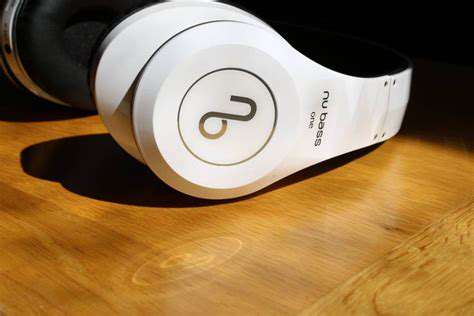
Consumer headphones are primarily designed to enhance the listening experience for general audiences. They often prioritize bass response, which many users prefer for genres like pop, hip-hop, or electronic music. This is achieved through specific tuning that highlights lower frequencies, making tracks sound energetic and engaging.
Another critical aspect of consumer headphones is their portability. Many models are lightweight and foldable, allowing users to easily carry them around. This feature is especially beneficial for students or commuters who enjoy listening to music or podcasts while on the go.
- Emphasis on bass response for a more lively listening experience.
- Lightweight and portable designs for easy transport.
- Variety of styles, including over-ear, on-ear, and in-ear options.
- Greater accessibility regarding price and availability for the general public.
Sound Quality Considerations
When it comes to sound quality, consumer headphones can vary significantly in performance. While some budget-friendly models deliver acceptable audio quality, higher-end consumer headphones can rival studio equipment in clarity and detail. Furthermore, advancements in technology, such as active noise cancellation, have markedly improved the listening experience.
However, it's important to note that the audio presentation might lack the neutrality offered by studio headphones. This means that music may not sound exactly as the artist intended, which can be a drawback for discerning listeners or audio professionals. Ideally, consumers should choose headphones that fit their listening habits to find a suitable balance between enjoyment and accuracy.
Price Range and Market Availability
The price of consumer headphones can range from very affordable to premium, with options available for virtually every budget. General consumers often find entry-level headphones that provide good sound for under $100, making them accessible to broad audiences. Conversely, high-fidelity models can reach prices exceeding $500, catering to audiophiles who prioritize quality.
It's worth mentioning that consumer headphones are widely available both online and in physical stores. This widespread availability contributes to their popularity, as users can easily compare styles and prices before making a purchase.
User Preferences and Selecting Headphones
User preferences play a vital role in choosing the right headphones, particularly for casual listeners. Many people gravitate towards brands known for their marketing appeal and trendy designs, while others might prioritize durability and sound quality. It’s critical for users to consider their top priorities, whether those are comfort for long listening sessions or specific audio enhancements.
Additionally, it's advisable to test headphones in-store whenever possible. This direct comparison can significantly influence purchasing decisions, allowing users to gauge comfort, fit, and sound profiles in real time. Reading online reviews and watching video comparisons can also be beneficial in guiding selections, especially for those who might not have access to physical stores.
Construction and Design Differences

Understanding the Construction of Studio Headphones
- Studio headphones are designed for accuracy and detail in audio production.
- They often include open-back designs for a natural sound stage.
- The materials used in construction enhance durability and comfort.
The construction of studio headphones is fundamentally different from consumer headphones. They prioritize Sound fidelity over aesthetics, making them essential tools for audio professionals. Typically, they are built with robust materials like reinforced plastics and metals to withstand long hours of use.
Additionally, studio headphones often feature an open-back design. This design allows sound to flow freely, providing a more natural listening experience. Consequently, sound engineers can make critical mixing decisions without coloration from the headphones.
Design Features of Consumer Headphones
On the other hand, consumer headphones are primarily designed for casual listening. They are built with comfort and style in mind, often using lightweight materials and vibrant designs. Manufacturers tend to favor aesthetics that appeal to a broader audience, which can sometimes compromise sound accuracy.
In many cases, consumer headphones offer features such as wireless connectivity and built-in microphones for convenience. These features cater to users who prefer mobility and multimedia functionality over flat response curves. Furthermore, aspects like foldable designs make them more suitable for on-the-go listeners.
Impact of Sound Quality on Usage
- Studio headphones deliver a flat frequency response, essential for mixing and mastering.
- Consumer headphones may enhance bass and treble, which can distort audio for critical tasks.
- Understanding sound quality differences helps consumers make informed choices.
When evaluating sound quality, studio headphones excel in delivering a flat frequency response. This is Crucial for music producers, as it allows them to hear the nuances in recordings. In contrast, consumer headphones often boost bass and treble frequencies to create an engaging experience, making them less ideal for professional use.
Moreover, the sound staging in studio headphones is significantly more defined. This characteristic is vital during the mixing process, as it helps producers understand the spatial dynamics of a track. Although consumer headphones might suit casual listening just fine, they can't match the precision required for professional audio tasks.
Choosing the Right Headphones for Your Needs
Deciding between studio and consumer headphones ultimately comes down to your specific needs. If you work in a field requiring high fidelity audio, then investing in a high-quality pair of studio headphones is advisable. Conversely, for casual listeners who enjoy music, podcasts, or videos, consumer headphones will suffice and may even offer features that enhance enjoyment.
It's also essential to consider comfort and fit, especially for prolonged usage. While studio headphones are often bulkier and heavier, they are designed to be worn for hours without fatigue. In contrast, consumer headphones may use lighter materials but can still squeeze in ample functionality for the casual user.
Price Point and Market Segmentation
Understanding Price Points in Studio and Consumer Headphones
Price Points for studio and consumer headphones can vary widely depending on their target audience and intended use. Generally, studio headphones are positioned at a higher price point due to their superior audio quality and durability. According to a 2023 survey by Sound on Sound, 65% of audio professionals consider price to be a secondary factor to sound fidelity and comfort when selecting headphones for studio work.
On the other hand, consumer headphones are usually designed to appeal to a broader market, allowing for more flexibility in pricing. Brands like Sony and Bose, for instance, offer a range of consumer headphones from budget models around $50 to high-end versions surpassing $300, emphasizing features such as noise cancelation and wireless technology. This pricing strategy enables these brands to cater to both casual listeners and audiophiles alike.
Market Segmentation: Target Audiences for Each Headphone Type
Market Segmentation is crucial for headphones, as different users have varying needs that dictate their purchase decisions. Studio headphones are predominantly targeted towards audio engineers, musicians, and sound designers who demand accuracy in sound reproduction. The flat sound profile that studio headphones provide is ideal for mixing and mastering tracks, making them unsuitable for casual consumers who might prefer a more bass-heavy sound.
On the contrary, consumer headphones appeal to general music listeners who prioritize comfort, portability, and style over audio fidelity. With the increase in mobile device usage, brands have capitalized on creating trendy designs and compelling marketing campaigns aimed at younger demographics, particularly millennials and Gen Z. This strategic segmentation allows manufacturers to tailor features that align with the lifestyle and preferences of their target customers, ensuring they meet diverse audio needs effectively.
Which Should You Choose?
Understanding Studio Headphones
Studio headphones are crafted for accuracy in Sound Reproduction. These headphones typically feature a flat frequency response, meaning they reproduce sound without coloring it. This is essential for professionals in fields like music production, as it allows them to hear every detail of a track. Without this fidelity, mixing and mastering tasks can lead to significant discrepancies in the final product.
Additionally, studio headphones are generally designed for Comfort During Prolonged Use. Many models come with padded ear cups and adjustable headbands to ensure fit and comfort. This is particularly important for sound engineers and musicians who may spend hours wearing them while working on various projects. A comfortable fit reduces fatigue and allows for longer periods of focus on sound details.
Exploring Consumer Headphones
Consumer headphones, on the other hand, are often engineered with an emphasis on bass response and enhanced overall sound enjoyment. Unlike studio headphones, they might have a boosted low end that appeals to casual listeners who want an immersive experience while enjoying music or videos. This makes them favorites among general consumers, especially the youth demographic, who often prefer a sound profile that makes songs more impactful and engaging.
Furthermore, consumer headphones often come equipped with features like wireless connectivity, built-in microphones, and noise-cancellation technology. Such features cater to the modern user's lifestyle, allowing them to enjoy music on the go. As per a recent consumer survey by Statista, over 50% of respondents prioritize wireless functionalities when purchasing headphones, highlighting this trend.
However, this emphasis on user-friendly features can lead to compromises in audio quality, which may not meet the standards expected by audiophiles or sound professionals. For many casual listeners, this trade-off is acceptable since convenience and portability take precedence.
Choosing the Right Option for Your Needs
Ultimately, the choice between studio and consumer headphones depends on individual requirements. If accuracy and detail in sound reproduction are your top priorities, especially in a professional context, studio headphones are the clear winner. Many experienced audio professionals recommend popular models like the Audio-Technica ATH-M50x or the Beyerdynamic DT 770 Pro for their exceptional fidelity and comfort.
Conversely, if you prioritize features like portability, aesthetics, and a lively sound profile for casual listening, consumer headphones may be your best bet. Brands like Bose and Sony lead the market with products that excel in user experience while providing satisfactory audio quality.
When making this decision, consider your primary use case, whether it's professional audio work or everyday enjoyment. Reflecting on your listening habits and goals can guide you towards your ideal choice without regrets.
Read more about Studio Headphones vs Consumer Headphones Explained
![Top Gaming Headsets for Immersive Sound [2025]](/static/images/25/2025-06/High-ResolutionAudioforEnhancedDetail.jpg)




Hot Recommendations
- The Future of Cybersecurity with AI and Machine Learning
- How to Use [App] for Better Habit Tracking
- Best AI Writing Tools Reviewed [2025]
- Best Online Communities for Developers
- Best Budget Microphones for Podcasting
- How to Protect Yourself from SIM Swapping
- How to Improve Your Gaming Performance on PC
- Best Practices for Online Banking Security
- Review: The New [Specific Brand] Smart Lock Is It Secure?
- Best Budget Studio Monitors for Music Production