Blockchain Use Cases Beyond Cryptocurrency
Table of contents
Blockchain enhances supply chain transparency and minimizes counterfeit risks.
Smart contracts automate procedures, improving efficiency and reducing errors.
Real-time data sharing facilitates swift decision-making in supply chains.
Companies like Maersk utilize blockchain for better supply chain collaboration.
Healthcare uses blockchain for secure data management and patient privacy.
Blockchain streamlines patient records, enhancing coordinated care significantly.
Blockchain reduces healthcare fraud by verifying claims against records.
Drug traceability via blockchain combats counterfeit medications effectively.
Blockchain optimizes clinical trials through improved data integrity and transparency.
Blockchain simplifies healthcare billing, minimizing disputes and improving cash flow.
Blockchain enhances intellectual property protection in the digital landscape.
Companies like Everledger use blockchain to secure valuable assets like diamonds.
Regulatory uncertainty challenges blockchain adoption in intellectual property rights management.
Blockchain voting systems increase accessibility and ensure vote integrity.
Estonia's blockchain voting is a secure model despite digital divide concerns.
Blockchain improves identity verification, enhancing security and reducing fraud.
Projects like Sovrin enable decentralized control over personal identity data.
1. Supply Chain Management

1. The Role of Blockchain in Supply Chain Transparency
Supply chain transparency is crucial for businesses today, as consumers prioritize ethical sourcing and authenticity. Blockchain enables businesses to track the entire lifecycle of a product—from raw materials to final delivery—ensuring accountability and trust. This traceability not only enhances consumer confidence but also minimizes risks associated with counterfeit products.
This technology has prompted companies to adopt more transparent practices. For example, major retailers like Walmart have utilized blockchain to trace the origins of food products, significantly reducing the time needed to verify supply chain claims. The result is improved safety audits and faster response times during product recalls.
2. Enhanced Efficiency through Smart Contracts
- Smart contracts automate processes, reducing the need for intermediaries.
- They decrease the likelihood of disputes and errors in transactions.
- Businesses can save time and costs associated with contract management.
Smart contracts are self-executing contracts where the terms are written into code. By automating transactions and workflows, they streamline supply chain operations and minimize human error. This can lead to substantial cost savings and improved overall efficiency.
3. Real-time Data Sharing and Its Implications
Real-time data sharing facilitated by blockchain can dramatically enhance decision-making processes within supply chains. With accurate data readily available, stakeholders can respond swiftly to fluctuations in demand or supply disruptions. This flexibility is critical for maintaining efficiency in today's fast-paced market.
Moreover, the integration of Internet of Things (IoT) devices with blockchain allows for continuous monitoring of assets. This not only provides insights into the condition of goods but also helps in anticipating maintenance needs before issues arise, ultimately improving uptime and operational efficiency.
4. Case Studies in Blockchain Supply Chain Implementation
A notable implementation of blockchain in supply chain management was seen with Maersk and IBM, who launched TradeLens. This blockchain-based shipping solution promotes collaboration among supply chain stakeholders to enhance transparency and reduce bottlenecks.
Another example is De Beers, who has used Blockchain Technology to trace the origin of diamonds, thereby ensuring that they are conflict-free. This not only protects the reputation of the brand but also appeals to a growing market of ethically-conscious consumers. Such case studies demonstrate the practical benefits of blockchain across various industries.
These implementations reflect a trend towards increased accountability and improved management of complex supply chains.
5. Future Trends in Blockchain for Supply Chain Management
Looking ahead, the adoption of blockchain in supply chains is poised to grow as technology matures. With ongoing advancements in scalability and interoperability, companies will find it increasingly feasible to integrate blockchain into existing systems.
Additionally, regulatory frameworks are beginning to catch up, which could further facilitate widespread adoption. As organizations recognize the need for improved transparency and efficiency, the role of blockchain is expected to expand, driving innovation and reshaping industry standards. This shift is likely to influence how supply chains evolve in response to global challenges.
2. Healthcare Data Management
Data Security and Privacy Concerns
In healthcare, managing sensitive data securely is paramount. According to a report by the Ponemon Institute, healthcare organizations experienced an average of 3.6 data breaches each in 2022, affecting millions of patients. A traditional database is vulnerable to such breaches, leading to potential identity theft, unauthorized access, and loss of patient trust.
Implementing blockchain technology can address these privacy concerns effectively. By encrypting patient data and creating tamper-proof records, healthcare providers can ensure that only authorized personnel have access. This not only boosts privacy but also provides patients greater control over their own health information.
Streamlining Patient Record Management
Efficient patient record management is vital in providing quality healthcare. Currently, healthcare providers often deal with disparate systems where patient data is scattered across different platforms. This fragmentation leads to delays, miscommunications, and sometimes critical errors in patient care.
Utilizing blockchain can solve these issues by providing a unified, immutable ledger for all patient records. For example, if a patient visits multiple specialists, each practitioner's access to that patient’s complete medical history enhances coordinated care, facilitating faster, more accurate treatment decisions.
Reducing Fraud and Misdiagnosis
Fraud in healthcare, whether it is through billing for unnecessary procedures or falsifying patient records, is a pressing issue that costs the industry billions annually. The National Health Care Anti-Fraud Association estimates that 3-10% of total healthcare spending is lost to fraud. Blockchain can play a pivotal role here.
By employing a decentralized ledger, claims can be assessed against verified records, minimizing the opportunities for fraudulent activities. Furthermore, with a clear audit trail, misdiagnosed cases can potentially be reduced, as doctors will have access to authentic patient histories and treatment records.
Enhancing Drug Traceability
Drug traceability is crucial in combating counterfeit medications, which pose significant health risks to patients. The World Health Organization estimates that up to 10% of medicines in low- and middle-income countries are substandard or falsified. Blockchain can act as a robust solution to trace drugs from manufacturer to consumer.
With blockchain, each transaction is recorded, allowing stakeholders to verify the authenticity and lineage of medications. This traceability enhances consumer trust, ensuring that patients receive safe and effective treatments while concurrently aiding in regulatory compliance efforts.
Facilitating Clinical Trials
Clinical trials are vital for the development of new treatments but often suffer from delays and data manipulation issues. According to the FDA, nearly 80% of clinical trials experience delays due to participant recruitment challenges. Blockchain can streamline these processes.
By utilizing a decentralized platform, researchers can maintain transparent and immutable records of trial data, ensuring that data integrity is preserved. Moreover, patient consent can be more effectively managed through smart contracts, empowering participants while simplifying regulatory accountability.
Improving Billing and Payments
Healthcare billing is notoriously complex, with various stakeholders involved in the process. According to a report by Medical Economics, nearly 20% of healthcare claims are denied, often necessitating lengthy appeals and causing financial strain on both patients and providers.
Blockchain can simplify billing by automating claims processing and payment reconciliation through smart contracts. Each service rendered can be recorded in real-time, linked to patient records, thus minimizing disputes and improving cash flow for healthcare providers. In turn, this creates a more efficient financial ecosystem within healthcare.
3. Intellectual Property Protection
Understanding Intellectual Property Rights in the Digital Age
The digital landscape has transformed how Intellectual Property Rights (IPR) are understood and enforced. In the era of blockchain, companies must adapt to the challenges posed by rapid technological advancements. This scenario necessitates a clear framework for protecting innovations while encouraging creativity across digital platforms. According to the World Intellectual Property Organization, digital content is now frequently vulnerable to duplication and unauthorized use, emphasizing the critical need for robust IPR.
Blockchain technology can enhance the protection of intellectual property by providing transparency and traceability. By utilizing decentralized ledgers, creators can register their work securely and maintain a verifiable record of ownership. This way, in the event of a dispute, evidence of original ownership is readily available and accessible. The inherent features of blockchain also inure to the benefit of licensing frameworks, thus preserving the creator’s rights against infringement.
Case Studies of Blockchain in IPR Protection
Several companies are pioneering the integration of blockchain technology to protect their intellectual property. For instance, the startup Everledger employs blockchain to secure records of diamonds, preventing fraud and reinforcing ownership rights. Their approach has gained recognition, showcasing how technology can safeguard valuable assets beyond just cryptocurrencies.
Another illustrative example is the use of blockchain in music rights management. Platforms like Audius enable artists to register their music directly on the blockchain, allowing them to retain greater control over their work and receive transparent royalties. This system provides a clear advantage over traditional music distribution methods, which often result in artists receiving a minimal share of revenue after intermediaries take their cut.
These case studies demonstrate the real-world applicability of blockchain for addressing long-standing issues in intellectual property management. The potential for further growth in this area is considerable, and ongoing innovations could develop even more efficient models for protecting and monetizing creative works.
Challenges and Future Trends in Intellectual Property on Blockchain
Despite the promising potential of blockchain in intellectual property protection, there are challenges that must be addressed. One major issue is regulatory uncertainty; laws governing IPR often lag behind technological advancements, leaving creators in a precarious position. As blockchain continues to evolve, law-makers must work to develop frameworks that ensure both protection for innovators and accessibility for users. Legal scholars have begun to propose solutions that incorporate blockchain’s features while aligning with existing laws.
Another challenge lies in the interoperability of various blockchain networks. Different systems may not communicate effectively with each other, complicating the establishment of a universal standard for IP rights management. Developing cross-chain solutions would enhance collaboration and simplify processes for users across various platforms. Innovations in this area could offer significant improvements in the cohesiveness of IPR protection measures.
Looking ahead, it is crucial for stakeholders—creators, corporations, and governments—to collaborate in shaping a legislative environment that fosters innovation while protecting rights. Continuous dialogue and development will pave the way for effective integration of blockchain technology into intellectual property law.
4. Voting Systems
4.1 The Mechanics of Voting Systems
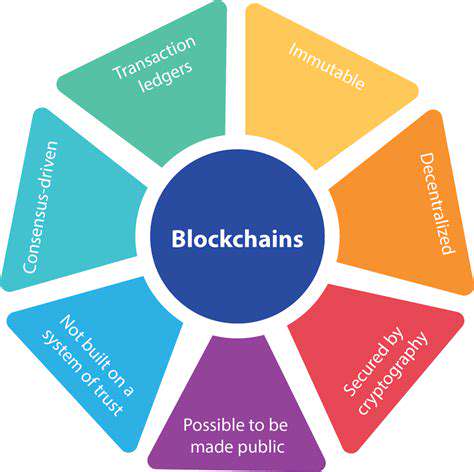
Voting systems using blockchain technology integrate cryptographic algorithms to provide secure and tamper-proof methods of collecting, recording, and verifying votes. Traditional voting systems, plagued by issues such as voter fraud and miscounts, can benefit significantly from blockchain’s transparency and immutability. For instance, by creating a public ledger of votes, every transaction becomes verifiable and auditable.
Moreover, the decentralized nature of blockchain allows for increased accessibility. Voters can securely cast their votes from anywhere, thus potentially increasing voter turnout. Some pilot projects, like Consultative Voting, have demonstrated the feasibility of remote voting on a small scale, showing that blockchain can successfully address some of the logistical challenges associated with traditional voting processes.
4.2 Real-World Applications and Challenges
One notable implementation of blockchain voting is in Estonia, where the government has deployed a blockchain-based system that allows citizens to vote online. This system not only ensures the integrity of votes but also enables citizens to verify that their votes were counted. According to a 2020 study published by the International Journal of Electronic Governance, the Estonian e-voting system is considered one of the most secure in the world, thanks to blockchain’s reliable infrastructure.
However, despite its advantages, blockchain voting is not without challenges. One primary concern is the potential digital divide; individuals without access to technology or internet services may be disenfranchised. Furthermore, the security of the systems must be continuously tested against evolving cyber threats. Experts recommend extensive simulation and testing phases before widespread adoption to ensure robustness. Overall, while blockchain presents innovative solutions for voting systems, careful consideration and strategic implementation are essential for success.
5. Identity Verification
Understanding the Importance of Identity Verification
Identity Verification is crucial in today’s digital world where online transactions are rampant. This process involves confirming the authenticity of a person's identity before allowing access to services or information. In various sectors including banking, healthcare, and e-commerce, robust identity verification processes are providing a secure environment for both businesses and customers.
Moreover, as cyber threats continue to evolve, traditional methods of identity verification, like passwords, are becoming increasingly inadequate. Blockchain technology offers an innovative solution by allowing for decentralized and immutable records, which significantly enhance reliability while also reducing fraud opportunities.
Blockchain Technologies Revolutionizing Identity Verification
Various blockchain platforms are emerging as leaders in identity verification solutions. For instance, projects like Sovrin and uPort are designed to provide individuals with control over their personal data while also ensuring its authenticity through decentralized identifiers. This approach not only empowers users but also addresses privacy concerns prevalent in conventional verification methods.
In addition to facilitating secure identity management, blockchain technologies can help streamline procedures. Consider a scenario where a confirmed identity is required across multiple services; a self-sovereign identity model allows users to present their verified credentials without needing to re-apply, increasing both efficiency and user satisfaction.
Regulatory Compliance and Identity Verification on Blockchain
As identity verification increasingly adheres to regulations, compliance is a vital aspect that businesses must consider. According to a report by the World Economic Forum, by 2025, it is expected that blockchain will help improve regulatory compliance processes significantly. By using blockchain for identity verification, businesses can ensure they meet Know Your Customer (KYC) and Anti-Money Laundering (AML) requirements with greater accuracy and speed.
Moreover, utilizing blockchain can generate auditable digital trails that can be beneficial during regulatory audits. These features can foster greater trust among consumers and law enforcement agencies by reducing risks related to identity theft and fraud.
Challenges and Considerations in Implementing Blockchain Identity Verification
Despite its potential benefits, implementing blockchain identity verification comes with challenges. For one, the technology is still in the nascent stages, and many organizations may lack the technical expertise to adopt it effectively. Additionally, the regulatory landscape for blockchain identities varies significantly across regions, creating uncertainties that businesses must navigate.
Another consideration is the integration of blockchain systems with existing infrastructures. Organizations should plan for potential compatibility issues, as outdated systems may hinder the implementation of innovative technologies. In terms of user adoption, educating users about blockchain identity systems is essential for successful implementation and overall acceptance.
Read more about Blockchain Use Cases Beyond Cryptocurrency
![How to Prepare for a Coding Interview [Tips & Tricks]](/static/images/25/2025-05/Practice2CPractice2CPractice21.jpg)

Hot Recommendations
- The Importance of Two Factor Authentication
- 10 Essential Cybersecurity Tips for Everyone
- Best Ways to Secure Your Email Account
- Guide to Mastering [Software Name] Features [Tutorial]
- Top 5 Antivirus Software for Windows & Mac [2025]
- Guide to Setting Up Parental Controls Online
- What is a VPN and Do You Need One? [Explained Simply]
- Top Video Conferencing Software Alternatives to Zoom & Teams
- Reviewing the Latest Gaming Hardware Releases
- Understanding Phishing Scams and How to Avoid Them