Technology
Consumer Awareness
Scalability
Warranties
Customer Support
Sales
Tech Buying Guide

Tech Buying Mistakes to Avoid

The Concept and Its Implications
  • Upselling is a sales technique aimed at encouraging customers to purchase a more expensive item.
  • It can lead to improved customer satisfaction if done correctly.
  • However, upselling can also result in buyer’s remorse if the customer feels pressured.

Upselling is a common practice in various industries, particularly in tech buying. It involves persuading a customer to opt for a more expensive product or add-on rather than just the basic version. While this can enhance their overall experience, it can also lead to unnecessary expenditures.

For consumers, understanding the purpose behind upselling tactics is essential. Often, sales representatives are trained to use enticing language that highlights the value of additional features. Buyers should be aware that these enhancements may not always justify the higher cost.

Recognizing Common Upselling Techniques

Sales representatives often employ various strategies to upsell, including limited-time offers and exclusive bundles. By creating a sense of urgency, they encourage customers to make quick decisions that may not align with their actual needs. This is especially prevalent in tech sales, where new features are constantly emerging.

Additionally, product comparisons are frequently used to steer customers toward higher-end models. When faced with a choice, many individuals might gravitate towards premium offerings simply because they perceive them to be more valuable. Understanding these tactics can empower consumers to make more informed decisions.

The Risks of Falling for Upselling

While upselling can seem like a beneficial approach, it often leads to Buyer’s remorse. Many consumers find themselves regretting their purchase when they realize they didn’t need the additional features. This situation is compounded if the buyer has budget constraints or has purchased unnecessary items.

Research shows that a significant portion of tech users feel overwhelmed by upselling pitches, often resulting in second-guessing their initial choice. When customers are overly focused on features that were pushed upon them, they may overlook the core functionality they actually require.

Assessing Your Needs Before Upselling

To avoid falling into traps set by upselling, it's crucial to conduct thorough research beforehand. Understanding what features are essential for your needs helps in making a decision that truly reflects your preferences rather than merely succumbing to sales pressure.

Consider creating a checklist of must-have specifications. By going into a technology purchase with clear criteria, buyers can better navigate upselling pitches and resist the urge to pick features they don't need.

Strategies to Avoid Upselling Pitfalls

The most effective way to avoid the pitfalls of upselling is to maintain clear financial boundaries. Setting a strict budget for your tech purchases helps you focus on items that align with your financial capacity and intended usage.

Moreover, shoppers are encouraged to solicit opinions from trusted sources or conduct independent research before making a purchase. This can provide a reality check against the persuasive tactics of sales personnel. Ultimately, the goal should be to enhance your experience without unnecessary expenses.

5. Rushing the Purchase Decision

5.RushingthePurchaseDecision

Understanding the Risks of Impulsive Purchases

When buying technology, one of the most common mistakes is making an impulsive decision. Impulsive purchases can lead to regret, especially in tech, which often requires careful consideration. A detailed analysis of your needs compared to what the product offers is crucial.

For instance, a smartphone may look appealing in advertisements, but *if it lacks features critical for your usage, it may not live up to expectations.* According to a survey from the Consumer Technology Association, 45% of tech buyers reported dissatisfaction after rushing their decisions.

Importance of Research and Comparison

Before settling on a technology product, conducting thorough research is essential. Not all products are created equal; they differ in terms of specifications, performance, warranty, and usability. Utilizing comparison websites, reading reviews, and checking expert opinions can provide valuable insights.

Furthermore, visiting physical stores to test products before purchase can significantly enhance your understanding of their functionality. Purchasing tech should involve assessing the performance and durability of an item, which isn't always evident through online descriptions. Make sure to look for independent reviews, as these sources provide unbiased evaluations that can influence your final decision greatly.

Set a Budget and Stick to It

Before contemplating any tech purchase, Establishing a Clear Budget is paramount. Having a fixed price range helps narrow down your options and prevents unnecessary spending. Many people fall into the trap of overspending on the latest gadgets, only to find alternatives that better suit their needs at a lower price. It helps to list essential features that matter most to you and focus on them when evaluating products within your budget.

Furthermore, consider the total cost of ownership, which includes not just the upfront purchase price but also maintenance, subscription fees, and accessories. Research indicates that 30% of tech consumers overlook these additional costs, which can impact their financial planning significantly.

Taking Time to Reassess Needs and Wants

Technology evolves rapidly, and what seems enticing today might be outdated in a year. Taking the time to assess your actual needs versus wants can simplify the decision-making process. This may involve asking yourself critical questions about the frequency and type of use you anticipate for a product. If you're not using advanced features, investing in high-end models may be unnecessary.

Additionally, waiting for product releases or updates can be a wise choice. Tech markets are often filled with seasonal sales and discounts, which can help you save significantly. Therefore, it's essential to weigh your desire for the latest technology against practical needs.

Read more about Tech Buying Mistakes to Avoid

Best Password Managers Compared [Security & Features]
May 03, 2025
The Metaverse Explained: More Than Just Gaming
May 05, 2025
Exploring the Latest VR and AR Technologies in 2025
May 12, 2025
Understanding the Technology Behind Brain Computer Interfaces (BCI)
Jul 02, 2025
Before diving into specific pen models, consider your artistic style and workflow. Are you primarily a digital painter, illustrator, or concept artist? Different pens excel in various tasks. A pen designed for drawing might not offer the same level of pressure sensitivity as one optimized for sketching. Also, consider your budget and the features you prioritize. Do you need advanced pressure sensitivity, tilt recognition, or a comfortable ergonomic design? Answering these questions will significantly narrow your search.Key Features to Consider:* Pressure Sensitivity: This determines how the pen's input translates to the intensity of the line or color. Higher levels of pressure sensitivity allow for greater control over shading and detail.* Tilt Recognition: Tilt sensitivity allows you to control the angle of your pen strokes. This feature is crucial for creating realistic shading and textures, especially in digital painting.* Ergonomics: A comfortable and well-designed pen grip is essential for long periods of drawing. Consider the shape, weight, and material of the pen to ensure a comfortable experience.* Connectivity: Wireless connectivity is generally preferred for a more fluid workflow. Consider the compatibility with your tablet or drawing device.* Stylus Material: Different materials can affect the feel and responsiveness of the pen. Consider if you prefer a smooth, metallic feel or a more textured surface.* Software Compatibility: Ensure the smart pen is compatible with the software you regularly use for digital art.Popular Smart Pen Brands and Models (Example):While this guide can't exhaustively list every model, exploring brands like Wacom, XP-Pen, and others can lead you to various options. Research their specific product lines to find pens that best suit your preferences.Making the Right Choice:Ultimately, the best smart pen is the one that aligns with your specific artistic needs and preferences. Consider the factors discussed above, read reviews from other artists, and perhaps even try different pens out if possible. Investing time in choosing the right tool will ultimately improve your creative process and satisfaction.Beyond the Basics:Consider additional features like programmable buttons or customizable settings that might enhance your workflow and add personal touches to your drawing style.This comprehensive guide should help you navigate the world of smart pens and select the perfect tool for your digital art journey. Happy creating!
Jul 12, 2025
Top 5 Antivirus Software for Windows & Mac [2025]
Jul 30, 2025
Top Mobile Security Apps for Android & iPhone
Aug 08, 2025
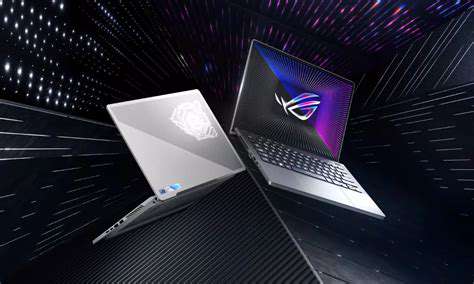
Your Comprehensive GuideAs we step into 2025, the laptop market showcases a variety of remarkable devices catering to different needs. Whether you're a professional, gamer, or casual user, understanding the range of laptop categories—ultrabooks, gaming laptops, 2-in-1s, and business machines—is essential for selecting the right model. Key Features to ConsiderWhen shopping for a laptop, prioritize key specifications like the processor, graphics, battery life, and storage. Look for models with Intel’s latest Core i7 or AMD's Ryzen 7 processors that offer superior multitasking. Graphics performance is crucial for gamers and creatives alike, while high-resolution displays enhance multimedia experiences. Don't overlook battery life—2025 models can last 10 to 20 hours. Leading Brands of 2025This year, top-performing brands include Apple, Dell, Razer, Lenovo, and HP. The Apple MacBook Pro impresses with seamless integration and premium quality. Dell's XPS series attracts professionals with its superior displays, while Razer leads in gaming innovation. Lenovo’s ThinkPad excels in durability and functionality, and HP’s Spectre line strikes an ideal balance between aesthetics and performance. Affordable Options Still ShineFor budget-conscious buyers, models such as the Acer Aspire and ASUS VivoBook provide excellent specifications without breaking the bank. These laptops are perfect for students and everyday users, delivering reliable performance for browsing, streaming, and light productivity tasks. Future Trends in Laptop TechnologyThe landscape of laptops in 2025 is evolving with trends like AI-driven functionalities, enhanced security features, and eco-friendly materials. Foldable screens are beginning to emerge, promising transformative designs that enhance multitasking and portability. Making the Right ChoiceSelecting the best laptop boils down to understanding your personal needs. Assess whether you prioritize portability, gaming capabilities, or professional functionality. By staying informed about the latest tech developments and reading user feedback, you can find a laptop that meets your demands today and adapts to your future needs. Featured Laptops of 20251. Apple MacBook Pro 16-inch (2025): Unmatched processing power with the M3 Pro chip, lasting up to 22 hours on a single charge. 2. Dell XPS 15 (2025): A perfect blend of design and performance, featuring a 4K OLED display and robust Intel Core processors.3. ASUS ROG Zephyrus G14 (2025): An ultra-portable gamer’s dream with a powerful AMD Ryzen 9 and NVIDIA GeForce RTX 4060 for seamless gaming.4. Lenovo ThinkPad X1 Carbon (9th Gen): Known for its exceptional battery life and iconic keyboard, providing a superior user experience for professionals. ConclusionInvesting in a laptop is a significant decision. It’s vital to weigh features against your personal requirements to ensure that you select the right match for your endeavors in 2025. With this guide, you’re equipped to navigate the vast options and make an informed purchase based on your lifestyle and preferences.
Feb 05, 2026
Embracing Educational InnovationsAs educational institutions navigate the integration of these technologies, the focus on ethical considerations, access equity, and adaptability remains paramount. The confluence of AI, VR/AR, microlearning, blockchain, and collaborative platforms can significantly improve educational outcomes. By embracing these innovations responsibly, educators can craft more inclusive, effective, and engaging learning environments, ultimately paving the way for a bright future in education.
Feb 06, 2026
A Comprehensive Guide to Console and PC GamingExplore the intricate world of gaming performance, graphics quality, and the diverse libraries available across consoles and PCs. This guide breaks down key aspects to help you make an informed choice about your gaming setup, whether you're a casual player or a dedicated gamer. Performance and Graphics QualityUnderstanding frame rates and resolution is crucial for anyone looking to optimize their gaming experience. Frame rates, typically measured in frames per second (FPS), significantly affect gameplay smoothness, with PCs achieving over 144 FPS, while consoles often max out around 60 FPS. Additionally, resolution plays a pivotal role: the difference between 1080p and 4K resolution can profoundly impact your gaming immersion. Hardware SpecificationsPCs offer customizable components, such as upgradable GPUs and CPUs, allowing users to enhance performance over time. In contrast, consoles provide a simplified gaming experience with fixed specifications, which can limit future performance but ensures compatibility for developers. Game OptimizationGame developers tailor games for specific hardware, enhancing performance on consoles, which often leads to visually stunning results even with lower specs. Meanwhile, PC gamers have the flexibility to adjust settings according to their hardware, enabling personalized gaming experiences. Game Libraries and ExclusivesWhen it comes to game libraries, both platforms offer unique selections that cater to different gamers. Consoles boast exclusive titles like God of War and Halo, while PCs provide extensive libraries filled with indie games and mods. Subscription services like Xbox Game Pass further enrich the available options across platforms. Cost ConsiderationsCost is a pivotal factor when choosing a platform. While consoles may have lower upfront costs, ongoing subscription fees and game purchases can add up. Conversely, while gaming PCs might require higher initial investments, they can offer long-term savings through discounts and promotions. Accessibility and Community EngagementConsoles provide a user-friendly experience that caters to casual gamers. Their plug-and-play nature simplifies the gaming process, while platforms like PlayStation Network and Xbox Live foster strong community engagement through multiplayer experiences.PC gaming, on the other hand, offers customization options and extensive community features through platforms like Steam and Discord. Although setting up or upgrading a PC can be daunting, it allows dedicated gamers to create a highly personalized setup. ConclusionUltimately, the choice between console and PC gaming hinges on individual preferences regarding performance, accessibility, and community engagement. By weighing these factors, you can determine which platform suits your gaming style best. Whether you prefer the simplicity of a console or the adaptability of a PC, your gaming experience is what counts most.
Feb 06, 2026
//example.com/static/images/25/2026-02/TheSymbioticRelationshipBetweenSoftwareandHardware.jpg) Understanding the Core of the RelationshipThe interplay between software and hardware is fundamental to modern computing technologies. Software acts as a bridge, converting hardware capabilities into meaningful applications that drive user experiences. For instance, as we've transitioned from traditional hard drives to solid-state drives (SSDs), software development has adapted to utilize these advancements for speed and efficiency. This historical evolution highlights a feedback loop where hardware innovations inspire software advancements, shaping entire ecosystems like mobile and cloud computing. The Role of Software in Hardware Optimization- Software enhances hardware capabilities through updates or new applications.- Optimized software improves performance and longevity of hardware components.- Continuous software development motivates regular hardware innovation.Software development plays a crucial role in optimizing hardware performance. Tailored algorithms help manage system resources effectively, ensuring efficient operation. Game developers, for example, create patches that enable new games to run on older consoles, showcasing the adaptability of software to existing hardware constraints. Future Trends: Co-evolution of Software and HardwareAs we look to the future, the relationship between software and hardware is expected to evolve, especially with rising trends in artificial intelligence (AI) and machine learning. Sophisticated software will drive hardware innovations, illustrated by the Internet of Things (IoT), where connected devices leverage software updates to enhance functionality and security. Performance Optimization Through Software Innovations![Performance Optimization Through Software Innovations](https://example.com/static/images/25/2026-02/PerformanceOptimizationThroughSoftwareInnovations.jpg) Understanding Software's Role in Hardware PerformanceIn today’s computing environment, software is crucial for unlocking the full potential of hardware. High-performance computing environments benefit from customized software solutions for efficient resource management, illustrating how software and hardware synergy enables significant performance improvements. Innovative Software Solutions Driving Efficiency- Dynamic resource management enhances utilization rates.- Adaptive algorithms respond to real-time performance metrics.- Efficient memory management techniques minimize latency.Innovative software solutions are essential for performance optimization, allowing systems to adapt to demanding workloads while maintaining high efficiency. Driving Hardware Innovation with New Software ParadigmsThe emergence of software-defined hardware (SDH) enables organizations to allocate resources dynamically, enhancing operational efficiency. About 70% of organizations are investing in SDH technologies, demonstrating the reliance on software to dictate hardware performance. This approach fosters collaborative development between software and hardware teams, leading to innovative solutions tailored to specific operational demands. The Future of Hardware: Integration with Software Trends![The Future of Hardware: Integration with Software Trends](https://example.com/static/images/25/2026-02/TheFutureofHardware3AIntegrationwithSoftwareTrends.jpg)Hardware development is now closely tied to software advancements; smart devices and AI capabilities are setting new performance standards. However, challenges remain regarding compatibility and security as systems grow increasingly complex. Organizations must stay proactive, investing in integrated solutions while fostering a culture of collaboration and innovation.---To stay competitive, businesses should prioritize ongoing training for software and hardware teams, ensuring they are prepared for emerging trends. Regular benchmarking and monitoring market demands will help organizations adapt and thrive, shaping a future defined by seamless software-hardware integration.
Feb 07, 2026
AI Advancements, 5G Expansion, and Sustainable Technology InnovationsDiscover the transformative trends shaping the technological landscape across various industries, including groundbreaking advancements in artificial intelligence (AI), the global rollout of 5G technology, and innovative sustainable practices. Artificial Intelligence and Machine LearningRecent breakthroughs in deep learning, especially in natural language processing (NLP) and computer vision, are revolutionizing AI applications. With models like OpenAI's GPT-3 and Google's BERT raising the bar for language comprehension, businesses can enhance customer interactions through chatbots and automate content creation. Moreover, integrating transfer learning is making AI technology accessible to smaller organizations, fostering innovation in healthcare, finance, and education. Practical AI ApplicationsFrom improving disease diagnosis in healthcare to revolutionizing risk assessment and fraud detection in finance, AI is becoming indispensable across sectors. Reports indicate that AI-driven solutions significantly improve diagnostic accuracy and lead to a remarkable reduction in fraud losses for companies adopting machine learning practices. The Rapid Expansion of 5G TechnologyThe global expansion of 5G technology promises to enhance mobile connectivity, providing rapid internet speeds and reduced latency. Countries leading the charge in 5G rollout are set to experience substantial increases in connected devices, fueling consumer adoption and transforming industries such as telecommunications and transportation. Looking Ahead to 6GAs conversation shifts toward the exploration of 6G technology, which could bring stunning advancements in data speeds and connectivity for innovations including virtual reality and smart cities, businesses are encouraged to invest in infrastructure that supports this transition. Hybrid Work Technology SolutionsWith hybrid work environments gaining traction as employees seek flexible schedules, organizations must adapt by leveraging technology tools for communication and collaboration. Platforms like Zoom and Microsoft Teams, along with collaborative software, are essential for maximizing team productivity and streamlining project management. Data Security in a Hybrid ModelAs hybrid work becomes commonplace, robust data security measures are critical. Organizations must implement VPNs, encryption technologies, and multi-factor authentication to protect sensitive information. Prioritizing Cybersecurity and Data PrivacyCybersecurity threats are increasingly sophisticated, and organizations must prioritize comprehensive cybersecurity strategies to safeguard data. Innovations like AI-driven threat detection systems and employee training programs play pivotal roles in reducing vulnerability to cyber attacks. Navigating Data Privacy RegulationsCompliance with data privacy regulations such as GDPR and CCPA is essential for organizations. Non-compliance can result in substantial financial penalties and damage to reputation. Sustainable Technology InnovationsEmerging green technologies like advancements in solar energy, smart grids, and electric vehicles are shaping a more sustainable future. The circular economy emphasizes resource reuse, while innovations in energy storage solutions are crucial for optimizing renewable energy use. The Role of AI in SustainabilityAI is instrumental in resource management, optimizing energy efficiency across sectors, and enabling informed decision-making for reducing carbon footprints.As the technological landscape evolves, staying informed about these advancements is vital for professionals looking to leverage AI’s potential, enhance hybrid work strategies, and contribute to a sustainable future. Embrace the ongoing innovation and position yourself at the forefront of tomorrow’s technology.
Feb 08, 2026
View Publication>>

Hot Recommendations