Audio
Technology
Bluetooth Technology
Audio Innovation
Audio Technology
User Experience
Sustainability
Audio Engineering
Immersive Experience

Trends in Wireless Audio Technology

Contents

    Multi-room audio systems enhance streaming convenience and flexibility for users.

    Consumer demand for multi-room solutions grows with increased streaming platform popularity.

    Wi-Fi 6 advancements improve streaming quality in multi-room audio systems.

    Leading brands like Sonos and Bose dominate the multi-room audio market.

    AI integration personalizes audio experiences, adjusting sound for user environments.

    Machine learning tailors sound profiles to individual user preferences over time.

    Smart assistants provide convenient hands-free control in wireless audio systems.

    Eco-friendly materials and energy-efficient technologies are emerging in audio device manufacturing.

    Spatial audio technology creates immersive sound experiences through advanced algorithms.

    Head-tracking enhances realism and personalization in spatial audio applications.

    Spatial audio technology has diverse applications, from gaming to healthcare.

    Challenges in spatial audio include device compatibility and sound mixing complexities.

    Future advancements promise broader access and enhanced experiences in spatial audio.

1. The Rise of Multi-Room Audio Systems

1.TheRiseofMulti-RoomAudioSystems

1. Understanding Multi-Room Audio Systems

Multi-room audio systems allow users to stream music from various sources to multiple rooms, providing a seamless listening experience. This technology has evolved significantly, integrating with smart home systems to offer users more control than ever before. As consumers embrace convenience, the demand for such setups continues to increase.

In recent years, a variety of products have entered the market, allowing for flexibility in system setups. From dedicated speakers to integrated sound systems in smart TVs, these devices cater to diverse preferences. Organizations like Spotify and Apple Music now prioritize compatibility with multi-room setups.

2. Market Trends and Consumer Preferences

The rise of streaming platforms has greatly influenced consumer preferences, leading to a stronger demand for multi-room solutions. Users are more inclined towards systems that offer flexibility, enabling music playback from multiple sources at once. According to a report by Statista, the Wireless audio market is projected to grow significantly, reflecting the shifting dynamics of music consumption.

  • Increased preference for wireless connectivity.
  • Integration with smart home devices.
  • Demand for high-quality audio performance.

Additionally, many consumers are looking for devices that are user-friendly and easy to set up. As a result, manufacturers are focusing on simplifying installations and enhancing mobile app interfaces to cater to tech-savvy users.

3. Technological Innovations Driving Change

Technological advancements play a crucial role in enhancing multi-room audio systems. The introduction of Wi-Fi 6 has improved streaming quality, allowing for higher audio fidelity and reduced latency across multiple devices. This development is vital, especially for users seeking a glitch-free audio experience while moving between rooms.

Furthermore, innovations like voice control through digital assistants have made it easier to manage music playback. Users can simply issue commands such as play my favorite playlist without needing to interact with their devices directly.

4. Key Players in the Multi-Room Audio Market

Several brands have emerged as leaders in the multi-room audio space, each offering unique features to attract different consumer demographics. Companies like Sonos, Bose, and Google Nest have developed systems with seamless integration with their respective ecosystems. These brands leverage their established reputations to instill confidence in consumer purchases.

For instance, Sonos is widely regarded for its user-friendly app which allows individual room settings, while Bose appeals to audiophiles with superior sound quality. Users should carefully evaluate which features matter most to them before making a decision.

5. The Future of Audio Systems in a Connected World

As smart home technologies continue to permeate daily life, the future of multi-room audio systems looks bright. Companies are exploring collaborations with IoT devices to offer even greater functionality. Enhanced compatibility with various devices will likely be a focal point for future products, offering unified experiences for users.

Moreover, the evolution of audio streaming services will influence the ecosystem, pushing manufacturers to adopt new codecs for higher quality sound transmission. As these systems become more intertwined with lifestyle choices, the usability and flexibility of multi-room audio solutions will undoubtedly play a central role in shaping user experiences.

2. Improved Bluetooth Technologies

Advancements in Bluetooth Standards

The evolution of Bluetooth technology has led to the introduction of Bluetooth 5.0 and subsequent versions that significantly enhance audio streaming capabilities. Bluetooth 5.0 offers increased data transfer speeds of up to 2 Mbps and extended range of up to 240 meters, which provides users with improved connectivity and quality. This is particularly advantageous in wireless audio applications, where maintaining high-fidelity sound while ensuring minimal lag is paramount. Furthermore, Bluetooth 5.2 introduced features like Enhanced Attribute Protocol (EATT) that allow multiple devices to connect simultaneously, streamlining the user experience.

According to a report by the Bluetooth Special Interest Group, adoption of the latest Bluetooth standards in audio devices has tripled over the last two years. This surge reflects a commitment to enhancing sound quality and user convenience, as manufacturers embrace the latest technology to meet consumer expectations for seamless connectivity. Enhanced protocols not only improve audio performance but also facilitate the development of more sophisticated audio devices, such as true wireless earbuds with active noise cancellation and superior battery management.

Integration of AI in Bluetooth Audio

The integration of artificial intelligence (AI) in Bluetooth audio devices represents a significant trend in wireless audio technology. AI algorithms can optimize sound processing in real-time, adaptively fine-tuning audio output based on environmental factors such as background noise or listener preferences. This functionality is increasingly featured in products across major audio brands, enhancing both user experience and sound quality without needing user intervention. For example, AI can dynamically adjust equalizer settings, providing personalized sound delivery that caters to individual hearing profiles.

Ultimately, while Bluetooth technology serves as the foundation for wireless audio, the Integration of AI is transforming how users interact with their audio devices. As manufacturers continue to explore AI capabilities, there is potential for groundbreaking applications, such as spatial audio experiences that adjust based on user location. Regulators and developers must proceed with caution, ensuring that these innovations enhance user experience without compromising privacy or security. The future of Bluetooth audio lies in this unique synergy between connectivity and intelligent processing.

3. Integration of Artificial Intelligence

3.IntegrationofArtificialIntelligence

Understanding AI's Role in Wireless Audio Technology

Artificial Intelligence (AI) is becoming increasingly integral in the advancement of wireless audio technology, significantly enhancing user experiences. It enables smarter sound processing and adaptive audio output, which adjust based on the listener's environment. This capability transforms how consumers interact with audio devices, providing a more tailored listening experience.

In practice, AI algorithms can analyze sound frequencies in real-time, making necessary adjustments to clarities, bass response, and noise suppression. This means that as you move from a quiet space to a noisy street, your audio system can autonomously optimize playback quality without the need for user intervention.

Machine Learning Enhancements

Machine learning, a subset of AI, is particularly instrumental in refining sound quality and personalization. By learning from user preferences, audio devices can create customized listening profiles that evolve over time. For instance, a user who frequently listens to classical music may find their device optimizing treble and resonance, while another who prefers bass-heavy genres will experience heightened low-end frequencies.

  • Machine learning enhances sound quality in wireless audio systems.
  • Devices can learn from user habits to optimize sound profiles.
  • Personalization contributes significantly to user satisfaction.

Furthermore, these improvements are not just theoretical; studies indicate that users engage with devices that adapt more effectively, leading to extended usage periods and greater overall satisfaction.

Smart Assistants and Voice Integration

With the rise of smart home technology, the integration of virtual assistants like Amazon's Alexa or Google Assistant within wireless audio systems has redefined user interaction. This integration provides hands-free control over music selection, volume adjustments, and playlist creation, allowing for a seamless auditory experience. It addresses user demands for both convenience and functionality.

Additionally, these smart assistants also allow users to manage various aspects of their connected home through voice commands, creating an ecosystem of devices that cooperate harmoniously. For example, saying, “Hey Google, play my morning playlist,” can trigger a series of events involving lights and thermostats to create the ideal listening atmosphere.

Sound Quality Optimization Techniques

AI-driven sound optimization techniques have revolutionized the way audio quality is assessed and enhanced. Through advanced algorithms, wireless audio devices can analyze acoustic environments and make adjustments accordingly. Whether it's calibrating sound to counteract room acoustics or identifying external noise sources, these systems deliver far superior audio experiences than previously available.

Moreover, noise-cancellation technologies, powered by AI, evolve constantly. They now use predictive algorithms to better cancel out unwanted ambient sounds, thereby offering users a more immersive experience. In environments where external noise is unavoidable, such as crowded cafes, users can enjoy clear audio without interruption.

Future Trends in AI and Wireless Audio

As wireless audio technology continues to intertwine with AI advancements, we can anticipate significant innovations in the coming years. Trends such as AI-enabled spatial audio systems are already on the horizon, promising to enhance the audio experience by providing three-dimensional sound that mimics natural hearing.

  • Expect AI technologies to further personalize user experiences.
  • Improvements in sound quality and customization will likely dominate future developments.
  • Spatial audio systems will redefine how users experience sound.

Furthermore, as AI algorithms improve, we may see systems that can recognize and adapt to individual listening habits on a granular level, offering unprecedented customization that meets the diverse needs of various listeners.

Challenges and Considerations

While the combination of AI and wireless audio technology presents numerous benefits, it's vital to acknowledge the challenges as well. Data privacy concerns are paramount, as devices constantly gather information to improve their functions. Users must navigate the balance between personalized experiences and the security of their personal data.

Additionally, the complexity of AI systems can result in technical difficulties. If users find devices challenging to set up or operate because of their advanced features, adoption rates may stall. Therefore, manufacturers must ensure that while technologies are sophisticated, they remain accessible and user-friendly. A seamless user experience is crucial for the overall success of AI-integrated audio systems.

4. Focus on Sustainable Practices

Embracing Eco-Friendly Materials in Wireless Audio Devices

Manufacturers in the wireless audio technology sector are increasingly adopting Eco-Friendly Materials to reduce their environmental impact. For instance, biodegradable plastics and recycled metals are now common choices for constructing headphones and speakers. These materials not only lower carbon footprints but also resonate with environmentally conscious consumers who prioritize sustainability in their purchasing decisions.

Research indicates that consumers are willing to pay up to 30% more for products made from sustainable materials, showcasing the growing market for eco-friendly audio devices. Brands that incorporate such practices often gain a competitive edge, as they can market these eco-friendly attributes, thereby attracting a more discerning customer base eager for greener alternatives.

Incorporating Energy-Efficient Technologies

Adopting Energy-Efficient Technologies is another critical aspect of sustainable practices in the wireless audio industry. Companies are now striving to enhance battery life and reduce energy consumption in their devices. For instance, advancements in battery management systems allow products to last longer on a single charge, cutting down the need for frequent charging and thus reducing energy use over time.

Additionally, manufacturers are exploring solar-powered audio devices, further pushing the envelope on sustainability. These innovations not only help combat the environmental impact of battery disposal but also appeal to those who enjoy outdoor activities and require reliable audio solutions without being reliant on conventional power sources.

Furthermore, implementing software optimizations can yield significant energy savings. For example, adaptive sound technology can adjust audio output based on local environmental noise, ensuring devices use only the power necessary for optimal performance. This kind of innovation demonstrates the potential for improvement while maintaining a commitment to sustainability.

5. The Emergence of Spatial Audio Technologies

Understanding Spatial Audio Technology

Spatial audio technology simulates three-dimensional sound environments, allowing listeners to perceive sounds as coming from various directions. This technology leverages advanced algorithms and sound engineering techniques to create immersive listening experiences. By adding depth to audio, it provides a more realistic audio space, enhancing the listener's connection with the content.

Recent developments in spatial audio include the use of binaural recordings and Dolby Atmos. Binaural audio uses two microphones placed in a way that mimics human ears to capture sound as we hear it in real life. Dolby Atmos, on the other hand, adds height channels to the mix, creating a dome of sound around users, making it a preferred choice for cinemas and home theater systems.

The Role of Head-Tracking in Spatial Audio

Head-tracking technology is crucial in delivering an authentic spatial audio experience. By tracking the listener's head movements, systems can adjust the sound output accordingly, ensuring that sounds remain anchored to their source locations, regardless of user movement. This precision enhances the immersion and realism of the audio experience.

As companies like Apple and Sony continue to refine their head-tracking capabilities, we can expect advancements in personal audio devices, such as headphones and earphones. Implementing head tracking into these devices enables dynamic adjustments, further personalizing user experiences and making spatial audio even more engaging.

Applications Across Different Industries

The applications of spatial audio technology extend well beyond entertainment. In the gaming industry, for instance, sound plays a significant role in gameplay, guiding players and deepening engagement through immersive soundscapes. Moreover, industries such as architecture utilize spatial audio for virtual tours that allow clients to experience environments as if they were physically present, enhancing their overall understanding of the space.

In healthcare, spatial audio is being explored for therapeutic uses, such as in calming anxieties during clinical procedures. By creating soothing auditory environments, it helps patients feel more relaxed. This adaptability of spatial audio across sectors highlights its versatility and the potential for ongoing innovation.

Challenges and Limitations of Spatial Audio Technologies

Despite its impressive capabilities, spatial audio technology faces notable challenges. One primary limitation is the disparity in device compatibility which can affect playback quality. Not all headphones or sound systems support the advanced features that spatial audio requires, potentially leading to inconsistent user experiences.

Another significant hurdle is the complexity of sound mixing. Creating spatial audio content requires a deep understanding of both audio production and the specific software platforms used to deliver the sound. Content creators must invest substantial time and resources to ensure high-quality output, which can be a risky endeavor in an industry that values efficiency.

The Future of Spatial Audio Technologies

Looking forward, the future of spatial audio technology appears promising. With ongoing advancements in machine learning and artificial intelligence, we can expect more sophisticated sound design tools that simplify the content creation process while still delivering high-quality audio experiences. This integration may lower barriers for smaller creators, democratizing access to spatial audio production.

Moreover, as virtual and augmented reality technologies gain traction, spatial audio will likely become a staple in these environments. The marriage of immersive visuals with spatial sound will enhance user experiences significantly, making it an exciting space to watch in the coming years. Professionals in audio engineering should stay abreast of these trends to remain competitive in this rapidly evolving field.

Read more about Trends in Wireless Audio Technology
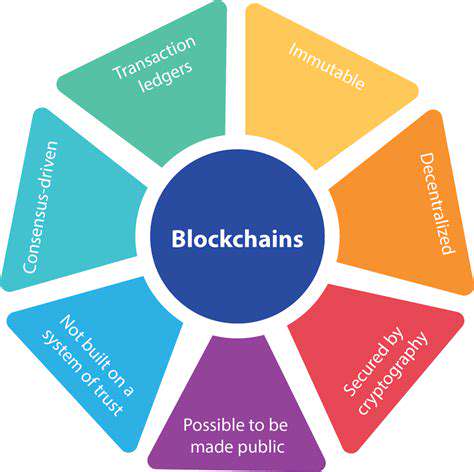
A Comprehensive GuideBlockchain technology is a groundbreaking decentralized ledger system that enables secure and transparent record-keeping across multiple computers. This innovative architecture ensures data immutability, allowing participants to trust the integrity of the information stored. In this article, we dive into the core components, applications, challenges, and future prospects of blockchain technology. What is Blockchain Technology?At its essence, blockchain technology consists of blocks of data linked through cryptographic hashes, forming an unbreakable chain. Nodes—computers within the network—participate in transaction verification via consensus mechanisms such as Proof of Work and Proof of Stake, ensuring integrity and security. Key Components:- Blocks: Contain transaction data, timestamps, and the preceding block's hash.- Nodes: Verify and maintain the blockchain.- Consensus Mechanisms: Ensure all nodes agree on transaction validity. Applications Beyond CryptocurrencyBlockchain's applications extend far beyond cryptocurrencies. Sectors like finance, supply chain management, and healthcare explore ways to leverage its features for enhanced efficiency. Blockchain enables faster cross-border transactions, improves accountability in product tracking, and securely manages patient records. Challenges Facing AdoptionDespite its transformative potential, blockchain technology faces obstacles, including:- Scalability: Many networks struggle to handle high transaction volumes, leading to slower speeds and increased costs.- Regulatory Uncertainty: Inconsistent regulations worldwide create hesitance among businesses to adopt blockchain solutions.- Cybersecurity: Vulnerabilities exist within blockchain applications, calling for robust security frameworks. The Future of BlockchainAs blockchain technology evolves, we anticipate enhanced integration with other technologies like AI and IoT. Industry standards will likely emerge to facilitate interoperability, expanding blockchain use across multiple sectors. Embracing education and transparency will be key for businesses looking to leverage this technology effectively. ConclusionIn conclusion, blockchain technology signifies a monumental shift in data management, security, and operational efficiency. Early adopters stand to benefit immensely by understanding both the advantages and challenges that come with implementing blockchain. By addressing current hurdles and promoting collaborative innovation, we can pave the way for a more efficient and transparent digital future.Explore the intricacies of blockchain technology and its enduring impact on various industries. Stay updated with current trends and innovations to unlock the full potential of this transformative technology.
Apr 23, 2025
The Metaverse Explained: More Than Just Gaming
May 05, 2025
Hands On with the Latest Foldable Phone Tech
May 08, 2025
- Reduces greenhouse gas emissions and air pollution- Decreases dependence on finite fossil fuels- Promotes energy security and price stability- Creates jobs and stimulates economic growth- Supports global efforts toward sustainable development Technological Innovations and Future OutlookContinuous research and development are driving innovations in renewable energy technologies. From improved energy storage solutions to smarter grid integration, these advancements are making renewable energy more reliable and widespread. Governments and private sectors worldwide are investing heavily in renewable infrastructure, aiming to transition to a low-carbon economy and achieve climate goals. How to Get StartedWhether you're a homeowner interested in solar panels, a business exploring wind energy options, or a policymaker seeking sustainable solutions, understanding the capabilities and benefits of renewable energy is crucial. Consider assessing your energy needs, exploring government incentives, and consulting with renewable energy providers to make informed decisions.---Embrace the future of clean energy today. Harnessing renewable resources like solar and wind power is essential for reducing carbon emissions, combating climate change, and building a sustainable, resilient planet for generations to come.---Keywords: renewable energy, solar power, wind energy, sustainable energy, clean energy solutions, photovoltaic panels, renewable technology advancements, climate change mitigation, green energy, energy efficiency, renewable energy benefits
May 15, 2025
Future Tech Trends You Need to Watch in 2025
May 19, 2025
How to Choose the Right CRM Software for Your Business
May 27, 2025
//example.com/static/images/25/2026-02/TheSymbioticRelationshipBetweenSoftwareandHardware.jpg) Understanding the Core of the RelationshipThe interplay between software and hardware is fundamental to modern computing technologies. Software acts as a bridge, converting hardware capabilities into meaningful applications that drive user experiences. For instance, as we've transitioned from traditional hard drives to solid-state drives (SSDs), software development has adapted to utilize these advancements for speed and efficiency. This historical evolution highlights a feedback loop where hardware innovations inspire software advancements, shaping entire ecosystems like mobile and cloud computing. The Role of Software in Hardware Optimization- Software enhances hardware capabilities through updates or new applications.- Optimized software improves performance and longevity of hardware components.- Continuous software development motivates regular hardware innovation.Software development plays a crucial role in optimizing hardware performance. Tailored algorithms help manage system resources effectively, ensuring efficient operation. Game developers, for example, create patches that enable new games to run on older consoles, showcasing the adaptability of software to existing hardware constraints. Future Trends: Co-evolution of Software and HardwareAs we look to the future, the relationship between software and hardware is expected to evolve, especially with rising trends in artificial intelligence (AI) and machine learning. Sophisticated software will drive hardware innovations, illustrated by the Internet of Things (IoT), where connected devices leverage software updates to enhance functionality and security. Performance Optimization Through Software Innovations![Performance Optimization Through Software Innovations](https://example.com/static/images/25/2026-02/PerformanceOptimizationThroughSoftwareInnovations.jpg) Understanding Software's Role in Hardware PerformanceIn today’s computing environment, software is crucial for unlocking the full potential of hardware. High-performance computing environments benefit from customized software solutions for efficient resource management, illustrating how software and hardware synergy enables significant performance improvements. Innovative Software Solutions Driving Efficiency- Dynamic resource management enhances utilization rates.- Adaptive algorithms respond to real-time performance metrics.- Efficient memory management techniques minimize latency.Innovative software solutions are essential for performance optimization, allowing systems to adapt to demanding workloads while maintaining high efficiency. Driving Hardware Innovation with New Software ParadigmsThe emergence of software-defined hardware (SDH) enables organizations to allocate resources dynamically, enhancing operational efficiency. About 70% of organizations are investing in SDH technologies, demonstrating the reliance on software to dictate hardware performance. This approach fosters collaborative development between software and hardware teams, leading to innovative solutions tailored to specific operational demands. The Future of Hardware: Integration with Software Trends![The Future of Hardware: Integration with Software Trends](https://example.com/static/images/25/2026-02/TheFutureofHardware3AIntegrationwithSoftwareTrends.jpg)Hardware development is now closely tied to software advancements; smart devices and AI capabilities are setting new performance standards. However, challenges remain regarding compatibility and security as systems grow increasingly complex. Organizations must stay proactive, investing in integrated solutions while fostering a culture of collaboration and innovation.---To stay competitive, businesses should prioritize ongoing training for software and hardware teams, ensuring they are prepared for emerging trends. Regular benchmarking and monitoring market demands will help organizations adapt and thrive, shaping a future defined by seamless software-hardware integration.
Feb 07, 2026
The Rise of Edge Computing
Feb 09, 2026
NLP, AR/VR, Touchless Interfaces, Wearables, and AIIn this comprehensive overview, we delve into revolutionary technologies shaping human-computer interaction, including Natural Language Processing (NLP), Augmented Reality (AR), Virtual Reality (VR), touchless interfaces, wearable technology, and Artificial Intelligence (AI). Each segment highlights key developments, applications, challenges, and future trends, providing insight into how these technologies are transforming our daily lives. Natural Language Processing: Conversing with MachinesNatural Language Processing is at the forefront of artificial intelligence, enabling machines to understand, interpret, and generate human language. Discover the basics of NLP, including techniques like tokenization, stemming, and sentiment analysis that allow organizations to enhance customer interactions via chatbots and virtual assistants. Recent advancements in deep learning algorithms have significantly improved NLP accuracy, paving the way for more contextual and responsive interactions. Augmented Reality and Virtual Reality: Immersive ExperiencesAugmented Reality enhances our reality by overlaying digital content, improving sectors like healthcare, education, and retail. Learn how applications such as Google Lens and AR-assisted surgeries are changing the way we interact with our environment. Conversely, Virtual Reality creates immersive environments ideal for training and simulations, making learning more engaging and effective. Explore the future integration of AR and AI, which aims to provide smarter, context-aware applications that redefine user engagement. Touchless Interfaces: A New Era of InteractionExplore touchless technology that eliminates the need for physical contact, making it a game-changer in hygiene-sensitive environments like hospitals. Learn about gesture recognition and voice command advancements that facilitate seamless user experiences. As industries embrace touchless interfaces, we discuss the challenges of integrating these systems and the importance of user education in facilitating smooth transitions to new technologies. Wearable Technology: Seamless Integration into Daily LifeWearable technology is revolutionizing health monitoring and productivity. From smartwatches that track vital signs to devices that integrate with smart home systems, discover how these technologies empower users and enhance their daily routines. We analyze the challenges surrounding privacy and data security associated with wearables, emphasizing the need for robust protective measures as this market continues to expand. Artificial Intelligence: Enhancing User-Centric DesignAI is transforming user-centric design by enabling personalized experiences and predictive analytics based on user behavior. Discover how integrating AI in design processes helps improve usability and tailor interfaces to better meet user needs. However, challenges, including data privacy concerns and the balance between AI and human intuition in design, must be navigated responsibly. ConclusionThe evolving landscape of technologies such as NLP, AR/VR, touchless interfaces, wearables, and AI signifies a shift toward more intuitive and effective human-computer interactions. As these advancements unfold, addressing ethical considerations, data security, and the importance of human insight in design will be paramount. Stay ahead of these trends to understand how technology is paving the way for a more connected and user-friendly future.
Feb 09, 2026
What to Look For in a Smartphone Understanding Key Performance MetricsWhen shopping for a flagship smartphone, it’s essential to look at several critical specifications that can significantly affect your overall experience. Below, we break down the most important factors to consider, ensuring you make an informed choice. Processor CapabilitiesAt the heart of any smartphone lies its processor. Top models typically feature Qualcomm Snapdragon 8 series or Apple's A-series chips, providing remarkable performance and high-refresh-rate support. Benchmark scores, such as those from Geekbench and AnTuTu, reveal crucial insights into a device's capabilities; for instance, Snapdragon 8 Gen 2 devices can reach multi-core scores exceeding 4,500. This metric is integral for understanding a smartphone's functionality during demanding tasks. Memory and Storage OptionsMemory (RAM) and storage are pivotal for smooth multitasking and app performance. Modern flagship smartphones usually come with at least 8GB of RAM, with some models offering up to 16GB for power users. In terms of storage, options range from 128GB to 512GB, with UFS 3.1 technology enhancing the speed of data transfer for faster app loading and overall system responsiveness. For those who need more space, devices with expandable storage are a valuable choice. Graphics Processing Unit (GPU) PerformanceA powerful GPU is vital for gaming and graphics-intensive applications. Current high-end smartphones come with advanced GPUs capable of ray tracing and maintaining high frame rates, crucial for a seamless gaming experience. Understanding GPU architecture and performance benchmarks will guide users in selecting the right device for their graphic needs. Battery Life and Charging SpeedBattery capacity, generally ranging from 4,000mAh to 5,000mAh, is critical for all-day performance. Not only does capacity matter, but so does the efficiency of software optimization. Fast charging technologies that allow for quick top-ups (e.g., charging to 50% in just 30 minutes) can make a significant difference in daily convenience. Display Quality and SpecificationsDisplay technology has seen immense improvements, with many flagship devices featuring vibrant OLED or AMOLED screens boasting resolutions exceeding Full HD. A higher refresh rate (120Hz to 144Hz) is becoming the norm, enhancing user interaction and gaming performance. Software OptimizationAn intuitive software experience cannot be overlooked. Many flagship devices run optimized versions of Android or iOS, focusing on enhancing speed and user interface responsiveness. Regular updates ensure users benefit from performance enhancements, security, and new features. Camera Specifications and FeaturesFinally, a smartphone's camera can often make or break a purchasing decision. Leading models often feature versatile camera systems, including wide-angle and telephoto lenses. It's not just about megapixels; factors like sensor quality and advanced software processing are equally crucial in delivering impressive photo and video output. ConclusionChoosing the right flagship smartphone involves assessing several performance specifications, including processor capabilities, memory and storage, GPU performance, battery life, display quality, software optimization, and camera features. By aligning these metrics with personal preferences and daily usage needs, you can find a device that not only meets but exceeds your expectations, striking the perfect balance between price and value.
Feb 11, 2026
Exploring the Future of Renewable Energy and Sustainable PracticesIn an age where environmental issues are at the forefront of global discourse, the adoption of renewable energy and sustainable practices is no longer an option but a necessity. This web page delves into the pivotal areas of renewable energy investment, sustainable product design, circular economy initiatives, energy-efficient technologies, and sustainable supply chain practices. Renewable Energy AdoptionGlobal investments in renewable energy have skyrocketed, reaching $501 billion in 2020 alone. Major sectors, especially solar and wind, drive this growth, with projections indicating that investments could surpass $3 trillion annually by 2030. Government policies that encourage renewable energy adoption, such as tax credits and quotas, showcase a commitment to sustainable energy.Technological advancements, particularly in Artificial Intelligence (AI) and energy storage solutions like lithium-ion batteries, have made renewable energy sources more reliable. Smart grid technologies are redefining how energy is distributed, enhancing efficiency and reducing waste. Sustainable Product DesignUnderstanding sustainable materials is crucial for creating products that minimize environmental harm. Biodegradable plastics and recycled materials not only help in managing waste but also reduce carbon emissions significantly. A Life Cycle Assessment (LCA) helps designers evaluate environmental impacts from conception to disposal, enabling informed decisions regarding materials and energy use.Consumer preferences are shifting, with over 66% willing to pay more for sustainable products. Brands that leverage sustainability, like Patagonia and Unilever, are building strong consumer loyalty, emphasizing the need for companies to adopt sustainable practices. Circular Economy InitiativesThe circular economy focuses on reducing waste through a closed-loop system, emphasizing reuse and recycling. By 2030, transitioning to a circular economy could contribute an estimated $4.5 trillion to global GDP. Key technologies, such as 3D printing and blockchain, facilitate efficient resource management and transparency within supply chains.Successful cases from companies like IKEA and Dell highlight how circular practices not only mitigate environmental impact but also enhance brand competitiveness. Government policies play a vital role in promoting these practices, ensuring businesses adopt more eco-friendly approaches. Energy-Efficient TechnologiesEmerging smart grid technologies are revolutionizing the energy landscape, optimizing energy distribution and reducing consumption. Energy-efficient appliances and green building technologies are further promoting sustainability, minimizing the ecological footprint of households and commercial buildings.The integration of renewable energy sources into existing systems is essential to achieving environmental goals. With innovations like real-time energy management systems, the transition to a renewable-centric grid becomes more feasible, while promoting job creation in the green energy sector. Sustainable Supply Chain PracticesSustainable sourcing strategies are crucial for crafting eco-friendly supply chains. Companies can significantly reduce their carbon footprint by selecting suppliers that uphold environmental regulations and ethical practices. Adopting technological solutions like data analytics, AI, and IoT can enhance transparency and operational efficiency within supply chains.By prioritizing sustainability, businesses not only contribute positively to the environment but can also gain competitive advantages in a marketplace increasingly driven by consumer awareness and demand for sustainable practices.---In summary, the convergence of renewable energy adoption, sustainable product design, circular economy initiatives, energy-efficient technologies, and responsible supply chain practices signifies a two-pronged approach tackling climate issues while fostering business innovation. The commitment to sustainability is shaping the future of industries, ensuring they thrive in an environmentally conscious world.
Feb 12, 2026
Unlocking User Loyalty and EngagementIn today’s digital landscape, understanding the merits of seamless integration is crucial for fostering user loyalty and consistent engagement. Ecosystem lock-in mechanisms, intuitive user experience design, and strong community building play significant roles in this process. Understanding Ecosystem Lock-In MechanismsEcosystem lock-in refers to the extensive investments in usability and data that cause users to feel 'locked in' to particular ecosystems. Major platforms like Google and Microsoft excel in this area by providing integrated services like cloud storage and productivity tools. The high costs associated with switching ecosystems—time lost, data consistency, and user familiarity—create a strong reluctance to leave. The Role of User Experience in IntegrationUser experience (UX) is fundamental for retention. An intuitive interface, seamless navigation, and personalized experiences increase overall user satisfaction. Research shows that even a 1% improvement in UX can lead to greater user engagement. Personalized recommendations and adaptive algorithms foster trust and reliance on a platform, significantly contributing to user loyalty. Data Security and TrustUser concerns about data security have risen sharply, making it a priority for online ecosystems. Brands like Apple emphasize privacy, reinforcing customer loyalty. Studies reveal that 70% of consumers remain loyal to brands prioritizing data security, highlighting the role of trust in user retention and ecosystem adherence. Cross-Platform IntegrationInteroperability significantly enhances an ecosystem's appeal. For example, platforms like Zapier streamline workflows, facilitating a smoother user experience. This seamless connectivity encourages users to remain within a chosen ecosystem, thus reducing the urge to explore alternatives. Economic Benefits of Ecosystem AdhesionEconomic factors drive users to stay within single ecosystems. Research from McKinsey indicates that bundled services can lead to savings of up to 30%. Loyalty programs further incentivize long-term commitment, enhancing satisfaction and reducing churn rates. Network Effects and User GrowthNetwork effects illustrate how a product or service gains value as more users join. They can substantially accelerate user growth rates; firms leveraging these effects have seen annual growth rates of up to 30%. However, achieving strong network effects can be challenging due to initial user acquisition costs and market competition. Exclusive Features and Add-On ServicesThe introduction of exclusive features enhances user loyalty by differentiating products in a crowded market. Additionally, add-on services increase perceived value and extend subscription durations. Effective use of user data to fine-tune these features can create a personalized ecosystem, fostering even deeper customer relationships. User-Centric Design and PersonalizationEmploying user-centric design principles ensures products are tailored to meet user needs, leading to higher satisfaction and engagement. By leveraging data analytics for personalization, companies can deliver targeted content, significantly elevating user experiences. However, it is essential to balance personalization efforts with robust privacy measures, as user trust is paramount. The Role of Community BuildingCommunity engagement is vital for user retention. Platforms that nurture relationships among users can witness a retention rate increase of up to 40%. Building robust networks enhances loyalty, encourages active participation, and creates emotional connections that benefit both users and the ecosystem. ConclusionIn conclusion, organizations aiming for sustained growth must focus on seamless integration, user experience, data security, and community building. By mastering these elements, companies can cultivate loyal user bases that contribute to long-term success in an ever-evolving digital marketplace.
Feb 13, 2026
View Publication>>