Artificial Intelligence
Performance Optimization
AI Development
GPU Technology
Machine Learning
FPGA
AI Applications
AI
Hardware

AI Hardware Acceleration Explained

Google’s Specialized Solutions for AI

Understanding Tensor Processing Units (TPUs)

Tensor Processing Units, or TPUs, represent Google's tailored solution for machine learning and artificial intelligence workloads. Specifically engineered to perform tensor calculations efficiently, TPUs optimize the performance of neural networks. Unlike traditional CPUs and GPUs, which are general-purpose processors, TPUs are designed with a focus on handling large-scale mathematical operations swiftly, making them invaluable for AI applications.

These specialized chips excel at performing matrix operations, which are fundamental to many AI algorithms, particularly deep learning. A TPU can process vast amounts of data in parallel, contributing to the speed and efficiency of training large neural networks. This is crucial as modern AI models often require processing billions of parameters, demanding hardware that can handle intensive computations without bottlenecks.

Moreover, Google frequently updates its TPU architecture, enhancing performance metrics year over year. For instance, the latest generation provides significant improvements in throughput, showcasing a clear pathway for developers seeking cutting-edge resources in their AI projects.

Key Features and Advantages of TPUs

One of the standout features of TPUs is their High throughput. For example, the Google TPU v4 boasts an unparalleled performance capability of up to 420 teraflops, specifically designed to support large-scale AI tasks effectively. This level of speed significantly reduces the time required for training neural networks, dramatically impacting the overall productivity of AI projects.

Additionally, TPUs come with built-in support for low-precision computation. By leveraging reduced precision, TPUs can accelerate training while consuming less power, a significant advantage in a world where energy efficiency is becoming increasingly critical.

TPUs are also made accessible through Google Cloud, giving developers the ability to scale their applications more effectively without the overhead of maintaining physical hardware. This flexibility allows organizations to innovate faster while minimizing costs associated with hardware management.

The Role of TPUs in Machine Learning Frameworks

TPUs integrate seamlessly with popular machine learning frameworks like TensorFlow, leading developers to a smoother workflow. TensorFlow's built-in TPU support allows users to shift computational workloads to TPUs with minimal changes to their code, enhancing productivity without compromising on output quality.

Furthermore, Google's TPU Research Cloud (TRC) program provides researchers and startups with access to TPUs for free or at a reduced cost. This initiative has catalyzed numerous breakthroughs in AI research, democratizing access to cutting-edge computational resources and fostering innovation across various sectors.

Real-World Applications of TPUs

In the real world, TPUs have been leveraged in diverse fields ranging from healthcare to autonomous driving. In healthcare, for instance, Google has employed TPUs to accelerate image processing for tasks such as medical imaging and diagnostics, ultimately enhancing patient outcomes through more efficient data analysis.

In the realm of natural language processing, Google's language models, which support services like Google Assistant and Search, utilize TPUs for rapid language understanding and response generation. This application demonstrates how TPUs can enhance user experience through faster, more accurate AI interactions.

Moreover, companies across the tech industry are increasingly adopting TPUs for tasks that require extensive data processing capabilities, reinforcing the trend toward specialized AI hardware as a pivotal component of modern technology stacks.

The Future of TPUs and AI Hardware Acceleration

The future of TPUs seems promising as Google continues to innovate and refine its architecture. Future versions are expected to introduce even more optimization features, such as enhanced energy efficiency and improved performance metrics tailored for upcoming AI models. As AI becomes ubiquitous, the demand for efficient computing solutions will only grow, positioning TPUs at the forefront of AI hardware acceleration.

The landscape of AI hardware is evolving with an increasing focus on specialized processors. TPUs represent a fundamental shift, highlighting the potential of purpose-built technologies over general-purpose computing. Organizations contemplating investment in AI infrastructure should consider TPUs not only for their immediate benefits but also for their long-term scalability and performance edge.

FPGAs: Flexibility Meets Performance
FPGAs:FlexibilityMeetsPerformance

Understanding FPGA Architecture

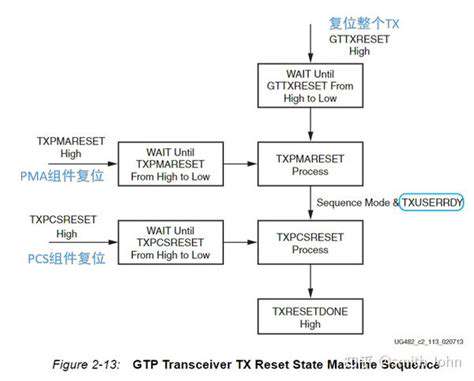
Field Programmable Gate Arrays (FPGAs) are unique integrated circuits that can be configured by the user after manufacturing. This ability to reprogram allows them to adapt to specific tasks, especially in AI workloads. The architecture of an FPGA consists of a matrix of programmable logic blocks, interconnects, and input/output blocks that can be tailored to various applications. The flexibility provided by FPGAs makes them suitable for a wide range of industries, including telecommunications, automotive, and aerospace.

Unlike Application Specific Integrated Circuits (ASICs), which are hardwired for a particular function, FPGAs can be updated and optimized for new algorithms. For instance, advancements in machine learning models may require adjustments in hardware for optimal performance. Thus, the ability to dynamically modify the FPGA architecture ensures that companies can stay ahead in a rapidly evolving technological landscape.

Performance Versus Efficiency in AI Processing

  • FPGAs offer a balance between performance and power efficiency.
  • They provide parallel processing capabilities beneficial for AI workloads.
  • Resource allocation can be customized based on application needs.

When it comes to AI hardware acceleration, achieving a balance between performance and efficiency is crucial. FPGAs excel in this regard by providing customizable architectures that facilitate parallel processing. This is particularly important for AI applications, which often require the simultaneous execution of multiple tasks to accelerate data processing. By using FPGAs, developers can implement complex algorithms without the steep power costs typically associated with high-performance computing.

Moreover, recent benchmarks show that FPGAs can outperform GPUs in specific scenarios, such as image processing tasks, where speed and efficiency are essential. The adaptability of FPGAs allows for optimization of resource allocation, meaning that companies can configure them to maximize performance based on their unique workload requirements. This capability makes FPGAs not just a Flexible Option, but a necessary one in many AI applications.

Future Trends and Innovations in FPGA Technology

The future of FPGA technology looks promising, especially with the rise of machine learning and artificial intelligence. Companies are increasingly integrating FPGAs into their AI solutions, leveraging their capabilities for advanced data analytics and real-time processing. As more industries recognize the potential of FPGAs, we can expect continued growth and innovation in this space, particularly in their design and application.

Recent innovations include improved programming models and higher-level design tools that simplify the FPGA configuration process, making it accessible to more developers. Additionally, the emergence of hybrid architectures that combine FPGAs with traditional CPUs and GPUs is a significant trend, enabling enhanced computational efficiency. This integration approach might become the norm in AI solutions where flexibility and performance optimization is crucial.

In conclusion, as AI continues to become an integral part of technology, the role of FPGAs in accelerating these processes is likely to expand. Engineers and developers are encouraged to explore FPGA capabilities, as harnessing their potential could lead to groundbreaking advancements in AI hardware structures.

Choosing the Right AI Hardware for Your Needs

Understanding Different Types of AI Hardware

When selecting AI hardware, it's essential to understand the various types available. The most prominent categories include GPUs, TPUs, and dedicated AI chips like FPGAs and ASICs. Each of these options has unique features that cater to specific types of AI workloads. For example, GPUs are highly versatile, making them a popular choice for deep learning tasks as they offer parallel processing capabilities.

On the other hand, TPUs, developed by Google, are tailored specifically for TensorFlow operations and can significantly accelerate computational performance compared to general-purpose chips. FPGAs offer flexibility through custom hardware configurations, while ASICs provide tailored solutions that optimize energy consumption and performance for specific AI applications.

Evaluating Your Performance Needs

Before investing in AI hardware, one must assess their performance requirements. Tasks such as natural language processing and image recognition have varying computational demands. For instance, image processing generally requires more power due to the complexity of the data involved. Evaluating the expected throughput and the model latency is crucial for selecting the right hardware solution.

Tools like benchmarks or performance metrics from previous projects can provide insights into your specific needs. Moreover, understanding your workload’s scale can help in determining whether a single machine is sufficient or if a distributed computing architecture is necessary, thus shaping your hardware choices further.

Energy Efficiency and Cost Considerations

Energy consumption and operational costs are critical factors to keep in mind while selecting AI hardware. The efficiency of the hardware can directly affect the total cost of ownership over time. Options like modern GPUs offer a good balance of performance and power usage, but models with higher computational abilities may lead to increased energy costs.

Additionally, consider the initial investment versus long-term operational costs. In many cases, more efficient hardware might come at a premium upfront but can reduce costs significantly in the long run due to lower electricity bills and cooling requirements.

Future-Proofing Your Investment

The fast-paced evolution of AI means that today's cutting-edge hardware might become outdated quickly. Therefore, it's vital to consider hardware that supports future upgrades or scaling. For instance, choosing systems that can easily accommodate additional GPUs or upgrading CPUs can extend the useful life of your investment.

Additionally, staying updated with industry trends can provide insights into emerging technologies that may influence your decisions. Assessing roadmaps or forecasts from reputable sources, such as industry research firms or hardware manufacturers, can help you make an informed choice on future-proofing your AI hardware.

Integration with Existing Infrastructure

When selecting AI hardware, compatibility with current IT infrastructure is a key consideration. Integration challenges can lead to significant delays and extra costs if your new hardware doesn't work seamlessly with existing systems. It's beneficial to assess the architecture of your current setup, including software platforms, databases, and communication protocols.

Plan by conducting a comprehensive review of your infrastructure's capabilities and limitations. Consulting with vendors about integration support and seeking community feedback on compatibility can save you future trouble, ensuring a smoother transition to the new hardware.

Vendor Support and Ecosystem

The choice of vendor for your AI hardware can have a significant impact on the overall experience of deployment and maintenance. It's crucial to evaluate vendors' support options, including warranty policies, customer service, and availability of expert consultations. A solid support landscape provides peace of mind as technical issues arise.

Moreover, examine the broader ecosystem that surrounds your chosen hardware. Some vendors offer rich software libraries, frameworks, and community resources that can enhance the capabilities of their products. Engaging with a vendor that fosters a robust ecosystem can facilitate faster development cycles and more effective troubleshooting.

Customization Vs. Off-the-Shelf Solutions

Deciding between custom hardware solutions and off-the-shelf products can significantly impact your AI projects. Custom hardware might offer superior performance tailored to specific workloads, but it typically entails longer lead times and higher costs. Conversely, off-the-shelf hardware can provide a quicker deployment but may fall short in meeting unique performance needs.

Evaluate the trade-offs carefully, aligning your choice with project timelines and budget constraints. In many cases, a hybrid approach, combining standard solutions with plug-and-play extensions, may strike the right balance between speed and customization in achieving optimal performance for your AI workloads.

Read more about AI Hardware Acceleration Explained

Guide to Understanding Machine Learning Fundamentals
May 02, 2025
What is Neuromorphic Computing? [Brain Inspired Tech]
Jul 07, 2025
How to Improve Your Gaming Performance on PC
Jul 24, 2025
Introduction to Machine Learning for Programmers
Aug 02, 2025
Guide to Setting Up a Multi Monitor Gaming Rig
Aug 07, 2025
The Power of AIIn today's fast-paced tech environment, enhancing software development productivity and quality is paramount. Artificial Intelligence (AI) is transforming the way teams approach code quality, project management, testing, and user experience. 1. Enhancing Code Quality with AI-Powered Tools Machine Learning's ImpactAI and machine learning (ML) are game-changers in code review processes. Leveraging advanced algorithms, these tools analyze code patterns, pinpointing potential errors often overlooked by human reviewers. With the ability to reduce errors by up to 30%, AI-driven code review tools optimize accuracy and help developers focus on complex challenges rather than tedious manual checks. Benefits of AutomationAutomated code review tools not only heighten code quality but also improve team efficiency. Developers report a productivity boost, with review times slashed by up to 70%. These tools enforce coding standards, fostering consistency across large codebases essential for collaborative software development. 2. Streamlined Project Management through AI AI Project Management ToolsAI-powered project management tools are increasingly indispensable. Platforms like Asana and Trello utilize ML algorithms to automate repetitive tasks, thus minimizing human error. Teams can anticipate potential roadblocks with predictive analytics, enhancing workflow efficiency. Enhancing Collaboration and Resource AllocationAI enhances team collaboration by providing real-time access to project information and enabling seamless communication. By intelligently assigning tasks based on individual strengths and workloads, AI tools help create a positive work environment while streamlining project execution. 3. Accelerating Testing Processes with AIAI-driven testing tools are revolutionizing the testing lifecycle by automating tasks, simulating user interactions, and generating insightful reports. Organizations adopting these technologies can expect a 30% reduction in release cycles, enhancing software reliability while allowing testers to concentrate on complex scenarios. 4. Personalizing User Experience through AIAI enables a tailored user experience by analyzing individual preferences and behaviors. Businesses can segment users effectively, crafting personalized marketing strategies that enhance satisfaction. AI-powered recommendations help align products with user needs, fostering deeper connections between companies and their customers. 5. AI Integration in DevOpsAI is reshaping DevOps practices by streamlining CI/CD processes, improving collaboration, and providing actionable insights for decision-making. Automated security measures are crucial in today's landscape, as AI tools identify vulnerabilities in real-time, ensuring robust security within the development pipeline. Future PerspectivesThe potential of AI in software development is boundless. Continuous advancements in machine learning and natural language processing are leading to smarter tools capable of adapting to user needs in real-time. Businesses that embrace AI will not only enhance their development processes but will also position themselves as industry leaders prepared to innovate rapidly.To stay ahead, organizations must invest in training and change management while ensuring that their AI implementations align with ethical standards, particularly regarding data privacy. ConclusionAI’s integration into development processes promises enhanced productivity, code quality, user experience, and significant cost savings. As the technology evolves, companies must remain proactive to leverage its full potential and drive their success in the digital marketplace.
Feb 08, 2026
Transforming Consumer TechnologyIn this rapidly evolving technological landscape, innovations like Artificial Intelligence (AI), Augmented Reality (AR), Wearable Technology, and Blockchain are redefining our interactions with various sectors, including retail and healthcare. The Rise of AI Personal AssistantsAI personal assistants, such as Amazon Alexa and Apple Siri, are now integral to daily life. With significant advancements in Natural Language Processing (NLP), these intelligent systems allow users to set reminders, control smart devices, and much more, enhancing overall user experience and efficiency. As per Statista, the smart speaker market is projected to exceed $35 billion by 2025, demonstrating consumers’ growing preference for these technologies. Beyond Personal AssistanceAI's application extends well beyond personal assistance. Within healthcare, AI is revolutionizing diagnostics and treatment personalisation, with algorithms indicating a potential to outperform human specialists in detecting diseases. In finance, AI enhances operational efficiency by processing vast dataset transactions and personalizing financial services, making it essential for strategic decision-making across many sectors. Augmented Reality: Shaping Consumer ShoppingAR technology integrates digital information with real-world environments, enhancing consumer experiences. Retail applications from brands like IKEA and Nike allow customers to visualize products in their space before purchase, significantly influencing shopping behavior. Statistics show that 71% of consumers would shop more often with AR features, turning mundane visits into engaging experiences. Wearable Technology's Health ImpactWearable devices have transitioned from simple fitness trackers to advanced health monitors, tracking parameters like heart rate and oxygen levels. With over 40% of Americans using health monitoring wearables, these technologies foster a shift toward proactive health management. However, concerns regarding data privacy prompt manufacturers to enhance security protocols, assuring consumers' sensitive information remains protected. Blockchain Technology: Building TrustBlockchain technology stands as a secure, decentralized system ensuring data integrity. Smart contracts permit self-executing agreements without intermediary involvement, driving transparency and efficiency in transactions. As businesses increasingly adopt these solutions, consumers can expect improved data privacy and control, emphasizing the importance of secure digital interactions. Conclusion: The Future of Consumer TechnologyThe transformation of consumer technology through AI, AR, wearables, and blockchain invites both excitement and caution. As these technologies advance, prioritizing ethical practices and consumer education is crucial. By balancing innovation with transparency, we pave the way for a future where technology enriches everyday life while ensuring user trust and safety.Stay informed about the latest trends and how these technologies can enhance your interactions in retail, healthcare, and beyond!
Feb 08, 2026
The Rise of Edge Computing
Feb 09, 2026
Innovations to WatchAs smartphone technology evolves rapidly, innovations like foldable displays, artificial intelligence, and sustainable materials are reshaping user experiences. This article explores key advancements that promise to enhance device functionality and design. Foldable and Rollable DisplaysFoldable displays are revolutionizing smartphones, enhancing portability while providing larger viewing areas. Major brands like Samsung and Huawei lead the charge, with projections stating that foldable devices may comprise up to 20% of the smartphone market by 2025. Meanwhile, rollable displays leverage advanced OLED technology to maintain a flat surface, increasing durability and longevity.Despite these benefits, challenges such as screen durability and software compatibility persist. Manufacturers must address these limitations to boost user adoption, especially as consumer preferences lean towards traditional designs for their simplicity. AI and Machine Learning IntegrationSmartphones are becoming personalized tools through advanced AI and machine learning. Features like smart predictive text and voice recognition are evolving, enhancing user satisfaction. Brands such as Apple and Google are integrating AI to create smarter, more efficient mobile experiences, including automated photography enhancements that allow even casual users to capture stunning images.Moreover, enhanced security features powered by AI are increasingly protecting user data and privacy, while AI-driven battery management aims to prolong the lifespan of devices by optimizing energy consumption. Enhanced Battery TechnologyThe emergence of lithium-sulfur (Li-S) batteries promises significantly higher energy density compared to traditional lithium-ion batteries. Research indicates that these batteries could lead to commercial availability by 2025, changing user expectations for battery longevity. Solid-state batteries also show promise with superior safety and performance, likely accounting for a sizable market share by 2030. Seamless Augmented Reality IntegrationAugmented reality (AR) is set to transform user interactions, enhancing navigation and e-commerce experiences. By allowing users to visualize products in their own space, AR dramatically improves engagement and satisfaction. Educational applications are also benefiting from AR, creating interactive learning environments that enhance knowledge retention. Sustainable Materials and Eco-Friendly DesignsThe drive for sustainability is prompting smartphone manufacturers to adopt eco-friendly materials like bioplastics and recycled metals. Modular designs that facilitate repairs are gaining traction, reducing electronic waste and aligning with consumer preferences for greener technology. Future innovations may even include biodegradable components, reflecting a growing commitment to environmental stewardship. ConclusionThe smartphone landscape is charting a new course with innovations in foldable displays, AI integration, battery technology, AR experiences, and sustainable practices. These advancements not only enhance user convenience and satisfaction but also shape a more sustainable future. As technology continues to evolve, consumers can anticipate exciting developments that harmonize functionality with ecological responsibility.
Feb 13, 2026
Essential Digital Skills and Emerging TechnologiesIn today's digital age, possessing fundamental digital skills is vital for navigating both personal and professional landscapes. This article explores several key areas of digital competence, including the essentials of digital literacy, effective online communication, and emerging technologies like the Internet of Things (IoT), artificial intelligence (AI), and blockchain. Understanding Digital LiteracyDigital literacy goes beyond basic device operation. It includes the ability to assess online information critically, enhancing both personal safety and professional prospects. As industries increasingly integrate technology, enhancing digital skills through online courses, tutorials, and hands-on experience is indispensable. Core Computer Skills Mastering basic computer skills is crucial. Understanding operating systems and software applications, as well as practicing online searches and data management, can position individuals for career success. Additionally, being adept at file security, including recognizing phishing scams and utilizing cloud storage, is essential for safeguarding personal and professional information. Effective Online CommunicationWith the rise of remote interactions, mastering online communication has become more important than ever. Techniques including email etiquette, social media engagement, and video conferencing are essential in maintaining professionalism and positive reputations online. Understanding privacy settings also enhances secure interactions. Enhancing Online Research SkillsSuccessful online research is critical for both academic and personal decision-making. The ability to locate, evaluate, and synthesize information from reliable sources is a vital skill. Continuous practice through projects or targeted workshops can significantly improve research methodologies. Cybersecurity AwarenessAmidst increasing connectivity, awareness of cybersecurity threats is crucial. Understanding potential threats, such as malware, phishing, and data breaches, enables users to adopt protective measures. Implementing strong passwords, two-factor authentication, and keeping software updated can fortify defenses against cyber incidents. Introduction to IoTThe Internet of Things (IoT) represents a network of interconnected devices that communicate data seamlessly. Its applications range from smart home devices to healthcare innovations. The growing number of connected devices presents both opportunities and challenges in security and interoperability. AI Integration in Daily LifeArtificial Intelligence (AI) is revolutionizing user experiences through personal assistants, predictive algorithms in services, and improvements in various industries. While providing efficiency and personalized experiences, AI also brings challenges related to data privacy and algorithmic bias. Blockchain Technology ExplainedBlockchain technology serves as a foundation for cryptocurrencies and offers far-reaching possibilities beyond financial transactions. Its decentralized nature enhances data security and transparency across sectors, including finance, supply chain, and healthcare. However, challenges such as scalability and regulatory uncertainty remain. Cyber Threats and Safety PracticesAwareness of cyber threats is paramount for digital safety. Implementing best practices such as creating robust passwords, utilizing firewalls, and conducting regular data backups can safeguard against data loss and breaches. Continuous education and proactive measures are essential in maintaining a secure digital environment.As we continue to evolve in this digital landscape, cultivating these essential skills and understanding emerging technologies will empower individuals and organizations alike, paving the way for a more secure and innovative future.
Feb 14, 2026
Tailoring User ExperiencesIn the digital age, creating personalized experiences is vital for engaging users and maximizing satisfaction. Companies can significantly enhance user interactions by studying user behavior, leveraging AI technology, and implementing feedback loops that adapt to individual needs. This approach fosters deeper connections and a more rewarding online experience. Understanding User Preferences for Tailored ContentTo develop effective personalized experiences, it is essential to analyze user behavior, including browsing history, previous purchases, and demographic information. For instance, platforms like Netflix utilize advanced algorithms to recommend shows based on users' past viewing habits, resulting in an 80% increase in user engagement. Such personalization not only helps retain customers but also makes the content feel more relevant and enjoyable. Dynamic Customization Using AI TechnologyAI facilitates real-time content customization, adapting displays and offers based on user interactions. E-commerce platforms, for example, can modify product suggestions dynamically, enhancing the shopping journey. Establishing a real-time feedback loop ensures that businesses can engage users effectively while consistently meeting their evolving needs. The Importance of Feedback in PersonalizationUser feedback is crucial for refining personalized offerings. By encouraging users to share their opinions through surveys or direct communication, businesses can gain valuable insights into customer preferences. Consistently incorporating this feedback into service iterations fosters loyalty while aligning offerings with user expectations. Streamlined Navigation and AccessibilityNavigating a website or application shouldn't be a challenge. AI tools that personalize user onboarding improve the understanding and usability of platforms, thus enhancing retention rates. According to research, 76% of users appreciate tailored onboarding experiences that introduce features gradually and adapt to individual learning curves.Further, AI plays a pivotal role in improving accessibility for users with disabilities. Speech recognition and text-to-speech technologies can significantly enhance user engagement, allowing everyone to interact meaningfully with digital content. Harnessing Predictive Analytics for Decision-MakingPredictive analytics is transforming how businesses make decisions by leveraging historical data to forecast future trends. Retailers, for example, can anticipate stock shortages and tailor purchasing strategies based on predictive models. This data-driven approach is not only efficient but also significantly enhances overall operational effectiveness. Continuous Learning and ImprovementAI's role in continuous learning is crucial. By employing machine learning algorithms, organizations can tailor educational frameworks to user needs, creating individualized learning experiences. Integrating technology such as virtual and augmented reality enhances this aspect even further, providing immersive educational environments. Enhanced Security and TrustworthinessIn today’s digital landscape, security is paramount. Advanced encryption techniques, such as end-to-end encryption and multi-factor authentication, provide robust security solutions that greatly reduce risks associated with data breaches. Ensuring user transparency in data practices also builds trust, fostering stronger relationships with customers.AI-driven threat detection systems enable organizations to monitor for unusual patterns, enhancing cybersecurity measures and response times to potential risks.In conclusion, by investing in personalized experiences, organizations can not only meet user expectations but also build deeper trust and loyalty. Leveraging AI, predictive analytics, and user feedback creates a more intuitive and engaging online experience that drives satisfaction and success.
Feb 14, 2026
The Future of Smart Home Technology, Wearables, AR/VR, Sustainability, and PersonalizationDiscover the latest advancements in technology that are revolutionizing our everyday lives. This comprehensive guide explores the most significant innovations across various sectors, including smart home tech, wearable health devices, augmented and virtual reality, sustainable gadgets, and personalized technology. Smart Home InnovationsSmart home technology is transforming the way we live, providing increased convenience and security. The global smart home market is projected to reach approximately $174 billion by 2025, propelled by artificial intelligence and user-friendly automation systems. Smart thermostats optimize energy usage by learning user habits, while smart lighting and speakers enhance home ambiance. These devices not only make daily tasks simpler but also significantly lower energy consumption. Wearable Technology AdvancementsWearable technology, including devices like smartwatches and fitness trackers, has seen tremendous growth with advancements in biometric sensors. Products now offer ECG monitoring and blood oxygen level tracking, empowering users to stay attuned to their health. Artificial intelligence plays a crucial role by providing personalized recommendations, tailoring workout plans, and enhancing predictive health analytics. With an anticipated market growth exceeding $100 billion by 2024, the demand for multifunctional health-focused wearables is set to skyrocket. Augmented and Virtual Reality ExperiencesAugmented reality (AR) and virtual reality (VR) are reshaping multiple industries. Companies like Microsoft and Facebook are pushing the envelope by integrating AR and VR into training, healthcare, and retail. The AR and VR market is expected to surpass $200 billion by 2026, offering innovative ways to educate, engage, and enhance customer experiences. Despite challenges in cost and user education, the potential applications in gaming, real estate, and medical training present unparalleled opportunities for growth. Sustainable Tech GiftsConsumers are increasingly prioritizing eco-friendly technology, with 73% willing to pay more for sustainable options. Innovations include biodegradable products, energy-efficient devices, and devices made from recycled materials. Sustainable gifts like solar chargers, energy-efficient smart home devices, and reusable smart notebooks not only cater to user utility but also contribute to environmental conservation. Brands with credible green certifications reflect a commitment to sustainability and resonate well with conscientious consumers. Personalized Tech GadgetsThe trend of customization in tech gadgets is on the rise, with a market growth prediction of 15% annually. Consumers, especially younger demographics, prioritize personalization, desiring gadgets that reflect their individual style and preferences. Companies are leveraging artificial intelligence and machine learning to create more tailored experiences, enhancing user satisfaction and loyalty. The future of personalized technology looks bright, with advancements likely to expand into realms like AR and VR. ConclusionThe intersection of innovation and user-centric design is shaping the future of technology. As we advance, staying informed about these trends will empower both consumers and businesses to make decisions that reflect evolving preferences and values. Whether it's enhancing home life through smart technology, monitoring health with wearables, enjoying immersive AR/VR experiences, opting for sustainable gadgets, or personalizing tech products, the possibilities are endless. Embrace the future of technology that not only promises convenience but also focuses on health, sustainability, and personal expression.
Feb 16, 2026
View Publication>>