A Practical Guide to Understanding Modern Technology
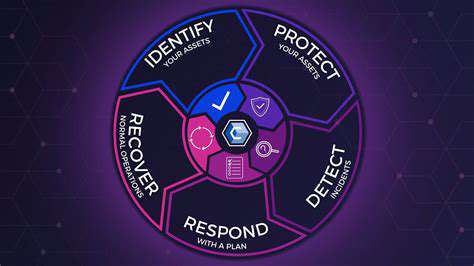
Understanding Cyber Threats
Cyber threats come in various forms, each designed to compromise personal and organizational integrity. It's essential to be aware of different threats like malware, phishing, and ransomware. For instance, malware can infiltrate systems through deceptive downloads or links, often leading to severe data breaches. Research indicates that nearly 60% of small businesses close within six months of falling victim to a cyberattack, showcasing the importance of vigilance.
Phishing scams have become increasingly sophisticated, presenting themselves as legitimate communications. These attacks often trick individuals into revealing sensitive information, like passwords or credit card details. For example, a recent report found that phishing attacks increased by over 30% in the past year alone, emphasizing the need for continuous education on recognizing suspicious emails and links.
Best Practices for Online Safety
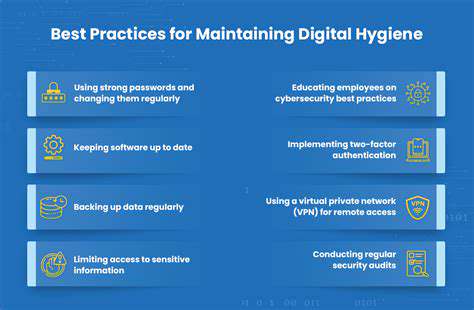
- Utilizing strong and unique passwords for different accounts.
- Enabling two-factor authentication wherever possible.
- Regularly updating software and applications.
To maintain a secure digital footprint, adopting strong passwords is critical. Experts recommend a minimum password length of 12 characters and a mix of upper and lower case letters, numbers, and symbols. This practice significantly reduces the likelihood of unauthorized access. Furthermore, using password managers can help in generating and remembering complex passwords.
Alongside password safety, two-factor authentication (2FA) serves as an extra layer of defense. By requiring a second form of identification, such as a text message confirmation or biometric verification, users can fortify their security. It's important to set up 2FA on any accounts that support it, as it can vastly reduce the risk of hacking.
Regular Software Updates
Keeping software and systems updated is a fundamental aspect of cybersecurity. Software developers frequently issue updates that patch security vulnerabilities exploited by cybercriminals. Organizations that delay software updates expose themselves to unnecessary risk. An astonishing 60% of breaches occur due to outdated software. Therefore, it is prudent to schedule regular updates, ensuring all systems are running the latest versions.
The Role of Firewalls and Antivirus Software
Firewalls act as a barrier between your computer network and potential threats. Implementing effective firewall solutions can deter unauthorized access and protect sensitive data. Additionally, antivirus software is a crucial component of a cybersecurity arsenal since it identifies and mitigates threats before they can cause harm. Keeping this software updated is just as important as ensuring your operating system is secure, as new threats emerge daily.
Backing Up Your Data
Regular data backup can be a lifesaver in the event of a cyber incident. By creating redundant copies of critical information, users safeguard against data loss from ransomware attacks or hardware failures. Storing backups in multiple locations, both physical and cloud-based, is advisable. The 3-2-1 backup rule—three total copies of data, two local but on different devices, and one off-site—is a widely recommended strategy.
It's also crucial to routinely test backup systems to ensure that data recovery processes function correctly. Many individuals and businesses discover too late that their backups are corrupted or incomplete. Hence, regular testing and updating of backup strategies should be part of any comprehensive cybersecurity plan.
Continuous Education and Awareness
Staying informed about the evolving landscape of cybersecurity threats is vital for both individuals and organizations. Regular training and awareness programs can significantly enhance preparedness against potential cyberattacks. Engaging in workshops, webinars, and online courses can equip users with the tools they need to recognize and respond to threats. Also, sharing experiences and strategies within communities can foster a stronger defense network.
Cybersecurity is an ever-changing domain, and complacency can lead to dire consequences. By fostering a culture of continual learning and vigilance, individuals and organizations can better protect their digital lives. Organizations should also invest in regular security audits to assess vulnerabilities and compliance with cybersecurity protocols.
Read more about A Practical Guide to Understanding Modern Technology
![Best Password Managers Compared [Security & Features]](/static/images/25/2025-05/AdditionalFeaturesandUserExperience.jpg)





Hot Recommendations
- Smart Home Security Systems Explained
- Best Portable Monitors Reviewed
- How to Choose the Right Router
- How Computer Vision Works Step by Step
- Best Budget Smartphones Worth Buying
- Smartphone Camera Comparison: Who Takes the Best Photos
- Laptop Battery Life Comparison: Which Models Last the Longest
- Best Monitors for Work and Productivity
- Blockchain Use Cases Beyond Cryptocurrency
- How Software Defines Modern Hardware