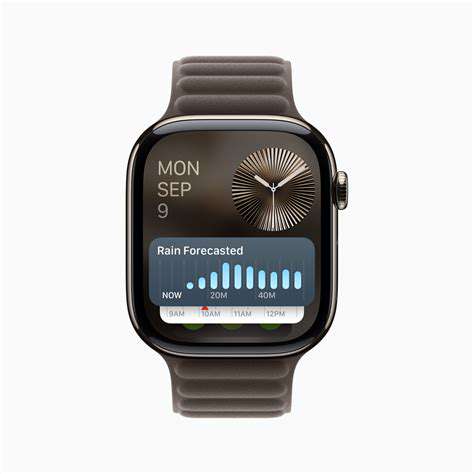
Apple Watch vs Android Smartwatches
Health and Fitness Tracking Features
Heart Rate Monitoring Capabilities
The Heart Rate Monitoring feature in smartwatches has advanced significantly, particularly in devices like the Apple Watch and high-end Android alternatives. These devices often utilize photoplethysmography, which measures blood volume changes in the wrist. This technology allows users to gain real-time feedback during workouts, making it an essential tool for those looking to optimize their fitness efforts.
Apple Watches, for example, not only track resting and active heart rates but also provide notifications for irregular heart rhythms, potentially alerting users to medical concerns. In contrast, many Android smartwatches, like those from Fitbit, offer a similar feature with additional functionalities like SpO2 monitoring, which tracks blood oxygen levels and can indicate respiratory issues. Understanding heart rate trends can help users adjust their activity levels to avoid overtraining or undertraining.
Activity and Workout Tracking Efficiency
Both Apple Watch and Android smartwatches boast sophisticated Activity Tracking Capabilities, but they do differ in how they present data and handle different types of workouts. Apple Watch automatically records various activities and utilizes the Apple Fitness+ platform to provide personalized workout plans, which can engage users more effectively. Its seamless integration with the iOS ecosystem also allows for easy sharing of fitness milestones with friends.
Sleep Monitoring Functions
Sleep tracking is becoming a crucial aspect of health monitoring, and both major smartwatch platforms offer this capability. The Apple Watch has advanced sleep tracking features that analyze sleep duration and quality, integrating data into the Health app for comprehensive insights. Users can view trends over time to adjust their habits accordingly, which is essential for improved sleep hygiene.
GPS and Navigation Tools
GPS functionality is a major consideration for fitness enthusiasts, allowing users to track distance during runs or cycling expeditions without having to carry a smartphone. Both Apple Watch and select Android devices are equipped with built-in GPS, providing accurate real-time location data. However, the Apple Watch’s integration with Apple Maps offers seamless navigation for users on the go, making it particularly appealing for outdoor enthusiasts.
In contrast, certain Android watches can partner with Google Maps, providing similar navigation assistance. However, the experience may vary depending on the brand and model. For those who frequently navigate while exercising, selecting a watch with robust GPS capabilities is highly advisable.
Integration with Other Health Apps
Integration with third-party health and fitness applications can enhance the functionality of smartwatches significantly. Apple Watch users benefit from a comprehensive array of compatible apps, including MyFitnessPal and Strava, all of which integrate seamlessly with the Health app. This allows for a holistic view of health data, enabling more informed choices.
On the other hand, Android smartwatches benefit from the open-source nature of the platform, allowing greater customization and integration options. Users can choose from a large selection of health apps, some of which may offer unique insights or features not available on Apple’s ecosystem. Ultimately, the best choice depends on an individual's preference for app specifics, as well as the type of data they wish to track consistently.
Battery Life and Performance
Understanding Battery Life Specifications
When comparing battery life across different smartwatches, several factors come into play. For instance, the Apple Watch typically boasts around 18 hours of usage on a single charge, depending on the model and user habits. In contrast, many Android smartwatches can provide significantly longer battery life, often reaching two days or more, particularly models from brands like Garmin and Fossil which focus on endurance.
It’s important to note that battery life can vary considerably based on usage patterns. Notifications, workouts, and even the use of GPS significantly impact how long a watch will last between charges. While Apple concentrating on power efficiency with watchOS features aims to improve overall duration, some Android devices use larger batteries or energy-saving modes to stretch their longevity further.
Real-World Performance Analysis
In day-to-day use, the actual battery performance may differ from the manufacturer’s claims. Users often report that for most smartwatches, including the latest Apple Watch series, the battery life tends to deplete faster during heavy app usage or when tracking workouts continuously. For example, most users find that physical activities can reduce the usable battery life by a few hours, which is a noticeable perspective for fitness enthusiasts.
On the other hand, Android smartwatches such as those from Samsung or Mobvoi usually offer features that help save battery life without compromising essential functionalities. This flexibility allows users to switch to less power-intensive settings, potentially extending the wearable’s useful hours even under high-demand scenarios. It's essential for prospective buyers to consider these aspects based on their usage needs.
Ultimately, a real-world comparison often reveals the nuances that specifications alone cannot. Therefore, seeking user reviews and expert tests can provide further insights into how long these devices truly last across varied conditions.
Charging Technology and Time
The charging mechanisms also play a crucial role in assessing the overall user experience with smartwatches. The Apple Watch employs a magnetic charging cable that is convenient but may take around 1.5 to 2 hours to achieve full charge capacity. In contrast, many Android devices offer faster-charging options, such as Qualcomm Quick Charge, enabling more rapid rejuvenation of battery life, which can be particularly advantageous during a busy day.
For those who are always on the go, the capability of a smartwatch to charge quickly becomes a significant selling point. Some models can offer sufficient power for a day's usage after just 30 minutes of charging, which is ideal for users who may forget to plug in their devices overnight or need a quick top-up before heading out.
Choosing the Right Smartwatch for Your Lifestyle
When evaluating battery life and performance, it's essential to think about your daily routine and needs. If you're an active individual who tracks workouts regularly and relies heavily on notifications, an Android smartwatch with extended battery life and robust features might serve better in your situation. For users who prefer a seamless connection to their Apple devices and can charge daily, the Apple Watch remains a compelling choice.
User preferences can significantly sway the decision as well. Some may prioritize smart features over battery longevity, while others might be more concerned with how often they'll need to reach for the charger. Hence, it's advisable to assess these factors closely before making a purchase, as finding the right balance can lead to a satisfying user experience in the long run.
Pricing and Value for Money

Comparative Pricing Overview
When evaluating the cost of smartwatches, both Apple and Android devices cater to distinct market segments. Apple watches tend to be positioned at a higher price point, with entry-level models starting around $249 and going up significantly for premium editions, which can exceed $1,000. In contrast, Android Smartwatches are considerably more varied in pricing, with options available for as low as $100, and flagship models often priced between $300 and $600. This price diversity allows consumers to select devices that align closely with their budget and feature preferences.
It's noteworthy that while Apple devices come with premium pricing, they also provide a well-integrated ecosystem. For users already familiar with iOS, investing in an Apple Watch can yield significant value, thanks to its seamless interaction with other Apple products. Conversely, those who prefer more flexibility and choice may find the Android ecosystem appealing, where brands like Samsung, Fossil, and Garmin offer diverse features and functions often at lower costs.
Assessing Value for Money
Value is subjective but crucial when choosing between smartwatches. Users often consider the long-term benefits of the watch versus the initial investment. The Apple Watch frequently receives praise for its build quality, user interface, and fitness tracking capabilities. Many reports suggest that its longevity and efficiency, particularly with health monitoring features, justify the higher price. Android watches, however, provide Cost-effective Options that can include solid features such as customizable interfaces and various apps, although some users may experience inconsistencies in performance.
- Apple Watch offers superior integration with Apple's ecosystem.
- Android devices provide a broader range of price options and customization.
- Long-term value may differ based on compatibility with existing devices.
- Health monitoring features are highly regarded in Apple models.
- Cost-benefit analysis greatly depends on personal usage patterns.
For those who prioritize aesthetics, functionality, and an integrated experience, the investment in an Apple Watch may be more worthwhile. Meanwhile, budget-conscious consumers or those seeking flexibility might find Android Smartwatches more suitable for their needs. Ultimately, evaluating individual requirements will dictate which smartwatch offers the best value for money.
Read more about Apple Watch vs Android Smartwatches