Technology
User Experience
Smartphones
Innovation
Durability
Pricing Strategies
Market Dynamics
Consumer Sentiment

Foldable Smartphones: Are They Worth It

Index

  • Smartphones have evolved from bulky designs to sleek, functional devices.

  • The original iPhone set a new standard for smartphone aesthetics.

  • Phablets emerged due to consumer demand for larger screens by 2012.

  • Foldable smartphones showcase innovative designs and modern technology.

  • Camera systems changed user expectations for mobile photography significantly.

  • Durability and material quality have improved in modern smartphone designs.

  • Foldable phones enhance multitasking with larger, split-screen capabilities.

  • Portability is a key advantage of foldable smartphones without sacrificing size.

  • Durability concerns exist due to flexible screens in foldable smartphones.

  • Software optimization is crucial for an enhanced user experience in foldables.

  • Foldable smartphones face high pricing challenges affecting consumer interest.

  • Market demand for foldable devices is anticipated to grow significantly.

  • Technological advancements are enhancing foldable smartphone durability and functionality.

  • Consumer feedback on foldables is mixed due to durability concerns.

  • Foldables offer larger displays, merging phone and tablet functionalities.

  • Future innovations may include rollable screens and AI integration.

The Evolution of Smartphone Design

Historical Milestones in Smartphone Design

Smartphones have undergone a remarkable transformation since their initial introduction. Initially, devices like the IBM Simon, released in 1994, featured a bulky design and limited functionality. As technology advanced, the late 2000s saw the emergence of the first true smartphones—like the original iPhone in 2007. Its introduction of a touch interface and a sleek design revolutionized the market, setting a new standard for what a smartphone could be.

The following years were marked by rapid advancements. By 2012, manufacturers started experimenting with larger screens, leading to the phablet trend, illustrated by the launch of the Samsung Galaxy Note. This model showcased how design could not only enhance functionality but also appeal to consumer preferences for multimedia consumption and productivity tools.

Fast forward to today, and we see a shift towards more Innovative Designs, particularly foldable smartphones. The release of the Samsung Galaxy Fold in 2019 represents a pivotal moment in this evolution, combining cutting-edge technology with aesthetic appeal. The design challenges and engineering feats required for foldable devices illustrate how far the industry has come, pushing the boundaries of not just smartphones but also consumer electronics as a whole.

Key Design Innovations and Their Impact

With each iteration of Smartphone Design, manufacturers have introduced key innovations that not only enhance usability but also transform user experience. For instance, the inclusion of dual and triple camera systems in smartphones has shifted consumer expectations about mobile photography, turning ordinary users into avid photographers. Recent statistics show that nearly 92% of people utilize their smartphones for photo-taking, highlighting the impact of design on functionality.

Moreover, materials have evolved significantly. The transition from plastic to premium materials like glass and aluminum not only boosts durability but also elevates perceived value. This shift, combined with features like wireless charging and water resistance, reflects a trend towards not just practical but also aspirational smartphone design.

Looking ahead, the integration of flexible displays could redefine how we interact with our devices entirely. As brands like Huawei and LG continue to explore this technology, we may soon see screens that roll or stretch to transform from a phone into a tablet. Such innovations are not just gimmicks; they have the potential to change the way users engage with content on their devices, making the evolution of smartphone design a critical area to watch in the coming years.

Key Advantages of Foldable Smartphones

Enhanced Multitasking Capabilities

One of the most touted advantages of foldable smartphones is their ability to facilitate Improved Multitasking. With a larger display area when unfolded, users can seamlessly run multiple apps side by side, enhancing productivity. For instance, a study by IDC showed that 55% of professionals believe multitasking is crucial to their work efficiency. This means you can easily respond to emails while keeping a video call open, which is often a challenge with traditional smartphones.

Moreover, the folding screens allow for a unique split-screen feature that isn’t typically available on standard devices. This not only enhances User Experience but also transforms how tasks are approached, making it possible to view documents while taking notes or conducting research. Consequently, foldable smartphones suit students and professionals alike, who require device versatility to balance work and personal life.

Portability Without Compromise

Another significant advantage is the portability of foldable smartphones without sacrificing screen size. When folded, these devices are compact and easy to carry, fitting comfortably in pockets or small bags. For example, the Samsung Galaxy Z Fold series has dimensions comparable to standard smartphones, yet when unfolded, it offers a tablet-like experience, which is remarkable. Many users find this combination ideal for travel, where space is at a premium.

Despite their complex mechanisms, manufacturers have made strides in ensuring durability. According to research from Counterpoint Research, foldable smartphones have seen a 15% decrease in failure rates over the past year due to advancements in hinge design and screen materials. This innovation means that users can enjoy a large display on-the-go, which adds tremendous value for those who need a robust and spacious digital workspace.

Challenges and Considerations

Durability Concerns

One of the primary challenges facing foldable smartphones is their Long-term Durability. Unlike traditional smartphones, which have a robust glass or metal construction, foldables depend on flexible screens that can be damaged by repeated bending. Industry testing indicates that while some devices may withstand over 200,000 folds, real-world usage often leads to issues much sooner.

Notably, the hinges used in these devices are under immense stress every time the device is opened or closed. This stress can lead to mechanical failures, such as misalignment or a complete breakdown of the folding mechanism. Users must weigh these concerns against their typical usage patterns before investing in such technology.

User Experience and Software Optimization

The user experience of foldable smartphones significantly differs from that of traditional models, primarily due to the unique form factor. Operating systems like Android have made strides in optimizing apps for larger screens and multi-window functionality. Companies like Samsung have implemented features that allow users to take advantage of the increased screen real estate, enhancing productivity.

However, not all apps are fully optimized for foldable displays, which can lead to inconsistent experiences. Users might find that certain applications do not take full advantage of the foldable capabilities, leading to frustration. Therefore, careful consideration of software support is essential when choosing a foldable smartphone.

Market Position and Pricing Strategies

The pricing of foldable smartphones is another challenge, as they typically come with a premium label. For instance, devices like the Samsung Galaxy Z Fold series or Huawei Mate X can cost significantly more than flagship models. This elevated price point can deter potential buyers, particularly those who may not see the value in additional features compared to traditional smartphones.

Moreover, as manufacturers face competition and strive to enhance their products, pricing strategies are evolving. While initial models were marketed as luxury items, increasing production efficiency could lead to more competitive pricing in subsequent generations. Consumers should keep an eye on these market trends to make informed purchasing decisions.

Market Trends and Consumer Reception

Current Market Dynamics

The Foldable Smartphone Market has seen significant investment from major tech companies, with brands like Samsung and Huawei leading the charge. According to a 2023 report by IDC, shipments of foldable devices are set to exceed 19 million units by 2025, showing robust growth compared to traditional smartphones. This upward trend indicates a strong consumer interest in innovative form factors that maximize screen real estate.

Market dynamics are influenced not only by technology but also by pricing strategies. As production costs decrease, it's expected that foldable smartphones will become more affordable, thereby reaching a wider audience. This price drop could entice budget-conscious consumers who have previously overlooked this segment due to high price tags.

Technological Advancements Driving Adoption

One of the key factors driving the adoption of foldable smartphones is the rapid evolution of flexible display technology. Companies are investing heavily in improving durability and functionality, as earlier models faced criticism for fragile screens. Recent advances, such as Gorilla Glass Victus, have made devices more resilient, marking a crucial milestone for consumer acceptance.

Furthermore, manufacturers are focusing on enhancing the multitasking capabilities of foldable devices. Features like split-screen functionality and app continuity have been optimized, allowing users to transition seamlessly between different tasks. Innovations such as these are vital in appealing to productivity-oriented consumers.

Consumer Sentiment and Feedback

Customer feedback on foldable phones has revealed a mixture of excitement and skepticism. Users appreciate the innovative design as it allows for larger displays without increasing pocket size. However, many consumers express concerns about durability and software compatibility. A survey conducted by Strategy Analytics indicates that 37% of potential buyers are still hesitant due to these concerns.

Comparative Analysis with Traditional Smartphones

When comparing foldable smartphones to their traditional counterparts, several unique selling points emerge. Foldable devices offer a distinct advantage in terms of screen size, merging the qualities of a tablet with those of a phone. The additional screen real estate can enhance gaming, streaming, and multitasking experiences significantly.

Moreover, the novelty factor cannot be ignored. Many consumers are attracted to foldable models simply for their unique design and the impression it conveys. This psychological appeal can often lead to a willingness to pay a premium, reflecting how consumer behavior can shift with innovative products.

Long-Term Viability and Market Predictions

Experts predict that as technology continues to mature, foldable smartphones will become more mainstream. A report from Counterpoint Research suggests that by 2028, foldable devices are anticipated to make up 10% of the overall smartphone market. This trajectory indicates a significant turning point for product acceptance beyond niche markets.

Challenges Facing Foldable Smartphones

Despite the optimism, several challenges remain. One of the most pressing issues is the lack of a comprehensive ecosystem of apps optimized for foldable screens. Many existing applications have not yet taken full advantage of the dual-screen experience, which can hinder user satisfaction and overall functionality.

Additionally, there are ongoing concerns regarding consumer education. Many potential buyers may be unaware of the specific benefits and functionalities that foldable smartphones offer compared to traditional devices. This gap in understanding may slow down adoption rates, emphasizing the need for enhanced marketing strategies.

Future Prospects and Innovations

The future of foldable smartphones lies in continuous innovation, particularly around use cases that specifically leverage their unique designs. Companies are exploring concepts such as rollable screens and flexible batteries that could redefine user interaction even further. By diversifying product offerings and improving core technology, manufacturers can maximize market potential.

Looking ahead, integrating features such as artificial intelligence for better user interfaces or augmented reality capabilities could also play a significant role. These advancements not only improve functionality but can also create entirely new user experiences that were previously unimaginable, putting foldable smartphones on the cutting edge of technology and consumer expectation.

Read more about Foldable Smartphones: Are They Worth It
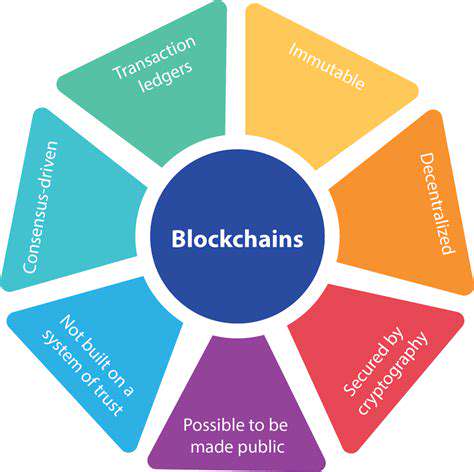
A Comprehensive GuideBlockchain technology is a groundbreaking decentralized ledger system that enables secure and transparent record-keeping across multiple computers. This innovative architecture ensures data immutability, allowing participants to trust the integrity of the information stored. In this article, we dive into the core components, applications, challenges, and future prospects of blockchain technology. What is Blockchain Technology?At its essence, blockchain technology consists of blocks of data linked through cryptographic hashes, forming an unbreakable chain. Nodes—computers within the network—participate in transaction verification via consensus mechanisms such as Proof of Work and Proof of Stake, ensuring integrity and security. Key Components:- Blocks: Contain transaction data, timestamps, and the preceding block's hash.- Nodes: Verify and maintain the blockchain.- Consensus Mechanisms: Ensure all nodes agree on transaction validity. Applications Beyond CryptocurrencyBlockchain's applications extend far beyond cryptocurrencies. Sectors like finance, supply chain management, and healthcare explore ways to leverage its features for enhanced efficiency. Blockchain enables faster cross-border transactions, improves accountability in product tracking, and securely manages patient records. Challenges Facing AdoptionDespite its transformative potential, blockchain technology faces obstacles, including:- Scalability: Many networks struggle to handle high transaction volumes, leading to slower speeds and increased costs.- Regulatory Uncertainty: Inconsistent regulations worldwide create hesitance among businesses to adopt blockchain solutions.- Cybersecurity: Vulnerabilities exist within blockchain applications, calling for robust security frameworks. The Future of BlockchainAs blockchain technology evolves, we anticipate enhanced integration with other technologies like AI and IoT. Industry standards will likely emerge to facilitate interoperability, expanding blockchain use across multiple sectors. Embracing education and transparency will be key for businesses looking to leverage this technology effectively. ConclusionIn conclusion, blockchain technology signifies a monumental shift in data management, security, and operational efficiency. Early adopters stand to benefit immensely by understanding both the advantages and challenges that come with implementing blockchain. By addressing current hurdles and promoting collaborative innovation, we can pave the way for a more efficient and transparent digital future.Explore the intricacies of blockchain technology and its enduring impact on various industries. Stay updated with current trends and innovations to unlock the full potential of this transformative technology.
Apr 23, 2025
How to Secure Your Smart Home Devices
May 16, 2025
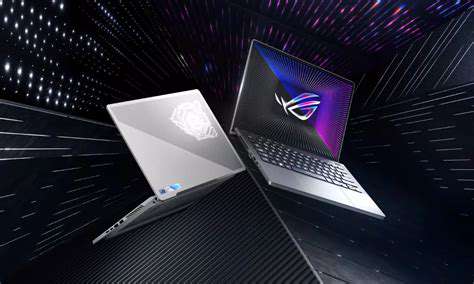
Your Comprehensive GuideAs we step into 2025, the laptop market showcases a variety of remarkable devices catering to different needs. Whether you're a professional, gamer, or casual user, understanding the range of laptop categories—ultrabooks, gaming laptops, 2-in-1s, and business machines—is essential for selecting the right model. Key Features to ConsiderWhen shopping for a laptop, prioritize key specifications like the processor, graphics, battery life, and storage. Look for models with Intel’s latest Core i7 or AMD's Ryzen 7 processors that offer superior multitasking. Graphics performance is crucial for gamers and creatives alike, while high-resolution displays enhance multimedia experiences. Don't overlook battery life—2025 models can last 10 to 20 hours. Leading Brands of 2025This year, top-performing brands include Apple, Dell, Razer, Lenovo, and HP. The Apple MacBook Pro impresses with seamless integration and premium quality. Dell's XPS series attracts professionals with its superior displays, while Razer leads in gaming innovation. Lenovo’s ThinkPad excels in durability and functionality, and HP’s Spectre line strikes an ideal balance between aesthetics and performance. Affordable Options Still ShineFor budget-conscious buyers, models such as the Acer Aspire and ASUS VivoBook provide excellent specifications without breaking the bank. These laptops are perfect for students and everyday users, delivering reliable performance for browsing, streaming, and light productivity tasks. Future Trends in Laptop TechnologyThe landscape of laptops in 2025 is evolving with trends like AI-driven functionalities, enhanced security features, and eco-friendly materials. Foldable screens are beginning to emerge, promising transformative designs that enhance multitasking and portability. Making the Right ChoiceSelecting the best laptop boils down to understanding your personal needs. Assess whether you prioritize portability, gaming capabilities, or professional functionality. By staying informed about the latest tech developments and reading user feedback, you can find a laptop that meets your demands today and adapts to your future needs. Featured Laptops of 20251. Apple MacBook Pro 16-inch (2025): Unmatched processing power with the M3 Pro chip, lasting up to 22 hours on a single charge. 2. Dell XPS 15 (2025): A perfect blend of design and performance, featuring a 4K OLED display and robust Intel Core processors.3. ASUS ROG Zephyrus G14 (2025): An ultra-portable gamer’s dream with a powerful AMD Ryzen 9 and NVIDIA GeForce RTX 4060 for seamless gaming.4. Lenovo ThinkPad X1 Carbon (9th Gen): Known for its exceptional battery life and iconic keyboard, providing a superior user experience for professionals. ConclusionInvesting in a laptop is a significant decision. It’s vital to weigh features against your personal requirements to ensure that you select the right match for your endeavors in 2025. With this guide, you’re equipped to navigate the vast options and make an informed purchase based on your lifestyle and preferences.
Feb 05, 2026
1. Noise-Canceling Technology Types - Active Noise Cancellation (ANC): Utilizes microphones to counteract external sounds. - Passive Noise Isolation: Depends on headphone design to block out noise. 2. Sound Quality - Prioritize models that deliver balanced audio across all frequencies, enhancing your overall listening experience. 3. Comfort and Fit - Choose designs that suit your personal comfort, especially for extended use. Over-ear models often provide superior cushioning. 4. Battery Life and Charging - Look for options with at least 20 hours of use per charge. Features like quick charging add significant value. 5. Brand Reliability and User Reviews - Opt for reputable brands and consult user feedback to gauge real-world performance. Health Benefits and Productivity EnhancementsNoise pollution can contribute to stress and sleep issues. Integrating noise-canceling headphones into daily routines fosters a more peaceful environment, enhancing focus and productivity. This is especially important in shared workspaces or crowded settings, where distractions can be detrimental. Cost versus Quality: Making an Informed ChoiceThe market offers a range of price points, from budget-friendly options to premium products. While the allure of a lower price is tempting, investing in quality often translates into better sound performance and longevity. Research and user reviews can help determine the best value for your specific needs. Future Trends in Noise-Canceling TechnologyLooking ahead, advancements such as machine learning and augmented reality are set to redefine how we experience sound. Future models promise smarter noise cancellation tailored to individual habits and environments, offering a more personalized audio experience. Recommendations Based on Use Cases- Urban Commuters: Sony WH-1000XM5 for unparalleled sound isolation.- Frequent Travelers: Bose QuietComfort 45 for lightweight, effective noise cancellation.- Remote Workers: Apple AirPods Max for seamless device integration and clarity.- Fitness Enthusiasts: Jabra Elite 85t, balancing sound quality with comfort.- Students: Sennheiser Momentum 3 Wireless for effective learning without distractions.- Audiophiles: Focal Bathys for premium sound experience.- Budget-Conscious Shoppers: Anker Soundcore Life Q30 for functionality without breaking the bank.In summary, the right noise-canceling headphones can enrich your audio experience while safeguarding your mental well-being. By understanding the technology, brands, and key features, you can make a knowledgeable choice tailored to your lifestyle.
Feb 05, 2026
- Samsung TU8000: Stellar picture quality at an affordable price.- Hisense H8G: Offers excellent value with solid performance.- TCL 5-Series: Combines affordability with Roku for ease of use. Affordable Sound SystemsUnderstanding the components of a sound system—speakers, amplifiers, and source devices—is critical for making informed purchases. Many budget systems come in all-in-one packages for ease of setup. Brands like Logitech, Creative Labs, and Edifier deliver excellent audio quality at competitive prices. Top Picks:- Logitech Z623: Known for its robust bass and clarity.- Edifier R980T: Stylish design paired with great sound performance.When choosing a sound system, prioritize features like Bluetooth connectivity, wattage for sound quality, and built-in equalizers to customize your audio. Value for Money Streaming DevicesIn the realm of streaming devices, options like Roku, Amazon Fire Stick, and Google Chromecast abound. The best choices cater to varied content preferences while remaining cost-effective. Look for devices that support 4K resolution, offer user-friendly interfaces, and are compatible with various streaming services. Recommended Devices:- Roku Streaming Stick 4K: Excellent feature set at a budget price.- Amazon Fire Stick Lite: Offers an entry-level solution at a competitive price. Cost-Effective Gaming ConsolesBudget gaming consoles, such as the Nintendo Switch and PlayStation 4, offer great gaming experiences without high costs. The compact Xbox Series S provides impressive next-gen gaming capabilities under $300. Consider subscription services like Xbox Game Pass for significant savings on game selection. High-Quality Headphones That Don’t Break the BankWhen it comes to headphones, sound quality should be the determining factor. Brands such as Anker Soundcore and Skullcandy provide excellent audio at reasonable prices. Research models like Anker Soundcore Life Q20 and Sony WH-CH510 for their clarity and comfort. Where to ShopOnline retailers often have sales, especially during major shopping events like Black Friday. Using price comparison tools can help secure the best deals, and reading consumer reviews can provide valuable insights into the performance of specific models.---Explore our insights into budget-friendly entertainment technology and make informed choices that fit your needs and lifestyle. Whether you’re upgrading your home theater or finding the perfect headphones, our recommendations prioritize quality and affordability to enhance your entertainment experience.
Feb 06, 2026
the Amazon Echo Dot (5th Generation), Google Nest Audio, Apple HomePod Mini, Sonos One, and Bose Home Speaker 500. Each speaker offers unique features and capabilities, catering to diverse user preferences and needs. Amazon Echo Dot (5th Generation)The Echo Dot (5th Generation) boasts a modern and compact design that fits seamlessly into any room. With improved audio performance, it delivers clearer vocals and enriched bass perfect for music lovers. This smart speaker excels in smart home integration, acting as a hub for various connected devices and making it easy to control your home environment with voice commands. Enhanced Alexa capabilities allow for a wide array of inquiries and reminders, while privacy features provide users peace of mind. Google Nest AudioWith a minimalist design, the Google Nest Audio stands out in aesthetics and sound quality. It features a 75mm woofer for impactful bass and crisp sound, making it a strong competitor in the market. Google Assistant offers intuitive voice interaction, enhancing the smart home experience by integrating with a multitude of devices. Multi-room audio support adds to its usefulness, allowing users to enjoy songs throughout their homes. Apple HomePod MiniApple's HomePod Mini combines elegant design with exceptional sound quality. This compact speaker utilizes advanced computational audio technology, delivering a rich audio experience tailored to the surrounding environment. As a smart home hub with Siri integration, users can control various smart devices, set reminders, and manage music playback effortlessly. The HomePod Mini prioritizes both form and function, making it an appealing choice for Apple ecosystem users. Sonos OneThe Sonos One excels in its audio performance, featuring rich bass and clear highs that outperform many competitors. It integrates well with both Amazon Alexa and Google Assistant, providing versatile voice control options. Its seamless setup process and compatibility with multiple music streaming services make it user-friendly. Additionally, the option to create a multi-room audio system enhances the listening experience, allowing for synchronized playback across various spaces. Bose Home Speaker 500The Bose Home Speaker 500 impresses with a sleek aluminum design and intuitive controls. Known for its exceptional sound clarity and deep bass, it features adjustable EQ settings for a customized audio experience. This speaker supports multi-room audio capabilities, enabling seamless music streaming throughout your home. With a premium build and exceptional performance, the Bose Home Speaker 500 is designed for discerning audiophiles. ConclusionChoosing the right smart speaker depends on your individual preferences and needs. Each of these devices—Amazon Echo Dot, Google Nest Audio, Apple HomePod Mini, Sonos One, and Bose Home Speaker 500—offers unique features that cater to different user backgrounds, whether you prioritize music quality, smart home integration, or design aesthetics. Consider your specific requirements to find the perfect blend of functionality and style for your home.
Feb 07, 2026
Weight and PortabilityA lightweight laptop is essential for travel. Aim for models weighing under 4 pounds, such as ultrabooks like the Dell XPS 13 or HP Spectre x360. These laptops offer portability without compromising functionality, making them easier to carry through airports and between destinations. Battery LifeBattery life can greatly influence your travel experience. Opt for laptops that provide at least 8-10 hours on a single charge. Studies show that 41% of travelers have trouble finding charging stations. A longer battery life means more productivity while on the move. Durability and Build QualitySelected a travel laptop that can withstand wear and tear. Look for options made from durable materials like aluminum or magnesium alloy. For adventure seekers, consider laptops with military-grade durability certifications, like the Lenovo ThinkPad series, which can survive drops and spills. Display QualityA good display enhances work and entertainment. Go for laptops with at least Full HD resolution (1920 x 1080). Anti-glare screens are ideal for outdoor use, reducing distractions from sunlight. Higher resolution options like 4K will be beneficial for graphic-intensive tasks. Connectivity OptionsIn our digital age, having the right connectivity is key. Look for laptops with various ports, including USB-C and HDMI. Support for the latest Wi-Fi standards is crucial for seamless internet access. A mobile hotspot can be handy for areas lacking public Wi-Fi. Storage SolutionsSolid-state drives (SSDs) are preferred for travel laptops due to their speed and shock resistance. Aim for at least 256 GB of storage, or consider cloud solutions for accessing files anywhere and reducing the risk of data loss. Price and Brand ReliabilityBudget wisely while considering a balance between cost and quality. Read user reviews and expert opinions on brands known for reliability to gauge long-term value and customer service. Recommended Models Dell XPS 13- Weight: 2.7 pounds- Excellent performance with Intel processors- Up to 12 hours of battery life Apple MacBook Air M2- Weight: 2.7 pounds- M2 chip for high-speed performance- Battery life up to 18 hours, perfect for long trips ASUS ZenBook 13- Weight: 2.5 pounds- Up to 15 hours of battery life with fast charging HP Pavilion Aero 13- Weight: 2.2 pounds- Up to 10 hours of battery life with AMD processors Lenovo IdeaPad Duet 5 Chromebook- Weight: 1.3 pounds- Versatile two-in-one design with up to 15 hours battery lifeInvesting in a quality travel laptop enhances your overall travel experience, giving you the tools to stay productive while enjoying your adventures. Remember to prioritize features that align with your travel needs for the best performance and convenience.
Feb 09, 2026
The Rise of Edge Computing
Feb 09, 2026
The Impact of Cutting-Edge Technologies 1. Medical Imaging and DiagnosisAdvancements in medical imaging technology are transforming diagnostic procedures. Technologies like MRI and CT scans are now delivering higher resolution images, significantly reducing misdiagnoses. The integration of AI enhances this further, with studies showing up to 94% accuracy in detecting cancers. The utilization of 3D imaging is also paving the way for more precise surgical planning. Learn how AI and imaging tech are setting new standards in healthcare diagnostics. 2. Retail and Inventory ManagementIn retail, integrated management systems are revolutionizing productivity. Recent studies indicate a 20-30% efficiency increase among retailers utilizing these systems. Moreover, the rise of computer vision technology is optimizing inventory management, enabling automatic stock checks that reduce manual labor by over 50%. Such advancements not only enhance operational efficiency but also elevate customer experience, enabling personalized shopping through in-depth behavioral analysis. 3. Autonomous VehiclesThe autonomous vehicle industry is leveraging advanced technologies like LiDAR and radar for safer navigation. Despite challenges such as regulatory hurdles and public perception issues, companies are conducting real-world trials that reveal positive outcomes. Public trust and infrastructure adaptation will be vital in embracing this potential transformation in transportation, with expectations that by 2030, many new vehicles will feature full autonomy. 4. Agriculture and Crop MonitoringMonitoring crop health is essential for maximizing agricultural yields while minimizing resource usage. Technologies such as drones and computer vision can rapidly identify crop stress, leading to substantial cost savings. Advanced algorithms dissect vast data, providing farmers with actionable insights and promoting sustainable farming practices. Innovations in IoT and real-time data analysis are shaping an efficient agricultural future. 5. Security and Surveillance SystemsComputer vision is reshaping the security landscape with real-time threat detection capabilities. Utilizing deep learning techniques, these systems enhance identification processes and operational efficiency for security personnel. Though privacy concerns and challenges like false positives persist, the future of security relies on intelligent surveillance integrated with AI and IoT devices for a robust monitoring solution.--- Key TakeawaysEmbracing these advancements across various sectors promises enhanced efficiency, accuracy, and personalized experience. However, addressing ethical concerns, regulatory barriers, and technical challenges is essential for successful implementation. As industries adapt to new technologies, the focus on continuous learning, stakeholder engagement, and ethical practices will be pivotal in driving positive change.
Feb 10, 2026
An All-In-One Note-Taking PowerhouseEvernote stands out among digital note-taking tools with its rich feature set that allows for efficient organization. Key features include cross-platform synchronization, a web clipping tool to save online content, and a user-friendly tagging system. Available on multiple platforms, it offers a freemium model, making it accessible for casual users while providing expanded capabilities for professionals through its premium subscription. 2. Microsoft OneNote: Seamless Integration with Microsoft EcosystemOneNote excels in collaboration with real-time editing features, enabling multiple users to work on notes simultaneously. Integration with Microsoft Teams allows for streamlined document sharing. Rich media support enhances the overall note-taking experience, accommodating images, audio recordings, and video clips for diverse learning styles. Universal accessibility across devices makes OneNote a favored choice for professionals and students alike. 3. Notion: The Versatile WorkspaceNotion redefines productivity with extensive integration capabilities that centralize workflows. Users can customize their workspace using an array of templates, databases, and Kanban boards tailored to their unique project needs. Collaboration tools, such as real-time editing and commenting, streamline teamwork while user-friendly dashboards and organizational features boost efficiency. 4. Google Keep: A Simple and Efficient ToolGoogle Keep offers a straightforward and user-friendly note-taking experience with features like color-coded notes, labels, and reminders. Its integration with Google services promotes an organized workflow, allowing users to create calendar events directly from notes. Collaboration tools enable real-time teamwork, making it an excellent choice for both personal and group projects. 5. Bear: A Beautiful Experience for Mac UsersBear is designed for Mac users who appreciate a minimalist interface. Supporting various formats, including Markdown, Bear allows for flexible note creation. With its robust tagging system and seamless iCloud sync, Bear ensures that your notes are always accessible, enhancing the user experience through customization options and quick performance. ConclusionEach of these note-taking applications offers unique features tailored to different user needs, from casual note-taking to complex project management. Whether you prefer the all-in-one capabilities of Evernote or the simplicity of Google Keep, there’s a tool that can significantly enhance your organization and productivity. Explore the right app that aligns with your lifestyle and requirements to maximize your note-taking efficiency today!
Feb 11, 2026
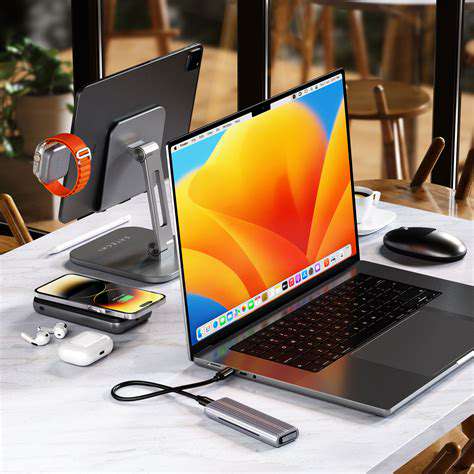
Elevate Your Learning ExperienceAs educational landscapes evolve, technology plays an integral role in enhancing student learning. From versatile tablets and dynamic smart speakers to advanced noise-canceling headphones and efficient e-readers, leveraging tech tools can significantly improve study habits and overall academic performance. 1. Tablets: The Portable PowerhousesVersatility in Functionality Tablets have become popular among students, serving as e-readers, notetaking devices, and multimedia platforms. With 70% of college students relying on tablets, their capabilities in education are undeniable. Equipped with styluses, tablets like the Apple iPad Pro and Microsoft Surface Pro support seamless handwriting input and extensive app accessibility.Portability and Battery Life Lightweight and travel-friendly, tablets make it easy for students to carry their study materials. Many models boast a battery life exceeding 10 hours, allowing for uninterrupted learning sessions anywhere. Their flexible design encourages spontaneous study, adapting well to various environments.Financial Accessibility Tablets cater to diverse budgets, from high-end models to affordable options like the Amazon Fire. Educational institutions often support leasing or discount programs, enhancing access to technology for students. Refurbished devices further contribute to cost-effectiveness. 2. Noise-Canceling Headphones: Focus in a Busy WorldUnderstanding Noise-Canceling Technology Noise-canceling headphones minimize distractions, improving concentration and productivity by up to 70%. With both passive and active noise cancellation, they are essential tools in crowded libraries and during commutes.Choosing the Right Headphones Selecting headphones involves considering sound quality, battery life, and comfort. Renowned brands like Bose and Sony offer premium options, while features such as Bluetooth connectivity enhance user experience.Benefits for Students These headphones create an optimal study environment, allowing students to focus on lectures and course material without external interference. They can incorporate various audiobooks and educational podcasts, catering to different learning preferences. 3. Smart Speakers: Your Personal Classroom AssistantVoice Commands for Hands-Free Learning Smart speakers simplify learning through voice commands, allowing students to retrieve information without distractions. Research shows that auditory learning enhances retention significantly.Scheduling and Organization Integrating smart speakers into daily routines can streamline study sessions and improve time management. Features like calendar integration help students stay organized.Personalized Learning Experiences By tailoring information based on user preferences, smart speakers provide a customized learning environment. They facilitate access to educational resources and support seamless interactions with other smart devices. 4. E-Readers: The Future of ReadingKey Benefits for Students E-readers grant access to vast libraries of books and resources, ideal for research and studying. Features like built-in dictionaries and highlight options enhance the learning process while promoting better retention of information.Cost Efficiency Investing in e-readers can lead to significant savings on academic texts, with many e-books available at lower prices. Discounts from platforms like Kindle and Google Books facilitate affordable learning. 5. Tech Accessories: Elevating the Learning ExperienceEssential Accessories for Remote Learning With the rise of online education, accessories like quality webcams and microphones improve virtual communication, boosting engagement by 30%. Noise-canceling headsets further enhance focus.Productivity Boosters Portable chargers, ergonomic laptop stands, and cloud storage solutions streamline workflow and improve comfort, with studies revealing that students utilizing these tools boost productivity by up to 25%.---Leveraging these essential tech tools can propel your educational journey, making learning more accessible, engaging, and effective. Stay ahead in your studies by integrating these devices into your academic routine!
Feb 14, 2026
A Comprehensive GuideWhen considering a smartwatch for fitness tracking, it's essential to evaluate key features that can enhance your workout and health monitoring experiences. This guide covers various aspects, from core tracking functionalities to the role of apps in optimizing your fitness journey. Core Fitness Tracking FeaturesBegin with core tracking functionalities such as heart rate monitoring, GPS accuracy, and sleep tracking. These features are crucial for both casual exercisers and serious athletes. For example, consistent heart rate monitoring can optimize workout efficiency, while robust GPS capabilities allow runners and cyclists to accurately measure distance and pace. The Importance of Health MetricsHealth metrics like VO2 max, recovery time, and Body Mass Index (BMI) offer valuable insights into your fitness levels. Smartwatches that provide these metrics help users tailor their workouts and recovery periods, ultimately enhancing performance. Key Health Metrics:- VO2 Max: A benchmark for aerobic fitness.- Recovery Time: Insights into post-exercise recuperation.- BMI: An assessment of body composition and health risks. Battery Life ConsiderationsBattery life is a critical aspect of smartwatch usability. Most users prefer devices that can last at least three days on a single charge, especially during strenuous activities. The balance between advanced features and efficient power management, such as using hybrid models, can prolong battery life without sacrificing functionality. Factors Influencing Battery Life:- Screen size (AMOLED vs. LCD)- Connectivity features (Bluetooth, Wi-Fi, GPS)- Operating system and app usageTo maximize battery longevity, consider adjusting settings like brightness and notifications, and utilize power-saving modes when necessary. App Ecosystem and IntegrationsThe apps available for smartwatches significantly enhance their capabilities. Personalized workout plans, guided training sessions, and social interactions through fitness apps play a crucial role in motivating users. Engaging with fitness apps encourages a more active lifestyle. Importance of App Compatibility:Opt for smartwatches that seamlessly integrate with popular applications like Strava or MyFitnessPal to unlock detailed metrics and analytics. Integration with Health Ecosystems:Smartwatches that sync with platforms such as Apple Health, Google Fit, and Samsung Health enable broader health management, allowing users to track diverse health data. Customization and User ExperienceCustomization enhances user experience in smartwatches. Features that permit users to tailor interfaces and health metrics can significantly enhance daily engagement. Advanced customization options lead to better usability and satisfaction. Future Trends in Smartwatch TechnologyThe future of smartwatches looks promising with innovations in battery technology and app ecosystems. Advancements in AI-driven health insights and machine learning may provide tailored health advice and proactive health management in the years to come.In conclusion, when evaluating fitness features in smartwatches, focus on tracking capabilities, health metrics, battery performance, and app integrations. By considering these factors, you can make a more informed choice that aligns with your fitness goals and lifestyle.
Feb 15, 2026
View Publication>>