Future of Digital Privacy
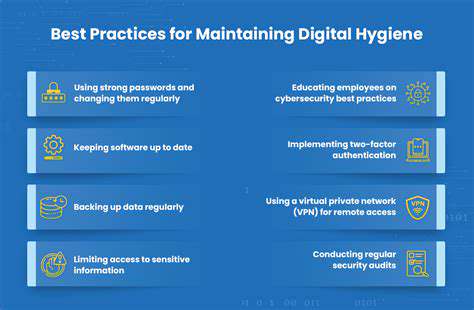
Cybersecurity practices play a vital role in protecting digital privacy. As cyber threats become more advanced, organizations must invest in comprehensive security measures, including encryption and multi-factor authentication. Regular risk assessments and employee training are crucial in fostering a culture of security awareness.
Moreover, the financial implications of a data breach can be devastating. Studies show that a single data breach can cost a company millions of dollars in damages and lost revenue. Companies should not only focus on compliance but also on creating effective strategies to mitigate risks associated with cybersecurity threats.
Public Awareness and Education on Digital Privacy
Increasing public awareness and education on digital privacy is essential in our technology-driven world. Many individuals remain unaware of their rights regarding personal information and the potential risks associated with digital interactions. Educational initiatives can empower users to make informed decisions about their privacy.
Engaging communities through workshops and online resources can promote better understanding of privacy issues. As technology continues to evolve, individuals must be equipped with the knowledge to navigate potential threats and demand accountability from organizations that handle their data.
Future Trends: Balancing Innovation and Privacy
As we look to the future, the challenge will be finding a balance between innovation and privacy. Emerging technologies, such as quantum computing and augmented reality, promise significant advancements but also raise critical privacy concerns. Stakeholders must work together to develop frameworks that facilitate innovation while safeguarding individual rights.
Collaboration among tech companies, regulators, and advocacy groups will be vital in shaping a privacy-centric future. Only through concerted efforts can we establish standards that protect users without stifling technological progress. The future of digital privacy rests on our ability to foster such dialogues and evolve accordingly in this ever-changing landscape.
Regulatory Landscape: Privacy Laws and Global Trends

Overview of Key Privacy Regulations
- The General Data Protection Regulation (GDPR) and its impact beyond the EU.
- The California Consumer Privacy Act (CCPA) and its influence on state-level regulations.
- The rise of the Asia-Pacific privacy frameworks and their unique features.
The General Data Protection Regulation (GDPR) stands as a landmark in privacy law, not only within the European Union but also globally. Its Comprehensive Framework Sets a precedent that many jurisdictions look to emulate. The GDPR mandates that organizations must obtain explicit consent from individuals before collecting their personal data. This means that the practices around data collection and user consent have significantly changed worldwide.
In the United States, the California Consumer Privacy Act (CCPA) has made significant strides in protecting consumer rights at a state level. This legislation includes the right for individuals to know what personal data is being collected, the ability to opt-out of data sales, and to request the deletion of their data. Such measures have put pressure on other states to consider similar regulations, creating a ripple effect across the nation. This highlights how state-level policies can influence federal discussions on privacy laws.
Global Trends in Data Privacy
As privacy laws evolve, a noticeable trend is the increasing collaboration between countries to establish common frameworks. Initiatives like the Asia-Pacific Economic Cooperation (APEC) Privacy Framework show that many nations are now recognizing the value of harmonizing regulations to facilitate international trade while protecting individual privacy. Countries such as Japan and South Korea are taking significant steps to align their laws with global standards. Many businesses are focusing on compliance with these frameworks to enhance trust among their users.
Technology advancements also play a key role in shaping privacy regulations. The rise of artificial intelligence (AI) and big data analytics brings forth new challenges regarding consent and user data security. Governments are working tirelessly to adapt existing laws to mitigate potential harms associated with these technologies. It's a balancing act—keeping innovation thriving while ensuring that personal privacy is respected and protected, a challenging endeavor that requires ongoing dialogue.
Challenges and Future Directions
The landscape of data privacy is rife with challenges, particularly when it comes to enforcement. Regulatory bodies often face difficulties in keeping up with the rapid pace of technological change, which can lead to loopholes and gaps in protection. Furthermore, the global nature of the internet means that data is often processed in jurisdictions where protections may be weaker. Therefore, international cooperation is increasingly vital to develop effective frameworks that can bridge these gaps.
Looking ahead, emerging areas such as the Internet of Things (IoT) and biometric data pose new complexities for regulators. The future of digital privacy will likely involve a combination of adaptable legal frameworks and technological solutions such as encryption and data anonymization techniques. By engaging in proactive measures, businesses and governments can attain a balance between innovation and intimacy, protecting users while leveraging data responsibly.
Public Awareness and Digital Literacy

Understanding Digital Literacy
Digital Literacy is essential in today's tech-driven world. It goes beyond simply knowing how to use devices; it encompasses a broader understanding of digital etiquette, security, and content evaluation. Research indicates that individuals with higher digital literacy are better equipped to navigate online misinformation, reducing their vulnerability to scams and cyber threats.
According to a Pew Research study, only 26% of adults can accurately assess the credibility of information found on social media. This highlights the pressing need for comprehensive educational initiatives aimed at improving digital literacy across all age groups. Teaching digital media skills can significantly enhance an individual's ability to engage with digital technologies responsibly.
The Role of Public Awareness Campaigns
- Public awareness campaigns are crucial for promoting digital literacy.
- They help communities identify reliable online resources.
- These initiatives often leverage social media to spread their messages effectively.
Public Awareness Campaigns play a vital role in ensuring that communities are aware of best practices for handling their digital footprint. Such campaigns often target misinformation, aiming to educate the public on recognizing credible sources. For instance, campaigns in schools have shown significant improvements in students’ ability to analyze online content critically.
Involving local organizations and influencers in these campaigns can amplify their reach, ensuring the message resonates with diverse audiences. When they utilize relatable examples, it makes the information much more accessible, especially to younger demographics.
Future Trends in Digital Privacy Education
As we look to the future, the evolving digital landscape necessitates constant updates to privacy education. Educational institutions are beginning to integrate digital privacy courses into their curriculum, reflecting the increasing importance of these issues. This proactive approach aims to equip the next generation with the skills necessary to protect personal data in an unforgiving digital world.
Programmatic advertising and social media algorithms are also areas where users will benefit from greater understanding. As people become more accustomed to these technologies, they'll need ongoing education about user rights and data protection laws, such as GDPR and CCPA. Tailoring education to highlight these regulations can empower individuals to take action in safeguarding their privacy.
Ultimately, a concerted effort among educators, parents, and policymakers will be needed to foster an environment where digital literacy and awareness are prioritized. Providing practical tools and resources can help create a society that values digital privacy and promotes responsible digital citizenship.
The Role of Decentralization in Protecting Privacy
Understanding Decentralization and Its Implications
Decentralization refers to the distribution of authority, systems, and processes away from a central location or governing body. In the context of digital privacy, this can mean shifting control over personal data from corporations to individual users. For instance, blockchain technology exemplifies this concept by allowing users to maintain ownership of their own data without relying on a singular entity to manage it. This shift not only enhances privacy but also empowers users by giving them more control over their personal information.
Moreover, studies indicate that centralized systems are often more vulnerable to data breaches due to their single-point-of-failure nature. A 2021 report by Cybersecurity Ventures estimated that cybercrime could cost the world $10.5 trillion annually by 2025, underscoring the urgent need for alternative approaches, like decentralization. By reducing reliance on centralized servers, decentralized systems can lower the risk of mass data theft, making it a promising avenue for more secure data practices in the digital landscape.
Key Technologies Driving Decentralization
Several technologies underpin the decentralization movement, most notably blockchain and distributed ledger technology (DLT). Blockchain provides a transparent and immutable ledger of transactions, enabling secure sharing without intermediaries. For example, projects like Ethereum have created decentralized applications (dApps) that allow users to interact without sacrificing privacy. This encourages user engagement and promotes an ecosystem where data ownership is preserved.
Another notable technology is peer-to-peer (P2P) networks, which facilitate direct exchanges between users, bypassing traditional intermediaries. P2P networks are being utilized for everything from file sharing to cryptocurrency transactions, allowing users to transact securely and privately. These developments significantly reduce the chances of surveillance and data misuse, paving the way for a future where personal information can remain confidential.
Challenges to Implementing Decentralized Solutions
While decentralization offers many benefits for protecting privacy, it also faces significant challenges. One major hurdle is regulatory compliance; decentralized systems may not fit neatly into existing legal frameworks, leading to uncertainty. For instance, the General Data Protection Regulation (GDPR) poses challenges for blockchain technologies as it mandates that personal data can be erased, contradicting the immutable nature of blockchains. Navigating these legal landscapes requires innovative solutions and new regulatory approaches.
Another challenge is the technical expertise required to implement decentralized solutions effectively. Many users may lack the necessary knowledge or skills to navigate decentralized platforms, making it daunting for broader adoption. Education and outreach will be crucial for empowering users with the skills needed to engage with these technologies while ensuring that privacy measures are fully leveraged.
Personal Insights and the Future of Decentralization
In my view, the future of digital privacy heavily leans on the success of decentralized technologies. The combination of user empowerment and enhanced privacy protections can transform how we perceive and manage our personal data. However, it's essential for developers and policymakers to collaborate closely as they navigate the complexities of decentralization to ensure it meets the needs of all stakeholders involved in the digital ecosystem.
Looking ahead, fostering an environment that encourages experimentation with these technologies can lead to breakthroughs that we have yet to imagine. Individuals must advocate for their rights to privacy while embracing new tools effectively. As more people demand accountability and transparency from organizations, decentralized solutions will likely become a standard expectation, positioning them as a cornerstone for maintaining digital privacy in the evolving landscape.
Future Outlook: Balancing Innovation and Privacy
Emerging Technologies and Their Impact on Privacy
As technology advances at an unprecedented pace, innovations such as artificial intelligence (AI), blockchain, and the Internet of Things (IoT) are redefining our digital landscapes. While these technologies offer significant benefits, they also pose unique privacy challenges. For instance, AI systems often require vast datasets, which can include personal information, raising concerns about data security and consent.
Apps powered by IoT devices frequently collect real-time data to provide enhanced services. However, this continuous data collection can erode personal privacy if not managed correctly. Reports suggest that approximately 60% of consumers are worried about how their data is used by smart home devices, demonstrating a clear disconnect between technological advancement and user comfort regarding private information.
Regulatory Developments in Consumer Privacy
Government regulations are playing a crucial role in shaping the future of digital privacy. Legislation such as the General Data Protection Regulation (GDPR) in the European Union sets stringent guidelines for data protection and imposes hefty fines for non-compliance. This framework has influenced other countries to consider similar regulations, as consumer demand for privacy grows stronger.
In 2023, for instance, California's Consumer Privacy Act (CCPA) introduced new rights for consumers, allowing them to request the deletion of personal data collected by businesses. These regulations are not just bureaucratic measures; they are reflections of an evolving mindset where users are becoming more conscious of their online presence and the implications thereof.
Balancing Innovation with User Trust
The challenge lies in balancing technological innovation with privacy concerns. Businesses that prioritize transparency in data collection practices are often rewarded with enhanced user trust. According to a survey conducted by PwC, 85% of consumers are willing to share their data if they trust the organization using it. This presents an opportunity for companies to innovate while maintaining a focus on ethical data practices.
Product design that incorporates privacy by default can foster user confidence. For example, firms can implement features that allow users to control their data sharing preferences easily. These approaches not only enhance user satisfaction but can also lead to increased customer loyalty in a highly competitive market.
Moreover, fostering a culture of accountability within organizations encourages responsible data handling. Collaborating with privacy experts to conduct regular audits can ensure that established measures are effective and compliant with evolving regulations.
The Role of Consumer Awareness
Consumer awareness is an essential factor in the future of digital privacy. The more informed users are about their rights and the implications of sharing personal information, the better equipped they are to make informed decisions about their data. Educational initiatives and transparent communication strategies can empower consumers to engage with technology on their terms.
For example, organizations could leverage multiple platforms to educate the public about common risks associated with data sharing and the importance of privacy settings. Workshops, webinars, and informational campaigns can help demystify complicated concepts around data privacy and security.
Ultimately, as users become more conscious of privacy issues, they may influence market trends by preferring services that respect their privacy. This shift highlights the potential for a more privacy-centric digital landscape, where respecting user data becomes a competitive advantage rather than an afterthought.
Read more about Future of Digital Privacy


![Guide to Cybersecurity for Small Businesses [Essential Steps]](/static/images/25/2025-07/RegularBackupsandDisasterRecoveryPlanning.jpg)