Smart Tech Upgrade Paths
Catalog
- Catalog all smart devices for compatibility evaluation.
- Assess device age and support from manufacturers.
- Track usage patterns for optimized smart technology decisions.
- Secure devices by updating passwords and firmware regularly.
- Analyze device compatibility with various smart ecosystems.
- Anticipate future needs for scalability in smart home devices.
- Evaluate existing technology before making upgrades.
- Understand lifestyle needs to choose suitable smart technology.
- Establish a budget outlining expected costs for upgrades.
- Research ecosystems that suit your existing devices.
- Choose integration ecosystems for seamless device communication.
- Assess costs of integration ecosystems carefully.
- Prioritize vendor support for successful integrations.
- Stay updated on emerging technologies to future-proof investments.
- Invest in upgradeable and supported smart devices.
- Use a phased upgrade strategy for gradual improvements.
Assessing Your Current Smart Home Setup
Evaluating Existing Devices
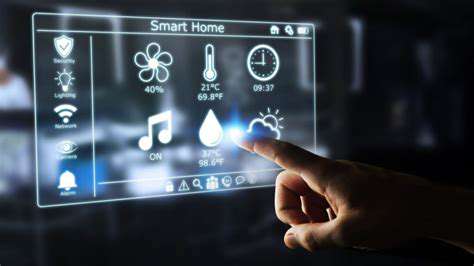
Begin by cataloging all smart devices within your home. Consider technologies like smart speakers, thermostats, and security cameras, evaluating their compatibility with each other. For instance, devices from different manufacturers may not easily integrate, affecting how they communicate. Identifying these gaps will give you a clearer picture of your current setup.
Next, assess the age and functionality of each device. Are they still receiving updates and support from the manufacturer? Devices that have been discontinued or no longer receive software updates can pose security risks or limit functionality. It’s crucial to prioritize devices that are actively supported in the marketplace.
Identifying Usage Patterns
Track how frequently you use each of your smart home devices. Some may serve as conveniences without being vital, while others could significantly improve your daily routine. For example, while a smart coffee maker may seem nice, consider whether its convenience justifies the expense or if a traditional model would suffice.
In contrast, features such as smart lighting can enhance comfort and efficiency, especially when tailored to your routines. Creating a diary or log for a week can yield insights into your usage patterns. From there, you might identify devices that could be upgraded or replaced based on your needs.
Security Considerations
The security of your smart home system is paramount. Each connected device can potentially be a gateway for cybersecurity threats. Research shows that many homeowners overlook basic security protocols, like changing default passwords to unique, complex ones for each device. This oversight can lead to vulnerabilities.
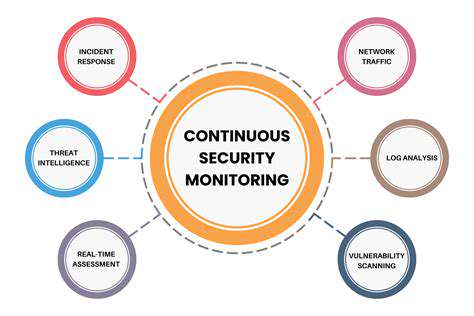
Consider integrating a Network Security System that monitors all connected devices. Features such as real-time alerts for suspicious activities can proactively protect your home. It's also beneficial to regularly update firmware to patch any known vulnerabilities, safeguarding your smart environment.
Additionally, ensure your router is secured and updated. Utilizing a separate network for smart devices can isolate them from your main network, further enhancing security.
Compatibility and Ecosystem Analysis
Before making any upgrades, analyze the compatibility of your current devices with various ecosystems, such as Google Assistant, Amazon Alexa, or Apple HomeKit. Manufacturers often tailor their products to work better within specific ecosystems, which can influence your upgrade path. Evaluate which ecosystem aligns best with your existing devices and future aspirations.
For example, if your smart thermostat works best with Google Assistant, you might want to focus on devices that also integrate seamlessly into that environment. Investing in a cohesive system can enhance the functionality and user experience of your smart home altogether.
Industry reports indicate that homes with a unified ecosystem experience fewer operational issues, enhancing user satisfaction and comfort. This insight can guide your purchasing decisions significantly.
Future Needs and Scalability
Consider what your future needs might be as you assess your current setup. Are there particular areas in your home that could benefit from automation, such as outdoor security or energy management? Planning for expansion can help you invest strategically in devices that can grow with your needs.
Smart home technology is continually evolving, with new advancements emerging regularly. Prioritize devices that allow for scalability, meaning they can be integrated with future technology without much hassle. Opting for devices that support open standards, such as Zigbee or Z-Wave, can offer flexibility and compatibility with a variety of connected products, ensuring your investment remains relevant over time.
Identifying Your Smart Home Needs

Assessing Your Current Technology
Before diving into smart technology upgrades, it's crucial to Evaluate your current tech setup. Consider the devices you already own and how they interact with each other. Are they centralized or do they function independently? Understanding what you have will help you identify what you need.
Check the compatibility of existing devices with smart home technology. For instance, if you have traditional lighting, you might want to consider smart bulbs or switches that can integrate with existing fixtures. Compatibility is key to ensuring that new devices can communicate effectively, enabling a cohesive ecosystem.
Understanding Your Lifestyle Needs
- Determine the primary purpose of your smart home.
- Evaluate security, convenience, and energy efficiency.
- Consider your daily routines and how technology can streamline them.
Your lifestyle plays a significant role in determining what smart technology will add value to your home. For example, if safety is a priority, investing in a robust smart security system could be beneficial. Features like motion detection, remote monitoring, and automated alerts enhance your home’s security.
On the other hand, if convenience is your main concern, look into devices that automate tasks, such as smart thermostats or voice-activated assistants. These solutions can dramatically improve your day-to-day living experience, ensuring that technology works for you rather than the other way around.
Evaluating Budget Constraints
Budget is always a critical factor when considering upgrades. Establish a clear financial plan before you begin purchasing smart devices. This plan should outline how much you are willing to spend, as well as any potential costs for installation or subscription services.
It's also wise to factor in long-term savings. For instance, smart thermostats can reduce heating and cooling costs significantly. Thus, while the initial investment might seem high, the return on investment could be realized through energy savings over time. A well-planned budget can help prevent overspending and ensure that your upgrades align with your financial goals.
Researching Smart Home Ecosystems
The smart home market is vast, with various ecosystems available. It's essential to research which ecosystems best fit your needs. Popular systems like Amazon Alexa, Google Home, and Apple HomeKit each offer unique benefits and device compatibility. Your choice should align with your existing devices and your preferred smart assistants.
Also, consider the longevity of the ecosystem you choose. Some platforms may offer a broad range of compatible products, whereas others may limit options based on brand. Investing in a robust ecosystem ensures that your smart home can grow and adapt over time without becoming obsolete.
Planning for Future Scalability
Lastly, when identifying your smart home needs, think about scalability. Your smart home should not just meet your current needs but also adapt as they evolve. Choose devices that allow for expansion and integration with future products.
For instance, if you’re starting with smart lighting, consider a system that allows you to add more features, such as smart blinds or security cameras, later on. This flexibility will ensure that your investment remains relevant and useful long-term. Planning ahead will save you time and money in the future, as you'll be equipped for growth without having to completely overhaul your system.
Choosing the Right Ecosystem for Integration
Understanding Ecosystem Integration
Integration ecosystems refer to the interconnected frameworks and platforms that allow different technologies to work together seamlessly. Choosing the right ecosystem is crucial, as it can define operational efficiency and scalability. For example, businesses leveraging the IoT ecosystem must prioritize compatibility between devices to ensure data flow and communication without interruption.
A well-designed integration ecosystem should support a wide range of protocols and standards. This flexibility allows for future technology adaptations, essential in a rapidly advancing digital landscape. Research indicates that over 60% of companies reported increased productivity after adopting an effective integration strategy.
Evaluating Available Options
When assessing different integration ecosystems, organizations should consider various factors, such as compatibility, cost, and vendor support. For instance, platforms like Microsoft Azure and AWS provide robust integration capabilities, yet their pricing structures and support services can differ significantly. Understanding these nuances can save organizations money and reduce implementation challenges.
It's also beneficial to review user feedback and case studies related to potential ecosystems. Testimonials often highlight strengths and weaknesses that aren't immediately apparent through documentation alone.
Many organizations opt for pilot programs before fully committing to a specific integration ecosystem, allowing them to evaluate performance in real-world scenarios. This hands-on approach can significantly reduce the risk of deployment failures.
Compatibility and Interoperability
Ensuring compatibility between existing systems and the new integration ecosystem is paramount. Each technology has its specific standards, and misalignment can lead to increased costs and resource loss. Research by Gartner highlights that 50% of integration failures can be traced back to compatibility issues, underscoring the importance of thorough assessments before adoption.
For a successful integration, businesses should consider adopting standardized communication protocols that facilitate interoperability among disparate systems. This approach helps avoid vendor lock-in, allowing organizations to pivot to new technologies without significant overhead.
Scalability and Future-Proofing
As organizations evolve, their needs will change. Therefore, selecting an integration ecosystem that can scale alongside business growth is critical. Ecosystems that support modular expansions enable businesses to add new functionalities without overhauling existing systems. For instance, using microservices can enhance an organization's ability to adapt to changing market demands quickly.
Future-proofing your integration strategy also involves staying informed about emerging technologies and trends. Regularly attending industry conferences or following relevant publications can foster a proactive mindset, allowing companies to adapt their ecosystems to harness innovations effectively.
Cost Considerations
Cost is often a decisive factor when choosing an integration ecosystem. It’s important to evaluate not just initial investment but also ongoing costs associated with maintenance, support, and potential scalability. Some providers may offer lower upfront costs but could have hidden fees that accumulate over time, which can be detrimental in the long term.
A comprehensive cost-benefit analysis can provide insights into which integration ecosystems offer the most value relative to the features and functionalities they provide. It’s also advisable to explore flexible pricing models that align with your organization's growth and operational dynamics.
Vendor Support and Community Engagement
The quality of vendor support can significantly influence the success of an integration ecosystem. Companies should investigate the responsiveness and expertise of the support teams before making a choice. Communities around popular ecosystems, such as GitHub or Stack Overflow, can be invaluable resources for troubleshooting and innovation as well.
In addition to seeking comprehensive documentation, consider engagement opportunities offered by vendors. Webinars, user forums, and active community discussions can provide continuous learning and updates on best practices, further enhancing the integration experience. Building relationships with vendor representatives can also create paths for customized assistance tailored to an organization’s specific needs.
Future-Proofing Your Smart Tech Investments

Understanding the Evolution of Smart Technology
- Smart technology has rapidly integrated into everyday life.
- New standards, like Matter, enhance compatibility between devices.
- Future-proofing involves making informed investment decisions based on trends.
The landscape of smart technology is ever-evolving, with innovations emerging at an unprecedented pace. This constant change introduces a need to stay updated on what's available, ensuring that any investment made today remains relevant in the future. For instance, understanding industry standards, such as Matter, is critical to ensure compatibility across different smart devices.
Moreover, emerging technologies like 5G and edge computing are quickly becoming mainstream. These advancements enable devices to process data more swiftly and efficiently, opening doors to new applications that might not have been feasible in the past. Therefore, staying informed about these trends will help you assess the long-term viability of your tech purchases.
Evaluating Device Compatibility and Interoperability
When investing in smart technology, one of the key factors to consider is how well devices communicate with each other. Interoperability can significantly affect user experience and system functionality. For instance, if you choose devices that don’t adhere to common protocols, you could find yourself dealing with a fragmented smart home ecosystem.
The recent introduction of the Matter standard is a game changer in smart device interoperability. Many leading brands have begun to incorporate Matter support, allowing devices from various manufacturers to work seamlessly together. This shift not only enhances your current setup but also future-proofs your investment, as more devices will likely support this standard moving forward.
Prioritizing Longevity and Upgradability in Your Choices
Investing in smart devices with longevity in mind is crucial to future-proofing your tech investments. Look for devices that are designed with software updates and upgrades in mind, allowing them to adapt over time. Devices that receive regular updates not only enhance security but also introduce new features that keep your systems contemporary.
Additionally, consider hardware that is modular or has upgradeable components. This can significantly reduce waste and the need for full replacements in the future. For example, a smart thermostat that can easily accommodate new sensors or features is far more valuable than one that is entirely standalone.
Research brands known for their commitment to updates and customer support, as this ensures that your investment remains functional and beneficial for a longer period.
Making Informed Decisions Based on Research and Trends
To make informed decisions about smart technology investments, thorough research is essential. Look at market trends, user reviews, and expert comparisons before making a purchase. This diligence allows you to gauge not just what’s popular but also what performs reliably over time.
Consulting industry reports and forecasts can also provide valuable insights into where smart technology is headed. For instance, reports from the Consumer Technology Association indicate that the smart home market is expected to grow significantly, showcasing an opportunity for investments that align with this upward trend.
Finally, personal preference plays a role in these decisions. Choose technologies that fit your lifestyle. If a particular device simplifies your daily routine or enhances your home life, this can justify your investment. Always weigh the benefits against the potential for obsolescence in this fast-paced industry.
Implementing a Phased Upgrade Strategy
Understanding the Phased Approach
Implementing a Phased Upgrade Strategy involves breaking down the upgrade process into manageable segments. Each phase should focus on specific areas, allowing teams to address issues as they arise. Research by the Project Management Institute shows that phased implementations can improve project success rates by 45% compared to full-scale rollouts. This approach mitigates risks and allows for adjustments based on real-time feedback from each phase.
Moreover, testing in smaller phases enables early identification of potential pitfalls. This proactive approach is grounded in robust evidence; studies indicate that most upgrade failures stem from unanticipated complexities when systems are integrated all at once. By gradually implementing changes, organizations can cultivate a deeper understanding of how new technologies affect existing operations.
Best Practices for Successful Phased Upgrades
To ensure a seamless transition during a phased upgrade, it is crucial to establish clear goals for each phase. These objectives should align with the overall vision for the tech upgrade, providing a roadmap to measure progress. Incorporating input from all relevant stakeholders enhances buy-in and ensures that everyone is aware of the phased implementation strategy. Transparent communication plays a significant role in this process; regularly updating teams on developments can prevent misunderstandings and foster collaboration.
Another essential practice is to leverage analytics throughout each phase. Collecting data on system performance and user feedback provides valuable insights that can inform subsequent upgrade phases. Companies such as Microsoft and IBM have successfully used data analytics to tailor their upgrade paths, resulting in time savings and improved user satisfaction. Emphasizing continuous learning not only helps optimize current upgrades but also better equips organizations for future technological advancements.
Read more about Smart Tech Upgrade Paths






Hot Recommendations
- Best Laptops and Accessories for Home Offices
- Sustainability Trends in Tech
- Cameras in Smartphones Compared
- How AI Enhances Mobile Photography
- How AI Improves Smartphone Performance
- Laptop Cooling Systems Compared
- Future of Audio Technology
- Best Budget Monitors for Home Offices
- Flagship Smartphones Compared: Performance and Value
- Headphone Drivers Explained