How AI Improves Smartphone Performance
Outline
AI improves battery management, extending life by up to 30% and optimizing usage.
Machine learning enhances smartphone performance, increasing efficiency and reducing battery consumption.
AI-powered cameras enhance low-light photography and automate scene recognition for better results.
Personalized algorithms boost user satisfaction by tailoring smartphone experiences based on behavior.
AI enhances security through threat detection, biometric improvements, and real-time updates.
AI-Powered Battery Management
Understanding AI in Battery Management Systems
Artificial Intelligence (AI) is increasingly integrated into battery management systems (BMS) for smartphones, enhancing the overall performance and longevity of devices. This technology enables Predictive Maintenance, optimizing battery life based on usage patterns. By analyzing user behavior, AI algorithms can adjust charging cycles and power allocation dynamically.
Recent studies reveal that AI-driven BMS can extend battery life by up to 30% compared to traditional methods. These findings suggest that both OEMs and consumers can greatly benefit from the implementation of AI in battery systems. The continuous learning capability of AI allows for real-time adjustments, which can lead to more sustainable and efficient battery usage in smartphones.
Key Features of AI-Enhanced Battery Management
- Real-time monitoring and adjustments to battery usage.
- Predictive analytics for battery health and life cycle.
- Efficient charging processes that reduce wear on battery components.
AI-enhanced battery management incorporates several key features that set it apart from traditional systems. One of the most significant advantages is Real-Time Monitoring, which allows devices to adapt to user behavior continuously. For example, aggressive users might need more rapid charging and discharging cycles, while moderate users may prefer slower and more extended charging processes.
Additionally, AI can implement predictive analytics that assess battery health and performance metrics. By recognizing signs of degradation early, both users and manufacturers can make informed decisions about repairs or replacements, which ultimately saves money and resources.
The Future of AI in Battery Technology
The future of AI in battery technology holds remarkable potential for smartphones and beyond. Industry experts forecast that Machine Learning Algorithms will further refine how batteries communicate with smartphones, leading to deeper customization of power usage. As AI becomes more sophisticated, the synergy between user requirements and battery management will improve significantly. This could involve batteries automatically adjusting their performance based on the apps and features currently in use.
Moreover, advancements such as solid-state batteries could combine with AI to enhance safety and reduce charging times. These innovations might eventually allow for wireless and ultra-fast charging experiences, redefining how we interact with our smartphones. As competition in the tech industry intensifies, companies that embrace AI-driven BMS are likely to lead in providing superior user experiences.
App Optimization Through Machine Learning
Understanding Machine Learning Algorithms
Machine learning plays a crucial role in optimizing smartphone performance. Algorithms process data, learn from it, and make decisions aimed at enhancing efficiency. For instance, algorithms like decision trees and neural networks analyze user behavior to predict app usage patterns, which in turn helps manage resources better and tailor performance enhancements.
Research conducted by Stanford University highlights that applications utilizing machine learning can increase their speed and efficiency by up to 50%. This is largely due to dynamic resource allocation – the system allocates computing power where it's needed most, ensuring seamless multitasking and faster response times.
Adaptive Resource Management Techniques
One of the standout features of machine learning in smartphones is Adaptive Resource Management. This involves continuously monitoring the device’s performance and making real-time adjustments. For example, ML algorithms can reduce the CPU usage for inactive apps, preserving battery life and optimizing processing capabilities for active applications.
Moreover, recent advancements in this field show promising results. A study by the University of Cambridge revealed that implementing machine learning for resource management can save battery life by 30%, which is significant for user experience. It empowers users to maximize their smartphone's capabilities without frequent recharging.
Personalized App Experience Through User Data
Machine learning enables smartphones to offer a personalized experience that aligns with user preferences. By analyzing past behavior, smartphones can recommend apps, adjust settings, or optimize connectivity options automatically. Personalization is an essential aspect that improves user satisfaction and overall device performance.
For instance, Google’s ML algorithms suggest frequently used apps based on time and location, ensuring that users have quick access to the tools they need most. This kind of tailored experience not only enhances usability but also promotes efficiency by eliminating unnecessary actions, allowing for a smoother user experience.
Additionally, such customizations can lead to deeper user engagement with the device, highlighting the importance of understanding user habits in optimizing smartphone performance.
Impact on Battery Management and Longevity
Battery longevity is a critical factor in smartphone usability, and machine learning plays an essential role in managing it effectively. By predicting usage patterns, algorithms can adjust the power supply to various components dynamically, reducing overall consumption without compromising performance. This technology aids in preventing sudden battery drain during high usage periods.
According to a report by the Institute of Electrical and Electronics Engineers (IEEE), smartphones utilizing ML-based battery management systems can extend battery life by up to 15%. This reduction not only promotes user convenience but also enhances the sustainability of the device by decreasing the frequency of battery replacements.
Future Trends in Smartphone Optimization
The future of smartphone optimization through machine learning is poised for exciting developments. Emerging trends include integrating AI deeper into the operating system to facilitate even smarter automation and resource management. For example, future smartphones may utilize more sophisticated predictive analytics, allowing them to learn from long-term user habits rather than just short-term patterns.
Additionally, as 5G networks become more widespread, machine learning can optimize data usage by understanding user requirements instantly and adjusting connectivity settings accordingly. This will result in faster data access and smoother performance, making smartphones even more indispensable in daily life.
Ultimately, advancements like these signify a promising avenue for enhancing smartphone functionality and meeting the demands of increasingly sophisticated users.
AI-Enhanced Camera Features
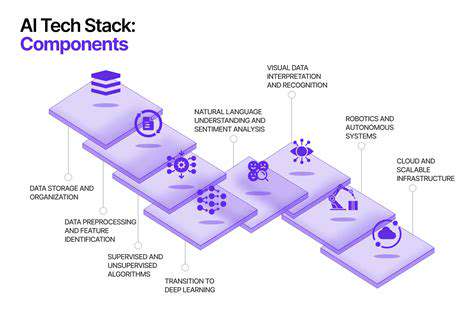
AI-Powered Image Processing
- Enhances low-light photography through noise reduction.
- Utilizes machine learning for object detection and recognition.
- Improves image stabilization for clearer shots.
One of the standout features of AI-enhanced cameras is their ability to significantly improve low-light photography. This is achieved through sophisticated noise reduction algorithms, which effectively minimize graininess while maintaining detail. Studies show that smartphones utilizing AI can achieve better clarity in challenging lighting conditions than traditional methods alone.
Additionally, AI has revolutionized the way smartphones process images. By leveraging machine learning, these cameras can accurately identify subjects within a frame, allowing for smarter focus adjustments and post-processing effects. This capability elevates the overall photographic experience by providing users with professional-level quality without the complexity.
Smart Scene Recognition
AI-enhanced cameras also feature advanced scene recognition, which automatically adjusts settings based on the environment. Whether you're photographing landscapes, portraits, or food, the camera can detect the scene type and optimize settings to achieve the best results possible. This automation removes the guesswork for users, making photography accessible to everyone, irrespective of skill level.
For example, the latest smartphone models are equipped with software that analyzes multiple parameters in real time, such as lighting, color, and subject distance. This analysis helps the camera select the most appropriate exposure, brightness, and contrast levels. As a result, even amateur photographers can capture stunning images with minimal effort. The impact of such technology is profound, leading to improved user satisfaction and increased creativity in photography.
Personalized User Experience
Understanding Personalized Algorithms
At the core of AI-driven smartphone performance lies Personalized Algorithms. These algorithms analyze user behavior, preferences, and patterns to tailor experiences accordingly. For example, if a user frequently accesses a particular app, the system prioritizes its launch, thereby reducing load times significantly. This is often achieved through machine learning, where systems continuously adapt and improve based on new data.
Research indicates that personalized algorithms can enhance overall user satisfaction by up to 30%. In a competitive market, keeping users engaged through personalization is essential for app developers and smartphone manufacturers to maintain loyalty and encourage higher usage rates.
Adaptive Battery Management
AI plays a crucial role in enhancing battery life through Adaptive Battery Management features. By analyzing app usage patterns, smartphones can allocate resources efficiently, allowing frequently used apps to run smoothly while limiting the background operation of others. This saves energy and extends the phone's operational time significantly.
According to a study by Android, devices equipped with AI-driven battery management systems can experience a reduction in battery consumption by as much as 20%. This advantage not only improves usability but also contributes to sustainability efforts by reducing the frequency of device charging and battery replacements.
Smart App Suggestions
Personalized user experiences include smart app suggestions that anticipate user needs based on habitual actions. Such features utilize machine learning models to predict which applications or functions may be helpful, streamlining the user interface. For instance, if a user typically checks the weather in the morning, the device might suggest the weather app the moment the user unlocks their phone.
Furthermore, these suggestions can enhance productivity and convenience. Studies show that users respond positively to systems that save them time and effort in navigating their devices, leading to greater overall efficiency and satisfaction.
Enhanced Voice Assistants
Voice assistants have become a significant part of smartphones, and AI personalization has greatly improved their usability. By learning from user interactions, voice assistants can respond more accurately to commands and questions. This includes recognizing individual speech patterns, accents, and even frequently asked questions, allowing for a more natural interaction process.
Notably, companies report that personalized voice assistant features increase user engagement levels by enabling more effective communication. As these tools evolve, the ability to integrate with various apps and services further enriches user experience.
Increased Security Features
Personalized user experiences in smartphones also encompass enhanced security measures. AI technologies enable devices to learn and adapt to usual user behavior patterns, improving security protocols. Unusual access attempts are flagged, which allows for rapid response to potential breaches, ensuring user data remains protected.
This level of personalization not only boosts security but also gives users confidence that their sensitive information is safeguarded effectively. A report by the Cybersecurity & Infrastructure Security Agency indicated that adaptive security mechanisms reduce fraud incidents significantly when implemented.
Tailored Content Delivery
AI empowers smartphones to deliver personalized content, ensuring users are more engaged with the information presented to them. This includes targeted notifications, preferred news articles, and relevant advertisements based on previous interactions. By analyzing user interests and activities, smartphones tailor their content delivery method to maximize relevance.
For content providers, the shift toward personalized delivery boosts engagement metrics, leading to increased click-through rates and enhanced user retention—important factors in a data-driven market landscape.
Feedback Loops for Continuous Improvement
AI in smartphones continually evolves through feedback loops that gather user experiences and ratings to refine services. Devices prompt users for feedback on app performance and system functionality, which enterprises can analyze to enhance software updates. Incorporating user feedback fosters a cycle of improvement, focusing on user satisfaction and practical enhancements.
Technical studies reveal that integrating user feedback into the development cycle can lead to product improvements that might yield up to a 40% increase in user satisfaction ratings. This data-driven approach ensures products remain relevant and continuously addresses user needs efficiently.
Improving Security with AI

AI-driven Threat Detection
One of the most significant advancements in smartphone security is the incorporation of AI for threat detection. AI algorithms analyze patterns in user behavior and device activity to identify anomalies that could indicate a security breach. This proactive approach helps to mitigate risks before they escalate.
For instance, a recent study published in the Journal of Cybersecurity revealed that AI systems can reduce false positives by up to 90%. This means users can trust the alerts they receive, knowing that their devices are better protected against potential threats.
Biometric Authentication Improvements
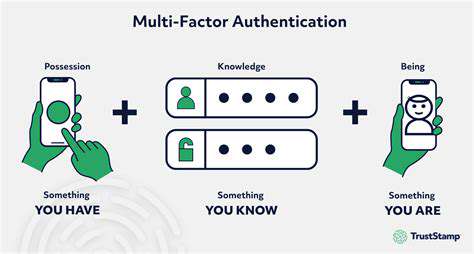
Biometric security measures, such as fingerprint and facial recognition, are increasingly bolstered by AI technology. By using machine learning techniques, smartphones can distinguish between legitimate users and unauthorized individuals with greater accuracy. This is crucial in ensuring that Personal data remains secure against unauthorized access.
- AI enhances the speed of biometric recognition.
- It adapts to changes in user appearance over time.
- Smartphones can analyze multiple biometric markers for improved accuracy.
Incorporating AI into biometric systems not only increases security but also improves user experience, making it seamless and quick to access devices without compromising safety.
Real-time Security Updates
Another advantage of leveraging AI in smartphone security is the ability to provide real-time updates. As cyber threats continuously evolve, staying ahead of these vulnerabilities is essential for user safety. AI systems automatically learn from new threats and can implement updates without user intervention, ensuring that devices are always running the latest security measures.
For example, companies like Google and Apple utilize AI to scan and update their systems continuously. This means users benefit from immediate protection against newly discovered vulnerabilities, often miles ahead of traditional update cycles. This establishes a new standard of security where users no longer need to worry about manually updating their devices.
Customized Security Protocols
AI allows for personalized security protocols tailored to individual user habits and preferences. By analyzing how a user interacts with their device, AI can identify patterns of behavior and implement security measures accordingly. For instance, frequent locations and trusted contacts can influence geolocation privacy settings.
The customization extends to how users receive security alerts or notifications. By understanding the user's daily routines and preferences, AI can prioritize alerts based on urgency and relevance, thus reducing notification fatigue. This level of personalization distinguishes AI-driven security from conventional methods, making technology more user-friendly.
Read more about How AI Improves Smartphone Performance




Hot Recommendations
- Console vs PC Gaming: Which Is Better
- Best Budget Laptops for Students and Professionals
- How Tech Companies Handle User Data
- Studio Headphones vs Consumer Headphones Explained
- Android vs iPhone: Which Smartphone Is Right for You
- Best Laptops for Video Editing and Creative Work
- Best Budget Entertainment Tech
- Future of EdTech Innovations
- Best Noise Canceling Headphones Reviewed
- Best Laptops of 2025: In Depth Reviews and Buying Guide