Best Consumer Tech Innovations Explained
Understanding Smart Home Ecosystems
A Smart Home Ecosystem consists of various interconnected devices that communicate over a network. These devices include smart speakers, thermostats, security cameras, and lighting systems. By integrating them, homeowners can control their living environment more efficiently, often through a single platform or application. The convenience of accessing multiple devices from one interface cannot be underestimated; it greatly simplifies day-to-day operations.
Market research from tech analysts indicates that the global smart home market is projected to grow by over 25% annually, driven by increasing consumer demand for automation and Energy Efficiency Solutions. Insights reveal that consumers are particularly interested in systems that allow energy monitoring and smart appliances. This growing trend underscores the importance of understanding how these devices interact within an ecosystem.
Key Technologies Driving Integration
Smart home integration relies on several foundational technologies, including IoT (Internet of Things) protocols, artificial intelligence, and machine learning. IoT allows devices to communicate and share data, which facilitates automation and remote control functionalities. AI enhances these capabilities by learning user preferences over time, providing a personalized experience that adapts to individual lifestyles.
Popular Smart Home Devices
Some prominent smart home devices are smart speakers (like Amazon Echo and Google Nest), smart thermostats (such as the Nest Learning Thermostat), smart light bulbs (like Philips Hue), and smart security systems (such as Ring). Each of these devices serves a distinct purpose but can work synergistically when integrated. For instance, smart speakers can control both lighting and temperature through voice commands, streamlining user interaction with the home environment.
Interestingly, research shows that consumers often start their smart home journey with just a few devices—from smart speakers to lighting—before expanding their systems as they become more acquainted with the technology. This staged approach offers customers a manageable way to adopt smart technology without overwhelming them.
Security Considerations in Smart Homes
While the advantages of smart home integration are clear, security is a major concern for many users. With devices connected to the internet, vulnerabilities can arise, making homes susceptible to hacking. It's crucial for users to implement strong security measures, such as using unique passwords, regular updates, and network segmentation, to mitigate potential risks. Industry experts recommend employing a dedicated smart home hub to manage all devices securely and efficiently.
Energy Efficiency and Cost Savings
Smart home technologies can significantly contribute to energy efficiency, leading to substantial cost savings over time. Devices like smart thermostats automatically adjust heating and cooling based on occupancy patterns and preferences, reducing energy wastage. According to a study by the U.S. Department of Energy, households with smart thermostats can save between 10 to 30% on their energy bills, which can lead to hundreds of dollars in annual savings.
Additionally, smart lighting systems can be programmed to turn off when rooms are unoccupied or can adjust brightness based on natural light levels, further improving energy efficiency. Long-term, these features not only save money but also support sustainability efforts by reducing carbon footprints.
The Future of Smart Home Technology
Looking ahead, the future of smart home technology points toward greater integration of AI and enhanced automation. Innovations such as predictive maintenance will likely become standard, where devices communicate potential issues before they manifest, thereby reducing repair costs. Furthermore, the development of platforms that consolidate various smart home technologies into unified ecosystems is expected to enhance user experience.
As consumer preferences shift toward privacy and data security, manufacturers will need to address these concerns proactively. Transparent data usage policies and robust security measures will be critical in maintaining user trust and ensuring continued adoption of smart home technology.
Personal Recommendations for Smart Home Setup
As a suggestion for those embarking on their smart home journey, start small. Choose a versatile device like a smart speaker that can act as a hub for other devices. Focus on quality, as it’s often more beneficial to invest in a few reliable, well-supported products than to buy numerous devices that may not integrate seamlessly. Additionally, consider your daily routines and choose devices that align well with your lifestyle.
Finally, keep abreast of new technologies and consider how emerging trends can complement your existing setup. The smart home landscape is rapidly evolving, and staying informed will allow you to maximize your investment and enhance your living experience.
Wearable Technology: Health Tracking at Your Fingertips
The Evolution of Wearable Technology
Wearable technology has seen significant advancements over the past decade. Initially marketed as fitness trackers, devices like smartwatches have evolved into multifaceted gadgets offering health monitoring. With capabilities such as heart rate tracking and sleep analysis, these tools have become indispensable for health-conscious consumers.
In recent years, innovations incorporate artificial intelligence and machine learning, allowing for real-time health analytics. For example, advanced algorithms can now predict potential health issues by analyzing user data patterns. This approach offers a glimpse into the future of personalized healthcare, where preventative measures can be taken before symptoms arise.
Key Features of Modern Health Trackers
Today's health tracking devices come packed with features designed to assist users in their wellness journeys. One standout feature is continuous heart rate monitoring, which provides real-time insights into cardiovascular health. This is crucial for individuals looking to manage conditions such as hypertension or for athletes aiming to optimize their performance.
Another prominent feature includes sleep tracking technology, which allows users to understand their sleep patterns better. Analyzing stages of sleep can help individuals identify disturbances that affect rest quality, leading to actionable changes in daily routines for improved sleep hygiene.
Impact on Lifestyle Choices
Wearable technology not only tracks health metrics but also encourages better lifestyle choices. Users often report increased motivation to exercise and eat healthily when they see measurable results from their activities. This direct feedback loop fosters a deeper connection to personal wellness goals, ultimately leading to sustained lifestyle changes.
Moreover, many wearables offer personalized insights and recommendations based on user data. These tailored suggestions can help users navigate dietary choices and fitness routines effectively, lending credibility to the wearables as tools for real-life improvement.
Integration with Healthcare Systems
The integration of wearable technology with healthcare systems marks a pivotal development in patient care. Healthcare providers are increasingly leveraging data collected from wearables to monitor patients remotely. This integration not only streamlines communication but also enhances patient engagement in managing chronic conditions.
By sharing data from their devices, patients and doctors can collaborate more effectively on treatment plans. For example, continuous glucose monitoring in diabetic patients can provide real-time data, allowing for timely adjustments to medication and dietary plans.
Challenges of Data Privacy and Security
As wearables capture sensitive health data, concerns around privacy and security become paramount. The influx of personal health information raises valid questions about data storage and sharing practices by tech companies. Regulations such as HIPAA (Health Insurance Portability and Accountability Act) provide guidelines, but vigilance is required from consumers to ensure their privacy is maintained.
Security features like encryption and two-factor authentication are critical in protecting user data. Consumers should be proactive in understanding how their information is managed and advocate for stricter privacy standards from manufacturers.
The Future of Wearable Technology
The future of wearable technology looks promising, with emerging trends such as smart textiles and biosensors. Companies are exploring ways to integrate technology directly into fabrics, allowing for seamless health tracking without the need for separate devices. This innovation could significantly change how we interact with technology on a daily basis.
Additionally, the evolution of augmented reality (AR) and virtual reality (VR) technologies may soon blend with wearables, creating immersive experiences for health and fitness training. This could redefine how people engage with their fitness routines, making them more engaging and effective.
Recommendations for Choosing the Right Device
When selecting a wearable device, it's vital to consider individual health goals and needs. Features like battery life, compatibility with smartphones, and specific health monitoring capabilities are essential factors to weigh. For instance, athletes might prioritize heart rate variability and GPS tracking, while someone interested in general wellness might focus more on sleep tracking and hydration reminders.
Furthermore, be mindful of the ecosystem a device operates within. Compatibility with apps that track nutrition and fitness can enhance the overall utility of the wearable. It's worthwhile to read reviews and seek guidance from experts to make an informed decision tailored to your lifestyle.
Electric Vehicles: Paving the Way to Sustainable Transportation
Technological Advancements in Electric Vehicles
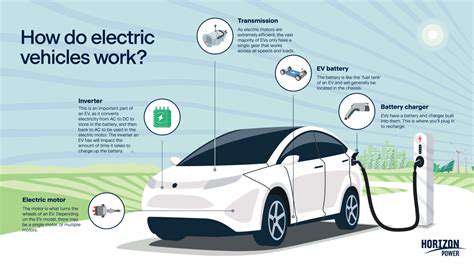
Electric vehicles (EVs) have seen significant Technological Advancements in recent years. From improved battery technologies to more efficient electric motors, innovations are making EVs more appealing to consumers.
For instance, the development of solid-state batteries promises to enhance energy density, charge times, and safety. These improvements could propel EV range significantly, addressing one of the biggest concerns for consumers: range anxiety.
- Improved battery technology enhances energy density.
- Solid-state batteries increase charge efficiency and safety.
- Advanced electric motors improve vehicle performance.
- Innovative charging solutions reduce downtime for users.
Environmental Benefits of Electric Vehicles
Switching to electric vehicles is not merely a trend; it is a crucial step towards reducing greenhouse gas emissions. According to the U.S. Environmental Protection Agency, transportation accounts for over 29% of total greenhouse gas emissions. By opting for EVs, consumers can make a tangible impact.
Research indicates that electric cars produce less pollution over their lifecycle, including manufacturing, road use, and disposal. EVs powered by renewable energy sources dramatically decrease the carbon footprint compared to traditional combustion engines.
Moreover, as more renewable energy sources are integrated into power grids, the overall emissions associated with EVs will continue to decline. This transition aligns with global efforts to combat climate change.
The Economic Impact of Electric Vehicle Adoption
The adoption of electric vehicles has vast economic implications. As per a report from the International Energy Agency, the global electric vehicle market could reach a valuation of $1 trillion by 2030. This surge is expected to create new jobs across various sectors, from manufacturing to infrastructure development.
In terms of fuel savings, electric vehicles can substantially reduce costs for consumers. For instance, the cost of electricity to power an EV is significantly lower than gasoline, making it a more economical option for daily commuters.
Future Trends in Electric Vehicle Development
The future of electric vehicle development looks promising with upcoming trends indicating further enhancements. The introduction of autonomous driving technology is expected to merge seamlessly with electric drivetrains, leading to safer and more efficient transportation systems.
Additionally, the concept of vehicle-to-grid (V2G) technology is gaining traction. This innovation allows EVs to not only draw energy from the grid but also supply energy back during peak demand times, stabilizing the electrical grid and offering monetization opportunities for vehicle owners.
Staying updated on these trends is crucial, as they will redefine not only the automobile industry but also urban planning and energy distribution models across the globe.
Augmented Reality: A New Dimension in Consumer Interaction
The Evolution of Augmented Reality
Augmented Reality (AR) has undergone significant transformations since its inception in the early 1990s. Over the decades, technological advancements in computing power and mobile devices have made AR more accessible to consumers. According to a report from Statista, the AR market is projected to grow from $1.2 billion in 2020 to over $20 billion by 2025, indicating a rapid acceptance and integration into consumer experiences.
This shift can be attributed to increased smartphone penetration and software innovations that facilitate AR applications in various sectors, including retail and gaming. Major companies like Google and Apple are investing heavily in AR, demonstrating its potential to change the way consumers interact with their environments.
Applications in Retail
Retail is one of the most significant sectors benefiting from AR technology. Customers can visualize products in their own environment before making a purchase, enhancing their shopping experience considerably. For instance, IKEA’s mobile application allows users to place life-size models of furniture in their homes through their phone screens, increasing the likelihood of purchase.
Additionally, a survey conducted by the Consumer Technology Association found that 61% of consumers prefer retailers that utilize AR for an immersive shopping experience. This indicates a clear trend: the more interactive and engaging the shopping experience, the better the retention and conversion rates for businesses.
Education and Training
AR offers Innovative Solutions for Education and training, making complex concepts easier to grasp through interactive visuals. For example, medical students can practice complex surgeries using AR simulations, allowing them to hone their skills in a risk-free environment. Research indicates that students exposed to AR elements scored 68% higher in practical assessments compared to traditional methods.
This AR integration not only enhances learning outcomes but also adapts to varied learning styles, making education more inclusive. As institutions continue to adopt AR tools, the future of education looks promising, developing a workforce that is more technologically savvy and adept at practical applications.
Gaming and Entertainment
The gaming industry has embraced augmented reality as a way to create immersive experiences that blend real-world environments with digital elements. Popular games like Pokémon GO have illustrated how AR can attract millions of users by encouraging outdoor exploration and social interaction. According to a survey by Newzoo, AR games generated over $200 million in revenue in 2020 alone.
This appeal lies in AR's ability to bridge the gap between the physical and digital worlds, creating compelling narratives that engage players. Gamers are increasingly seeking experiences that are interactive and personalized, and AR presents a strong avenue for developers to expand game mechanics and player engagement.
Healthcare Innovations
In healthcare, augmented reality is revolutionizing patient care and medical training. Surgeons are now using AR to overlay critical information directly onto the surgical field, improving precision and outcomes. A study published in the Journal of Surgical Research found that AR-assisted surgeries reduced errors by 30%, showcasing its life-saving potential.
Furthermore, AR applications can help patients understand their conditions better by visualizing medical information in an interactive manner. This not only empowers patients but allows healthcare professionals to relay complex information effectively, fostering better communication between doctors and patients.
Challenges and Limitations
Despite its potential, the adoption of augmented reality in consumer markets faces several challenges. One significant hurdle is the need for high-performance hardware, which can limit access for some consumers. Additionally, privacy concerns related to AR applications collecting user data are prevalent, necessitating clear regulatory frameworks.
Moreover, the development of AR content also requires significant investment and expertise, which may deter smaller companies from entering the market. Overcoming these obstacles will be crucial for AR to achieve its full potential and for businesses to leverage its capabilities effectively.
Future Prospects of AR Technology
The future of augmented reality holds immense potential. With advancements in artificial intelligence and machine learning, AR systems are expected to become more intuitive, offering personalized experiences that learn from user interactions. Analysts predict that by 2030, AR technology will be commonplace in daily life, influencing everything from social interactions to marketing strategies.
As consumer familiarity with AR grows, businesses must stay ahead of trends and adapt their strategies. Investing in AR today could mean a significant competitive advantage tomorrow, as early adopters will define the landscape and set customer expectations.
Privacy-Focused Innovations: Securing Consumer Data
Emerging Technologies in Data Protection
Recent advancements in quantum encryption have reshaped the landscape of data protection. Quantum key distribution (QKD) enables information to be shared securely by employing principles of quantum physics. This technology ensures that any attempt to intercept the data will be detectable, thus preserving its confidentiality. Companies like ID Quantique are leading this charge by developing commercial solutions that leverage these principles, making it increasingly feasible for businesses to adopt QKD.
Another promising area is the development of homomorphic encryption, which allows computations on encrypted data without needing to decrypt it first. This innovation offers organizations the ability to process sensitive information while maintaining its privacy, which could revolutionize industries like healthcare and finance. For instance, researchers at MIT have shown that this method can lead to new opportunities for data analytics and machine learning without compromising client confidentiality.
Regulatory Frameworks Shaping Privacy Standards
As privacy concerns gain momentum, regulatory frameworks like the General Data Protection Regulation (GDPR) and the California Consumer Privacy Act (CCPA) are setting the stage for stricter data protection laws. These regulations not only empower consumers with greater control over their data but also impose hefty fines on organizations that fail to comply. According to a report by the International Association of Privacy Professionals, over 60% of organizations now prioritize compliance efforts, reflecting a significant shift towards responsible data management.
Companies are increasingly allocating resources to ensure compliance with these frameworks. Those that prioritize data privacy can gain a competitive edge, as consumers are more likely to engage with brands that demonstrate a commitment to protecting their personal information. Building transparent data usage policies can foster trust, ultimately enhancing brand loyalty.
Innovative Consumer Technologies Promoting Privacy
Many tech companies are introducing consumer-oriented innovations that emphasize privacy. For instance, the rise of privacy-focused browsers like DuckDuckGo highlights a growing preference for tools that do not track user behavior. Surveys indicate that nearly 80% of users are concerned about their online privacy, driving demand for technology that provides enhanced anonymity. These browsers not only protect user data but also provide a more local-centric approach to searching, which many users find appealing.
Moreover, secure messaging apps such as Signal and Telegram are leading the charge in providing end-to-end encryption as a default feature. This means that messages can only be read by the intended recipient, shielding private conversations from external access. Research from the Pew Research Center shows that 79% of smartphone users worry about their personal data being exposed, making these platforms increasingly popular.
Challenges in Implementing Privacy Measures
Despite the advancements, implementing robust privacy measures is fraught with challenges. Organizations often struggle with balancing user privacy with the need for data analytics. Companies rely heavily on user data for personalized experiences and targeted marketing; however, this must be done transparently and ethically. A study from the Future of Privacy Forum emphasizes that over 70% of privacy professionals face difficulties in communicating these trade-offs to stakeholders.
Another challenge is the integration of privacy-centric solutions into existing systems. Many organizations lack the necessary infrastructure to support advanced data protection technologies. Investing in employee training and developing a culture focused on data privacy is essential for effective implementation. This commitment can drive higher employee engagement and ultimately lead to more secure systems.
The Role of Artificial Intelligence in Data Privacy
Artificial intelligence (AI) offers transformative potential for enhancing data privacy protocols. AI-driven tools can identify and mitigate security risks by monitoring user behavior for anomalies, thereby enhancing overall cybersecurity. For instance, IBM's Watson utilizes machine learning algorithms to help organizations detect data breaches in real-time, significantly reducing the response time to potential threats.
However, the deployment of AI in privacy management also raises concerns. The reliance on algorithms can inadvertently lead to biases in data interpretation, potentially compromising privacy for specific groups. It is crucial for organizations to take an ethical approach to AI deployment, regularly auditing systems for fairness and establishing guidelines to foster responsible AI development that aligns with privacy objectives.
Consumer Awareness and Educational Initiatives
Raising consumer awareness about data privacy is vital for sustaining the momentum of Privacy-focused innovations. Numerous organizations are now launching educational initiatives aimed at informing consumers about their rights and best practices. Webinars, podcasts, and interactive workshops have become invaluable resources for users hoping to navigate the complex landscape of data privacy. For example, non-profits and advocacy groups have developed guides to help consumers understand specific laws like GDPR and CCPA.
Moreover, social media campaigns are increasingly promoting discussions around data privacy issues, encouraging consumers to take an active role in safeguarding their information. As individuals become more educated about their digital footprints, they are likely to adopt more secure practices, thus holding companies accountable for their data management strategies.
Read more about Best Consumer Tech Innovations Explained
![Guide to Cybersecurity for Small Businesses [Essential Steps]](/static/images/25/2025-07/RegularBackupsandDisasterRecoveryPlanning.jpg)






Hot Recommendations
- How Blockchain Technology Actually Works
- Best Laptops and Accessories for Home Offices
- Sustainability Trends in Tech
- Cameras in Smartphones Compared
- How AI Enhances Mobile Photography
- How AI Improves Smartphone Performance
- Laptop Cooling Systems Compared
- Future of Audio Technology
- Best Budget Monitors for Home Offices
- Flagship Smartphones Compared: Performance and Value