How Lossless Audio Works
Contents
Lossless audio preserves original sound quality through compression without data loss.
Formats like FLAC and ALAC are favored by audiophiles for high fidelity.
Lossless files are essential for professional audio production and quality preservation.
Lossless audio enhances immersion in music and improves emotional connections to sounds.
High-end audio equipment maxes out with lossless formats for the best experience.
Streaming services increasingly offer lossless options to attract quality-focused listeners.
Lossless formats support critical audio analysis and academic research in acoustics.
What is Lossless Audio?
Understanding Lossless Compression
Lossless Audio refers to a format that preserves the original quality of sound by compressing data without any loss of information. Unlike lossy formats such as MP3, which discard certain audio data to reduce file size, lossless formats like FLAC and ALAC retain every detail of the sound. This characteristic is crucial for audiophiles who prioritize sound fidelity, making lossless audio highly desirable in any serious listening environment.
Compression in lossless formats allows users to enjoy High-Quality Audio in a file size that is more manageable than raw formats like WAV. For instance, a typical FLAC file can be about 30-60% smaller than its uncompressed counterpart without sacrificing quality. This efficiency means that lossless audio is practical for both casual listeners and professionals who need to store large music libraries without compromising on audio integrity.
Many digital audio workstations (DAWs) and music production tools support lossless formats, enabling producers to work with high-quality sound in a flexible manner. In addition, streaming services are increasingly offering lossless options, appealing to users who demand high fidelity while on the go. Services like Tidal and Amazon Music HD are leading the way in this regard, expanding access to high-quality audio.
The Benefits of Listening to Lossless Audio
One major advantage of lossless audio is that it captures the full dynamics and nuances of music, making it especially beneficial for genres that rely on intricate sounds. Classical music, jazz, and complex electronic mixes can be enjoyed in their full depth and richness, providing listeners with a more immersive experience. Research has shown that higher quality audio can significantly enhance the listening experience, especially in acoustic environments designed for sound optimization.
Furthermore, lossless audio supports various sampling rates and bit depths. Unlike standard CDs, which are typically limited to 16-bit/44.1 kHz audio, lossless formats can support up to 24-bit/192 kHz, allowing for a more detailed and vibrant sound profile. Many audiophiles advocate for the superiority of lossless formats not just in technical specifications but also in perceived audio quality, often describing a clearer and more accurate representation of the original recording.
Last but not least, lossless audio files can be archived without the fear of degradation in quality over time. When transferring music files multiple times, lossy formats can introduce artifacts or distortions. In contrast, a lossless format ensures that every copy remains true to the original. This feature makes lossless audio indispensable for preservationists and music archives.
Comparing Lossless vs. Lossy Formats
When choosing between lossless and lossy audio, it’s essential to consider your specific needs and preferences. Lossy formats prioritize file size and are suitable for general listening, especially when storage space is a concern. On the other hand, lossless formats are more favorable for serious listeners who prioritize sound quality over convenience. Streaming lossy formats may be faster and consume less data, but they may compromise listening enjoyment, particularly with high-fidelity systems.
It’s also important to recognize that not all listeners can discern the differences between these formats. Some studies highlight that many people may not notice significant distinctions in casual listening scenarios. For instance, if you’re using standard earbuds or listening in a noisy environment, the benefits of lossless formats may be negligible. Ultimately, your choice should align with your listening habits and the equipment you use.
For those looking to bridge the gap between convenience and quality, hybrid approaches such as using lossy for portable devices and lossless for home setups can provide a balanced solution. Investing in lossless audio may be worthwhile for serious enthusiasts, ensuring that music is enjoyed as the artist intended.
In the realm of digital music, both formats have their place. Understanding when and where to use each can enhance your overall audio experience.
Getting Started with Lossless Audio
To dive into the world of lossless audio, first, consider the hardware and software you require. High-quality digital audio converters (DACs) can significantly improve playback quality, making them an essential component of your audio setup. Additionally, investing in headphones or speakers that are capable of reproducing the full spectrum of sound is crucial for appreciating lossless formats.
It's also wise to familiarize yourself with audio players that support lossless formats. Many dedicated media players and apps, such as Foobar2000 and VLC, can handle lossless files, enabling users to play and manage their music efficiently. Don't forget to explore music libraries or online stores that offer lossless options. Platforms like Bandcamp often allow artists to sell their music in FLAC format, giving you the opportunity to support musicians and enjoy high-quality audio simultaneously.
As you build your collection, consider file organization and storage solutions. Lossless audio files can consume a significant amount of space, so investing in external hard drives or cloud storage solutions is advisable for managing your music library effectively. With the right tools in place, transitioning to lossless audio can be a rewarding experience that enhances your musical enjoyment.
How Does Lossless Audio Compression Work?
Understanding the Fundamentals of Audio Compression
Audio compression reduces the size of audio files while preserving their quality. Lossless audio compression ensures that no data is lost, making it ideal for music production and archival purposes. Unlike lossy formats like MP3, where some audio information is discarded, lossless compression retains the complete audio signal, allowing for perfect reproduction.
Popular lossless formats include FLAC (Free Lossless Audio Codec) and ALAC (Apple Lossless Audio Codec). These formats utilize different algorithms to compress audio data efficiently, allowing for reduced file sizes without sacrificing sound quality. The fundamental goal is to achieve a balance between compression efficiency and fidelity.
Common Lossless Compression Techniques
Lossless audio compression employs various techniques to encode audio data efficiently. One common method is the use of predictive coding, where future samples are estimated based on previous ones. This approach reduces redundancy and stores only the differences, contributing to file size reduction.
Another technique involves entropy coding, which assigns shorter codes to frequently used data patterns and longer codes to less common ones. This method, often based on Huffman coding, enhances the overall compression rate by capitalizing on the statistical properties of the audio data.
How Lossless Formats Preserve Audio Quality
One of the standout features of lossless audio compression is its ability to preserve every detail of the original audio signal. This is crucial for audiophiles and professionals working in music production who require the most accurate sound reproduction. Research indicates that even slight changes in audio quality can significantly affect listening experience, underscoring the importance of lossless formats.
Furthermore, many audio engineers favor lossless formats during mixing and mastering phases because they allow for manipulation of sound without degrading quality, ensuring that the final product meets the highest standards.
For instance, FLAC maintains a high dynamic range, making it suitable for genres like classical music, which demand clarity and precision across varying sound levels.
Comparing Lossless and Lossy Formats
Understanding the differences between lossless and lossy formats is crucial for anyone who deals with audio files regularly. Lossy formats like MP3 or AAC achieve smaller file sizes by removing certain frequencies and data deemed less essential for the average listener. This approach, while effective for casual listening, compromises audio fidelity, which can be problematic for critical listening environments.
In contrast, lossless formats are preferred when quality is paramount. For example, streaming services like Tidal offer lossless audio options, recognizing that listeners increasingly value sound quality over simplicity of storage. Both formats have their places depending on user needs and scenarios, highlighting the importance of context in audio file selection.
Applications of Lossless Audio Compression
Lossless audio compression finds its place in various applications across industries. In the realm of music production, studios utilize lossless formats for recording and mixing to ensure maximum fidelity. Software like Pro Tools and Ableton Live supports these formats, enabling artists to create music without compromises.
Beyond music, lossless compression is also critical in broadcasting, where maintaining audio quality is essential for listener satisfaction. Many radio stations and streaming platforms use lossless formats to provide high-quality audio to their audiences, ensuring that the richness of sound is conveyed accurately, enhancing user experience.
Additionally, archival organizations rely on lossless formats to preserve historical audio recordings. The integrity of these sounds must be maintained for future generations, making lossless audio compression a key technology in digital preservation.
Popular Software and Tools for Lossless Compression
Several tools offer lossless audio compression capabilities, catering to both professionals and casual users. Audacity, for example, is an open-source audio editing software that supports various lossless formats. Users can edit, mix, and export audio with perfect quality retention, providing a robust solution for audio production.
Another notable tool is dBpoweramp, which specializes in file conversion and compression, allowing users to easily convert audio files into lossless formats like FLAC. The intuitive interface makes it accessible for those who may not be audio engineering experts, yet still want high-quality results.
The Future of Lossless Audio Compression
As technology evolves, the future of lossless audio compression looks promising. With the rise of high-definition audio and streaming services pushing for better sound quality, lossless formats are gaining traction among consumers. Industries are increasingly recognizing the importance of sound quality, promising a steady growth of lossless consumption in the digital era.
Moreover, advancements in compression algorithms are likely to yield even more efficient lossless formats, challenging the current standards. As more devices support high-resolution audio playback, the demand for lossless compression techniques will only continue to grow, pushing the boundaries of music experience.
Advantages of Lossless Audio
1. Unmatched Audio Quality
Lossless Audio Formats, such as FLAC or ALAC, preserve the original sound quality of the recording without any loss of detail. Unlike lossy formats like MP3, which discard parts of the audio data to reduce file size, lossless audio retains every nuance. This makes it particularly appealing for audiophiles and professionals who rely on high fidelity sound for production or enjoyment.
Research indicates that people often have difficulty distinguishing between lossy and lossless formats in casual listening scenarios. However, in critical listening environments—like studios or during dedicated listening sessions—the differences can become apparent. Crispness in high frequencies and clearer bass tones are common attributes of lossless audio that give it an edge in quality.
2. Archival Integrity
For music collectors and archivists, lossless audio is crucial. Lossy formats might seem convenient, but they compromise the original recording quality over time. A lossless file ensures that the music is preserved in its authentic form. This is particularly important for preserving classics or rare recordings where the original source may no longer exist.
In practice, utilizing lossless audio formats for archival purposes can help reduce degradation risk. While the size of lossless files may be significantly larger, storing them on modern storage solutions, like cloud platforms, is increasingly feasible, making it a wise decision for music preservation.
3. Enhanced Listening Experience
Listening to music in lossless formats can provide a more immersive experience. The added depth and clarity can allow listeners to pick up subtle details in music that they may have previously overlooked. This heightened sensitivity can enhance emotional responses to the music, making the experience richer.
Listeners often report feeling more connected to the music when they hear it in its intended form. Whether it's the resonance of a string instrument or the intricacies of vocal harmonies, lossless audio caters to those who truly appreciate the art of music.
Engaging with lossless audio can also be therapeutic, allowing a more profound personal connection to the soundscapes we love. Artists often commend listeners who choose lossless formats, as it reflects a commitment to experiencing their work as it was meant to be heard.
4. Compatibility with High-End Equipment
High-end audio equipment, such as premium speakers and headphones, are designed to handle high-resolution audio. Lossless formats enable users to maximize the capabilities of their gear. This synergy between high-quality playback devices and lossless files is crucial for audiophiles seeking the best listening experience.
Moreover, many streaming services are beginning to incorporate lossless streaming options, catering to the demands of high-end audio equipment owners. Therefore, as a consumer, investing in lossless audio effectively pairs with advancements in audio technology.
5. Versatility Across Platforms
Lossless audio formats are widely supported across a range of platforms and devices, making them versatile for various applications. Whether for personal listening, professional sound engineering, or public broadcasting, lossless files can adapt to multiple environments while maintaining quality.
This format can easily be converted into different types of files without losing the original sound integrity. For professionals in the music industry, this means that lossless files can serve as reliable sources for remastering, mixing, or distribution.
6. Increased Market Demand
The rise of streaming services and the audiophile market has significantly increased the demand for lossless audio. Music platforms now offer high-resolution options to cater to consumers who prioritize quality. According to industry surveys, around 60% of active music listeners are now exploring lossless options.
This trend points toward a growing appreciation for high-quality sound, which is driving manufacturers to produce better audio equipment and furthering developments in lossless playback technology. As consumer awareness grows, it fuels feedback loops that enhance the overall industry.
7. Future of Sound Technology
As technology advances, the future of sound will likely see even broader applications of lossless audio in various fields like gaming, virtual reality, and immersive media. These technologies demand high-quality soundscapes to create engaging user experiences, making lossless formats increasingly relevant.
Ultimately, professionals and casual users alike should consider adopting lossless audio as standard practice. As the industry evolves, individuals who embrace these formats today will be better prepared to enjoy and benefit from tomorrow's sound technology advancements.
Common Use Cases for Lossless Audio

Enhanced Music Streaming
One primary use case for lossless audio is in music streaming services. With a growing demand for high-quality audio, platforms like Tidal and Qobuz offer lossless streaming options. These services attract audiophiles and casual listeners alike, looking for clarity that standard compression formats simply cannot provide. When streaming lossless audio, users can experience every nuance in a recording, from subtle instrumental details to intricate vocal performances.
As internet speeds increase and data plans evolve, the popularity of lossless streaming is set to rise. Streaming platforms are investing heavily in lossless audio to remain competitive in the marketplace. This shift will also encourage more artists to deliver their works in higher fidelity, further enriching the listening experience.
Professional Audio Production
Another significant application of lossless audio is in professional audio production. Producers rely on high-quality sound files when mixing, mastering, and editing music. The precision offered by lossless formats allows for better manipulation of audio without degrading quality. In multimedia production, sound effects and dialogue also benefit from lossless quality, ensuring clarity and consistency.
- Lossless formats maintain audio integrity during editing.
- Producers prefer lossless for mixing tracks for maximum detail.
- Multimedia professionals require high fidelity for sound effects.
Archiving and Preservation of Music
Lossless audio formats are also crucial for archiving music. Organizations like the Library of Congress and music preservation societies strive to store music in its highest quality to ensure future generations can enjoy it. Storing music in a lossless format protects against quality degradation over time, making it ideal for long-term preservation efforts. Researchers and historians also rely on these formats to study trends in music history accurately.
High-End Audio Equipment Compatibility
Lossless audio is particularly important for audiophiles who invest in high-end audio systems. These setups can deliver significantly better sound quality when fed lossless files, revealing details and depth in the music. Devices such as DACs (Digital-to-Analog Converters), high-resolution headphones, and premium speaker systems are designed to showcase the intricacies of lossless audio. Incompatibility with lossy formats can lead to lost detail and an unsatisfactory listening experience, making lossless essential for true audio enthusiasts.
High-end audio equipment can capitalize on the dynamic range offered by lossless audio, providing listeners with an immersive experience. The synergy between high-res audio content and expensive audio gear enhances enjoyment, which explains the growing trends in this market.
Gaming and Virtual Reality Experiences
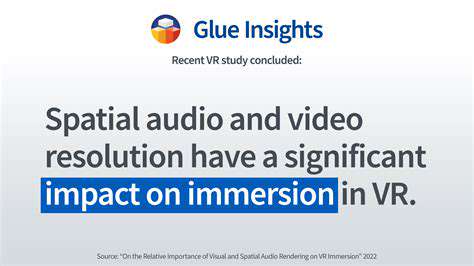
With the rise of gaming and virtual reality (VR), lossless audio is increasingly becoming essential in these fields. Sound plays a critical role in creating immersive environments for players. Lossless audio can enhance spatial awareness and realism in a game, as players can hear sounds from various directions with greater clarity. This heightened realism contributes to a more engaging gaming experience.
Moreover, as gamers invest in advanced setups, including surround sound systems, lossless audio provides the depth needed to enjoy these more complex auditory experiences. This trend illustrates the shifting expectations of gamers looking for realism, making lossless formats a staple in high-end gaming.
Audio Research and Analysis
In the academic and research worlds, lossless audio is invaluable for audio analysis. Researchers studying acoustics, sound design, and even musicology benefit from the clarity that lossless audio provides. Detailed analysis can yield insights into sound behavior, performance techniques, and even historical music practices. Using compressed formats would hinder data quality and result in inaccurate conclusions, making lossless formats necessary for research credibility.
Academics often utilize sophisticated software that demands high-quality audio for precise measurements and evaluations. This commitment to fidelity ensures that findings and recommendations based on these analyses hold up against scrutiny.
Home Theater and Surround Sound Systems
Finally, home theater enthusiasts often prefer lossless audio for their systems. Great movies and TV shows feature dynamic soundtracks that benefit from lossless audio quality. Whether it's the gentle rustle of leaves in a scene or an explosive action sequence, audio clarity enhances overall enjoyment. A home theater setup using lossless audio will deliver an experience unparalleled by standard audio formats.
Connecting lossless formats to surround sound systems enhances the immersive experience, making every home theater night feel like a trip to the cinema. With the evolution of home audio technology, adoption of lossless formats is bound to rise, appealing to consumers wanting to maximize their multimedia experiences.
Read more about How Lossless Audio Works
![Top Gaming Headsets for Immersive Sound [2025]](/static/images/25/2025-06/High-ResolutionAudioforEnhancedDetail.jpg)



Hot Recommendations
- Future of EdTech Innovations
- Best Noise Canceling Headphones Reviewed
- Best Laptops of 2025: In Depth Reviews and Buying Guide
- Best Microphones for Creators
- Understanding Ransomware and Malware [Prevention Guide]
- Smart Lighting Systems: Philips Hue vs Alternatives
- Guide to Securing Your Social Media Accounts
- Ultimate Guide to Using [Software] Keyboard Shortcuts
- Cybersecurity for Beginners: Staying Safe Online
- How to Report Online Scams and Fraud