Video Editing Hardware Buying Guide
A High-Quality Mouse and Keyboard configuration can dramatically streamline your editing workflow. Look for mechanical keyboards with customizable keys, as they allow you to assign shortcuts that speed up common editing tasks. This is particularly useful when working with software like Adobe Premiere Pro or Final Cut Pro, where time efficiency is crucial for production deadlines.
The Role of External Storage Solutions
Fast and reliable external storage solutions are fundamental for video editors, especially when working with large file sizes inherent in high-definition video content. SSDs (Solid State Drives) are highly recommended over traditional HDDs due to their significantly faster read and write speeds. For instance, a Thunderbolt 3 SSD can transfer data up to 40 Gbps, reducing the time spent waiting for file transfers and enabling smoother editing sessions.
Consider the capacity you need as well; a minimum of 1TB is advisable for those editing high-resolution formats like 4K. Always opt for portable SSDs if you’re working across different locations, as they provide convenience paired with performance. Investing in a reliable backup solution, whether cloud-based or an additional external drive, is also critical to safeguard your projects against potential data loss.
4. Budget Considerations for Video Editing Hardware
Understanding Your Budget
When considering video editing hardware, the first step is to establish a manageable budget. Calculate how much you're willing to spend and assess the value of each component you need. This means considering not only the price but also the specific functionality each part offers. For instance, if you're a hobbyist, you may not need the latest graphics card, while professional videographers might find it essential.
Moreover, understanding the purpose of your video editing is crucial. Are you working on short clips or feature-length films? Each kind of project can dictate different hardware requirements. For example, long render times may necessitate a more powerful CPU and additional RAM, which can increase your overall expenditure significantly.
Additionally, factor in potential future upgrades. A slightly higher initial investment can save you more in the long run, allowing for enhanceability without complete replacements. Research current market trends, as high-performance hardware often drops in price when newer models release.
Essential Hardware Components
The key components of your editing setup can come with varying price tags depending on brand and capabilities. A balance between price and performance is vital. For example, CPUs like AMD Ryzen series offer excellent multi-threading performance for rendering tasks, making them an ideal choice for video editing at a reasonable price point.
While building your system, don’t skimp on the GPU. A powerful graphics card is non-negotiable for tasks such as 3D rendering and video playback. Look for models that offer good value for their capabilities, such as NVIDIA's GTX or RTX series, known for their performance in rendering tasks. Remember, it's not just about power; compatibility with your software and existing hardware must be taken into account as well.
Finally, storage is another critical aspect to consider. Investing in solid-state drives (SSDs) will reduce loading times and improve the overall responsiveness of your system. Keeping your operating system and editing software on an SSD, while using larger hard drives for storage, can strike a good balance between speed and capacity.
Cost-Effective Solutions
When staring at the price tags of high-end video editing hardware, one might quickly feel discouraged. However, there are plenty of cost-effective solutions available for both beginners and professionals. Refurbished hardware is often sold at a fraction of the cost and can still deliver impressive performance levels. Just ensure thorough research into warranty and return policies before making any purchases.
Furthermore, consider gradually building your setup based on immediate needs. If your current machine handles basic edits decently, focus initially on upgrading components like RAM or the graphics card. As your skills develop and project demands increase, you can invest in higher-end hardware systematically rather than all at once. This allows for managing both your expectations and finances more easily.
Also, utilize free and open-source editing software to complement your existing hardware. Programs like DaVinci Resolve offer robust editing capabilities without any cost, allowing you to get accustomed to professional workflows while you expand your hardware over time.
Long-Term Investment vs. Short-Term Savings
When planning your expenditure, consider hardware as a long-term investment. Yes, you can save money by purchasing budget components, but this often leads to a cycle of frequent upgrades due to insufficient performance in demanding projects. It’s often worth spending a bit more upfront for greater longevity and better performance.
For instance, RAM is relatively inexpensive; however, investing in a higher capacity from the get-go can significantly improve your workflow, especially when multitasking with various applications. Getting a machine that can handle the current software standards and future upgrades is often a wiser choice than opting for the cheapest components available.
Be prepared for technology advancements as well. While hardware can become obsolete within a few years, purchasing quality components from reputable manufacturers typically ensures longer usability. Solid warranties, along with good customer support, are indicators of a brand you can trust for future-proofing your setup.
Assessing Total Cost of Ownership
Finally, when setting a budget for video editing hardware, always assess the Total Cost of Ownership (TCO). The TCO includes not just the purchase price but also other ongoing costs such as electricity consumption, maintenance, and the potential cost of software licenses. Understanding these factors helps frame a more comprehensive view of your investment.
Additionally, consider how your editing hardware may affect your productivity levels. Slower systems may lead to longer rendering times, which could slow down overall project completion and result in lost opportunities. If you can determine how much time translates into potential earnings, you may justify a more extensive investment significantly.
By evaluating the TCO in conjunction with your editing needs and projected career aspirations, you can create a clearer picture of what your budget should reflect. This strategic planning will guide smarter purchasing decisions, enhancing your editing projects in the long run.
5. Future-Proofing Your Setup
Understanding Evolving Technology Trends
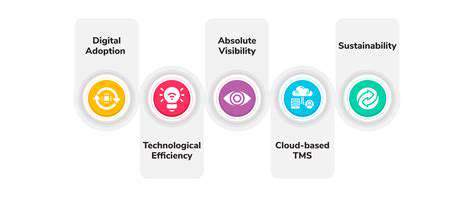
- Stay updated on hardware advancements.
- Prioritize compatibility for future software.
- Invest in scalable components.
To effectively future-proof your video editing setup, it’s crucial to stay informed about the latest advancements in hardware technology. The video editing landscape is continuously evolving, driven by advancements in GPU capabilities and storage technologies. Keeping an eye on these trends can help you make purchasing decisions that remain relevant for several years.
Additionally, software developers are constantly updating their programs for increased performance and functionality. If you invest in hardware that lacks compatibility with upcoming software requirements, you may find yourself needing to upgrade sooner than expected. Therefore, always consider how your components will support future editing tools and technologies. A solid foundation now will mitigate the need for more significant investments down the line.
Choosing Components with Scalability in Mind
When selecting hardware, focus on components that allow for easy upgrades. For example, choosing a motherboard that supports additional RAM or multiple GPUs can enhance your system's longevity. A modular approach, where you can replace or upgrade specific parts, enhances not only the lifespan but also the overall performance of your editing setup.
It's also recommended to look for systems with solid state drives (SSDs) that are known for their speed and reliability. As video quality continues to rise, with formats like 4K and 8K becoming more prevalent, your storage solutions need to handle larger file sizes efficiently. Investing in a robust and scalable storage solution will ensure that your system can accommodate rapidly changing video formats and resolutions.
Read more about Video Editing Hardware Buying Guide