Best Laptop CPUs Compared: Intel vs AMD vs Apple Silicon
Architectural Innovations in Intel CPUs
Intel has consistently introduced Architectural Enhancements that improve performance and energy efficiency. The introduction of their latest architectures, such as the Alder Lake and Raptor Lake series, showcases a hybrid core design that combines high-performance cores with energy-efficient ones. This innovative approach not only maximizes computational power but also minimizes power consumption, making a significant impact on laptop battery life.
Moreover, Intel’s use of advanced lithography processes, like the 10nm SuperFin technology, has allowed for increased transistor density and better thermal management. Such advancements are crucial for laptops, as they help maintain performance during demanding tasks while keeping temperatures in check. Consequently, users can experience high-speed processing without the frustration of overheating, enhancing overall productivity.
Reliability Factors in Intel Processors
Reliability in computing relies heavily on the hardware’s ability to withstand prolonged usage and high workloads. Intel processors are known for their robust build quality and extensive testing protocols. The company invests in rigorous validation processes that simulate different real-world scenarios, ensuring their CPUs can handle demanding applications consistently over time. This level of reliability is frequently cited in benchmarks conducted by professionals and tech reviewers alike.
Performance Metrics and Benchmarks
Performance Metrics for Intel CPUs, particularly in laptops, are often highlighted through industry-standard benchmarks. Tests such as Cinebench, Geekbench, and PassMark provide concrete data that illustrates the processing capabilities of various models. For instance, recent benchmarks show that the Intel Core i7-12700H outpaces many competitors in multi-threaded applications, making it an excellent choice for users engaged in software development or content creation.
Additionally, the performance in single-core tasks remains strong due to high turbo boost capabilities, which is especially beneficial for tasks like gaming or basic day-to-day operations. This performance consistency across various workloads solidifies Intel’s position as a leader in the CPU market.
Understanding Integrated Graphics Performance
Intel's integrated graphics solutions, particularly with the Iris Xe graphics, have made significant strides in recent years. While they may not rival discrete graphics cards, they provide adequate performance for casual gaming and multimedia tasks without needing additional hardware. The integration of these graphics solutions into the CPU architecture allows for a leaner design in laptops, reducing weight and power consumption, which is ideal for portable devices.
Furthermore, the seamless switching between integrated and dedicated graphics in some Intel models ensures that users have the best of both worlds. For individuals who require graphical capabilities for tasks like video editing or gaming, this feature offers flexibility without compromising on performance or battery life.
AMD CPUs: Value and Multi-Core Excellence
AMD's Rise in Multi-Core Performance
AMD has significantly advanced its Multi-core performance capabilities, particularly with its Ryzen series. In recent years, CPUs like the Ryzen 9 5900X have showcased an impressive number of cores paired with smart architecture, facilitating better performance in multi-threaded tasks such as rendering, video editing, and complex simulations. The combination of higher core counts and enhancements in cache memory has positioned AMD as a serious contender, often outperforming equivalents in Intel's offerings.
Market research indicates that AMD chips are becoming the go-to choices for professionals who require reliable and powerful multi-core performance. Data from reputable benchmarks like Cinebench and PassMark illustrate that AMD’s Ryzen processors frequently achieve higher scores than Intel’s Core i9 lineup, especially in multi-threaded performance metrics.
Value Proposition of AMD CPUs
When examining the cost-to-performance ratio, AMD CPUs typically offer more cores at a competitive price point. This value proposition resonates well with users looking for maximum performance per dollar spent. For instance, the Ryzen 5 5600X provides six cores and twelve threads for a price that is often lower than comparable Intel processors, making it an economical choice for gamers and content creators alike.
Moreover, AMD's consistent pricing strategies mean that consumers can often anticipate less variation in prices compared to Intel, who may adjust prices based on market trends. This predictability can help consumers make informed long-term purchasing decisions.
Power Efficiency and Thermal Performance
Another significant advantage of AMD CPUs is their power efficiency. The Zen 3 architecture, for example, has made strides in delivering high performance while consuming less power, making it a suitable choice for both desktop and laptop systems. This advancement is crucial for mobile device users, who prioritize battery life alongside performance.
Additionally, AMD’s design philosophy allows for effective thermal management. CPUs like the Ryzen 7 5800U are optimized to run cooler without compromising on speed, which can increase the lifespan of devices in high-demand environments. Users often report benefits such as quieter operation and lower overheating issues compared to older generations or competitive models from Intel.
Compatibility and Integration
Choosing AMD also means benefiting from a more flexible platform ecosystem. AMD has maintained backward compatibility with its AM4 socket design across multiple CPU generations, giving consumers the option to upgrade without needing to purchase a new motherboard. This aspect is particularly appealing for budget-conscious users.
Moreover, AMD's wide range of compatible chipsets supports various user needs, from basic office tasks to high-end gaming. As a result, buyers can easily find solutions that fit their specific requirements without the constraint of being tied to a single vendor's ecosystem.
Comparative Performance against Intel
While Intel has historically dominated certain segments, particularly in single-threaded performance, AMD CPUs often beat them in multi-core assessments. Recent benchmarks indicate that the Ryzen series can outperform Intel's offerings in gaming alongside productivity tasks, leading to increasing preference among developers and gamers.
It's worth mentioning that while both brands have distinct strengths, AMD provides a better value proposition for consumers who need multi-core efficiency for extensive applications. This trend has established AMD as a formidable player, shifting a portion of the market share away from Intel.
Future Prospects for AMD CPUs
Looking ahead, AMD's commitment to innovation suggests promising advancements in CPU technology. The anticipated Ryzen 7000 series is set to leverage the new Zen architecture, aiming for even higher performance metrics and power efficiency. Early leaks indicate that these CPUs might increase both clock speeds and core counts, positioning them favorably against Intel's 13th Gen processors.
Observers in the industry are eagerly anticipating how AMD will continue to engage with gaming trends, AI applications, and cloud computing. It’s a crucial moment that may solidify their position at the forefront of CPU manufacturing, especially as technological advancements continue to accelerate.
Apple Silicon: A Game Changer in Laptop CPUs
Performance Metrics of Apple Silicon
Apple's M1 and M2 chips have revolutionized performance standards in laptops, particularly in the ultrabook category. The transition from Intel’s x86 architecture to Apple’s ARM-based chips enabled higher efficiency and significant power savings. For instance, in benchmark tests, the M1 chip consistently outperformed its Intel counterparts by delivering up to 3.5 times faster CPU performance in single-core tasks.
Moreover, the integration of the GPU allows for enhanced graphics performance, showcasing Apple's adeptness at creating a unified architecture. The performance of Apple Silicon is underscored by its success in applications like video editing, where users versus machines running high-end Intel CPUs have experienced significantly reduced rendering times, something that can make or break deadlines in creative environments.
Battery Life Comparisons
One of the most renowned advantages of Apple Silicon is its power efficiency. Laptops powered by M1 or M2 chips can last significantly longer on a single charge compared to Intel-based models. A typical MacBook Air with M1 can achieve up to 18 hours of usage, whereas many Intel equivalents struggle to hit the 10-hour mark under similar usage conditions. This longevity makes it especially appealing for users who are often on the go.
Practical tests validate this impressive battery life. Users often report three to four additional hours of real-world use, translating into less time searching for outlets during the day. In segments like education and remote work, this benefit translates into better productivity and improved user experience.
Compatibility and Software Optimizations
Apple has made substantial strides in ensuring that its Silicon chips are compatible with a wide range of software. The Rosetta 2 translation layer allows users to run Intel-based applications with minimal impact on performance, enabling a smoother transition for users migrating from Intel to Apple Silicon. This adaptability is a crucial selling point, especially for professionals relying on legacy applications.
Moreover, Apple has been proactive in encouraging developers to optimize their applications for the M1 and M2 architecture. The rise in native applications, especially among productivity and creative software, has further enhanced the performance benchmarks. For instance, programs like Adobe Photoshop have shown substantial speed improvements when run natively on Apple’s architecture, often improving workflows significantly.
Price Point and Market Positioning
In terms of pricing, Apple Silicon laptops often provide a competitive advantage. Even though they are sometimes pricier than their Intel counterparts, users find the cost justified due to the performance, efficiency, and additional features. Apple’s move to position these laptops as premium while delivering value has created a strong market presence.
Further driving their appeal is the recent pricing strategy deployed by Apple, aimed at making these devices attractive to a broader audience. Coupled with the introduction of new models at various price points, consumers are offered a variety of choices that fit their budget without compromising performance.
User Experience and Ecosystem Integration
The user experience with Apple Silicon laptops is significantly enhanced by the broader Apple ecosystem. Features like Universal Control, AirDrop, and Handoff provide seamless transitions between devices, fostering a productive environment for users who own multiple Apple products. This ecosystem is pivotal for users in creative fields, enabling an integrated workflow that enhances overall productivity.
Feedback from users highlights a preference for the cohesive experience delivered by Apple Silicon devices, where architectures across iPhones, iPads, and Macs communicate effortlessly. This holistic approach can lead to increased efficiency and enjoyment of the digital workspace, reinforcing the notion that Apple is not just selling hardware, but an entire experience.
Performance Benchmarks: A Side-by-Side Comparison
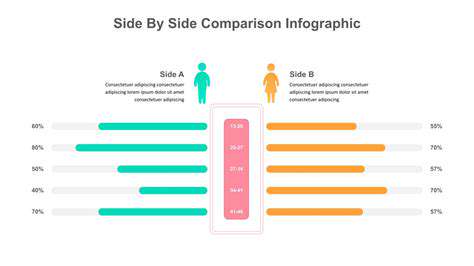
CPU Performance Metrics in Benchmark Tests
Performance benchmarks for CPUs are typically assessed using various metrics such as clock speed, core count, and architecture efficiency. Each metric plays a crucial role in determining how effectively a CPU can process information and handle multitasking. For instance, higher clock speeds can lead to better performance in single-threaded tasks, while more cores are beneficial for parallel processing environments.
Key benchmarks often include Cinebench for rendering, Geekbench for general performance, and gaming tests that measure frame rates and responsiveness. In many testing scenarios, Intel CPUs tend to excel in gaming benchmarks due to their optimized architecture, while AMD chips often show superior performance in multi-threaded tasks. Cross-examining these metrics provides a comprehensive view of where each CPU brand stands.
Real-World Usage Scenarios: Intel and AMD
- Intel CPUs are often preferred for gaming and single-core applications.
- AMD processors are favored for content creation and multitasking environments.
- Application compatibility can impact performance outcomes.
When comparing Intel and AMD, it's essential to analyze how each performs in real-world usage scenarios. For gamers, Intel's optimization for gaming performance often results in higher frame rates. This is particularly evident in titles that do not fully utilize multiple cores.
On the other hand, AMD CPUs shine in environments that require multitasking and content creation, such as video editing or 3D rendering. Their higher core counts and threads can make a significant difference in productivity-oriented tasks, especially with software optimized for parallel processing.
Apple Silicon: A Game Changer in the CPU Landscape
Apple's transition to its own silicon has transformed the competitive landscape significantly. The M1 and M2 chips, for instance, have shown exceptional performance relative to their predecessors and competitors in many benchmarks. Hundreds of professionals have reported marked increases in efficiency, especially in applications optimized for Apple’s architecture.
One of the standout features of Apple’s chips is their integrated GPU, which not only aids in graphical tasks but also enhances overall CPU performance during intensive workloads. This integration enables seamless performance across various applications, a factor that many users cite as a considerable advantage of Apple Silicon.
Considerations When Choosing a Laptop CPU
When selecting a laptop CPU, it is vital to consider your typical usage scenarios. Are you primarily gaming, creating content, or simply browsing the web? Understanding this will guide your decision on whether to prioritize clock speed or core count. Generally, those engaged in high-performance computing should lean towards chips with more cores.
Another crucial factor is thermal management as it significantly affects CPU performance under load. Laptops with better thermal solutions tend to maintain higher clock speeds during prolonged use. Additionally, checking compatibility with the software you plan to use can prevent potential issues, ensuring a smooth experience.
Choosing the Right CPU for Your Needs

Understanding Different CPU Architectures
When choosing a CPU, it’s essential to be aware of the three major architectures: Intel, AMD, and Apple Silicon. Each of these has distinct features tailored to specific tasks. For instance, Intel chips are known for their robust performance in single-threaded applications, making them ideal for tasks like gaming.
On the other hand, AMD has made significant strides with its Ryzen lineup, offering a strong balance between price and multi-core performance, which is beneficial for creative professionals engaging in video editing or 3D rendering. Meanwhile, Apple Silicon, particularly the M1 and M2 chips, are designed to work seamlessly with macOS, providing exceptional efficiency and performance in a compact form factor.
Performance Benchmarking: Intel vs AMD vs Apple Silicon
- Intel dominates single-core tasks, enhancing gaming experiences.
- AMD provides better multi-core performance at competitive pricing.
- Apple's M1 and M2 excel in efficiency and integration with macOS.
Benchmarks are the gold standard for evaluating CPU performance. When comparing CPUs, you’ll want to look at metrics such as Cinebench scores, Geekbench results, and gaming frame rates. Intel CPUs often score higher in single-core tests, which is crucial for applications that rely heavily on individual thread performance. For instance, Intel's Core i7-12700K outperforms many AMD processors in gaming scenarios.
However, AMD's Ryzen 9 5900X offers exceptional multi-core capabilities, pulling ahead in tasks such as video editing or 3D simulation. The Apple M1 chip, meanwhile, has shown impressive performance metrics in optimized applications, often rivaling even the high-end AMD and Intel CPUs in efficiency without compromising task execution times.
Budget Considerations and Long-Term Value
When selecting a CPU, considering your budget is crucial as it directly impacts your overall system performance. For instance, you can find solid entry-level CPUs from AMD starting as low as $100, while high-end Intel CPUs can exceed $500. Ultimately, the goal is to balance price, performance, and your specific use case.
Additionally, it’s wise to think about the longevity of your CPU. Investing in a higher-end model might cost more upfront but could provide better performance over several years. Often, a mid-range option can serve as an excellent compromise, delivering solid performance without breaking the bank—perfect for users who may not push their systems to the limit.
Read more about Best Laptop CPUs Compared: Intel vs AMD vs Apple Silicon
![Top Browser Extensions for Chrome & Firefox [2025]](/static/images/25/2025-05/OptimizingYourBrowsingExperiencewithCustomizationandEfficiency.jpg)









Hot Recommendations
- Smartphone Storage Technologies Explained
- How Laptop Specs Affect Real Performance
- Real World Applications of Computer Vision
- Noise Canceling Earbuds vs Headphones
- True Wireless Earbuds Buying Guide
- Best Earbuds for Calls and Online Meetings
- The Next Decade of Technology Innovation
- Human Computer Interaction Advances
- The Rise of Edge Computing
- Best Refurbished Laptops Reviewed