Database
Blockchain
Cybersecurity
Scalability
Traditional Databases

Blockchain vs Traditional Databases
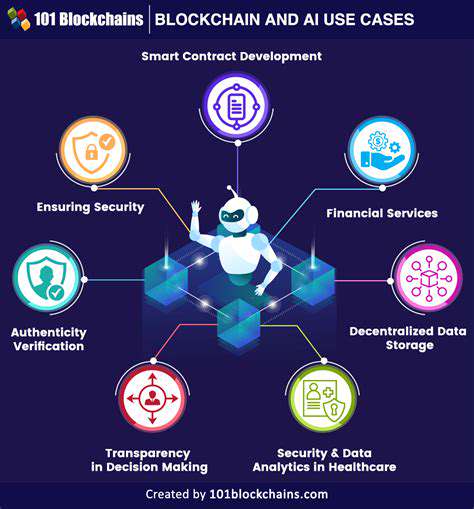
When to Choose Blockchain or Traditional DatabasesUseCases:WhentoChooseBlockchainorTraditionalDatabases

Understanding Blockchain Technology

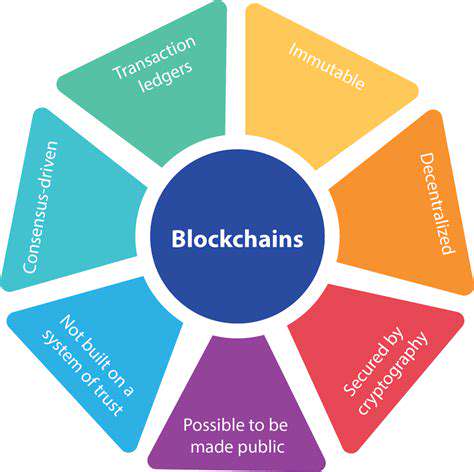
The emergence of blockchain technology has revolutionized data storage and management. Its Decentralized Nature Ensures that multiple parties can access and verify data independently. This reduces the risks associated with a single point of failure that is prevalent in traditional databases.

Blockchain operates on a consensus mechanism where transactions must be verified by the network before being added. This is a significant shift from the traditional method of having a central authority manage data integrity. Blockchain's ability to enhance transparency and security makes it particularly suitable for sectors requiring stringent regulatory compliance, such as finance and healthcare.

Key Advantages of Traditional Databases

  • Fast transaction speeds with centralized control.
  • Flexibility to modify schemas as needed.
  • Lower costs for smaller-scale applications.

Traditional databases, such as SQL databases, are often preferred for their ease of use and flexibility. They offer fast transaction speeds and can handle complex queries efficiently. This makes them suitable for applications where speed is crucial, like e-commerce platforms.

Moreover, traditional databases allow for easier schema modifications, appealing to businesses that frequently change their operational structures. Costs are also a factor; for smaller companies, traditional databases can be more budget-friendly.

When to Choose Blockchain

Choosing blockchain technology is particularly advantageous when Data Integrity And Trust are top priorities. For example, in supply chain management, blockchain can track the origin and journey of products, ensuring authenticity at every stage. This builds trust between producers and consumers.

Additionally, businesses that require immutable records, such as those handling sensitive financial transactions, should consider blockchain. Once data is written onto a blockchain, it cannot be altered without consensus from the entire network, providing a level of security that traditional databases cannot match.

Scenarios Favoring Traditional Databases

There are various scenarios where traditional databases may outperform blockchain solutions. If your application requires rapid data processing and frequent updates, then a traditional database is likely more appropriate. For instance, a digital streaming service needs to constantly update user activity and preferences, which would be highly inefficient on a blockchain.

Furthermore, when dealing with structured data that doesn’t require complex comparisons or immutable records, traditional databases offer a streamlined approach. Their optimized indexing and querying capabilities can lead to better performance.

Cost Considerations for Each Technology

Implementing a blockchain solution often comes with higher initial and ongoing costs compared to traditional databases. Factors such as the need for specialized developers, hardware investments, and increased computational resources can substantially inflate budgets.

However, in the long run, businesses may find that blockchain's benefits outweigh these costs, especially for applications requiring verification and auditability. For smaller businesses or startups, traditional databases may offer a more affordable initial setup while providing the necessary scalability as they grow.

Conclusion: Making an Informed Decision

Choosing between blockchain and traditional databases hinges on specific project requirements. If your project emphasizes transparency, security, and data integrity, blockchain is an excellent choice. However, if you prioritize speed, flexibility, and cost-effectiveness, traditional databases might be the better option.

Ultimately, understanding the strengths and limitations of each technology is crucial. By aligning your choice with your organizational goals and project needs, you can ensure the selection of the most appropriate database solution to give your enterprise a competitive edge.

Read more about Blockchain vs Traditional Databases
A Comprehensive GuideBlockchain technology is a groundbreaking decentralized ledger system that enables secure and transparent record-keeping across multiple computers. This innovative architecture ensures data immutability, allowing participants to trust the integrity of the information stored. In this article, we dive into the core components, applications, challenges, and future prospects of blockchain technology. What is Blockchain Technology?At its essence, blockchain technology consists of blocks of data linked through cryptographic hashes, forming an unbreakable chain. Nodes—computers within the network—participate in transaction verification via consensus mechanisms such as Proof of Work and Proof of Stake, ensuring integrity and security. Key Components:- Blocks: Contain transaction data, timestamps, and the preceding block's hash.- Nodes: Verify and maintain the blockchain.- Consensus Mechanisms: Ensure all nodes agree on transaction validity. Applications Beyond CryptocurrencyBlockchain's applications extend far beyond cryptocurrencies. Sectors like finance, supply chain management, and healthcare explore ways to leverage its features for enhanced efficiency. Blockchain enables faster cross-border transactions, improves accountability in product tracking, and securely manages patient records. Challenges Facing AdoptionDespite its transformative potential, blockchain technology faces obstacles, including:- Scalability: Many networks struggle to handle high transaction volumes, leading to slower speeds and increased costs.- Regulatory Uncertainty: Inconsistent regulations worldwide create hesitance among businesses to adopt blockchain solutions.- Cybersecurity: Vulnerabilities exist within blockchain applications, calling for robust security frameworks. The Future of BlockchainAs blockchain technology evolves, we anticipate enhanced integration with other technologies like AI and IoT. Industry standards will likely emerge to facilitate interoperability, expanding blockchain use across multiple sectors. Embracing education and transparency will be key for businesses looking to leverage this technology effectively. ConclusionIn conclusion, blockchain technology signifies a monumental shift in data management, security, and operational efficiency. Early adopters stand to benefit immensely by understanding both the advantages and challenges that come with implementing blockchain. By addressing current hurdles and promoting collaborative innovation, we can pave the way for a more efficient and transparent digital future.Explore the intricacies of blockchain technology and its enduring impact on various industries. Stay updated with current trends and innovations to unlock the full potential of this transformative technology.
Apr 23, 2025
How to Protect Your Data Online [Ultimate Guide]
May 30, 2025
Best Practices for API Security and Development
Jun 07, 2025
How to Identify and Protect Against Zero Day Exploits
Jul 14, 2025
Best Practices for Securing Mobile Apps (Development & Usage)
Jul 18, 2025
Top Mobile Security Apps for Android & iPhone
Aug 08, 2025
Cybersecurity for Beginners: Staying Safe Online
Aug 10, 2025
The Future of Wireless TechnologyExplore the rapid evolution of wireless networking as we delve into the advancements in 5G technology and its implications for various sectors. 5G represents a significant leap from 4G, promising unprecedented speeds exceeding 20 Gbps and showcasing the capability to support massive connectivity for the Internet of Things (IoT) and smart cities. More than 100 countries are already on board with 5G networks, demonstrating the global demand for faster, reliable connectivity. Enhancing IoT Connectivity and Smart CitiesThe integration of 5G technology simplifies real-time data transfer, bolstering IoT applications that facilitate smarter city infrastructures. Whether it's optimizing traffic routes to reduce congestion or enabling autonomous vehicles, 5G empowers urban environments with smarter solutions. Edge Computing and Real-Time Applications5G’s collaboration with edge computing minimizes latency, fostering real-time applications critical for sectors like healthcare and manufacturing. This synergy ensures that responses to commands are swift, significantly enhancing user experience. Security ChallengesHowever, the advancement of 5G introduces new security concerns, necessitating robust cybersecurity measures to protect privacy and data integrity. With a rising number of connected devices, implementing comprehensive security protocols in hardware and software becomes paramount. AI's Role in Network OptimizationArtificial Intelligence plays a pivotal role in managing network traffic and enhancing security through predictive analytics. By optimizing bandwidth and preemptively identifying potential issues, AI ensures a seamless experience for users, especially as we transition toward next-gen networks. Looking Ahead: Wi-Fi 6 and Wi-Fi 7As we embrace 5G, the arrival of Wi-Fi 6 and the anticipated Wi-Fi 7 is also on the horizon. Wi-Fi 6 expands capabilities with data rates up to 9.6 Gbps, enabling efficient performance in high-density environments. Wi-Fi 7 promises even greater advancements with potential speeds reaching 30 Gbps, preparing us for a future focused on AR and VR experiences. Mesh Networking SolutionsDiscover how mesh networking reshapes wireless connectivity by enhancing coverage and minimizing dead zones. Ideal for both residential and business environments, mesh systems dynamically adjust to optimize connectivity and provide redundancy in case of node failures. The Future of Wireless SecurityAs wireless networks continue to evolve, understanding the importance of security protocols such as WPA3, along with ongoing measures to protect against common threats, is crucial. Businesses must adopt best security practices, from strong password policies to regular security audits.In conclusion, the forthcoming advancements in wireless technologies hold the potential to transform industries significantly. Staying informed and prepared for these changes is essential for technology, business, and government stakeholders, ensuring they navigate the future of connectivity effectively. For more insights and updates, visit our site regularly and stay ahead in the fast-paced world of wireless networking.
Feb 07, 2026
AI, 5G, Quantum Computing, and SustainabilityThe realm of technology is rapidly evolving, with advancements in Artificial Intelligence (AI) and Machine Learning (ML) leading the charge. Breakthroughs in deep learning techniques, such as transformers and generative adversarial networks (GANs), have transformed sectors including healthcare, where AI can analyze medical images with enhanced precision. Similarly, predictive analytics has become paramount for businesses, enabling accurate forecasting and decision-making, which can boost revenue by 60% for organizations that leverage these tools.AI's capabilities extend to Natural Language Processing (NLP), drastically improving customer service through intelligent chatbots and enhancing user experience. Meanwhile, the significance of cybersecurity in this technology landscape cannot be overstated, as AI helps in quickly identifying and mitigating cyber threats. However, the societal implications of these technologies demand careful consideration to ensure that ethical standards are upheld as we advance.Another transformative technology is 5G, a game-changer for connectivity, boasting speeds over 10 Gbps. The large capacity of 5G networks facilitates the connection of up to a million devices, ushering in advancements in sectors such as manufacturing and logistics. Despite the numerous benefits, the implementation of 5G infrastructure poses challenges, including significant investment and regulatory hurdles.Quantum Computing represents the next frontier in technological advancement. With its unique quantum bits (qubits) capable of processing information at unprecedented speeds, this technology holds promise across various industries—from optimizing finance strategies to accelerating drug discovery. As quantum cryptography develops, it poses a potential threat to traditional encryption methods, calling for urgent advancements in cyber techniques.Finally, technology plays a crucial role in fostering sustainability. Innovations in clean energy, such as solar and wind, along with breakthroughs in battery storage, are paving the way for reduced carbon emissions. Smart agriculture and sustainable manufacturing practices, empowered by automation and AI, are realizing the benefits of efficiency and resource conservation.As we look to the future, continuous investment in research and collaboration is essential. Stakeholders in technology, government, and academia must engage in discussions and actions that shape a responsible approach to harnessing these technological advancements for societal benefit. The convergence of AI, 5G, quantum computing, and sustainable practices is set to redefine our world, offering exciting possibilities for innovation and growth.
Feb 09, 2026
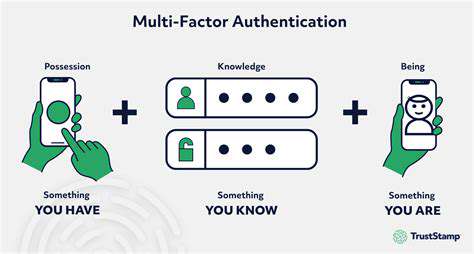
Comprehensive Guide to Securing Your Home NetworkIn today’s digital age, protecting your home network is more important than ever. With an increasing number of devices connected to the Internet, ensuring your Wi-Fi and devices are secure is critical. Here’s a detailed breakdown of essential steps to enhance your home network security. 1. Secure Your Wi-Fi NetworkStart by assessing your current Wi-Fi security settings. Login to your router’s settings via its IP address (often 192.168.1.1 or 192.168.0.1) and ensure the encryption is set to WPA3. Always choose a unique SSID that doesn't reveal personal information to ward off potential intruders. Regularly check the list of connected devices – any unfamiliar device should raise red flags.Next, change the default login credentials provided by your router manufacturer. Opt for a strong, complex password with a mix of letters, numbers, and symbols. It is recommended to change these credentials regularly to ensure maximum security. 2. Keep Your Devices UpdatedRegular software updates are vital to mitigate vulnerabilities. Research shows that 85% of security flaws can be addressed through timely updates. Neglecting your devices’ software exposes you to risks like malware and data breaches. To make this easier, consider setting your devices to update automatically. Be aware of distinctive update requirements for different devices, especially IoT devices, which may not get updates as frequently but are still critical to your network security. 3. Use Strong Passwords and Two-Factor AuthenticationCreating strong passwords is fundamental to securing your accounts. Utilize a combination of uppercase, lowercase, numbers, and special characters for complexity. Additionally, enable two-factor authentication (2FA) for sensitive accounts to add another layer of protection. 4. Monitor Connected DevicesDevice monitoring is crucial for identifying any unauthorized access. Use tools like Fing or GlassWire to provide insights into your network activity and help manage connected devices. Many routers also have built-in monitoring capabilities; utilize these features to stay informed about device logins and data usage.Setting up notifications for unusual activities and regularly reviewing device logs will allow you to take swift action against potential threats. Implementing device access controls like MAC address filtering can further enhance your network's security. 5. Educate Yourself About Common ThreatsFamiliarize yourself with potential cyber threats like phishing, ransomware, and malware. Regularly updating your knowledge on these issues helps you recognize signs of attacks and prevent them effectively. Regular discussions about cybersecurity with family members may encourage a collective effort towards maintaining a secure home network.In conclusion, enhancing your home network security involves a proactive, multi-layered approach. Regular updates, strong passwords, device monitoring, and awareness of common threats are all fundamental elements in safeguarding your personal information and ensuring a secure digital environment.
Feb 11, 2026
- Public: Open for anyone to participate, fostering transparency but facing scalability challenges.- Private: Restricted to particular users and organizations, providing enhanced privacy.- Consortium: Managed by a group of organizations, combining features of both public and private blockchains. Smart Contracts and Their ApplicationsSmart contracts are self-executing agreements written directly into code. They automatically execute when conditions are met, which mitigates the need for intermediaries. These contracts can revolutionize various sectors, especially in real estate and supply chain management, by automating processes and reducing costs. Challenges Facing Blockchain TechnologyDespite its advantages, blockchain faces challenges related to scalability, energy consumption, and regulatory uncertainties. Innovative solutions, such as Layer-2 enhancements and hybrid models, are being explored to tackle these issues, while regulatory discussions continue to evolve around consumer protection and innovation. The Future of Blockchain TechnologyThe future of blockchain is promising, with increasing recognition from industries. Trends indicate a shift towards hybrid models integrating both public and private elements, as well as advancements in interoperability, enabling seamless interaction between different blockchains.As blockchain technology matures, its potential applications across diverse industries may redefine business operations, from enhancing transparency in supply chains to improving security protocols in cybersecurity measures. Investment in blockchain continues to rise, reflecting confidence in its transformative capabilities. Embracing the innovations within this space will be vital for businesses looking to stay competitive in a blockchain-driven future.
Feb 12, 2026
Essential Digital Skills and Emerging TechnologiesIn today's digital age, possessing fundamental digital skills is vital for navigating both personal and professional landscapes. This article explores several key areas of digital competence, including the essentials of digital literacy, effective online communication, and emerging technologies like the Internet of Things (IoT), artificial intelligence (AI), and blockchain. Understanding Digital LiteracyDigital literacy goes beyond basic device operation. It includes the ability to assess online information critically, enhancing both personal safety and professional prospects. As industries increasingly integrate technology, enhancing digital skills through online courses, tutorials, and hands-on experience is indispensable. Core Computer Skills Mastering basic computer skills is crucial. Understanding operating systems and software applications, as well as practicing online searches and data management, can position individuals for career success. Additionally, being adept at file security, including recognizing phishing scams and utilizing cloud storage, is essential for safeguarding personal and professional information. Effective Online CommunicationWith the rise of remote interactions, mastering online communication has become more important than ever. Techniques including email etiquette, social media engagement, and video conferencing are essential in maintaining professionalism and positive reputations online. Understanding privacy settings also enhances secure interactions. Enhancing Online Research SkillsSuccessful online research is critical for both academic and personal decision-making. The ability to locate, evaluate, and synthesize information from reliable sources is a vital skill. Continuous practice through projects or targeted workshops can significantly improve research methodologies. Cybersecurity AwarenessAmidst increasing connectivity, awareness of cybersecurity threats is crucial. Understanding potential threats, such as malware, phishing, and data breaches, enables users to adopt protective measures. Implementing strong passwords, two-factor authentication, and keeping software updated can fortify defenses against cyber incidents. Introduction to IoTThe Internet of Things (IoT) represents a network of interconnected devices that communicate data seamlessly. Its applications range from smart home devices to healthcare innovations. The growing number of connected devices presents both opportunities and challenges in security and interoperability. AI Integration in Daily LifeArtificial Intelligence (AI) is revolutionizing user experiences through personal assistants, predictive algorithms in services, and improvements in various industries. While providing efficiency and personalized experiences, AI also brings challenges related to data privacy and algorithmic bias. Blockchain Technology ExplainedBlockchain technology serves as a foundation for cryptocurrencies and offers far-reaching possibilities beyond financial transactions. Its decentralized nature enhances data security and transparency across sectors, including finance, supply chain, and healthcare. However, challenges such as scalability and regulatory uncertainty remain. Cyber Threats and Safety PracticesAwareness of cyber threats is paramount for digital safety. Implementing best practices such as creating robust passwords, utilizing firewalls, and conducting regular data backups can safeguard against data loss and breaches. Continuous education and proactive measures are essential in maintaining a secure digital environment.As we continue to evolve in this digital landscape, cultivating these essential skills and understanding emerging technologies will empower individuals and organizations alike, paving the way for a more secure and innovative future.
Feb 14, 2026
View Publication>>