Blockchain Technology
Transaction Processing
Transaction
Blockchain
Decentralization
Scalability
Smart Contracts
Technology
Investment

How Blockchain Technology Actually Works

public, private, and consortium. Public blockchains, such as Bitcoin and Ethereum, are openly accessible, allowing anyone to participate as a node. This promotes accessibility and transparency but may face challenges related to scalability and speed.

Private blockchains, on the other hand, are restricted to specific users and organizations, enhancing privacy and control over the data. They are often faster and more efficient in transaction processing, making them suitable for enterprise solutions.

Consortium blockchains represent a hybrid model, where a group of organizations share control over the blockchain. This model fosters cooperative governance while maintaining a degree of decentralization, often utilized in sectors like finance and supply chain.

Smart Contracts and Their Applications

Smart contracts are self-executing contractual agreements with the terms of the agreement directly written into code. They automatically execute when predetermined conditions are met, facilitating transactions without the need for intermediaries. This reduces costs, increases efficiency, and minimizes the potential for disputes.

The application of smart contracts spans several industries. For instance, in real estate, they can automate property transfers, ensuring that conditions related to contingencies are met before finalizing the sale. Their inherent transparency promotes trust among parties involved while streamlining processes that traditionally require extensive paperwork.

Challenges Facing Blockchain Technology

Despite its numerous advantages, blockchain technology faces several challenges. Scalability is a persistent issue; as more users participate in the network, transaction times can slow down significantly. This has prompted the exploration of various Layer-2 solutions and alternative consensus mechanisms to enhance performance without sacrificing security.

Another concern is regulation. As governments gradually recognize the potential of blockchain, there is an ongoing debate about how to create frameworks that protect consumers while fostering innovation. Striking this balance is key to mainstream adoption, and future developments are highly contingent on regulatory clarity.

The Future of Blockchain Technology

The future of blockchain technology is poised for significant growth and innovation. Industries are increasingly recognizing the benefits of integrating blockchain solutions, as evidenced by the rising number of pilot projects and collaborations among enterprises. Trends indicate a shift toward hybrid models that combine features of both public and private blockchains, catering to various use cases.

Furthermore, advancements in blockchain interoperability may enable different blockchains to communicate and share data seamlessly. This will enhance the overall ecosystem, allowing for more sophisticated applications and encouraging collaboration across sectors. As the technology matures, its integration into everyday processes could redefine how businesses operate and interact.

How Transactions Are Processed

HowTransactionsAreProcessed

Understanding Transaction Initiation

Transactions in blockchain networks begin with an initialization process, where a user submits a request to transfer assets or information. This request is encoded into a digital format, often referred to as a transaction payload. The clarity of this initial step ensures that all network participants comprehend the intent and details of the transaction. This includes specifying the amount of cryptocurrency being transferred, the recipient's address, and any associated fees.

Once a transaction is initiated, it is broadcast to the network for validation. This is the point at which transactions start to enter a pending state, waiting for miners or validators to confirm their authenticity. It's crucial for these transactions to be accurately formatted; otherwise, they can be rejected by the network.

The Role of Miners in Validation

Mining is a critical component in the transaction processing chain within a blockchain network. Miners utilize powerful computers to solve complex cryptographic puzzles that validate transactions. This process not only confirms the legitimacy of transactions but also adds them to a block once validated. By doing so, miners play an essential role in maintaining the integrity of the blockchain ecosystem.

  • Miners ensure only valid transactions are added to the blockchain.
  • They receive rewards in the form of transaction fees and newly minted coins.
  • The mining process enhances network security.

The competitive nature of mining encourages efficiency, ensuring that transactions are processed swiftly while maintaining security. As a result, this operation acts as both a validator and a transaction queue manager within the network.

Block Creation and Confirmation

Once transactions are validated, they are grouped together into a block. A block contains multiple transactions and is essentially a record of all recent transactions that have occurred within the network. After a block is created, it goes through a confirmation process where miners compete to add it to the existing blockchain. This confirmation process can take several minutes to hours, depending on the network congestion and mining difficulty.

Each confirmed block is then linked to the previous block, forming a chain that is immutable. This chain serves as a permanent record and is publicly accessible on the blockchain, allowing for transparency and traceability of all transactions conducted over time.

Consensus Mechanisms: Ensuring Agreement

A significant aspect of transaction processing in blockchain technology is the consensus mechanism. Various consensus algorithms, such as Proof of Work and Proof of Stake, ensure that all participants in the network agree on the validity of transactions. Each mechanism has its own set of rules and procedures, impacting the speed and security of transaction processing. Consensus Mechanisms Prevent Fraud and ensure a cohesive network operation.

By utilizing these algorithms, the decentralized nature of blockchain technology is maintained, as it disperses power among network participants rather than centralizing it. This decentralization is vital for creating a trustless environment where users can transact without relying on a central authority.

Post-Transaction Processes and Finality

After a transaction is confirmed and added to the blockchain, it moves into the finality phase. In this phase, the transaction is practically irreversible, and the recipient can access the transferred assets. The time frame for a transaction to achieve finality can vary based on network conditions and the protocol's design. Understanding this timeline is crucial for users engaging in time-sensitive transactions.

Moreover, some blockchains have mechanisms in place to enhance the speed of finality. For instance, Layer 2 solutions offer quicker transaction speeds by handling off-chain transactions, subsequently settling them on the main blockchain. Users should consider these options to optimize their transaction experience while ensuring that the integrity of the data remains intact.

Consensus Mechanisms: Ensuring Trust
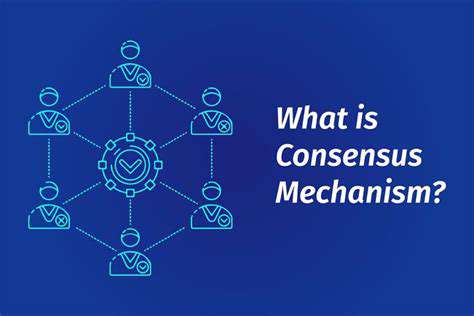
ConsensusMechanisms:EnsuringTrust

Understanding Consensus Mechanisms

Consensus mechanisms are fundamental to blockchain technology, playing a vital role in achieving agreement among distributed networks. These protocols ensure that all participating nodes or computers agree on the validity of transactions, making them essential for the security and integrity of blockchain systems.

To simplify, consensus mechanisms can be likened to a set of rules that everyone must follow to reach a common decision. This ensures that no single entity can manipulate or change the transaction history, thereby preserving the trustworthiness of all transactions recorded on the blockchain.

Types of Consensus Mechanisms

There are several prominent consensus mechanisms used today, including Proof of Work (PoW), Proof of Stake (PoS), and Delegated Proof of Stake (DPoS). Each of these has its unique method of validating transactions and reaching consensus, catering to different needs and characteristics of various blockchain networks.

  • Proof of Work (PoW): Primarily used by cryptocurrencies like Bitcoin, where miners solve complex mathematical puzzles to validate transactions.
  • Proof of Stake (PoS): Utilized by networks like Ethereum 2.0, it enables validators to create new blocks based on the number of coins they hold and are willing to stake as collateral.
  • Delegated Proof of Stake (DPoS): A faster system where stakeholders elect delegates to validate transactions and create new blocks on their behalf.

Performance and Scalability Challenges

Each consensus mechanism presents its own set of challenges, especially concerning performance and scalability. For instance, Proof of Work is known for its energy-intensive mining process, which can lead to slower transaction times during peak usage. Conversely, Proof of Stake, while more energy-efficient, may face issues related to centralization as wealthier participants have more influence.

An ongoing area of research is developing hybrid models that incorporate elements of various consensus mechanisms. This approach aims to enhance performance while maintaining the level of security and decentralization required by blockchain networks.

The Importance of Decentralization

Decentralization is a core tenet of blockchain technology, and consensus mechanisms play a critical role in achieving this. A well-designed mechanism ensures that power remains distributed among participants rather than concentrated in the hands of a few. This is vital for maintaining the resilience and reliability of blockchain networks.

In addition, decentralization minimizes the risk of single points of failure. By spreading control across a network of nodes, the potential for fraud or corruption decreases significantly, thereby fostering a more trustworthy environment for transactions.

Future of Consensus Mechanisms

The future of consensus mechanisms is an area of active exploration and innovation within the blockchain ecosystem. As technology continues to evolve, new consensus protocols are being developed to address current limitations like transaction speed, energy consumption, and centralization risks.

Emerging technologies, such as sharding and layer-two solutions, may also play a significant role in shaping how consensus is achieved in the future. It is crucial for developers and stakeholders to stay informed about these advancements to ensure that blockchain technologies can remain scalable and efficient.

Smart Contracts: Automating Processes
SmartContracts:AutomatingProcesses

Understanding Smart Contracts

Smart contracts are self-executing contracts with the terms of the agreement directly written into code. These contracts reside on the blockchain, which means they are immutable and transparent. This automation eliminates the need for intermediaries, ensuring that agreements are executed without human intervention.

The concept was first proposed by Nick Szabo in the 1990s. Since then, blockchain technologies, such as Ethereum, have enabled the widespread use of smart contracts, allowing developers to create applications that can operate autonomously.

How Smart Contracts Function

Upon the fulfillment of specified conditions, smart contracts automatically execute actions, such as transferring cryptocurrency. This execution occurs on a blockchain, which verifies the contract's terms through a decentralized network of nodes. The decentralized nature fosters trust among participants, given that malicious modifications are virtually impossible.

In addition to cryptocurrencies, smart contracts can also facilitate various processes across industries, including supply chain management and real estate transactions, thereby increasing efficiency and lowering costs.

Applications of Smart Contracts

  • Financial Services: Automating transactions and reducing fraud.
  • Real Estate: Streamlining property transactions through automated escrow services.
  • Supply Chain: Enhancing traceability and accountability in the supply chain.

Smart contracts have the potential to revolutionize various sectors. In financial services, for example, they can facilitate instantaneous payments, decreasing the friction associated with traditional banking. This automation significantly reduces both time and capital costs involved in these processes.

In real estate, smart contracts can simplify complex transactions, such as those involving multiple stakeholders, thereby decreasing the timeframe for closing deals. By automating these processes, stakeholders can complete transactions with fewer risks and disputes.

Advantages of Smart Contracts

One major advantage of smart contracts is their ability to reduce operational costs by eliminating intermediaries. The transparency of transactions also ensures a higher degree of accountability and trust among parties in an agreement. Moreover, the risk of manual error is significantly minimized, leading to greater accuracy in transactions.

Furthermore, the speed with which smart contracts can execute agreements cannot be understated. Automated actions can take place in a matter of seconds, which is far more efficient than traditional methods necessitating lengthy approvals.

Challenges and Limitations

Despite their numerous benefits, smart contracts do face challenges. One significant limitation is the potential for bugs and vulnerabilities present in the code, which can be exploited by malicious actors. It's crucial for developers to conduct thorough testing and audits to ensure the integrity and security of smart contracts.

Additionally, legal recognition is still an area where smart contracts may struggle, as many jurisdictions have yet to clearly define their status. This ambiguity can hinder their adoption in certain industries, particularly those requiring formal contracts or legal recourse.

The Future of Smart Contracts

The future of smart contracts looks promising, with ongoing advancements in blockchain technology paving the way for innovations. The integration of artificial intelligence with smart contracts may further enhance automation capabilities and decision-making processes, making them even more versatile.

The rising interest from enterprises and governments indicates a shift towards mainstream adoption of these technologies. As regulatory frameworks become established, we can expect to see more industries embracing smart contracts to streamline operations and reduce costs.

Conclusion: Embracing Smart Contracts

In conclusion, the automation potential offered by smart contracts can lead to increased efficiency across various fields. As organizations begin to recognize the long-term benefits, we can anticipate a substantial shift in how agreements are formed and executed. To stay competitive, businesses should explore the integration of smart contracts into their operational frameworks.

The evolution of smart contracts represents a significant shift in the transaction landscape, marrying trust, efficiency, and automation. Embracing technological advancements in this area will be crucial as we forge ahead into a blockchain-driven future.

The Future of Blockchain Technology

Potential Applications in Various Industries

Blockchain technology is poised to transform multiple sectors by ensuring transparency and security. For instance, in supply chain management, companies like IBM collaborate with firms to improve tracking and authenticity. This ensures that consumers are aware of the product journey from manufacturer to retailer.

Moreover, in healthcare, patient records can be securely stored on a blockchain, providing both patients and healthcare providers access to immutable records. This not only improves data sharing but also enhances patient outcomes, as seen in pilot projects in several hospitals worldwide.

Impact on Financial Services

The banking and financial sector is undergoing a significant shift due to blockchain implementation. As of 2022, global Investment in blockchain technologies for financial services reached over $20 billion, reflecting a robust confidence. Blockchain enhances transaction efficiency by reducing the need for intermediaries, thereby lowering costs and processing times.

Additionally, decentralized finance (DeFi) platforms are revolutionizing how we view loans, savings, and investments. They provide opportunities for individuals who traditionally lack access to banks, creating a more inclusive financial ecosystem.

Challenges to Widespread Adoption

Despite its promise, blockchain technology faces several challenges before it can achieve widespread adoption. Scalability remains a significant hurdle; many blockchain networks struggle to handle large transaction volumes efficiently. For example, Ethereum has been criticized for high transaction fees during peak times, indicating a need for improvement.

Regulatory uncertainty is another barrier. Governments are still navigating how to regulate cryptocurrencies and blockchain technologies, which may hinder development and investment. A clear regulatory framework is necessary to foster innovation while ensuring consumer protection.

The Role of Decentralization

Decentralization is one of blockchain’s core principles, allowing transactions without a central authority's oversight. By removing intermediaries, transactions can be executed quicker and at lower costs. The rise of decentralized autonomous organizations (DAOs) demonstrates the potential for more democratic business operations.

DAOs leverage smart contracts to make decisions collectively, radically altering traditional business governance standards. This encourages participation and accountability among members, promoting a transparent decision-making process.

Blockchain and Cybersecurity

With increasing data breaches and cybersecurity threats, blockchain presents a fortified approach to data integrity. Its distributed ledger technology (DLT) offers a higher level of security compared to conventional databases. The inherent characteristics of blockchain make it nearly impossible for unauthorized individuals to alter data without detection.

Recent studies indicate that almost 90% of information technology leaders believe blockchain can enhance cybersecurity measures. By cryptographically securing data and maintaining an auditable trail, organizations can bolster their defenses against common cyberattacks.

However, it’s essential to acknowledge that while blockchain adds a layer of security, it is not a panacea. Organizations must still prioritize comprehensive security strategies that incorporate blockchain technology as part of a larger framework.

Investment Trends in Blockchain Technology

Investment in blockchain technology continues to rise, attracting interest from venture capitalists and large corporations alike. In recent years, funding for blockchain startups topped $30 billion, showcasing investor optimism about its potential. Major companies like Microsoft and Google are heavily investing in blockchain-based solutions to enhance their operations.

As institutional interest grows, more companies are also exploring the creation of blockchain-based products and services. This trend may lead to the emergence of new applications that we cannot yet foresee, fundamentally altering existing markets and creating new ones.

The Evolution of Smart Contracts

Smart contracts are self-executing contracts with the terms of the agreement directly written into code. These contracts automate processes and reduce the risks of human error. In sectors like real estate, smart contracts can simplify transactions by ensuring funds are only released once all conditions are met.

Recent advancements show that smart contracts can also integrate with IoT devices, enabling more dynamic and real-time operations. For instance, if a temperature-sensitive product exceeds a certain threshold during transit, the smart contract can automatically trigger actions such as notifying stakeholders or issuing refunds to customers.

Read more about How Blockchain Technology Actually Works
How Smart Homes Are Changing Our Lives Forever
May 28, 2025
Understanding the Technology Behind Brain Computer Interfaces (BCI)
Jul 02, 2025
Your Comprehensive GuideAs we step into 2025, the laptop market showcases a variety of remarkable devices catering to different needs. Whether you're a professional, gamer, or casual user, understanding the range of laptop categories—ultrabooks, gaming laptops, 2-in-1s, and business machines—is essential for selecting the right model. Key Features to ConsiderWhen shopping for a laptop, prioritize key specifications like the processor, graphics, battery life, and storage. Look for models with Intel’s latest Core i7 or AMD's Ryzen 7 processors that offer superior multitasking. Graphics performance is crucial for gamers and creatives alike, while high-resolution displays enhance multimedia experiences. Don't overlook battery life—2025 models can last 10 to 20 hours. Leading Brands of 2025This year, top-performing brands include Apple, Dell, Razer, Lenovo, and HP. The Apple MacBook Pro impresses with seamless integration and premium quality. Dell's XPS series attracts professionals with its superior displays, while Razer leads in gaming innovation. Lenovo’s ThinkPad excels in durability and functionality, and HP’s Spectre line strikes an ideal balance between aesthetics and performance. Affordable Options Still ShineFor budget-conscious buyers, models such as the Acer Aspire and ASUS VivoBook provide excellent specifications without breaking the bank. These laptops are perfect for students and everyday users, delivering reliable performance for browsing, streaming, and light productivity tasks. Future Trends in Laptop TechnologyThe landscape of laptops in 2025 is evolving with trends like AI-driven functionalities, enhanced security features, and eco-friendly materials. Foldable screens are beginning to emerge, promising transformative designs that enhance multitasking and portability. Making the Right ChoiceSelecting the best laptop boils down to understanding your personal needs. Assess whether you prioritize portability, gaming capabilities, or professional functionality. By staying informed about the latest tech developments and reading user feedback, you can find a laptop that meets your demands today and adapts to your future needs. Featured Laptops of 20251. Apple MacBook Pro 16-inch (2025): Unmatched processing power with the M3 Pro chip, lasting up to 22 hours on a single charge. 2. Dell XPS 15 (2025): A perfect blend of design and performance, featuring a 4K OLED display and robust Intel Core processors.3. ASUS ROG Zephyrus G14 (2025): An ultra-portable gamer’s dream with a powerful AMD Ryzen 9 and NVIDIA GeForce RTX 4060 for seamless gaming.4. Lenovo ThinkPad X1 Carbon (9th Gen): Known for its exceptional battery life and iconic keyboard, providing a superior user experience for professionals. ConclusionInvesting in a laptop is a significant decision. It’s vital to weigh features against your personal requirements to ensure that you select the right match for your endeavors in 2025. With this guide, you’re equipped to navigate the vast options and make an informed purchase based on your lifestyle and preferences.
Feb 05, 2026
Embracing Educational InnovationsAs educational institutions navigate the integration of these technologies, the focus on ethical considerations, access equity, and adaptability remains paramount. The confluence of AI, VR/AR, microlearning, blockchain, and collaborative platforms can significantly improve educational outcomes. By embracing these innovations responsibly, educators can craft more inclusive, effective, and engaging learning environments, ultimately paving the way for a bright future in education.
Feb 06, 2026
Transforming Industries with Blockchain Technology Overview Blockchain technology is revolutionizing various sectors, including supply chain management, healthcare, intellectual property, voting systems, and identity verification. This article discusses the transformative role of blockchain, enhancing efficiency, transparency, and security across these industries. Supply Chain Management The Role of Blockchain in Supply Chain TransparencyIn an era where consumers value ethical sourcing, blockchain technology provides businesses with the ability to trace products from raw materials to delivery. Major retailers like Walmart have adopted blockchain for food traceability, enhancing safety and accountability. Enhanced Efficiency through Smart ContractsSmart contracts simplify supply chain operations by automating processes, reducing errors and intermediaries. This innovation not only saves time but also significantly cuts costs. Real-time Data SharingWith blockchain and IoT integration, businesses can achieve real-time data sharing, allowing for rapid responses to market fluctuations, ultimately boosting operational efficiency. Case StudiesCollaborations, such as Maersk and IBM's TradeLens, demonstrate how blockchain enhances transparency in shipping. De Beers uses blockchain to ensure ethical diamond sourcing, catering to consumer demand for authenticity. Future TrendsBlockchain's growth in supply chain management is expected to continue as technology improves, promising enhanced transparency and efficiency. Healthcare Data Management Data Security and PrivacyAmidst rising data breaches, blockchain offers a secure solution for protecting patient data and ensuring confidentiality. Streamlining Patient RecordsBlockchain's unified ledger improves patient care by providing seamless access to medical histories across different healthcare providers. Reducing Fraud and MisdiagnosisBy utilizing decentralized ledgers, blockchain can combat healthcare fraud effectively while minimizing misdiagnosis risks. Enhancing Drug TraceabilityBlockchain's traceability feature aids in verifying the authenticity of medications, addressing the issue of counterfeit drugs. Facilitating Clinical TrialsBy maintaining transparent records, blockchain enhances data integrity in clinical trials, thereby expediting the development of new treatments. Intellectual Property Protection The Digital Age and IPRIn light of increasing digital content duplication, blockchain enhances intellectual property rights protection through transparency and immutability. Case Studies in IPRCompanies like Everledger and Audius utilize blockchain to secure ownership rights and enable transparent royalty distribution, addressing longstanding issues in IP management. Future TrendsTo optimize blockchain's potential, collaborations among creators, corporations, and governments are essential for establishing effective regulatory frameworks. Voting Systems Mechanics of Blockchain in VotingBlockchain voting systems provide secure, verifiable, and transparent voting processes while addressing traditional challenges like fraud. Real-World ApplicationsEstonia’s blockchain-based voting system demonstrates the efficacy and security of digital voting, but the technology faces challenges, including digital accessibility and cyber threats. Identity Verification Importance of Identity VerificationWith rising cyber threats, blockchain enhances identity verification processes, ensuring security in sectors from banking to healthcare. Revolutionizing Identity Verification with BlockchainBlockchain platforms like Sovrin offer decentralized identification, granting users control over their data while simplifying verification processes. Regulatory ComplianceBlockchain aids businesses in meeting KYC and AML regulations, bolstering consumer trust through auditable trails. Adoption ChallengesDespite its advantages, organizations must navigate technical expertise gaps and regulatory variances when implementing blockchain identity verification. ConclusionBlockchain technology presents unprecedented opportunities for innovation across multiple sectors, enhancing transparency, efficiency, and security while addressing contemporary challenges. As this technology continues to evolve, its adoption will reshape industries and enhance global practices.
Feb 07, 2026
Transforming Consumer TechnologyIn this rapidly evolving technological landscape, innovations like Artificial Intelligence (AI), Augmented Reality (AR), Wearable Technology, and Blockchain are redefining our interactions with various sectors, including retail and healthcare. The Rise of AI Personal AssistantsAI personal assistants, such as Amazon Alexa and Apple Siri, are now integral to daily life. With significant advancements in Natural Language Processing (NLP), these intelligent systems allow users to set reminders, control smart devices, and much more, enhancing overall user experience and efficiency. As per Statista, the smart speaker market is projected to exceed $35 billion by 2025, demonstrating consumers’ growing preference for these technologies. Beyond Personal AssistanceAI's application extends well beyond personal assistance. Within healthcare, AI is revolutionizing diagnostics and treatment personalisation, with algorithms indicating a potential to outperform human specialists in detecting diseases. In finance, AI enhances operational efficiency by processing vast dataset transactions and personalizing financial services, making it essential for strategic decision-making across many sectors. Augmented Reality: Shaping Consumer ShoppingAR technology integrates digital information with real-world environments, enhancing consumer experiences. Retail applications from brands like IKEA and Nike allow customers to visualize products in their space before purchase, significantly influencing shopping behavior. Statistics show that 71% of consumers would shop more often with AR features, turning mundane visits into engaging experiences. Wearable Technology's Health ImpactWearable devices have transitioned from simple fitness trackers to advanced health monitors, tracking parameters like heart rate and oxygen levels. With over 40% of Americans using health monitoring wearables, these technologies foster a shift toward proactive health management. However, concerns regarding data privacy prompt manufacturers to enhance security protocols, assuring consumers' sensitive information remains protected. Blockchain Technology: Building TrustBlockchain technology stands as a secure, decentralized system ensuring data integrity. Smart contracts permit self-executing agreements without intermediary involvement, driving transparency and efficiency in transactions. As businesses increasingly adopt these solutions, consumers can expect improved data privacy and control, emphasizing the importance of secure digital interactions. Conclusion: The Future of Consumer TechnologyThe transformation of consumer technology through AI, AR, wearables, and blockchain invites both excitement and caution. As these technologies advance, prioritizing ethical practices and consumer education is crucial. By balancing innovation with transparency, we pave the way for a future where technology enriches everyday life while ensuring user trust and safety.Stay informed about the latest trends and how these technologies can enhance your interactions in retail, healthcare, and beyond!
Feb 08, 2026
The Ultimate Guide to Avoiding Common Tech Purchase MistakesNavigating the world of technology purchases can feel overwhelming, especially with the relentless pace of innovation and the multitude of options available. To ensure you make informed investment decisions, this guide highlights common pitfalls and offers actionable advice on how to avoid them. 1. Research Before You Buy Understanding Your NeedsBefore purchasing any tech product, it’s vital to pinpoint your specific requirements. Be wary of purchasing based solely on captivating advertisements—ensure that the product aligns with your actual needs. Carefully evaluate product specifications against your expectations, taking future advancements into account. This focused approach helps you avoid buyer's remorse. Thorough Product InvestigationDon't fall into the trap of following trends without assessing brand reputation or user reviews. Take time to check professional reviews and consider using comparison websites for a more comprehensive view. These steps are crucial for making an informed decision and ensuring customer satisfaction. 2. Plan for Future Needs Scalable SolutionsTech purchases should not only meet your current requirements but also anticipate future needs. Consider investment longevity by evaluating scalability—ensure any software or hardware will accommodate future upgrades or increased workloads. Staying ahead of technology trends can save you significant money on replacements. 3. Evaluate Warranty and Support Understanding Warranty TypesBefore making your purchase, familiarize yourself with the different types of warranties available. Knowing what is covered and what isn't can save you from unforeseen expenses down the line. Quality customer support is equally important; research how responsive a brand's service team is to customer inquiries and warranty claims. Hidden CostsBe mindful of hidden costs that can arise from warranty services—some repairs may not be covered, leading to unexpected fees. Investigating return policies and considering third-party insurance may also provide additional layers of security for your investment. 4. Recognize Upselling Tactics The Risks of UpsellingSales representatives often employ upselling techniques that can lead to unplanned expenditures. Understanding these tactics—like creating a sense of urgency or offering exclusive bundles—can empower you to stick to your budget. Maintaining clear financial boundaries is key to navigating these sales strategies successfully. 5. Avoid Rushing Decisions Take Your TimeImpulsive purchases in the tech sector can lead to regret. Before settling on a product, take time to compare options, read reviews, and consider budget constraints. By assessing alternative products and waiting for seasonal sales, you can ensure your money is well-spent. Set a BudgetEstablishing a clear budget not only helps narrow down choices but also aligns your purchase with your financial capabilities. Don't lose sight of the total cost of ownership, which includes long-term maintenance and potential subscription fees. ConclusionMaking a tech purchase doesn't have to be daunting. Armed with research and a clear understanding of your needs, you can navigate the market confidently. By avoiding impulsive decisions, carefully considering warranty options, and staying aware of upselling strategies, you'll secure a satisfactory purchase that meets both your current and future tech needs. Start your tech buying journey today, equipped with this guide as your roadmap to success!
Feb 09, 2026
the Apple MacBook Air (M2), Dell XPS 13, Lenovo IdeaPad 3, Microsoft Surface Laptop Go 2, and HP Pavilion x360. Each model shines in its unique way, perfectly catering to the diverse needs of today’s learners. 1. Apple MacBook Air (M2)The Apple MacBook Air (M2) is renowned for its impressive specifications, featuring the powerful M2 chip and up to 24GB of unified memory. Its stunning 13.6-inch Liquid Retina display offers vibrant visuals, ideal for creative projects. Lightweight at just 2.7 pounds, it's perfect for students on the move. With exceptional battery life offering up to 18 hours, it allows for uninterrupted productivity throughout the day. Apple’s robust software ecosystem enhances user experience, making this laptop a strong choice for any student looking for premium quality. 2. Dell XPS 13The Dell XPS 13 stands out with its sleek design and robust performance. Featuring powerful Intel processors and up to 32GB of RAM, it can seamlessly handle intensive tasks like video editing. With a vibrant 13.4-inch display, students can enjoy an immersive viewing experience, whether attending lectures or watching multimedia. Weighing under three pounds and offering up to 12 hours of battery life, this laptop combines portability with performance, making it ideal for busy college life. 3. Lenovo IdeaPad 3For budget-conscious students, the Lenovo IdeaPad 3 delivers excellent value without sacrificing performance. Equipped with an AMD Ryzen 5 5500U processor and up to 8GB RAM, it manages everyday tasks with ease. The 15.6-inch Full HD display provides clarity for studying, while its lightweight build enhances portability. With an impressive battery life of up to 7 hours, this laptop is perfect for those long days filled with classes. 4. Microsoft Surface Laptop Go 2The Microsoft Surface Laptop Go 2 weighs just under 2.5 pounds and boasts a stylish design, making it exceptionally portable. Powered by Intel's 11th generation processors, it offers solid performance with up to 16GB of RAM. The 12.4-inch PixelSense display is vibrant and user-friendly for various tasks, from taking notes to streaming lectures. With up to 13 hours of battery life, students can easily navigate through their academic schedules without needing frequent recharges. 5. HP Pavilion x360The HP Pavilion x360 is noted for its versatile 360-degree hinge design, allowing students to use it in multiple modes—laptop, tablet, or tent. With powerful Intel Core i5 or i7 processors and up to 16GB of RAM, it handles multitasking smoothly. The vibrant display and backlit keyboard enhance usability, making it comfortable for extended study sessions. Additionally, with up to 10 hours of battery life, it’s perfect for students navigating through a busy schedule. ConclusionSelecting the right laptop can greatly influence a student's productivity and learning experience. Whether you’re looking for performance, portability, or value, these five options provide fantastic features suited for academic success. Before making a decision, consider how each laptop fits your unique educational needs, ensuring you invest wisely for your academic journey.
Feb 09, 2026
The Rise of Edge Computing
Feb 09, 2026
NLP, AR/VR, Touchless Interfaces, Wearables, and AIIn this comprehensive overview, we delve into revolutionary technologies shaping human-computer interaction, including Natural Language Processing (NLP), Augmented Reality (AR), Virtual Reality (VR), touchless interfaces, wearable technology, and Artificial Intelligence (AI). Each segment highlights key developments, applications, challenges, and future trends, providing insight into how these technologies are transforming our daily lives. Natural Language Processing: Conversing with MachinesNatural Language Processing is at the forefront of artificial intelligence, enabling machines to understand, interpret, and generate human language. Discover the basics of NLP, including techniques like tokenization, stemming, and sentiment analysis that allow organizations to enhance customer interactions via chatbots and virtual assistants. Recent advancements in deep learning algorithms have significantly improved NLP accuracy, paving the way for more contextual and responsive interactions. Augmented Reality and Virtual Reality: Immersive ExperiencesAugmented Reality enhances our reality by overlaying digital content, improving sectors like healthcare, education, and retail. Learn how applications such as Google Lens and AR-assisted surgeries are changing the way we interact with our environment. Conversely, Virtual Reality creates immersive environments ideal for training and simulations, making learning more engaging and effective. Explore the future integration of AR and AI, which aims to provide smarter, context-aware applications that redefine user engagement. Touchless Interfaces: A New Era of InteractionExplore touchless technology that eliminates the need for physical contact, making it a game-changer in hygiene-sensitive environments like hospitals. Learn about gesture recognition and voice command advancements that facilitate seamless user experiences. As industries embrace touchless interfaces, we discuss the challenges of integrating these systems and the importance of user education in facilitating smooth transitions to new technologies. Wearable Technology: Seamless Integration into Daily LifeWearable technology is revolutionizing health monitoring and productivity. From smartwatches that track vital signs to devices that integrate with smart home systems, discover how these technologies empower users and enhance their daily routines. We analyze the challenges surrounding privacy and data security associated with wearables, emphasizing the need for robust protective measures as this market continues to expand. Artificial Intelligence: Enhancing User-Centric DesignAI is transforming user-centric design by enabling personalized experiences and predictive analytics based on user behavior. Discover how integrating AI in design processes helps improve usability and tailor interfaces to better meet user needs. However, challenges, including data privacy concerns and the balance between AI and human intuition in design, must be navigated responsibly. ConclusionThe evolving landscape of technologies such as NLP, AR/VR, touchless interfaces, wearables, and AI signifies a shift toward more intuitive and effective human-computer interactions. As these advancements unfold, addressing ethical considerations, data security, and the importance of human insight in design will be paramount. Stay ahead of these trends to understand how technology is paving the way for a more connected and user-friendly future.
Feb 09, 2026
Innovations and Accessibility Exploring Technological AdvancementsCloud gaming has achieved remarkable strides in the last decade, evolving from basic streaming services to sophisticated interactive platforms. This transformation is mainly attributed to advancements in bandwidth and latency reduction technologies, with recent breakthroughs in 5G technology playing a pivotal role in enhancing gaming experiences. Fast, reliable connections enable seamless gameplay, eliminating hurdles once faced by online gamers. Moreover, innovations in server technologies improve responsiveness, paving the way for the next generation of gaming. The AI Revolution in GamingArtificial Intelligence (AI) is increasingly influencing cloud gaming platforms, refining performance and user engagement. AI algorithms can predict player behavior and adapt gameplay in real-time, creating a more tailored experience. In addition, AI accelerates game design processes, making it easier for developers to introduce innovative features without compromising on quality. Importance of Data CentersThe architecture of data centers is crucial for effective cloud gaming. Investments in energy-efficient centers with high-performance GPUs can significantly reduce latency and enhance gameplay globally. Over 70% of gamers experience latency issues, prompting companies to prioritize the construction of edge data centers to improve user experiences. Accessibility Through Subscription ModelsA growing trend in cloud gaming is the subscription model, which allows players to access a wide range of titles for a fixed monthly fee. This approach makes gaming more affordable and accessible to a broader audience, with 74% of gamers preferring subscription services over traditional purchases due to their flexibility. Mobile Gaming TrendsThe rise of mobile cloud gaming marks a significant shift, with many platforms optimized for mobile devices. As high-quality gaming experiences become available on smartphones and tablets, gamers can enjoy versatility without sacrificing visual quality, supported by continuous improvements in mobile internet connectivity. Challenges and SolutionsDespite advancements, cloud gaming faces challenges such as latency, bandwidth constraints, and game library limitations. Latency can disrupt immersive gaming experiences, particularly in fast-paced genres. Companies are aware of these issues and are investing in solutions like edge computing to enhance performance. Building Inclusive CommunitiesCloud gaming promotes accessibility for gamers with disabilities through customizable controls and features that enable tailored interactions. Furthermore, the ongoing development of global internet infrastructure and the rise of cross-platform play facilitate community connections, making gaming more social and engaging. Future ProspectsLooking ahead, the integration of VR and AR technologies will enhance immersion, while AI will continue to personalize user experiences. As the landscape of cloud gaming evolves, fostering inclusivity and accessibility will remain essential for expanding player bases and enriching gaming communities.By embracing these innovations, cloud gaming is positioned to redefine what it means to play and foster connections among players across the globe.
Feb 10, 2026
The most common type, dynamic drivers offer a balanced sound and are budget-friendly. They excel in delivering rich bass, making them suitable for a variety of music genres. 2. Balanced Armature Drivers: These drivers are compact and highly precise, often found in high-end in-ear monitors. They provide superior sound clarity, particularly in the mid and high frequencies, but may struggle with deep bass. 3. Planar Magnetic Drivers: Known for their exceptional audio fidelity and clarity, planar magnetic drivers use a thin diaphragm suspended between magnets. This design minimizes distortion but typically comes at a higher price point.4. Electrostatic Drivers: Offering unparalleled sound quality due to their rapid response time, electrostatic drivers require specialized amplifiers to operate efficiently, making them less common among casual listeners.5. Ribbon Drivers: A unique type that delivers fast transients and an accurate frequency response, ribbon drivers are praised for their natural sound reproduction but require specific acoustic designs.6. Hybrid Drivers: Combining multiple driver types, hybrid configurations aim to deliver the best of both worlds, providing versatility across different music genres. The Impact of Driver Size on Sound QualityDriver size significantly affects sound quality. Larger drivers typically deliver deeper bass, while smaller ones may excel in clarity for midrange and high frequencies. However, it’s crucial to consider design and material quality alongside size, as these factors also contribute to a headphone’s overall performance and comfort. Choosing the Right Headphone Driver For YouWhen selecting headphones, consider:- Use Case: Casual listeners may prefer dynamic drivers for their versatility, while audiophiles might opt for planar magnetic or electrostatic options for their premium audio fidelity.- Comfort and Fit: Pay attention to the design—closed-back headphones enhance bass response, while open-back models offer a natural soundscape.- Impedance: Lower impedance drivers work well with portable devices, while higher impedance models require more power, making them suited for dedicated audio setups. ConclusionUnderstanding headphone drivers is crucial for making an informed purchase. Whether you prioritize bass-heavy listening or seek precise audio clarity, knowing the differences among driver types can elevate your listening experience. Explore the various options and always consider your personal preferences to find the perfect match for your audio needs.
Feb 11, 2026
View Publication>>

Hot Recommendations