Earbud Sound Quality Explained
Ultimately, understanding the interplay between impedance and sensitivity is key to maximizing your earbud listening experience. A well-balanced pair of earbuds that are correctly matched to your device not only enhances sound quality but also offers versatility across various audio genres. Be sure to experiment with different models to find the right fit for your individual needs and preferences.
Driver Size and Type: What You Should Know

Understanding Driver Size
Driver size plays a significant role in the overall sound quality of earbuds. Generally, larger drivers can produce more bass and volume, while smaller drivers may excel in higher frequencies. For example, 10mm drivers are common in many audiophile-grade earbuds, offering a well-rounded sound. Conversely, earbuds with 6mm drivers might struggle to deliver the same depth of sound but can be appreciated for their spatial accuracy.
It’s also essential to consider the materials used in driver production. Dynamic drivers, often made from a thin diaphragm, are great for bass-heavy genres, while balanced armature drivers are favored for their clarity and detail in the mids and highs. Therefore, when selecting earbuds, it’s crucial to evaluate both the size and type of drivers used.
Types of Drivers Explained
There are primarily three Types of Drivers used in earbuds: dynamic, balanced armature, and electrostatic. Dynamic drivers, as previously mentioned, are popular for their ability to deliver a powerful bass response. On the other hand, balanced armature drivers are more compact and offer superior clarity, especially in the mid and high ranges. Electrostatic drivers, though less common, can provide an extraordinarily accurate and detailed sound profile, but typically come at a high price point.
- Dynamic Drivers: Great bass and overall sound quality.
- Balanced Armature Drivers: Excellent clarity and detail.
- Electrostatic Drivers: High precision and expensive.
When choosing the right type, consider the music you usually listen to and your preference for bass versus clarity.
Choosing the Right Type for Your Needs
Identifying the most suitable driver type for your listening habits can enhance your overall experience. If you enjoy electronic music that incorporates heavy bass, dynamic drivers may be your best bet. However, if you're into classical or acoustic music, you might appreciate the clarity provided by balanced armature drivers. Ultimately, your choice should align with your musical preferences and how you plan to use the earbuds—whether for casual listening, workouts, or professional audio monitoring.
It is also advisable to sample different types whenever possible to determine the Sound Signatures that you prefer. Checking reviews from reliable audio sources can help guide your decision, establishing which models are consistent performers in terms of sound quality across various driver types.
Noise Isolation vs. Noise Cancellation
Understanding Noise Isolation
Noise Isolation refers to the physical blocking of sound waves from entering your ears. This method relies on the earbud design, particularly the materials and fit, to create a seal that keeps external sounds at bay. This functionality makes noise-isolating earbuds particularly popular among audiophiles and travelers seeking to immerse themselves in their music or podcasts.
Common materials used in noise-isolating earbuds include memory foam and silicone, which are designed to conform to the shape of the ear canal. The more snug the fit, the better the isolation will be. It's important to remember that while noise isolation is effective against higher frequencies, such as chatter, it may not block out lower frequencies as effectively, such as the rumble of an airplane engine. Therefore, finding the right pair can be pivotal.
- Noise isolation relies on earbud design and materials.
- Common materials include memory foam and silicone.
- A snug fit improves noise isolation efficiency.
- It primarily blocks higher frequencies but struggles with lower ones.
The Mechanism of Noise Cancellation
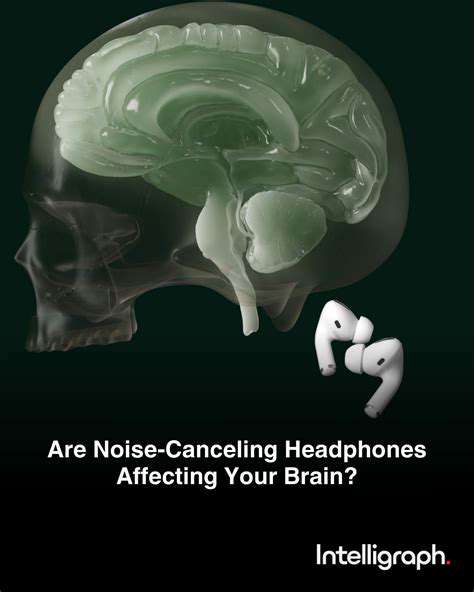
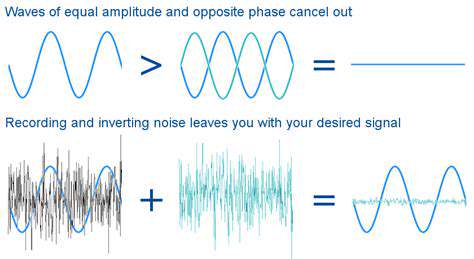
Noise Cancellation operates through a more technological approach. It uses microphones to detect external sounds, which are then countered with sound waves that effectively cancel each other out. This active noise cancellation (ANC) method has gained immense popularity in modern earbuds, especially in urban environments where unwanted noise is prevalent.
According to a study conducted by audio specialists, ANC can reduce ambient noise levels by up to 30 decibels, significantly contributing to a clearer listening experience. However, it's important to note that ANC technology requires battery power and may not perform well in all scenarios, especially with sudden, loud noises. Therefore, it's often beneficial to test different models to see which type aligns best with your needs.
Choosing the Right Earbuds for Your Preferences
Understanding Different Sound Signatures
Sound signature refers to the way frequencies are represented in audio playback. The three main types are V-shaped, neutral, and balanced. V-shaped signatures boost bass and treble, making them suitable for genres like EDM and rock. Neutral sound signatures reproduce audio as faithfully as possible, appealing to audiophiles who prefer a more accurate presentation of sound.
Balanced sound signatures aim to deliver a middle ground, emphasizing neither bass nor treble. This makes them versatile for various music genres, from classical to pop. Knowing your preference in sound signature is critical when selecting earbuds, as it directly influences your listening experience. Ultimately, think about the style of music you enjoy most, as this can guide your choice in sound profiles.
Factors to Consider When Choosing Earbuds
When opting for earbuds, comfort and fit should be top priorities. Ill-fitting earbuds can lead to fatigue during long listening sessions, diminishing audio quality and overall enjoyment. Look for earbuds that come with multiple ear tip sizes to ensure a snug fit. This not only enhances comfort but also improves passive noise isolation, allowing for a more immersive experience.
Another crucial factor is battery life, especially for wireless models. Many users demand earbuds that can last throughout their daily activities without frequent charging. It's advisable to look for options that provide at least 6-8 hours of playback time on a single charge, along with a carrying case that can recharge the earbuds multiple times. Additionally, consider features like water resistance ratings if you plan to use them during workouts or in varying environments.
Lastly, take into account connectivity options. While Bluetooth is standard for wireless earbuds, newer codecs like aptX can significantly improve audio quality. This enhancement can reduce latency and provide clearer sound. Make sure your device supports these codecs if you're opting for a high-end audio experience. Each of these factors plays a pivotal role in helping you find the right earbuds tailored to your personal listening habits and preferences.
Read more about Earbud Sound Quality Explained
![Top Gaming Headsets for Immersive Sound [2025]](/static/images/25/2025-06/High-ResolutionAudioforEnhancedDetail.jpg)