Future Proofing Your Tech Purchases
Identify Core Functions and Priorities
Understanding the primary functions you require from a tech purchase is paramount. Taking time to discern what features you can't live without helps streamline your options. For instance, if you’re in the creative sector, you may prioritize high-resolution graphics and processing speed over battery life.
Moreover, it’s essential to categorize these functions into must-haves and nice-to-haves. This hierarchy guides informed decision-making, ensuring that you direct your budget toward those elements that enhance productivity and align with your professional goals.
Consider Future Compatibility
When assessing your technology needs, consider how long you intend to use the purchased items before needing an upgrade. Research shows that tech products often have a lifespan of three to five years, depending on use cases and industry trends. Therefore, investing in devices that are easily upgradable can extend their usefulness significantly.
Take into account the ecosystem of the hardware and software, as compatibility can influence productivity in the long run. For example, if you’re purchasing a new laptop, ensure it can run the latest industry-standard software or connect seamlessly with your existing devices.
Furthermore, keep an eye on technological trends that might require future updates or adaptations, as this consideration could save you money and hassle down the line.
Budget Realistically
Setting a budget for tech purchases can often be overlooked in the excitement of acquiring new tools. However, defining a realistic budget that includes not just the upfront costs, but also additional expenses like software licenses, maintenance, and potential upgrades is crucial. This holistic view helps prevent financial strain.
Before finalizing a purchase, compare various pricing options, including possible discounts or alternative financing methods. Remember, sometimes spending a little more upfront can lead to years of savings through durability and lower maintenance costs.
Consider also the total cost of ownership over time, as cheaper products might mean more frequent replacements or repairs, which can add up significantly.
Evaluate User Reviews and Expert Opinions
Research is vital in the tech purchasing process. Gathering insights from User Reviews can provide a clearer picture of a product's performance in real-world situations. Websites such as TechRadar or Consumer Reports offer detailed assessments and comparisons for various tech products.
Engage with forums or social media groups related to your industry to hear about the experiences of others. Expert reviews often highlight features you might not have initially considered essential, pushing you toward more informed choices that align with your needs.
Understand Warranty and Support Services
Before finalizing a purchase, investigate the warranty and customer support services offered by the manufacturer. A solid warranty can provide peace of mind, knowing that if something goes wrong, you have support to rely on. Check the length of the warranty and what it covers to avoid unexpected expenses.
Additionally, consider the availability of customer service representatives and technical support. In industries like IT or design, timely assistance can be crucial for maintaining productivity. Try to find tech providers known for their responsive and helpful customer service.
Reflect on Ergonomics and User Experience
In today’s increasingly digital workspace, ergonomics plays a significant role in tech purchases. Whether it’s a laptop, desktop, or any portable device—comfort is key. Technologies that promote better posture or usability can enhance productivity and even improve health outcomes over time.
Test the products in a retail setting if possible. Make sure the keyboard is comfortable, the screen’s clarity meets your needs, and the overall system is intuitive. These factors significantly impact how often you will effectively use your new tech and sustain interest in it.
Plan for Scalability
If you're considering a tech purchase for a team or organization, scalability becomes an essential factor. Ensure that the technology can grow with your needs, whether that involves more extensive software solutions or additional hardware. Look for systems that allow for upgrades in software or hardware without requiring complete replacements.
In particular, businesses should evaluate cloud services and their capacities for expansion, so additional storage or user licenses can be easily integrated without disruption. This forward-thinking approach helps ensure that your tech investments remain relevant and efficient as your requirements evolve over time.
Stay Ahead with Upgradable Components
Understanding Upgradable Technology
Upgradable components in technology allow users to enhance their systems without needing to replace the entire device. This might include graphics cards for gaming PCs, RAM for laptops, or modular components like hard drives in desktops. Such flexibility can provide significant cost savings over time, especially as new software demands arise.
The concept is increasingly embraced in industries like gaming, where performance benchmarks for graphics cards and processors shift rapidly. For example, a gaming console that supports modular upgrades enables users to keep pace with technological advancements without full system overhauls. This choice fosters longevity and versatility, helping consumers avoid obsolescence.
Benefits of Modularity in Devices
One of the primary benefits of modularity is customization. Users can tailor components to fit their specific needs, whether for gaming, graphic design, or programming. Modular devices allow users to select premium parts, ensuring that their systems align with personal preferences and use cases. This, in turn, enhances user satisfaction.
Additionally, the aspect of repairability plays a critical role. Devices that can easily be upgraded often feature designs that allow for easier repairs. Studies have shown that consumers prefer technology they can fix rather than replace entirely, contributing to sustainability efforts and reducing electronic waste.
Cost-effectiveness is significant; by upgrading individual components rather than the whole system, tech enthusiasts can save money while achieving better performance. This becomes especially important as technology needs evolve, making it a viable strategy for future-proofing investments.
Considerations When Choosing Upgradable Components
While selecting upgradable components, it's crucial to think about compatibility. Not all motherboards support all graphics cards or processors; thus, users must ensure their selected parts fit within their existing system constraints. Always check manufacturer specifications before making purchases to avoid compatibility issues.
Furthermore, staying informed about upcoming technology trends can guide purchasing decisions. For instance, if a certain RAM type is becoming obsolete or new processors are introduced that better suit your applications, planning upgrades can ensure optimal performance and longevity. Lastly, consider future-proof components that provide greater power or enhanced features, which can save you from being stuck in a tech rut.
Future-Proofing Through Software Compatibility
Beyond hardware, future-proofing also encompasses software. Irrespective of how advanced the hardware is, if the software can't leverage those capabilities, the investment is compromised. Users should prioritize components that come with ongoing support for software updates, ensuring they continue to perform well as new operating systems and applications become available.
For instance, graphic design software often runs intensive applications that require high-performing GPUs. By investing in upgradable systems that support cutting-edge graphics capabilities, users can ensure their tech meets the demands of evolving software. This approach not only enhances performance but also extends the usable life of the equipment.
Ultimately, keeping your systems updated doesn’t merely pertain to hardware but involves ensuring that all components, including software, are compatible and up to date, thereby maximizing the utility of your investment.
Planning for Tomorrow's Technology
When considering any tech purchase, think about where the industry is headed. Researching emerging technologies such as quantum computing, AI advancements, or even the next generation of display technology can significantly impact your decisions today. Understanding trends can help you decide which components to invest in that will remain relevant in the years to come.
Another strategic approach is to follow technology reviews and industry leaders through forums and tech blogs. These platforms often provide insights into future trends and popular components that are likely to remain significant. By being proactive rather than reactive, you can secure better investment choices that suit future needs.
In conclusion, the most effective way to future-proof your tech purchases is to think critically about upgradable components, considering compatibility, software enhancements, and long-term industry trends to make informed, strategic decisions.
Embrace Versatile and Cross-Platform Solutions
Understanding Cross-Platform Compatibility
In today's tech landscape, Cross-platform compatibility has become increasingly vital for software developers and businesses alike. Customers expect applications that seamlessly function across multiple devices and operating systems. This universality ensures that users have access to their preferred applications regardless of the hardware or software they are using.
Recent studies show that over 75% of mobile app downloads happen on devices running either iOS or Android, making cross-platform development an efficient strategy for developers to capture a broader audience. This statistic highlights the importance of prioritizing compatibility in any future tech endeavors.
The Advantages of Versatile Solutions
Investing in Versatile tech solutions offers numerous benefits. For instance, software that runs efficiently on various platforms can lead to reduced development time and lower costs for businesses. This means that organizations can channel resources into other critical areas, such as marketing or additional feature development.
Moreover, versatile products often lead to enhanced user satisfaction because customers appreciate the flexibility offered by solutions that cater to diverse device types. By choosing adaptable options, businesses can improve their customer retention and engagement rates.
Factors to Consider When Choosing Solutions
- Compatibility with existing systems
- Cost-effectiveness over time
- User interface and experience
- Support and maintenance options
When selecting tech solutions, it is crucial to evaluate several factors, including current system compatibility and long-term costs. Another critical consideration is the user experience; tech solutions should not only perform well but also be intuitive. Support and maintenance options can significantly impact a company’s willingness to adopt a new solution. Having robust support can reduce downtime and ensure issues are addressed promptly.
Implementing a Future-Proof Strategy
To future-proof tech investments, organizations should prioritize flexibility. Implementing agile methodologies can help tech teams adapt to new requirements or market shifts seamlessly. This approach enables teams to pivot quickly, ensuring that products remain relevant and efficient in the long run.
Moreover, organizations should stay updated with industry trends and advancements. Regular training for employees on new technologies and platforms can drastically enhance a company's capability to adapt. It's insightful to maintain a strategy that values continual learning and adaptation, rather than relying solely on a one-time investment.
Case Studies of Successful Cross-Platform Applications
Take, for example, the success of applications like Slack and Microsoft Teams, which have garnered massive followings due to their robust cross-platform compatibility. These tools demonstrate not just wide accessibility but also support collaborative functionality across various devices. As a result, users feel empowered to connect and collaborate, regardless of their device's operating system.
Moreover, research from TechCrunch indicates that over 80% of companies report increased productivity after integrating cross-platform tools into their operations. This statistic underscores the profound impact that thoughtfully designed tech solutions can have on real-world tasks and organizational efficiency.
The Future of Tech Solutions
As technology continues to evolve, the need for versatile and cross-platform solutions will only grow. Businesses looking to adopt new technologies need to consider the long-term implications of their purchases. Investing in adaptable solutions today can provide significant returns in the form of improved efficiency and operational agility tomorrow.
Additionally, it's essential to keep an eye on emerging technologies such as artificial intelligence and machine learning. These advancements can transform cross-platform applications and enhance their effectiveness, providing further incentive for businesses to invest wisely.
Invest in Sustainable and Energy-Efficient Technologies
Understanding the Importance of Energy Efficiency
- Energy efficiency reduces operational costs significantly.
- Businesses and consumers gain tax incentives for sustainable practices.
- Utilizing energy-efficient technologies helps combat climate change.
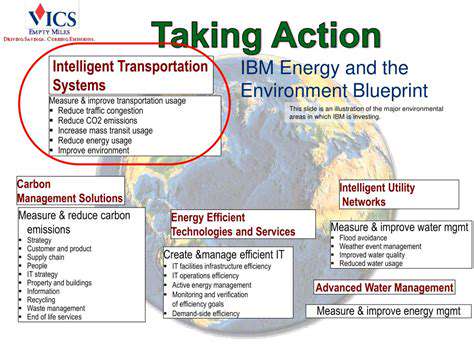
Energy-efficient technologies play a vital role in addressing the pressing issues of climate change and resource depletion. Implementing such technologies can lead to substantial savings on energy bills, which can be reinvested into other areas of the business. For instance, switching to LED lighting or high-efficiency HVAC systems might appear costly upfront but often results in lower operating costs over time.
According to the U.S. Department of Energy, energy-efficient measures account for approximately 20% of energy savings in residential and commercial buildings. This statistic underscores how crucial it is for both individuals and organizations to adopt energy-efficient practices, especially when looking to minimize their carbon footprint while maximizing cost-effectiveness.
Innovating with Sustainable Technologies
Investing in sustainable technologies often involves integrating renewable energy sources into business operations. For example, solar panels have become a popular choice as they allow businesses to harness natural sunlight, drastically reducing reliance on fossil fuels. In fact, studies show that solar energy can lower electricity expenses by as much as 75% in certain regions.
Moreover, adopting innovations such as smart building technologies can enhance overall efficiency. These systems utilize data analytics to optimize energy use effectively, improving building performance while minimizing waste. As organizations look forward to embracing sustainability, incorporating cutting-edge technology becomes essential in ensuring that investments yield long-term benefits and align with global sustainability goals.
Research Trends and Read Reviews
Understanding Market Trends
Staying informed about Market Trends is crucial for making tech purchases that stand the test of time. Research shows that technologies evolve rapidly, with the tech industry experiencing an annual growth rate of approximately 5-10%. This pace emphasizes the importance of anticipating future needs and understanding market dynamics.
By regularly following reports from trusted sources like Gartner or Forrester, consumers can gain insights into which technologies are on the rise. For instance, cloud computing and artificial intelligence have shown remarkable resilience and growth potential, suggesting they are wise long-term investments.
Importance of User Reviews
User reviews provide invaluable perspectives that can shape purchasing decisions. Studies indicate that consumers are influenced by user-generated content, with approximately 79% of people trusting online reviews as much as personal recommendations. This data underscores the significance of delving into reviews before committing to a purchase.
Analyzing user feedback on platforms such as Amazon or TechRadar can unveil common issues, advantages, and limitations of products. This firsthand knowledge helps prospective buyers weigh their options and make well-informed choices based on authentic experiences rather than marketing claims.
Evaluating Product Durability
When investing in technology, durability and longevity should be key considerations. Some products like smartphones and laptops can require costly repairs or replacements if not rigorously built. Research suggests that consumers should seek devices with higher reliability ratings, often indicated by extensive warranty periods or positive durability tests.
A comparative analysis of product durability reports, such as those from Consumer Reports, can help buyers identify robust options that will hold up over time, offering both value and peace of mind.
Assessing Technology Compatibility
Compatibility with existing systems is critical for maximizing the value of new tech purchases. Often, buyers find themselves limited by outdated systems when integrating new devices. Structured research into compatibility can save users from the headache and expense of purchasing incompatible products.
Buyers should always confirm that new devices work seamlessly with their current hardware and software ecosystems. Online forums and user guides can offer real-world insights into compatibility issues that may not be evident through initial product descriptions.
Utilizing Expert Opinions
Expert reviews and insights can greatly enhance the purchasing process. Tech analysts frequently provide informed critiques that highlight the strengths and weaknesses of various products. These evaluations help consumers navigate a cluttered marketplace and avoid impulsive purchases.
Websites like CNET, PCMag, and TechCrunch often release expert reviews that analyze the latest devices in detail. Consumers who take the time to read these can better understand the technology landscape, ensuring their purchases are strategically sound rather than reactionary.
Read more about Future Proofing Your Tech Purchases



![Guide to Mastering [Software Name] Features [Tutorial]](/static/images/25/2025-07/MaximizingYourOutput3AReal-WorldApplicationsandBestPractices.jpg)





Hot Recommendations
- Firmware and Software Updates Reviewed
- Smart Tech Upgrade Paths
- Best Earbuds for Android and iPhone
- Future Trends in Tablet Technology
- Privacy Features in Modern Devices
- Future Laptop Design Trends
- Tech Industry Predictions for the Future
- Smart Lighting Systems Compared
- Best Tablets for Note Taking and Productivity
- Wireless Headphones Buying Guide: What to Look For