HeartRateMonitoring
FitnessTechnology
Accelerometers
Smartwatches
Wearable Technology
Fitness Tracking
Sleep Monitoring
Data Analysis
Health Monitoring

Smartwatch Sensors Explained

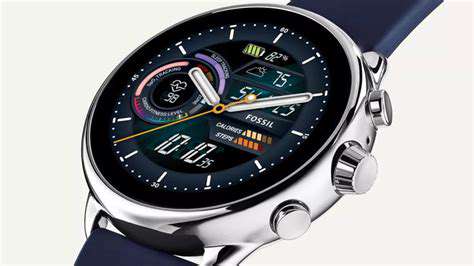
wrist-based and chest strap monitors. Wrist-based monitors, often integrated into smartwatches or fitness trackers, offer convenience and ease of use. They are typically preferred for everyday wear due to their accessibility and multifunctional capabilities.

In contrast, chest strap monitors are often favored by serious athletes and those needing precise readings. These devices provide more accurate data by directly measuring the electrical signals of the heart. Despite being less comfortable, they offer reliability that can be crucial during high-performance training.

Newer models combine both technologies, allowing for versatility in monitoring. This means users can select based on their comfort and needs, ensuring they are equipped adequately for their fitness journey.

Applications of Heart Rate Monitors in Fitness

Heart rate monitors play a pivotal role in fitness training by enabling users to maintain their optimal training zones. Understanding the difference between resting, moderate, and maximum heart rates empowers individuals to optimize their workouts. This leads to more efficient calorie burn and improved cardiovascular health.

For instance, exercising at 50-70% of maximum heart rate can increase aerobic capacity, while pushing toward 70-85% benefits anaerobic performance. Many enthusiasts deploy interval training strategies based on heart rate data to achieve significant fitness gains, improving endurance and overall performance.

Tracking heart rate variability (HRV) is another significant benefit, enabling users to monitor recovery and manage fatigue. A high HRV often indicates good recovery, while a low HRV signals the opposite. Maintaining awareness of these metrics can enhance an athlete’s training regimen and prevent overtraining injuries.

Limitations of Heart Rate Monitors

Despite advancements, heart rate monitors do have limitations that users should be aware of. Variability in readings can occur due to various factors, such as skin tone, body movement, and environmental conditions. For example, low-intensity exercises may yield less accurate readings on wrist-based monitors compared to chest straps.

Moreover, these devices usually require a certain level of calibration to optimize performance. Users may need to familiarize themselves with their devices’ idiosyncrasies, including the proper fitting or syncing with mobile applications for accurate data recording.

It's also essential to note that heart monitors are not medical devices. They lack FDA approval for diagnosing health conditions. Therefore, while they are excellent for monitoring fitness objectives, they shouldn't replace medical advice or constitute diagnostic tools for cardiovascular issues.

Integrating Heart Rate Data into Training Programs

Successfully integrating heart rate data into a training program can yield substantial benefits. When setting fitness goals, utilizing heart rate data can provide a clearer path through measurable metrics. For instance, tracking progress over time enables individuals to adjust their workout intensity based on how their body responds.

An effective strategy includes logging heart rate data alongside daily activities or workouts, facilitating a more holistic view of overall fitness levels and cardiovascular health. Frequent updates to training programs based on this data enable users to set realistic, achievable goals, preventing frustration or injuries.

Incorporating heart rate monitoring into group classes or team sports offers additional motivation by allowing participants to compare metrics and hold each other accountable. Such communal practices can enhance engagement, leading to higher retention and better results.

The Future of Heart Rate Monitoring Technology

The future landscape of heart rate monitoring technologies is rapidly evolving, driven by advances in wearable technology and data analytics. Expected innovations include more accurate sensors that leverage artificial intelligence to learn individual heart rate patterns, providing tailored insights for users.

Additionally, integration with other health metrics, such as oxygen saturation and body temperature, could enhance the comprehensiveness of health monitoring. Users may benefit from more sophisticated algorithms that offer personalized recommendations based on a wider array of data.

Moreover, with the rise in telehealth services, these monitoring devices may soon play crucial roles in remote health consultations, providing real-time data to healthcare professionals. As these technologies advance, they will likely improve personal health management and contribute significantly to preventive healthcare paradigms.

Accelerometers

Understanding the Basics of Accelerometers

Accelerometers are critical sensors used in various devices to measure acceleration forces. These forces are either static, like the gravitational pull, or dynamic, produced by motion or vibrations. In a smartwatch, the accelerometer helps track user activities by detecting movements in three-dimensional space, offering valuable inputs about daily fitness routines.

The basic technology behind an accelerometer involves microelectromechanical systems (MEMS), which allow for miniature sensors capable of significant precision. A combination of sensors works in harmony to register shifts in motion, enabling the device to calculate metrics such as steps taken, distance covered, and even posture tracking. This capability is pivotal in the healthcare and fitness domains.

Research has indicated that the accuracy of accelerometers can vary significantly based on calibration and design. For example, a study published in the Journal of Biomechanics found that high-quality accelerometers provide data with an accuracy rate exceeding 90%, playing an important role in not just activity recognition but also in improving personal health outcomes.

Applications in Smartwatches

In smartwatches, accelerometers are more than just added features; they're essential components that enable key functionalities. Primarily, they allow for the tracking of physical activity, which is increasingly important in today's health-conscious society. Whether you’re running, walking, or cycling, an accelerometer can accurately capture the intensity and duration of your activities.

Moreover, the accelerometer aids in sleep tracking by recognizing movements during sleeping hours. Data on rest patterns can help users refine their sleep hygiene, thus encouraging better overall health habits. This data is often displayed in a user-friendly format within smartwatch applications, making it easier for users to interpret their health data.

Calibration and Accuracy Concerns

Calibration of accelerometers is a key factor in ensuring they function correctly. Many devices come with factory settings, but user-specific calibration can enhance accuracy. In practice, wrist movements can create variances in step counting if not calibrated correctly. Users must be aware of these settings to get the most reliable data.

A study by the American College of Sports Medicine emphasizes that misalignment during calibration can lead to inaccuracies that may misreport active minutes and calorie burn. It’s advisable for users to consult their smartwatch manuals to understand how often calibration is necessary to maintain sensitivity and specific readings.

Data Interpretation and Reporting Mechanics

The accelerometer in a smartwatch generates a considerable amount of data daily, which can often overwhelm the average user. Modern smartwatches utilize algorithms to simplify this data into actionable insights. For instance, they might average movement patterns over time to assess fitness levels and offer personalized suggestions.

Importantly, manufacturers are continually improving the algorithms that interpret accelerometer data. This results in better activity recognition and user guidance, suggesting insights tailored to individual fitness levels. As research progresses, we will likely see further enhancements in how data is processed and presented.

Future Trends in Accelerometer Technology

As smartwatch technology evolves, the accelerometer is expected to become even more sophisticated. This includes the development of hybrid sensors that combine accelerometers with other sensor types, such as gyroscopes, to provide even richer data on movement dynamics. Enhanced algorithms will interpret this data with greater accuracy, moving toward more precise health monitoring capabilities.

Future trends also point toward incorporating machine learning techniques to refine activity recognition. By analyzing extensive datasets, smartwatches could potentially adapt to individual users’ movements over time, resulting in a more personalized and effective fitness experience.

Practical Tips for Users

For users looking to maximize their smartwatch's accelerometer features, regularly reviewing settings is essential. Adjusting sensitivity and calibration settings according to specific activities can lead to more accurate readings. Additionally, becoming familiar with the smartwatch's mobile app can provide insights into personal trends and health metrics.

Furthermore, combining data from the accelerometer with other health metrics—like heart rate monitoring—can yield a more comprehensive view of physical fitness. By doing so, users can make more informed decisions about their health, including adjusting workout intensities or periods of rest, thus promoting overall well-being.

Gyroscope Sensors
GyroscopeSensors

Understanding the Basics of Gyroscope Sensors

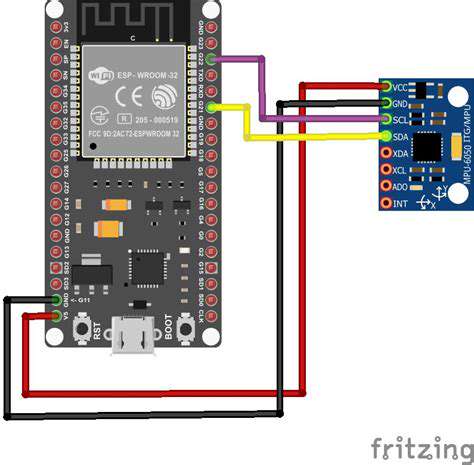
Gyroscope sensors are vital components utilized in various gadgets, particularly smartwatches. They measure the orientation and angular velocity of devices, providing crucial data for movement tracking. By detecting changes in rotation and orientation, these sensors enhance the user experience through precise gesture recognition.

Operating based on the principles of angular momentum, gyroscopes can determine how fast and in what direction an object is moving. In a smartwatch, this can translate to monitoring fitness activities, navigation, and augmented reality applications.

Applications of Gyroscope Sensors in Smartwatches

Smartwatches leverage gyroscope sensors in several innovative ways. One primary application is in fitness tracking; users can measure their performance in activities like running or cycling effectively. This capability allows for Accurate assessment of metrics such as distance and speed.

Additionally, gyroscopes help improve features like automated screen rotation, enhancing usability and visual experience. These sensors also play a role in fall detection, providing peace of mind to users when engaging in risky activities.

  • Fitness tracking and performance assessment
  • Automated screen rotation
  • Enhanced navigation features
  • Fall detection for safety

Technical Insights into Gyroscope Mechanics

In technical terms, gyroscopes function by exploiting the inertia of a spinning wheel to maintain orientation. The sensor detects angular rate, which allows users to experience real-time feedback on their movements. The refined technology in today's smartwatches has advanced significantly, making gyroscopes smaller and more power-efficient.

Gyroscopes can be categorized into several types, with MEMS (Micro-Electro-Mechanical Systems) being the most commonly used in smart devices. These compact gyroscopes offer excellent performance in a tiny footprint, facilitating their integration into sleek smartwatch designs.

Challenges and Limitations of Gyroscopes

While gyroscopes provide valuable data, they are not without challenges. One significant limitation is drift; over time, small errors can accumulate, affecting accuracy. Users relying solely on gyroscopic data for navigation or fitness tracking may encounter discrepancies.

Another challenge is the reliance on calibrating gyroscopes frequently to ensure data accuracy. This necessity can be inconvenient for users, especially when they're in the middle of an activity. Addressing these issues requires continuous improvements in sensor technology and algorithms.

The Future of Gyroscopic Technology in Wearables

Looking ahead, advancements in gyroscope technology promise better integration and functionality in wearables. Innovations like improved algorithms for data processing and machine learning can enhance the accuracy and responsiveness of sensor output. Manufacturers are investing in these technologies to meet growing consumer demands for precision in fitness and health tracking.

Moreover, the merger of gyroscopes with other sensors, such as accelerometers and magnetometers, can lead to enriched data sets. This integrated approach can significantly improve tracking accuracy and device reliability in various applications, paving the way for a new era in wearable technology.

Buying Considerations for Smartwatches with Gyroscope Sensors

When shopping for smartwatches featuring gyroscope sensors, consumers should consider a few critical factors. Sensor accuracy is paramount; look for reviews and specifications that indicate the performance in real-world scenarios. Battery life is another important consideration, as gyroscope data processing can consume significant power.

Additionally, assess the brand's reputation for software updates and support, which can improve sensor functionality over time. Taking the time to research these elements can ensure you invest in a smartwatch that meets your needs effectively.

Sleep Monitors
SleepMonitors

Understanding Sleep Monitor Functionality

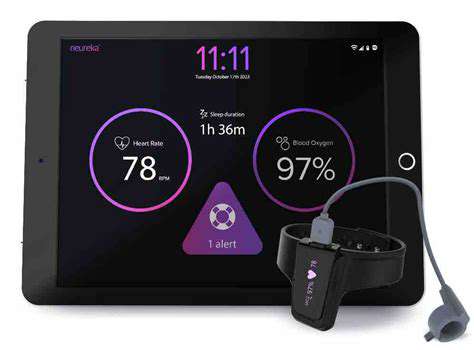
Sleep monitors operate using a variety of sensors that track movement, heart rate, and even blood oxygen levels. These sensors are integral for compiling data that reflects sleep quality. Most Sleep Monitors Leverage accelerometers and gyroscopes to assess restlessness and sleep stages, while advanced models incorporate heart rate variability as a parameter for more detailed analysis.

The use of infrared sensors has emerged as a popular option in newer devices, allowing monitors to collect sleep data without physical contact. By analyzing the amount of time spent in deep, light, and REM sleep, these devices can give users insights into their sleep patterns and potential disturbances. Studies indicate that people who regularly use sleep monitors may improve their overall sleep hygiene.

Benefits of Utilizing Sleep Monitors

  • Improves understanding of sleep patterns.
  • Helps identify sleep disturbances.
  • Promotes better sleep hygiene through data analysis.

One significant advantage of implementing sleep monitors is the insight they provide into individual sleep cycles. With detailed tracking, users can determine optimal times for sleep based on their unique patterns. This analysis can lead to lifestyle adjustments that significantly enhance the Quality of Sleep. Regular monitoring helps individuals stay aware of what affects their sleep, allowing for proactive measures.

Additionally, sleep monitors often feature mobile applications for easy access to accumulated data. These apps can provide personalized recommendations based on the collected data. For example, a user may receive advice on ideal sleep times, room temperature adjustments, or relaxation techniques to improve sleep quality.

Limitations and Considerations

Despite their advantages, sleep monitors come with limitations that users should be aware of. Many devices provide generalized data which may not account for individual differences in sleep needs. Reliance solely on these devices can sometimes lead to unnecessary anxiety about sleep quality. It's important to balance data-driven insights with personal feelings of restfulness and energy levels upon waking.

Moreover, the accuracy of sleep monitors can vary based on the technology used. Basic models may only track movement, missing other critical parameters. Thus, consumers should research and select devices that offer more comprehensive insights. Always consider a monitor's validation and reviews from both users and medical professionals before making a purchase.

Blood Oxygen Levels (SpO2) Sensors

Understanding SpO2 Measurement

The measurement of Blood oxygen saturation, known as SpO2, reflects the percentage of hemoglobin saturated with oxygen in the bloodstream. Typically, a healthy SpO2 level ranges from 95% to 100%. Levels below this may indicate respiratory or cardiovascular issues, warranting further medical evaluation. Advanced smartwatches utilize photoplethysmography (PPG) technology that measures light absorption in blood vessels to determine these levels accurately.

Devices equipped with such sensors emit light that penetrates the skin and detects variations in light absorption as oxygenated and deoxygenated blood pass through. This technology has made it easier for individuals to monitor their health from the comfort of their wrists. Understanding SpO2 levels can empower users to take proactive steps towards maintaining their well-being.

Importance of Monitoring SpO2 Levels

Monitoring blood oxygen levels is crucial, especially for individuals with underlying health conditions. For instance, those suffering from chronic obstructive pulmonary disease (COPD) or sleep apnea tend to benefit significantly from regular checks. Low SpO2 levels can lead to serious complications, including tissue hypoxia, which occurs when the body’s tissues do not receive sufficient oxygen.

Continuous monitoring can also be valuable during activities like high-altitude hiking or intense workouts where oxygen availability can be limited. Therefore, Smartwatches equipped with SpO2 sensors can serve as critical tools for both fitness enthusiasts and patients, providing immediate feedback and promoting informed health choices.

Challenges in SpO2 Sensor Technology

While SpO2 sensors in smartwatches represent a significant advancement in personal health monitoring, they are not without their challenges. One primary concern is accuracy, which can be affected by factors like poor sensor placement, skin pigmentation, and ambient light conditions. Research suggests that lower accuracy rates can occur in individuals with darker skin tones, highlighting a need for improvement in sensor calibration and testing across diverse demographic groups.

Furthermore, movement and external temperature can influence readings. The performance of these sensors can diminish during vigorous activity or extreme weather, making proper usage conditions essential for reliable results. Addressing these limitations is critical for manufacturers to enhance the credibility of wearable technology in health monitoring.

Trends in SpO2 Sensor Development

The future of blood oxygen sensors in smartwatches appears promising, with ongoing research focused on improving their accuracy and functionality. Companies are exploring innovative materials and algorithms that can enhance light detection methods, potentially leading to more precise readings under varied conditions. Additionally, there is a noticeable trend toward integrating artificial intelligence for better data interpretation and personalized health insights.

As competition grows in the wearable technology market, cross-industry collaborations—especially with medical institutions—are expected to drive innovations that not only enhance user experience but also ensure safety in health monitoring. Such advancements can allow for quicker responses to critical health alerts, thereby transforming smartwatch capabilities beyond fitness tracking alone.

Practical Tips for Using SpO2 Sensors

To maximize the benefits of SpO2 monitoring, it's essential to use your smartwatch correctly. Ensure that the watch is snug but comfortable on your wrist, as this placement can affect the accuracy of the readings. It’s also advisable to remain still while taking measurements; even slight movements can lead to unreliable results that may misrepresent your actual oxygen levels.

Additionally, it’s a good practice to check your SpO2 levels at various times throughout the day, particularly during periods of rest, exercise, or when experiencing symptoms such as shortness of breath. This approach will provide you with a broader understanding of your baseline and any deviations from it. Consulting with a healthcare provider can also help interpret results in conjunction with other health indicators.

Future of Wearable Health Technology

The integration of SpO2 sensors is just one facet of the broader future of wearable health technology. Innovations are paving the way for more sophisticated biomarker detection, including heart rate variability and even early detection of arrhythmias or other cardiovascular conditions. With the rise of telemedicine, the real-time data gathered from smartwatches can be crucial for remote patient monitoring and telehealth interactions.

As we embrace an increasingly data-driven healthcare landscape, users must remain informed about their device capabilities and limitations. Understanding the scope of what these devices can offer, while also recognizing areas where traditional medical assessments are irreplaceable, is key to achieving optimal health outcomes.

Read more about Smartwatch Sensors Explained

How to Prepare for a Data Science Interview
May 08, 2025
Understanding the Technology Behind Smart Grids
Jun 05, 2025
How to Use [App] for Better Habit Tracking
Jul 26, 2025
Essential Apps for Your New Windows Laptop
Aug 02, 2025
A Comprehensive GuideIn today's digital landscape, choosing between a smartwatch and a fitness tracker can be daunting. Both devices offer unique functionalities that cater to different lifestyles. This guide will delve deep into the key features, health monitoring capabilities, design, user experience, battery life, and pricing strategies of these popular wearables to help you make an informed decision. Smartwatches: Versatile MultifunctionalitySmartwatches serve as an extension of your smartphone, providing notifications for calls, texts, and emails directly on your wrist. They often feature GPS functionality, compatibility with numerous applications, and a stylish design that appeals to tech-savvy users and fashion enthusiasts alike. Highly regarded for their advanced heart rate monitoring and customizable watch faces, smartwatches are ideal for those seeking a comprehensive wearable experience. Fitness Trackers: Focused on Health MetricsIn contrast, fitness trackers aim to provide essential health and exercise metrics. They typically monitor heart rate, steps taken, and calories burned, making them a great option for fitness enthusiasts who prefer simplicity and focus on their health goals. With their user-friendly interfaces and emphasis on tracking, fitness trackers encourage users to maintain a consistent exercise regimen without unnecessary distractions. Health Monitoring CapabilitiesBoth smartwatches and fitness trackers offer heart rate monitoring but collect data differently. Smartwatches include sophisticated sensors for detailed heart rate variability, while fitness trackers prioritize continuous tracking during workouts. Some models provide additional health metrics like SpO2 levels, making them suitable for users with specific health management needs. User Experience and InterfaceWhen it comes to user experience, smartwatches typically boast complex interfaces due to their multifunctionality. Users can access a variety of apps, enhancing productivity and connectivity. Conversely, fitness trackers offer simplified interfaces focusing primarily on health data, allowing for quick insights without distractions. Battery Life: Who Lasts Longer?Battery life is a critical factor in making your choice. Generally, fitness trackers can last several days up to two weeks on a single charge, thanks to their focused functionalities. In comparison, smartwatches often require more frequent charging—sometimes daily—due to their energy-intensive features. Pricing Strategies: Finding Your FitPrice is another key consideration. Fitness trackers often start as low as $30, making them accessible for budget-conscious users. Smartwatches, however, typically start around $200 and can range much higher due to their extensive functionalities. Mid-range options offer a balance of features and price, while high-end devices cater to more demanding users seeking premium capabilities. Making the Right ChoiceUltimately, the decision between a smartwatch and a fitness tracker boils down to your lifestyle and preferences. If your primary focus is fitness and health metrics, a fitness tracker may suit you best. On the other hand, those looking for a multipurpose device that integrates seamlessly into daily life will likely find a smartwatch more beneficial.Before making your purchase, consider what features align with your needs. A thorough understanding of both products can lead to a more satisfying and beneficial investment for your health and lifestyle.
Feb 08, 2026
Sound Quality, Battery Life, and ComfortSelecting the right wireless earbuds goes beyond just aesthetics. Understanding key factors like sound quality, battery life, and comfort can significantly enhance your listening experience. Here’s a breakdown of what to consider to ensure you make an informed decision. Sound Quality: Key Factors DriversThe type of drivers in your earbuds influences sound quality. Dynamic drivers deliver excellent bass and power efficiency, while balanced armature drivers offer better clarity for nuanced listening. Hybrid systems that combine both are becoming increasingly popular for their well-rounded audio profiles. Wireless TechnologyThe Bluetooth version and codec support can affect audio quality. Higher-end codecs like aptX HD and AAC provide better sound fidelity. Always check compatibility with your device to ensure peak performance. Noise CancellationActive Noise Cancellation (ANC) is valuable for those in noisy environments, as it allows for a more immersive experience, though it may introduce slight pressure sensations. Choosing models with a transparency option can also help you stay aware of your surroundings when needed. Battery Life and Charging Options Measurement and ExpectationsManufacturers often quote rosy battery life figures without mentioning actual usage conditions. Real-world testing reveals that features like ANC can significantly impact battery performance. Charging ConvenienceModern earbuds typically charge via USB-C and often include wireless charging options. Fast charging tech allows for quick boosts when you’re short on time. Maximizing Battery LifeVolume levels, connection stability, and the usage of ANC can impact battery longevity. Keeping volume at 60-70% and turning off unnecessary features can extend listening time. Comfort and Fit: Personalization is Key Ear Shapes and MaterialsVarious ear tips (silicone, foam) cater to different ear shapes and sizes. Choosing the right size enhances noise isolation and comfort. The materials used—sturdy plastics versus lightweight metals—will also affect durability and sound quality. Noise Isolation vs. ANCUnderstanding the difference between active noise cancellation and passive noise isolation is critical. Depending on your activities—commuting versus working out—one may be more beneficial than the other. Smart Features and Connectivity Latest Innovations Modern earbuds include smart features such as voice assistants, touch controls, and improved Bluetooth connectivity. Newer Bluetooth versions (like 5.2) not only enhance range but also reduce latency, making them ideal for streaming and gaming. Health MonitoringEmerging health features that track heart rates and steps represent a new frontier, offering fitness enthusiasts valuable insights while they enjoy their music. Price vs. Performance Evaluating Your NeedsPrices for wireless earbuds can range from budget to premium. Aspiring audiophiles may find value in higher-end models featuring advanced technologies, whereas casual listeners might discover adequate performance in more modestly priced units. Long-term Value ConsiderationsInvesting in quality earbuds reaps long-term benefits through improved durability and manufacturer support. Comprehensive user reviews and feature evaluations can enhance your purchasing decision, ensuring you find the best earbuds for both your lifestyle and listening habits.---Finding the right pair of wireless earbuds involves balancing sound quality, comfort, and smart features against price. By considering these elements, you’ll be equipped to select earbuds that not only elevate your audio experience but also fit seamlessly into your lifestyle.
Feb 10, 2026
- Fitness Tracking: Essential for monitoring your health, fitness tracking capabilities can inspire you to stay active and lead healthier habits. - Heart Rate Monitoring: Keep tabs on your heart rate for better fitness insights.- GPS Functionality: Track your exercise with built-in GPS—perfect for outdoor runners and bikers without needing your phone.- Long Battery Life: Enjoy uninterrupted use with watches that last 5 to 14 days on a single charge. Compatibility and UsabilityAn important factor is the operating system. Ensure the smartwatch works seamlessly with your smartphone (iOS or Android) to avoid limitations, particularly when using apps. Furthermore, a device that supports popular third-party applications can enrich your experience beyond basic notifications. Design and ComfortSince you’ll wear it daily, consider the design and comfort of the smartwatch. Look for materials that balance durability with style, such as silicone or stainless steel straps. A lightweight design is also crucial for all-day wear, whether at the gym or in the office. Price vs. ValueStriking the right balance between price and value is key. Many budget smartwatches under $200 deliver impressive features and comprehensive tracking, proving that affordability doesn't mean sacrificing quality. Remember to check warranty offers and customer support options, indicators of the brand's confidence in their product. Top Affordable Smartwatches for 2023Among the standout models this year are:- Amazfit Bip U Pro: Offers excellent health tracking and accuracy at an affordable price.- Fitbit Inspire 2: Known for its impressive battery life and premium health insights, this model provides superb value for fitness enthusiasts. Personalization and CustomizationCustomization options, including interchangeable bands and watch faces, allow you to express your unique style. This can significantly enhance your experience, as you can tailor the smartwatch to suit your preferences. Making an Informed PurchaseBefore buying a smartwatch, conduct thorough research. Read user reviews, compare functionalities, and assess warranties and customer service options. This diligence will help ensure you select a model that meets your needs for daily wear. The Benefits of Budget SmartwatchesBudget smartwatches deliver essential features at a fraction of the cost of premium models. They allow users to monitor health metrics, receive notifications, and more, making it easier to integrate technology into everyday life. Conclusion: The Right Fit for YouUltimately, the best budget smartwatch for you will depend on your lifestyle and specific needs. With advancements in technology, 2023 promises a wealth of affordable options loaded with valuable features. Invest wisely, and you’ll find a device that enhances your daily routine without the hefty price tag.
Feb 14, 2026
An In-Depth Exploration Integration of Health Monitoring Features Emerging Technologies in Health MonitoringThe landscape of health monitoring is rapidly evolving with the advent of wearable technology powered by groundbreaking innovations like biosensors and artificial intelligence (AI). These advancements enable continuous glucose monitors that can predict blood sugar levels, providing critical insights for individuals with diabetes. Additionally, smart textiles woven with conductive fibers facilitate real-time physiological monitoring, seamlessly integrating health tracking into everyday life. Data Security and Privacy ConsiderationsAs these devices become integral to managing personal health data, the need for robust data security frameworks is paramount. Manufacturers must utilize end-to-end encryption and maintain transparency regarding data handling to build consumer trust. With a significant rise in breaches involving personal health information, safeguarding user data is not merely important; it is essential. Enhanced Connectivity and Smart Ecosystems Integration of IoT in Wearable DevicesThe Internet of Things (IoT) enhances the functionality of wearable devices, allowing for real-time health data access and improved user experience. Wearables, such as smartwatches, empower users to monitor their physical activities and health metrics without inconvenience. The Role of Security and Privacy in ConnectivityAs wearables connect to broader networks, privacy concerns become increasingly significant. With many users anxious about data usage, manufacturers are prioritizing security enhancements and education to foster consumer confidence. Focus on Fashion and Personalization Trends in Fashion-Forward WearablesFashion and functionality are converging in the wearable tech realm. Luxury brands are infusing technology into their collections, creating wearable devices that reflect individual style while serving practical purposes. The global wearable market is expected to reach $100 billion by 2025, underscoring the demand for stylish yet functional tech accessories. Customization and Personalization: A Key FocusIn response to consumer desire for personalization, wearable brands offer customization in design and features. This focus ensures that tech devices resonate with user identity and lifestyle. Sustainability and Ethical Innovations Overview of Sustainable Practices in Wearable TechnologySustainability is no longer optional for wearable technology. Companies are increasingly focusing on eco-friendly materials and ethical manufacturing processes to minimize their environmental footprint while meeting consumer expectations. Consumer Education and AwarenessEducating consumers about sustainable practices plays a critical role in the wearable tech market. Transparency in product sourcing and lifecycle can foster an informed customer base, leading to increased demand for eco-friendly products. The Role of Artificial Intelligence in Wearables Integration with Health MonitoringAI-equipped wearables are transforming personal health monitoring, providing valuable insights into users' well-being. Through predictive capabilities, these devices can identify potential health issues before they escalate, encouraging proactive healthcare. Improving Mental Health and Well-beingAI-driven wearables also support mental health by monitoring emotional states and suggesting timely interventions, promoting an overall sense of well-being. ConclusionThe future of wearable technology is promising, with trends towards integration, personalization, sustainability, and AI driving innovation and enhancing user experiences. As we navigated through the complexities of health monitoring, fashion integration, and responsible manufacturing, one thing remains clear: wearables are set to become an even more integral part of our daily lives, shaping how we manage health, express ourselves, and interact with technology.
Feb 14, 2026
A Comprehensive GuideWhen considering a smartwatch for fitness tracking, it's essential to evaluate key features that can enhance your workout and health monitoring experiences. This guide covers various aspects, from core tracking functionalities to the role of apps in optimizing your fitness journey. Core Fitness Tracking FeaturesBegin with core tracking functionalities such as heart rate monitoring, GPS accuracy, and sleep tracking. These features are crucial for both casual exercisers and serious athletes. For example, consistent heart rate monitoring can optimize workout efficiency, while robust GPS capabilities allow runners and cyclists to accurately measure distance and pace. The Importance of Health MetricsHealth metrics like VO2 max, recovery time, and Body Mass Index (BMI) offer valuable insights into your fitness levels. Smartwatches that provide these metrics help users tailor their workouts and recovery periods, ultimately enhancing performance. Key Health Metrics:- VO2 Max: A benchmark for aerobic fitness.- Recovery Time: Insights into post-exercise recuperation.- BMI: An assessment of body composition and health risks. Battery Life ConsiderationsBattery life is a critical aspect of smartwatch usability. Most users prefer devices that can last at least three days on a single charge, especially during strenuous activities. The balance between advanced features and efficient power management, such as using hybrid models, can prolong battery life without sacrificing functionality. Factors Influencing Battery Life:- Screen size (AMOLED vs. LCD)- Connectivity features (Bluetooth, Wi-Fi, GPS)- Operating system and app usageTo maximize battery longevity, consider adjusting settings like brightness and notifications, and utilize power-saving modes when necessary. App Ecosystem and IntegrationsThe apps available for smartwatches significantly enhance their capabilities. Personalized workout plans, guided training sessions, and social interactions through fitness apps play a crucial role in motivating users. Engaging with fitness apps encourages a more active lifestyle. Importance of App Compatibility:Opt for smartwatches that seamlessly integrate with popular applications like Strava or MyFitnessPal to unlock detailed metrics and analytics. Integration with Health Ecosystems:Smartwatches that sync with platforms such as Apple Health, Google Fit, and Samsung Health enable broader health management, allowing users to track diverse health data. Customization and User ExperienceCustomization enhances user experience in smartwatches. Features that permit users to tailor interfaces and health metrics can significantly enhance daily engagement. Advanced customization options lead to better usability and satisfaction. Future Trends in Smartwatch TechnologyThe future of smartwatches looks promising with innovations in battery technology and app ecosystems. Advancements in AI-driven health insights and machine learning may provide tailored health advice and proactive health management in the years to come.In conclusion, when evaluating fitness features in smartwatches, focus on tracking capabilities, health metrics, battery performance, and app integrations. By considering these factors, you can make a more informed choice that aligns with your fitness goals and lifestyle.
Feb 15, 2026
Apple Watch Series 9, Samsung Galaxy Watch 6, Fitbit Charge 6, Garmin Venu 3, and Fossil Gen 6Welcome to your ultimate guide on the latest and greatest smartwatches of 2025! Discover how these innovative devices blend technology with lifestyle, health, and fitness tracking, making them must-have companions for both tech enthusiasts and casual users alike. 1. Apple Watch Series 9: The All-Round PerformerThe Apple Watch Series 9 stands at the forefront of smart technology with its new S9 chip, enhancing performance and battery efficiency—offering over 18 hours of usage. This powerhouse features advanced health monitoring technologies such as blood oxygen levels and ECG, coupled with customizable watch faces for personalization. Priced competitively at around $399, the Apple Watch Series 9 is available across several retail channels, and it's designed for those who seek a reliable yet stylish smartwatch. 2. Samsung Galaxy Watch 6: The Elegant Android CompanionThe Samsung Galaxy Watch 6 merges style with functionality, boasting a chic design crafted with durable ceramic and aluminum materials. Its 1.5-inch AMOLED display allows for easy reading, while its fitness and health tracking capabilities cater to the active individual. With accurate heart rate monitoring and an array of workout modes, this device lasts up to 40 hours on a single charge, making it ideal for everyday use and athletic pursuits. 3. Fitbit Charge 6: The Fitness FocusFor fitness enthusiasts, the Fitbit Charge 6 integrates advanced tracking features alongside a sleek design. With functionalities like heart rate monitoring and built-in GPS, it tracks workouts accurately. Furthermore, its extensive battery life of up to seven days on a single charge allows users to monitor their wellness without hassle. The user-friendly app and comprehensive health insights amplify its value, making the Charge 6 an essential health companion. 4. Garmin Venu 3: The Athlete’s ChoiceRenowned for its robust athletic features, the Garmin Venu 3 excels with integrated GPS for outdoor tracking and health monitoring capabilities. This smartwatch offers up to 14 days of battery life, ensuring it keeps pace with the most ambitious training sessions. Constructed with premium materials to enhance durability and featuring seamless integration with fitness apps, the Garmin Venu 3 is designed for athletes and active users seeking detailed fitness insights. 5. Fossil Gen 6: Fashion Meets FunctionalityThe Fossil Gen 6 is all about stylish functionality, offering customizable options and a sophisticated design that combines style and technology. Powered by the Snapdragon Wear 4100+ chipset, it delivers improved performance and health tracking metrics. With compatibility across iOS and Android, and competitive pricing, the Fossil Gen 6 presents a balanced choice for those who value both aesthetics and performance in a smartwatch. ConclusionEach of these smartwatches brings a unique set of features catering to various user needs—whether for fitness, style, or general daily use. Explore these options to find a smartwatch that fits your lifestyle in 2025 and enjoy the blend of technology and convenience at your wrist!
Feb 16, 2026
The Future of Smart Home Technology, Wearables, AR/VR, Sustainability, and PersonalizationDiscover the latest advancements in technology that are revolutionizing our everyday lives. This comprehensive guide explores the most significant innovations across various sectors, including smart home tech, wearable health devices, augmented and virtual reality, sustainable gadgets, and personalized technology. Smart Home InnovationsSmart home technology is transforming the way we live, providing increased convenience and security. The global smart home market is projected to reach approximately $174 billion by 2025, propelled by artificial intelligence and user-friendly automation systems. Smart thermostats optimize energy usage by learning user habits, while smart lighting and speakers enhance home ambiance. These devices not only make daily tasks simpler but also significantly lower energy consumption. Wearable Technology AdvancementsWearable technology, including devices like smartwatches and fitness trackers, has seen tremendous growth with advancements in biometric sensors. Products now offer ECG monitoring and blood oxygen level tracking, empowering users to stay attuned to their health. Artificial intelligence plays a crucial role by providing personalized recommendations, tailoring workout plans, and enhancing predictive health analytics. With an anticipated market growth exceeding $100 billion by 2024, the demand for multifunctional health-focused wearables is set to skyrocket. Augmented and Virtual Reality ExperiencesAugmented reality (AR) and virtual reality (VR) are reshaping multiple industries. Companies like Microsoft and Facebook are pushing the envelope by integrating AR and VR into training, healthcare, and retail. The AR and VR market is expected to surpass $200 billion by 2026, offering innovative ways to educate, engage, and enhance customer experiences. Despite challenges in cost and user education, the potential applications in gaming, real estate, and medical training present unparalleled opportunities for growth. Sustainable Tech GiftsConsumers are increasingly prioritizing eco-friendly technology, with 73% willing to pay more for sustainable options. Innovations include biodegradable products, energy-efficient devices, and devices made from recycled materials. Sustainable gifts like solar chargers, energy-efficient smart home devices, and reusable smart notebooks not only cater to user utility but also contribute to environmental conservation. Brands with credible green certifications reflect a commitment to sustainability and resonate well with conscientious consumers. Personalized Tech GadgetsThe trend of customization in tech gadgets is on the rise, with a market growth prediction of 15% annually. Consumers, especially younger demographics, prioritize personalization, desiring gadgets that reflect their individual style and preferences. Companies are leveraging artificial intelligence and machine learning to create more tailored experiences, enhancing user satisfaction and loyalty. The future of personalized technology looks bright, with advancements likely to expand into realms like AR and VR. ConclusionThe intersection of innovation and user-centric design is shaping the future of technology. As we advance, staying informed about these trends will empower both consumers and businesses to make decisions that reflect evolving preferences and values. Whether it's enhancing home life through smart technology, monitoring health with wearables, enjoying immersive AR/VR experiences, opting for sustainable gadgets, or personalizing tech products, the possibilities are endless. Embrace the future of technology that not only promises convenience but also focuses on health, sustainability, and personal expression.
Feb 16, 2026
Apple vs. Android Design and Build QualityWhen searching for the perfect smartwatch, the design and build quality are paramount. Apple Watches primarily utilize high-quality aluminum and stainless steel, while Android models boast a diverse array of materials ranging from polymers to ceramics and titanium. The choice of material not only influences durability but also affects repairs and long-term ownership costs. Apple’s Ion-X glass and sapphire crystal offer superior scratch resistance, while Android options like Corning's Gorilla Glass provide excellent protection as well. Operating System and CompatibilityThe operating systems are another critical factor—Apple Watch operates on watchOS, which provides seamless integration with iOS devices, while Android watches use Wear OS, compatible with both Android and iOS, albeit with limited features on Apple devices. Consider your smartphone ecosystem before choosing, as compatibility can greatly impact your smartwatch's usability. Health Tracking FeaturesBoth platforms excel in health and fitness tracking capabilities, featuring heart rate monitors, activity tracking, sleep analysis, and GPS functionalities. The Apple Watch offers advanced heart rate notifications and deep integration with the Apple Health app. Android smartwatches, especially from brands like Fitbit, provide similar features with additional options like SpO2 monitoring. Battery Life and ChargingBattery life is vital; Apple Watches typically last 18-24 hours, while various Android smartwatches can exceed two days on a single charge. Charging options vary, with the Apple Watch using a magnetic cable and many Android models offering quick-charging capabilities. For active users, consider a smartwatch that aligns with your charging habits. Pricing and Value for MoneyApple watches are generally more expensive, with entry-level models starting around $249, whereas Android smartwatches provide a wider price range, starting as low as $100. The higher price of Apple devices is often justified by their integration with the Apple ecosystem and robust support. However, Android offers cost-effective options that can still deliver quality performance. ConclusionChoosing between an Apple and an Android smartwatch ultimately depends on your needs. Whether you prioritize design, compatibility, health tracking capabilities, battery life, or value for money, understanding the differences in functionality and users' experiences will lead you to the ideal smartwatch for your lifestyle. The ongoing evolution in both ecosystems suggests this comparison will continue to develop, offering even more options in the future.
Feb 16, 2026
View Publication>>

Hot Recommendations