Cloud Storage
Data Management
Technology
SSD Adoption
Cloud Storage Innovations
Compliance
Cybersecurity
Sustainability
Eco-Friendly

Storage Trends to Watch

In 2023, it's estimated that global data creation will surpass 175 zettabytes.
  • Low Latency Needs: Real-time applications such as autonomous vehicles require immediate data processing.
  • Connectivity Challenges: Rural and remote areas often experience unreliable internet connections, making edge solutions viable.
  • These factors significantly contribute to the rising demand for edge computing. As industries adapt, the growth of data-driven applications has surged, translating into higher adoption rates. Organizations are increasingly recognizing that proximity to data sources leads to better analytics and decision-making capabilities.

    Impact on Data Storage Solutions

    The emergence of edge computing has reshaped the landscape of Data Storage Solutions. Organizations now focus on maintaining a hybrid approach that incorporates both cloud and edge storage. This strategy allows for immediate access to critical data while facilitating long-term storage in the cloud.

    Additionally, the integration of edge computing demands more sophisticated storage devices that can handle fast data access and processing speeds. Companies are turning to solid-state drives (SSDs) and customized storage solutions that specifically support edge applications.

    Security Considerations in Edge Computing

    With the shift towards edge computing, there are significant security concerns that organizations must address. Data processed at the edge can be more vulnerable to breaches, as these devices often operate in less secure environments. Traditional security measures may not fully protect interactions at the edge.

    Thus, adopting multi-layer security protocols becomes essential. Organizations are encouraged to implement encryption, rigorous authentication, and continuous monitoring to safeguard data effectively.

    Ultimately, securing edge devices requires a proactive approach and ongoing vigilance, especially as threat landscapes evolve rapidly.

    Industrial Applications and Use Cases

    Edge computing plays a transformative role in various industries, including manufacturing, healthcare, and smart cities. In manufacturing, for example, real-time data analysis facilitates predictive maintenance, reducing downtime and operational costs.

    In healthcare, edge computing can streamline patient monitoring systems, enabling immediate responses to critical situations. Smart cities leverage urban data from sensors to optimize traffic flows and improve resource allocation, significantly enhancing urban quality of life.

    The Future of Edge Computing

    Looking ahead, edge computing is likely to continue its upward trajectory as technology evolves and more devices connect to the internet. While the trend presents considerable opportunities, it also comes with challenges, particularly in the form of interoperability and standardization.

    Technological advancements, such as 5G, will further accelerate edge adoption, ensuring faster data transmission and connectivity. As more organizations recognize the benefits of processing data at the edge, the market for edge computing solutions is projected to grow exponentially over the next few years.

    3. Advancements in Storage Technologies

    3.AdvancementsinStorageTechnologies

    Emerging Trends in Solid-State Drives (SSDs)

    • Increased adoption in consumer electronics.
    • Advancements in NAND flash technology.
    • Shift towards PCIe 4.0 and 5.0 standards.

    Solid-state drives (SSDs) have quickly risen to become the preferred storage solution for both consumers and enterprises alike. Specifically, the Performance Levels of SSDs have consistently outpaced traditional hard disk drives (HDDs), leading to widespread adoption across various sectors. With lightning-fast access times and improved durability, companies are increasingly integrating SSDs into their infrastructure.

    Moreover, advancements in NAND flash technology have made it possible to produce higher-capacity SSDs at a lowered cost. According to recent data from the market research firm IDC, the adoption of SSDs in consumer electronics is projected to grow by over 25% annually through 2025. This rapid growth signifies a shift in the industry's focus toward performance and efficiency.

    Cloud Storage Innovations and Future Directions

    With the expansion of remote work and digital services, cloud storage technologies are evolving at an unprecedented pace. Key innovations include improved data encryption, enhanced integration of AI for data management, and optimized storage architectures that facilitate quicker access to information. These advancements not only bolster security but also make data retrieval faster and more efficient, a necessity for organizations today.

    In the near future, we can expect cloud storage providers to focus more on hybrid solutions, combining local and cloud-based storage. This will enable businesses to optimize performance by balancing load and ensuring data redundancy. Furthermore, offerings like “storage as a service” are revolutionizing how businesses approach data needs.

    As we look ahead, cloud storage technologies are likely to incorporate even more advanced machine learning algorithms for predictive analytics and resource allocation. This could lead to more cost-effective storage solutions that are tailored to suit individual organizational needs.

    Trends in Data Center Storage Solutions

    The design and operation of data centers continue to evolve, with a strong emphasis on efficiency and sustainability. Current trends indicate a push towards hyper-converged infrastructures which unify storage, compute, and networking resources. Transitioning to this architecture not only simplifies management but also reduces operational costs significantly.

    Companies are increasingly implementing tiered storage solutions to optimize their data. By categorizing data based on its importance and access frequency, businesses can store critical information on high-performance drives while relegating less important data to slower, more cost-effective storage solutions. This strategy enhances overall operational efficiency.

    Moreover, energy efficiency is becoming a focal point for new data center designs. The commitment to reducing carbon footprint is being reflected in architectures that utilize renewable energy sources and advanced cooling technologies. The growing emphasis on sustainability in Data Center Operations is more than just a trend; it is quickly becoming a necessity as consumer and regulatory pressures mount.

    4. Enhanced Focus on Data Security and Compliance

    Growing Regulatory Requirements

    In recent years, organizations across various sectors have faced a wave of regulatory frameworks mandating stricter data protection. The General Data Protection Regulation (GDPR) and the Health Insurance Portability and Accountability Act (HIPAA) are just two examples that exemplify the increasing stringency of regulations governing data security. Compliance with these regulations not only carries legal repercussions but can also significantly affect an organization's reputation, making adherence vital.

    According to a report by the International Association of Privacy Professionals (IAPP), over 80% of organizations have invested in improving their Data Security Practices to meet emerging compliance requirements. This demonstrates a clear shift towards prioritizing data security as an integral part of business strategy rather than a peripheral issue.

    Technological Advancements in Security Solutions

    The rise of artificial intelligence (AI) and machine learning (ML) within cybersecurity has been pivotal in enhancing data security mechanisms. These technologies allow for real-time threat detection and the identification of irregular patterns that could indicate a security breach. Security Information and Event Management (SIEM) systems, powered by AI, can analyze large volumes of data swiftly, ensuring organizations can respond to potential threats immediately.

    Additionally, advancements in encryption technologies, such as quantum encryption, are becoming more mainstream, providing organizations with stronger defenses against cyber threats. As these technologies continue to evolve, they will play a crucial role in fortifying data security protocols.

    Integration of Data Privacy by Design

    Data privacy by design is becoming an essential framework for organizations looking to enhance their compliance efforts. This proactive approach integrates privacy measures into the product development lifecycle instead of treating data protection as an afterthought. Entrepreneurs and developers are now encouraged to consider privacy during the initial stages and design systems that minimize data collection and enhance user consent.

    By implementing this approach, organizations not only comply with regulations more efficiently, but they also foster a culture of trust among consumers who are increasingly demanding transparency and accountability when it comes to their data.

    The Role of Employee Training and Awareness

    Insider threats pose significant risks to data security, making employee training a cornerstone of any robust data security strategy. Organizations are investing in comprehensive training programs designed to educate staff about best practices, phishing scams, and secure handling of sensitive information. According to the Cybersecurity & Infrastructure Security Agency (CISA), 90% of data breaches are attributed to human error, underscoring the necessity of regular training.

    Emerging Trends in Data Backup Solutions

    With ransomware attacks on the rise, organizations are reevaluating their data backup strategies. Cloud solutions have become preferred among businesses for their ability to recover data swiftly and securely. Companies are leaning towards hybrid backup solutions that combine on-premises and cloud environments to ensure redundancy and enhance recovery capabilities.

    Importance of Regular Security Audits

    Regular security audits have become a best practice for organizations aiming to maintain compliance with data security regulations. Conducting periodic assessments helps identify vulnerabilities and ensures that security protocols are up to date. A 2022 study by Deloitte found that organizations performing audits at least quarterly were 50% more likely to detect security issues before they escalated.

    Accountability Through Third-Party Risk Management

    With businesses increasingly relying on third-party vendors for services, managing third-party risk is critical to maintaining data security and compliance. Companies are adopting stringent evaluation processes to assess the security practices of their vendors. Establishing clear accountability through contractual obligations helps mitigate risks associated with data sharing and ensures that all parties adhere to the same rigorous security standards.

    5. Sustainability and Eco-Friendly Storage Practices

    Understanding the Importance of Sustainability in Storage Solutions

    As environmental issues become more prominent in the collective consciousness, storage practices that prioritize sustainability are gaining traction. Businesses and individuals alike recognize that eco-friendly choices can significantly reduce their carbon footprint. For instance, using renewable resources and minimizing material waste not only help the planet but can also attract environmentally-conscious consumers.

    Moreover, sustainable storage solutions often lead to cost savings in the long run. By implementing eco-friendly practices, companies can reduce energy consumption, which translates into lower utility bills. Research by the Global Sustainability Institute indicates that businesses adopting green practices often see a 15% reduction in operational costs, a compelling reason to embrace sustainability.

    Eco-Friendly Materials for Storage Solutions

    Utilizing sustainable materials is crucial for implementing eco-friendly storage solutions. Many companies now offer storage products made from recycled or sustainably sourced materials. For instance, bamboo is becoming a popular choice due to its fast growth and renewable nature, making it a great alternative to traditional wood. Additionally, storage boxes made from recycled paper or biodegradable plastics help in minimizing landfill waste.

    These materials not only serve as effective storage solutions but also contribute positively to building a circular economy. As you explore various options, look for certifications such as FSC (Forest Stewardship Council) or Cradle to Cradle, which validate the sustainable sourcing of materials, reinforcing your commitment to eco-friendliness.

    Energy Efficiency in Storage Facilities

    Energy efficiency is a critical aspect of sustainable storage practices, particularly for facilities that house large quantities of goods. Implementing LED lighting and optimizing heating and cooling systems are foundational steps that facilities can take to reduce their energy usage. Furthermore, investing in smart technology allows for better energy management by controlling temperature settings based on actual usage.

    According to the U.S. Department of Energy, upgrading to energy-efficient systems can reduce energy costs by 30% or more. These investments not only benefit the environment but can also enhance overall operational efficiency, making them a worthwhile consideration for all storage businesses.

    Another smart move is integrating renewable energy sources, such as solar panels, into the storage facility’s infrastructure, creating a greener footprint while ensuring energy independence.

    Implementing Zero-Waste Storage Strategies

    Zero-waste storage practices focus on eliminating the concept of waste altogether. This includes strategies like reusing packaging materials, encouraging the use of bulk storage options, and repurposing storage assets whenever possible. Companies can save resources and lower costs by integrating these strategies into their daily operations.

    For example, a logistics company could invest in reusable containers for transporting goods instead of single-use cardboard boxes. This not only cuts down on waste but also helps streamline the storage process. Adopting a zero-waste mindset promotes a culture of sustainability and responsibility within the organization, inspiring employees to innovate and find new ways to minimize waste.

    Consumer Trends Toward Sustainable Storage Solutions

    The market for sustainable storage solutions is growing rapidly as consumers become more environmentally conscious. A survey conducted by Statista revealed that about 70% of respondents preferred purchasing products from companies committed to sustainable practices. This shift is forcing storage providers to adapt quickly to consumer demands by offering eco-friendly options.

    Additionally, transparency regarding sourcing materials and production processes is becoming increasingly important. Companies that actively showcase their sustainability efforts through marketing will likely gain a competitive edge, as consumers are more inclined to support brands that align with their values. As you evaluate potential storage solutions, consider not only the functional aspect but also how those solutions resonate with your commitment to sustainability.

    Read more about Storage Trends to Watch
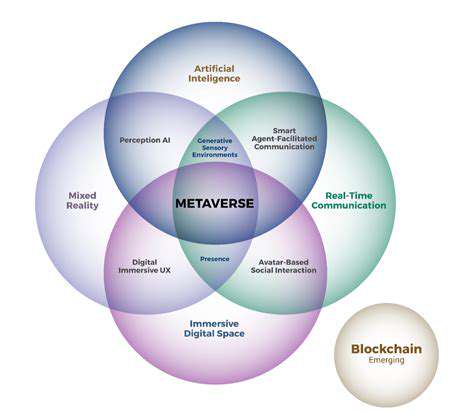
    The Metaverse Explained: More Than Just Gaming
    May 05, 2025
    Top Development Trends to Watch in 2025
    May 18, 2025
    Best Practices for Using IoT Devices Securely
    May 23, 2025
    How to Identify and Protect Against Zero Day Exploits
    Jul 14, 2025
    Data Breaches Explained: What Happens & How to React
    Jul 27, 2025
    Battery Life and FeaturesIn today's fast-paced world, a reliable smartwatch is more than a luxury—it's a necessity. Our comprehensive guide explores the top smartwatches of 2023, emphasizing their standout features, especially battery life, to help you make an informed decision. 1. Garmin Fenix 7 SeriesThe Garmin Fenix 7 Series combines rugged durability with impressive functionality. Perfect for outdoor enthusiasts, it offers exceptional battery life, lasting up to 18 days in smartwatch mode. Its solar charging capabilities further extend usage, making it ideal for long adventures. Key features include a user-friendly interface, multiple activity modes, and a proprietary Power Manager for optimized battery use. The Fenix 7 excels in areas like heart rate monitoring and GPS tracking, surpassing competitors such as the Apple Watch and Fitbit in durability and performance. 2. Amazfit GTR 3 ProThe Amazfit GTR 3 Pro showcases elegance and performance with a sleek design and an always-on AMOLED display. With a battery life of up to 12 days under normal usage, users can leverage its extensive features without worrying about constant recharging. The magnetic charging dock provides fast recharges within an hour. For fitness enthusiasts wanting a reliable and stylish companion, the GTR 3 Pro is a compelling choice that balances design and functionality. 3. Fitbit Charge 5Designed for health-conscious users, the Fitbit Charge 5 offers advanced tracking including built-in GPS, heart rate monitoring, and stress management tools like EDA scans. With an impressive battery life of up to seven days, it accommodates extensive health tracking without interruptions. The Fitbit app enhances the user experience, making it easy to monitor health metrics and engage in fitness challenges. In comparison to other options, it provides a cost-effective solution for those seeking health-focused features. 4. Samsung Galaxy Watch 5The Samsung Galaxy Watch 5 stands out for its robust battery capacity of 410mAh, delivering over two days of usage. Advanced battery optimization allows it to adapt power consumption based on user habits, ensuring longevity without sacrificing functionality. Fast charging capabilities enable a quick boost before heading out. Coupled with extensive health tracking capabilities, including sleep and heart rate monitoring, it becomes a reliable smartwatch for users who demand connectivity and utility. 5. Mobvoi TicWatch Pro 3 Ultra GPSLastly, the Mobvoi TicWatch Pro 3 Ultra GPS impresses with a dual-layer display technology that allows for extended battery life of up to 72 hours. Ideal for fitness tracking, it includes advanced heart monitoring and built-in GPS. Its user-friendly interface operates smoothly with Wear OS, facilitating seamless navigation. For power users or fitness enthusiasts, this watch offers significant versatility, making it a top contender for those who prioritize both functionality and battery endurance.---In summary, each of these smartwatches presents unique advantages, especially in battery life and tracking features. Whether you're an outdoor athlete or just want to keep tabs on your health, our guide provides the necessary insights to help you choose the right smartwatch. Find your perfect match and enjoy a blend of technology and lifestyle convenience.
    Feb 08, 2026
    The most common type, dynamic drivers offer a balanced sound and are budget-friendly. They excel in delivering rich bass, making them suitable for a variety of music genres. 2. Balanced Armature Drivers: These drivers are compact and highly precise, often found in high-end in-ear monitors. They provide superior sound clarity, particularly in the mid and high frequencies, but may struggle with deep bass. 3. Planar Magnetic Drivers: Known for their exceptional audio fidelity and clarity, planar magnetic drivers use a thin diaphragm suspended between magnets. This design minimizes distortion but typically comes at a higher price point.4. Electrostatic Drivers: Offering unparalleled sound quality due to their rapid response time, electrostatic drivers require specialized amplifiers to operate efficiently, making them less common among casual listeners.5. Ribbon Drivers: A unique type that delivers fast transients and an accurate frequency response, ribbon drivers are praised for their natural sound reproduction but require specific acoustic designs.6. Hybrid Drivers: Combining multiple driver types, hybrid configurations aim to deliver the best of both worlds, providing versatility across different music genres. The Impact of Driver Size on Sound QualityDriver size significantly affects sound quality. Larger drivers typically deliver deeper bass, while smaller ones may excel in clarity for midrange and high frequencies. However, it’s crucial to consider design and material quality alongside size, as these factors also contribute to a headphone’s overall performance and comfort. Choosing the Right Headphone Driver For YouWhen selecting headphones, consider:- Use Case: Casual listeners may prefer dynamic drivers for their versatility, while audiophiles might opt for planar magnetic or electrostatic options for their premium audio fidelity.- Comfort and Fit: Pay attention to the design—closed-back headphones enhance bass response, while open-back models offer a natural soundscape.- Impedance: Lower impedance drivers work well with portable devices, while higher impedance models require more power, making them suited for dedicated audio setups. ConclusionUnderstanding headphone drivers is crucial for making an informed purchase. Whether you prioritize bass-heavy listening or seek precise audio clarity, knowing the differences among driver types can elevate your listening experience. Explore the various options and always consider your personal preferences to find the perfect match for your audio needs.
    Feb 11, 2026
    Generally last 2 to 3 years due to software limitations and battery health.- Laptops: Range from 3 to 5 years, heavily influenced by brand, usage, and maintenance.- Tablets: Usually last about 3 to 4 years, often prompting earlier upgrades due to technological advancements.- Smartwatches: Have a shorter lifespan of 2 to 3 years, often necessitating battery replacements sooner.- Gaming Consoles: Typically last 5 to 7 years, supported by a community that continues to release games for older models.- Televisions: Can last 7 to 10 years, though technological advancements may entice users to upgrade sooner.- Home Assistants: Average around 3 to 5 years, as newer models frequently emerge with enhanced functionalities. Tips for Extending LifespanTo prolong the life of tech products, consumers are encouraged to perform regular maintenance, invest in quality accessories for protection, and practice good charging habits. Additionally, being mindful of environmental influences and responsible product recycling can help reduce electronic waste and extend the usability of devices. ConclusionUnderstanding the factors affecting the lifespan of tech products can empower consumers to make informed decisions. By prioritizing quality, maintenance, and responsible purchasing practices, users can enhance the longevity of their devices, contributing to a more sustainable tech ecosystem.
    Feb 14, 2026
    Smart Notebooks, Ergonomic Solutions, and MoreWelcome to your guide to optimizing productivity through innovative tools that blend technology with comfort. Explore the intersection of traditional and modern methods with smart notebooks, ergonomic keyboards, noise-cancelling headphones, portable monitors, and task management applications. The Rise of Smart NotebooksSmart notebooks are transforming how we take notes, appealing to students and professionals alike. With tools like Rocketbook and Wipebook, users can seamlessly transfer handwritten notes into digital formats, enhancing organization and storage. By 2018, 23% of students embraced digital note-taking, with over 60% of professionals reporting increased productivity thanks to digital solutions. Key features to consider in a smart notebook include compatibility with mobile apps and the ability to reuse pages, making them both sustainable and efficient. Ergonomic Keyboards and Mice: A Comfort RevolutionErgonomics plays a vital role in reducing strain and improving efficiency in your workspace. Bad posture while using keyboards and mice can lead to injuries such as carpal tunnel syndrome. Investing in ergonomic devices means not only enhanced comfort but also a boost in productivity, with studies showing as much as a 30% increase. Look for split keyboards, vertical mice, customizable keys, and wireless options when choosing your ergonomic tools. Create Your Sound Sanctuary with Noise-Cancelling HeadphonesElevate your focus with noise-cancelling headphones that block out distractions. Using passive and active technologies, these headphones help maintain concentration by creating an ideal listening environment. Professionals report improved productivity levels when utilizing noise-cancelling headphones, particularly in busy offices or during virtual meetings. Key features to consider include battery life, comfort, and sound quality, ensuring you find the perfect model suited to your needs. Expand Your Workspace with Portable MonitorsPortable monitors provide versatility in workspace setup, ideal for remote workers and students. These compact devices can significantly enhance productivity by facilitating a dual-screen experience, allowing users to multitask efficiently. When choosing a portable monitor, prioritize display quality, portability, connectivity options, and battery life to meet your needs. Products like the ASUS ZenScreen and Lenovo ThinkVision M14 are leading choices in performance and convenience. Stay Organized with Task Management AppsEffectively managing your tasks is crucial in any work environment. From simple to-do lists to advanced project management tools, selecting the right app is essential based on your specific requirements. Applications like Todoist and Trello cater to various preferences, whether you seek simplicity or comprehensive project tracking. Consistent check-ins and reminders can help you stay proactive, bridging tasks to your daily routine.---Transform how you work with smart notebooks, ergonomic equipment, noise-cancelling headphones, portable monitors, and effective task management tools. Each of these innovative solutions plays a significant role in enhancing productivity and ensuring a well-organized workflow. Invest today in tools that not only improve your efficiency but also prioritize your health and well-being.
    Feb 15, 2026
    The Future of Smart Home Technology, Wearables, AR/VR, Sustainability, and PersonalizationDiscover the latest advancements in technology that are revolutionizing our everyday lives. This comprehensive guide explores the most significant innovations across various sectors, including smart home tech, wearable health devices, augmented and virtual reality, sustainable gadgets, and personalized technology. Smart Home InnovationsSmart home technology is transforming the way we live, providing increased convenience and security. The global smart home market is projected to reach approximately $174 billion by 2025, propelled by artificial intelligence and user-friendly automation systems. Smart thermostats optimize energy usage by learning user habits, while smart lighting and speakers enhance home ambiance. These devices not only make daily tasks simpler but also significantly lower energy consumption. Wearable Technology AdvancementsWearable technology, including devices like smartwatches and fitness trackers, has seen tremendous growth with advancements in biometric sensors. Products now offer ECG monitoring and blood oxygen level tracking, empowering users to stay attuned to their health. Artificial intelligence plays a crucial role by providing personalized recommendations, tailoring workout plans, and enhancing predictive health analytics. With an anticipated market growth exceeding $100 billion by 2024, the demand for multifunctional health-focused wearables is set to skyrocket. Augmented and Virtual Reality ExperiencesAugmented reality (AR) and virtual reality (VR) are reshaping multiple industries. Companies like Microsoft and Facebook are pushing the envelope by integrating AR and VR into training, healthcare, and retail. The AR and VR market is expected to surpass $200 billion by 2026, offering innovative ways to educate, engage, and enhance customer experiences. Despite challenges in cost and user education, the potential applications in gaming, real estate, and medical training present unparalleled opportunities for growth. Sustainable Tech GiftsConsumers are increasingly prioritizing eco-friendly technology, with 73% willing to pay more for sustainable options. Innovations include biodegradable products, energy-efficient devices, and devices made from recycled materials. Sustainable gifts like solar chargers, energy-efficient smart home devices, and reusable smart notebooks not only cater to user utility but also contribute to environmental conservation. Brands with credible green certifications reflect a commitment to sustainability and resonate well with conscientious consumers. Personalized Tech GadgetsThe trend of customization in tech gadgets is on the rise, with a market growth prediction of 15% annually. Consumers, especially younger demographics, prioritize personalization, desiring gadgets that reflect their individual style and preferences. Companies are leveraging artificial intelligence and machine learning to create more tailored experiences, enhancing user satisfaction and loyalty. The future of personalized technology looks bright, with advancements likely to expand into realms like AR and VR. ConclusionThe intersection of innovation and user-centric design is shaping the future of technology. As we advance, staying informed about these trends will empower both consumers and businesses to make decisions that reflect evolving preferences and values. Whether it's enhancing home life through smart technology, monitoring health with wearables, enjoying immersive AR/VR experiences, opting for sustainable gadgets, or personalizing tech products, the possibilities are endless. Embrace the future of technology that not only promises convenience but also focuses on health, sustainability, and personal expression.
    Feb 16, 2026
    Creative Solutions, User Feedback, and Sustainable Innovation OverviewExplore the fascinating evolution of technology from historical milestones to transformative innovations shaping our everyday lives. This comprehensive article delves into technological advancements such as the internet revolution, the rise of mobile devices, and how creative solutions like Artificial Intelligence (AI) and renewable energy technologies are driving change. Additionally, discover the pivotal role user feedback plays in product innovation and how disruptive technologies are challenging traditional markets. Historical MilestonesThe late 20th century marked a turning point in technological advancement with the introduction of the World Wide Web by Tim Berners-Lee in 1991. This breakthrough redefined communication and facilitated the development of the digital economy. By 2023, the smartphone revolution, initiated by Apple’s iPhone in 2007, has resulted in 6.8 billion users globally, showcasing the integration of internet capabilities into daily life. Creative Solutions for Modern ChallengesInnovations in AI have empowered businesses to automate tasks and enhance decision-making. Companies like IBM and Google are leading the charge in AI applications, with McKinsey estimating that AI could contribute an astounding $13 trillion to the global economy by 2030. Additionally, advancements in renewable energy technologies are crucial for addressing climate change, with a focus on making clean energy solutions more accessible. User Feedback: A Driving Force in Product DevelopmentUser feedback contributes significantly to refining tech products. Organizations like Apple and Microsoft leverage surveys and beta testing to gather insights, with over 70% of customers willing to share opinions. Engaging users fosters a community ambiance, resulting in valuable suggestions for product enhancements.The article also highlights success stories such as Facebook and Tesla, which have effectively integrated user feedback to innovate offerings. Applying data analytics tools to understand user sentiment transforms feedback loops into a continuous source of improvement. Disruptive Technologies Reshaping IndustriesAI is revolutionizing diverse sectors like healthcare and finance, significantly increasing efficiency and improving customer experiences. Meanwhile, blockchain technology enhances transparency and reduces fraud in supply chains, with its decentralized approach minimizing operational costs.Fintech innovations are redefining financial services, empowering businesses and individuals alike. Despite challenges such as regulatory compliance, traditional institutions must adapt to stay competitive, often harnessing collaborations with tech startups. Sustainable Innovation in TechSustainable innovation is becoming critical as companies recognize the dual need to minimize environmental impact and maintain competitive edges. Research indicates that businesses emphasizing sustainability enjoy higher customer loyalty and improved market positions.Major players like Apple, Google, and Microsoft are committing to ambitious sustainability goals, highlighting how innovation and eco-friendliness can go hand in hand. Collaboration across industries is essential for advancing sustainable solutions. The Future of Tech ProductsLooking ahead, key trends like AI integration, IoT expansion, and a growing focus on sustainability will steer tech product innovation. User feedback will remain vital, driving companies to create relevant and user-centric designs. Emerging technologies like 5G and blockchain will enhance user experiences and add layers of security.As the tech landscape evolves, balancing profitability with ecological responsibility will become increasingly vital for companies striving to meet consumer demands while adapting to market dynamics. Prepare for a future where personalization, augmented reality, and significant advancements continue to redefine our interaction with technology.---This article serves as an essential resource for understanding the complexities of technology's evolution and the exciting innovations shaping our future.
    Feb 19, 2026
    The Future of Fitness and Health Explore the exciting realm of wearable technology, which is transforming fitness and health monitoring. Smartwatches and fitness bands are no longer just tracking steps; they now come with advanced sensors that monitor heart rate, sleep patterns, and blood oxygen levels. Major brands like Apple and Garmin are leading the charge, offering devices with features such as ECG functionality to provide real-time heart health insights. Emerging Technologies and Market GrowthAccording to the International Data Corporation (IDC), the global wearable technology market is projected to exceed $100 billion by 2025, driven by growing consumer demand for devices that enhance fitness and overall well-being. Expect to see innovations, such as glucose monitoring and stress management features, becoming commonplace in the near future. Revolutionizing Health MonitoringWearable tech, including continuous glucose monitors (CGMs), is revolutionizing how individuals manage their health. Real-time tracking of glucose levels allows users to make informed dietary choices, leading to better glycemic control. This surge in data collection also aids healthcare research, promoting personalized healthcare solutions that cater to individual needs. Integration with Mobile AppsThe synergy between wearable devices and mobile applications creates an ecosystem that enhances the user experience. Many wearables sync with apps that provide actionable insights, personalized workout plans, dietary recommendations, and mental health resources, motivating users to reach their fitness goals. Challenges in Wearable TechnologyDespite its advantages, wearable technology faces challenges such as privacy concerns regarding personal health data and device accuracy. Users must be cautious about the privacy policies of their devices and ensure they validate health metrics against traditional monitoring methods. Future DevelopmentsThe future of wearable tech is promising, with innovations on the horizon that include advanced biometric sensors and artificial intelligence (AI) capabilities. These advancements are set to offer predictive insights for preventive healthcare. With the emphasis on mental wellness, future wearables may also incorporate features for stress tracking and mood monitoring, propelling the industry forward. ConclusionWearable technology is not just a trend; it's reshaping how we approach fitness and health. As innovations continue to emerge, wearables will play an essential role in enhancing our understanding of health, ensuring that individuals are empowered to take charge of their well-being proactively. Stay informed about the latest advancements in wearable technology that can help you lead a healthier, more active life.
    Feb 20, 2026
    View Publication>>

    Hot Recommendations