Material Quality
Consumer Awareness
Longevity
Upgrades
Maintenance
Accessories
Sustainability

How Long Do Tech Products Really Last

An Overview of Lifespan

Smartphones have become a staple in modern life, typically lasting around 2 to 3 years before performance issues emerge. Various manufacturers, like Apple and Samsung, generally provide software updates for their devices for a limited time, usually about five years, which influences the longevity of these products.

During this period, battery health diminishes significantly, often requiring replacement to maintain optimal functionality. Moreover, the technological pace means that newer features and software may not run efficiently on older models, pushing users towards upgrades.

Laptops: Factors Influencing Longevity

Laptops can last anywhere from 3 to 5 years, depending heavily on brand, usage, and maintenance. High-end devices are constructed with better materials and components, often translating to longer lifespans. Regular maintenance, including software updates and physical cleaning, can enhance a laptop's longevity significantly.

However, users should be aware that after about five years, many laptops may struggle with newer applications and systems, largely due to hardware limitations that prevent them from efficiently running contemporary software.

Tablets: A Step Down in Longevity

Tablets typically have a shorter lifespan compared to traditional laptops, usually lasting about 3 to 4 years. The slight difference can often be attributed to their more limited hardware capabilities and lower durability standards in manufacturing. From Apple to Android, this trend remains consistent across most brands.

Moreover, because tablets are often designed primarily for consumption rather than productivity, many consumers find themselves upgrading as newer models emerge, even if their existing devices are still operational. The rapid pace of innovation in apps and functionalities pushes users toward newer tablets more frequently than with laptops.

Smartwatches: Shorter Life Expectancy

Smartwatches are designed to be more functional than traditional timepieces but generally hold a shorter lifespan of about 2 to 3 years. Given the accelerated advancement in technology, many users look to upgrade sooner to access newer features and improved connectivity options.

Battery degradation is a significant issue for smartwatches, often requiring replacements after a year or two of daily use. Additionally, software support tends to drop significantly, making users more inclined to invest in newer models.

Gaming Consoles: Staying Power Versus New Releases

Gaming consoles, like those from PlayStation and Xbox, typically have longer lifespans, ranging from 5 to 7 years. This durability is aided by both excellent hardware design and the massive community surrounding gaming that often supports older models with continued game releases.

However, as new gaming environments are released, older consoles may struggle to run the latest titles, leading gaming enthusiasts to invest in the latest systems sooner. The rapid evolution of graphics and gameplay may dictate the lifespan of a gaming console more than its actual ruggedness.

Televisions: Monitoring Lifespan Trends

Televisions, particularly LED and OLED models, generally last 7 to 10 years or more, offering a long-term investment for consumers. The average lifespan of these devices is influenced by usage and the quality of the individual unit. High-end televisions from reputable brands often feature superior components, which can significantly extend their usable life.

Despite their durability, advancements in technology, such as 4K and 8K resolutions, regularly entice users toward newer models, even when their older TVs are still functional. Studies suggest that the average consumer upgrades their television every 7 years, often driven by the desire for improved viewing technology rather than the product's actual condition.

Home Assistants: A New Era of Technology

Smart home assistants like Amazon Echo or Google Nest have a relatively shorter lifespan, averaging around 3 to 5 years. These devices tend to lose relevance as technology advances and more capable models are developed, pushing users to upgrade for enhanced functionalities.

Moreover, the evolving nature of smart home ecosystems means that older devices may fall behind in compatibility, effectively limiting their usefulness. Regular updates sometimes extend their operational lifespan, but users often opt for newer models to ensure optimal integration with other smart devices.

Tips for Extending the Lifespan of Your Tech Products

TipsforExtendingtheLifespanofYourTechProducts

Regular Maintenance: Preventing Early Wear and Tear

One effective way to extend the lifespan of your tech products is through Consistent and proactive maintenance. Regularly cleaning your devices, whether they are laptops, tablets, or smartphones, can prevent dust and debris from causing overheating or hardware malfunctions. Use a microfiber cloth to wipe screens and remove fingerprints, and ensure that vents and ports are free of blockage.

Battery care is also critical. Lithium-ion batteries, the most common in tech products, have a limited number of charge cycles. It’s best to avoid letting your battery frequently drop below 20% or charge above 80%. This practice not only prolongs battery life but also enhances the overall performance of your device over time, ensuring it runs smoothly for a longer period.

  • Regular cleaning prevents overheating.
  • Avoid deep discharges and overcharging of batteries.
  • Maintain software updates for optimal performance.

Protecting Your Devices: Investing in Quality Accessories

Another practical approach to extending the longevity of your technology is to invest in high-quality accessories that offer reliable protection. For example, if you purchase a good case for your smartphone or tablet, you significantly reduce the risk of damage from accidental drops. A thoughtful selection can prevent scratches, dents, and even internal failures.

Moreover, consider using protective screen shields to guard against cracks and scratches. The cost of these accessories is usually minor compared to the potential repair costs, making them a smart investment. According to a survey conducted by Consumer Reports, accessories that protect devices can increase their lifespan by an impressive 30%. This emphasizes the importance of not skimping on protective gear.

The Environmental Impact of Tech Lifespan

Understanding Tech Product Lifespan

Most tech products are designed with a specific lifespan in mind, typically ranging from two to ten years depending on the category. For instance, consumer electronics like smartphones often have an effective lifespan of around two to three years, partially dictated by software support and hardware advancements. On the other hand, more robust equipment such as professional-grade computers can last significantly longer, sometimes extending beyond five years when properly maintained.

This disparity in lifespan underscores the need for consumers to be informed about product durability and support timelines. Potential buyers should research the average lifespan of devices by comparing manufacturers’ claims and user reviews, ensuring their investments translate into longer usability.

The Concept of Planned Obsolescence

Planned obsolescence refers to the strategy where products are designed with an intentionally limited useful life to encourage repeat purchases. For example, many electronics companies will stop providing updates for devices after a certain period, compelling users to buy newer models. This practice raises ethical questions about sustainability and consumer rights, as it often leads to increased electronic waste.

Environmental Consequences of E-Waste

Electronic waste, or e-waste, is a significant environmental concern, contributing millions of tons to global waste annually. In 2021, the Global e-Waste Monitor reported that 53.6 million metric tons of e-waste were generated worldwide, a number expected to rise. Improper disposal can lead to toxic materials leaching into the environment, affecting soil and water quality.

E-waste recycling initiatives are essential for mitigating these effects, as they help recover valuable materials and reduce the demand for new resources. Consumers are encouraged to recycle old devices through certified programs that ensure responsible processing, helping to lessen their environmental impact.

Consumer Awareness and Responsibility

Awareness of the environmental impact of tech products can drive responsible consumer behavior. Individuals can make informed decisions about their purchases, prioritize sustainable brands, and consider the entire lifecycle of devices. This includes researching repairability and availability of replacement parts before making a buying decision.

Recycling and Upcycling Solutions

Recycling and upcycling are fundamental steps toward reducing e-waste. Many companies offer trade-in programs, allowing consumers to exchange old devices for discounts on new ones. This not only encourages recycling but also promotes a circular economy, where materials are reused and repurposed instead of being discarded.

Industry Innovations for Sustainability

The tech industry is increasingly acknowledging the importance of sustainability, resulting in various innovations aimed at prolonging product lifespans. Manufacturers are exploring modular designs, making devices easier to upgrade and repair rather than replace completely. For example, companies like Fairphone promote modular smartphones where individual components can be easily accessed and replaced, extending their usability.

Such innovations can empower consumers, enabling them to prolong the life of tech products and reducing the environmental impact associated with production and waste.

Future Directions in Tech Development

As we move forward, the challenge lies in balancing technological advancement with environmental sustainability. Legislative measures may play a crucial role in shaping industry standards regarding product longevity and recycling. Greater demands for eco-friendly practices could influence how companies design and market their products, encouraging longevity rather than disposability.

Ultimately, a collaborative effort between manufacturers, consumers, and policymakers will be essential to foster a more sustainable tech ecosystem. Innovating while considering environmental impacts could lead to more responsible consumption and usage of tech products.

Read more about How Long Do Tech Products Really Last
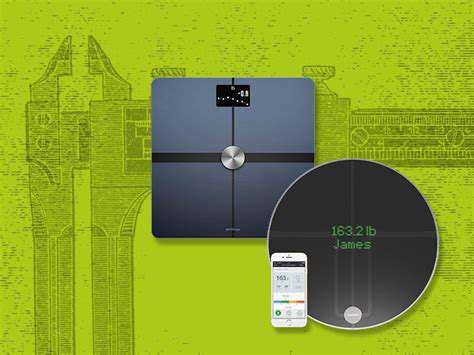
Comparing the Top Smart Scales for Fitness
May 05, 2025
- Reduces greenhouse gas emissions and air pollution- Decreases dependence on finite fossil fuels- Promotes energy security and price stability- Creates jobs and stimulates economic growth- Supports global efforts toward sustainable development Technological Innovations and Future OutlookContinuous research and development are driving innovations in renewable energy technologies. From improved energy storage solutions to smarter grid integration, these advancements are making renewable energy more reliable and widespread. Governments and private sectors worldwide are investing heavily in renewable infrastructure, aiming to transition to a low-carbon economy and achieve climate goals. How to Get StartedWhether you're a homeowner interested in solar panels, a business exploring wind energy options, or a policymaker seeking sustainable solutions, understanding the capabilities and benefits of renewable energy is crucial. Consider assessing your energy needs, exploring government incentives, and consulting with renewable energy providers to make informed decisions.---Embrace the future of clean energy today. Harnessing renewable resources like solar and wind power is essential for reducing carbon emissions, combating climate change, and building a sustainable, resilient planet for generations to come.---Keywords: renewable energy, solar power, wind energy, sustainable energy, clean energy solutions, photovoltaic panels, renewable technology advancements, climate change mitigation, green energy, energy efficiency, renewable energy benefits
May 15, 2025
Best Practices for Using IoT Devices Securely
May 23, 2025
The Future of Personal Transportation Beyond Cars (Hyperloop, eVTOL)
Jul 22, 2025
Top Picks in 2023In an increasingly mobile work environment, finding the right portable monitor can enhance productivity and improve your work experience. This comprehensive guide reviews some of the best portable monitors available in 2023, focusing on their features, display quality, portability, and user feedback. 1. ASUS ZenScreen MB16ACThe ASUS ZenScreen MB16AC features a Full HD resolution of 1920 x 1080 pixels and an IPS panel providing a 178-degree viewing angle for consistent color accuracy. This portable monitor includes anti-glare coating and ASUS's Eye Care technology, minimizing eye strain for prolonged use. Its lightweight design (0.78 kg) paired with USB Type-C connectivity makes it a swift and effective choice for professionals on the go. 2. AOC I1601FWUXThe AOC I1601FWUX stands out with a compact, durable design and vibrant IPS display at 1920 x 1080 resolution. Weighing under 1.5 pounds, this monitor is perfect for travel. The magnetic smart cover doubles as a stand, promoting easy setup. With USB-C and micro-HDMI ports, it caters to various devices, drawing positive reviews for its plug-and-play functionality and versatile performance in fast-paced settings. 3. Lenovo ThinkVision M14The Lenovo ThinkVision M14 impresses with a weight of merely 598 grams and a slim profile. Its Full HD IPS panel promises crisp visuals and excellent color accuracy, making it ideal for creatives. Equipped with dual USB-C ports, this monitor allows easy device connections and even supports daisy-chaining for expanded setups. Ergonomically designed with adjustable tilt, it promotes comfort for extended use, while its power-efficient design ensures convenience during travels. 4. Dell P2419HCWith its sleek design, the Dell P2419HC blends aesthetics and functionality seamlessly into any workspace. Featuring a fully adjustable stand, IPS display with 1920 x 1080 resolution, and robust connectivity options including USB-C, this monitor is designed for versatility. Its energy-efficient design helps reduce electricity costs, making it a great choice for eco-conscious users. The highly praised user experience further highlights Dell's strong customer support and overall product quality. 5. Gechic 1101PThe Gechic 1101P boasts an 11.6-inch screen with an IPS panel and a Full HD resolution, providing vibrant color and wide viewing angles. Lightweight at under 1kg, it features USB-C for power delivery and supports various devices. Its foldable stand enhances usability, making it a strong candidate for remote workers and travelers. Customer reviews commend its display quality and ease of use, cementing its reputation as a reliable portable monitor option. ConclusionSelecting the right portable monitor is crucial for enhancing productivity and comfort while working remotely. Whether you prioritize display quality, portability, connectivity, or ergonomic features, options like the ASUS ZenScreen MB16AC, AOC I1601FWUX, Lenovo ThinkVision M14, Dell P2419HC, and Gechic 1101P represent the best in the market in 2023. Consider your specific needs to make an informed choice that complements your mobile lifestyle.
Feb 08, 2026
AI Advancements, 5G Expansion, and Sustainable Technology InnovationsDiscover the transformative trends shaping the technological landscape across various industries, including groundbreaking advancements in artificial intelligence (AI), the global rollout of 5G technology, and innovative sustainable practices. Artificial Intelligence and Machine LearningRecent breakthroughs in deep learning, especially in natural language processing (NLP) and computer vision, are revolutionizing AI applications. With models like OpenAI's GPT-3 and Google's BERT raising the bar for language comprehension, businesses can enhance customer interactions through chatbots and automate content creation. Moreover, integrating transfer learning is making AI technology accessible to smaller organizations, fostering innovation in healthcare, finance, and education. Practical AI ApplicationsFrom improving disease diagnosis in healthcare to revolutionizing risk assessment and fraud detection in finance, AI is becoming indispensable across sectors. Reports indicate that AI-driven solutions significantly improve diagnostic accuracy and lead to a remarkable reduction in fraud losses for companies adopting machine learning practices. The Rapid Expansion of 5G TechnologyThe global expansion of 5G technology promises to enhance mobile connectivity, providing rapid internet speeds and reduced latency. Countries leading the charge in 5G rollout are set to experience substantial increases in connected devices, fueling consumer adoption and transforming industries such as telecommunications and transportation. Looking Ahead to 6GAs conversation shifts toward the exploration of 6G technology, which could bring stunning advancements in data speeds and connectivity for innovations including virtual reality and smart cities, businesses are encouraged to invest in infrastructure that supports this transition. Hybrid Work Technology SolutionsWith hybrid work environments gaining traction as employees seek flexible schedules, organizations must adapt by leveraging technology tools for communication and collaboration. Platforms like Zoom and Microsoft Teams, along with collaborative software, are essential for maximizing team productivity and streamlining project management. Data Security in a Hybrid ModelAs hybrid work becomes commonplace, robust data security measures are critical. Organizations must implement VPNs, encryption technologies, and multi-factor authentication to protect sensitive information. Prioritizing Cybersecurity and Data PrivacyCybersecurity threats are increasingly sophisticated, and organizations must prioritize comprehensive cybersecurity strategies to safeguard data. Innovations like AI-driven threat detection systems and employee training programs play pivotal roles in reducing vulnerability to cyber attacks. Navigating Data Privacy RegulationsCompliance with data privacy regulations such as GDPR and CCPA is essential for organizations. Non-compliance can result in substantial financial penalties and damage to reputation. Sustainable Technology InnovationsEmerging green technologies like advancements in solar energy, smart grids, and electric vehicles are shaping a more sustainable future. The circular economy emphasizes resource reuse, while innovations in energy storage solutions are crucial for optimizing renewable energy use. The Role of AI in SustainabilityAI is instrumental in resource management, optimizing energy efficiency across sectors, and enabling informed decision-making for reducing carbon footprints.As the technological landscape evolves, staying informed about these advancements is vital for professionals looking to leverage AI’s potential, enhance hybrid work strategies, and contribute to a sustainable future. Embrace the ongoing innovation and position yourself at the forefront of tomorrow’s technology.
Feb 08, 2026
The Ultimate Guide to Avoiding Common Tech Purchase MistakesNavigating the world of technology purchases can feel overwhelming, especially with the relentless pace of innovation and the multitude of options available. To ensure you make informed investment decisions, this guide highlights common pitfalls and offers actionable advice on how to avoid them. 1. Research Before You Buy Understanding Your NeedsBefore purchasing any tech product, it’s vital to pinpoint your specific requirements. Be wary of purchasing based solely on captivating advertisements—ensure that the product aligns with your actual needs. Carefully evaluate product specifications against your expectations, taking future advancements into account. This focused approach helps you avoid buyer's remorse. Thorough Product InvestigationDon't fall into the trap of following trends without assessing brand reputation or user reviews. Take time to check professional reviews and consider using comparison websites for a more comprehensive view. These steps are crucial for making an informed decision and ensuring customer satisfaction. 2. Plan for Future Needs Scalable SolutionsTech purchases should not only meet your current requirements but also anticipate future needs. Consider investment longevity by evaluating scalability—ensure any software or hardware will accommodate future upgrades or increased workloads. Staying ahead of technology trends can save you significant money on replacements. 3. Evaluate Warranty and Support Understanding Warranty TypesBefore making your purchase, familiarize yourself with the different types of warranties available. Knowing what is covered and what isn't can save you from unforeseen expenses down the line. Quality customer support is equally important; research how responsive a brand's service team is to customer inquiries and warranty claims. Hidden CostsBe mindful of hidden costs that can arise from warranty services—some repairs may not be covered, leading to unexpected fees. Investigating return policies and considering third-party insurance may also provide additional layers of security for your investment. 4. Recognize Upselling Tactics The Risks of UpsellingSales representatives often employ upselling techniques that can lead to unplanned expenditures. Understanding these tactics—like creating a sense of urgency or offering exclusive bundles—can empower you to stick to your budget. Maintaining clear financial boundaries is key to navigating these sales strategies successfully. 5. Avoid Rushing Decisions Take Your TimeImpulsive purchases in the tech sector can lead to regret. Before settling on a product, take time to compare options, read reviews, and consider budget constraints. By assessing alternative products and waiting for seasonal sales, you can ensure your money is well-spent. Set a BudgetEstablishing a clear budget not only helps narrow down choices but also aligns your purchase with your financial capabilities. Don't lose sight of the total cost of ownership, which includes long-term maintenance and potential subscription fees. ConclusionMaking a tech purchase doesn't have to be daunting. Armed with research and a clear understanding of your needs, you can navigate the market confidently. By avoiding impulsive decisions, carefully considering warranty options, and staying aware of upselling strategies, you'll secure a satisfactory purchase that meets both your current and future tech needs. Start your tech buying journey today, equipped with this guide as your roadmap to success!
Feb 09, 2026
Why You Should Consider ThemRefurbished laptops present an attractive option for consumers looking for reliable technology without the hefty price tag of new models. In this comprehensive guide, you’ll learn about the key advantages of choosing refurbished laptops, including their cost-effectiveness, environmental benefits, and performance reliability. Cost-Effectiveness of Refurbished LaptopsOne of the most compelling reasons to opt for a refurbished laptop is the significant cost savings. Typically priced 30% to 50% lower than original retail prices, refurbished laptops make quality technology accessible to a wider audience. These savings allow you to secure a high-performing device without straining your budget. Many refurbished models also come with warranties, ensuring you receive a product that has been thoroughly tested and meets stringent quality standards. Environmental Impact and SustainabilityChoosing refurbished laptops is not just a cost-savvy decision; it significantly contributes to environmental sustainability. By extending the life cycle of existing devices, you're helping reduce electronic waste and its associated carbon emissions. Every refurbished laptop purchased is a step toward more sustainable technology consumption, benefiting the planet and reflecting responsible consumer choices. Quality Assurance and Testing ProcessesBefore entering the market, refurbished laptops undergo rigorous testing to ensure their functionality and performance. This process includes hardware inspections, software restorations, and cleanings. Many reputable retailers offer these products, providing buyers with peace of mind through strict quality assessment protocols. Rest assured, refurbished laptops often perform just as well as new models. Warranty Options and Customer SupportMost refurbished laptops come with substantial warranty options, ranging from six months to a year or more. This warranty not only covers repairs for defects but also indicates the seller’s confidence in the product’s quality. Customer support typically accompanies refurbished purchases, further enhancing your experience and mitigating the risks associated with buying previously-used technology. Variety and ChoiceThe refurbished market boasts a vast selection of brands and models to fit diverse user needs. Whether you’re a graphic designer needing a powerful machine or a student seeking something more basic, you can find a refurbished laptop that suits your requirements. This extensive variety includes recent configurations, allowing buyers to keep up with technological advancements at a fraction of the cost. Performance AdvantagesRefurbished laptops often come equipped with high-performance hardware at a fraction of the price. Many featured models have advanced processors and ample RAM, enabling them to handle demanding applications like gaming or video editing without hiccups. This accessibility to powerful technology without high expenditure presents a hidden gem in the refurbished market. Key Considerations When Purchasing a Refurbished LaptopWhile purchasing a refurbished laptop has several advantages, it’s crucial to approach your decision wisely. Key factors to consider include the specifications like processor speed and RAM, along with looking into the battery health and warranty offerings. Understanding potential pitfalls, such as compatibility issues, will also help ensure a satisfying purchase. ConclusionIn conclusion, opting for a refurbished laptop can be a wise choice that addresses budgetary constraints while also aligning with eco-friendly practices. With extensive options available, you can find the perfect laptop that meets your needs, performance expectations, and financial considerations. Research your options, stay informed, and reap the benefits of refurbished laptops today!
Feb 09, 2026
An In-Depth Overview Understanding the Journey of AIThe evolution of artificial intelligence (AI) dates back to the mid-20th century, characterized by foundational work from pioneers like Alan Turing. The term artificial intelligence was introduced in 1956, marking a pivotal moment in technological history. Despite facing setbacks (known as AI winters), the development of neural networks and deep learning facilitated breakthroughs that brought AI into practical applications across diverse industries. Current Advancements in TechnologyToday's AI systems benefit from significant technological enhancements, especially in natural language processing (NLP) and computer vision. Innovations such as GPT-3 have redefined human-computer interactions, while AI in healthcare is streamlining processes like diagnostics and analysis, potentially saving the sector billions annually. Workplace Automation ImplicationsAs AI flourishes, automation reshapes workplaces worldwide. Industries from manufacturing to services are adopting robotic systems, leading to increased productivity but raising concerns about job displacement. The World Economic Forum predicts this shift could result in millions of job transformations, underscoring the urgency for organizations to focus on upskilling their workforce. Navigating Ethical Dilemmas in AIThe rapid growth of AI also poses ethical questions. Issues surrounding data privacy and algorithmic bias demand robust guidelines to protect societal interests. Companies are now establishing AI ethics boards to ensure their technologies align with ethical standards, fostering transparency and fairness. Global AI Landscape and Future PredictionsCountries are heavily investing in AI, particularly the U.S. and China, racing for technological supremacy. As predictions indicate unprecedented advancements in AI applications, the focus will likely shift from job replacement to human augmentation, enhancing decision-making processes across various sectors. Focus on Sustainability and Green TechAs AI and automation advance, the incorporation of sustainable practices becomes essential. Innovations in green technologies aim to minimize environmental impact and align with consumer preferences for eco-friendly solutions. Businesses adopting sustainable strategies not only comply with regulations but also enhance their brand credibility. The Impact of Digital Transformation in Remote WorkThe transition to remote work has seen a rapid deployment of digital tools like collaboration software and project management platforms. This shift necessitates a renewed focus on employee engagement and workplace culture, highlighting the importance of ongoing professional development and adaptable performance measurement. Exploring Web3 and DecentralizationWeb3 signifies a transformative shift in internet infrastructure towards decentralization, promoting user empowerment. Technological advancements like blockchain and smart contracts are redefining ownership and governance online, creating novel opportunities and challenges that call for user education and regulatory clarity. The Vital Growth of Health Tech SolutionsTelehealth and wearable health technologies are revolutionizing patient engagement and personal health monitoring. AI-driven analytics in healthcare enhance treatment personalization and workflow efficiency. However, addressing privacy concerns and maintaining a balance in physician-patient relationships remains critical as technology permeates healthcare. ConclusionThe intersection of AI, sustainability, and the digital transformation of workplaces represents a dynamic era of progress and challenges. Organizations must prioritize continuous learning, ethical development, and sustainability initiatives to fully leverage the potential of these advancements while protecting societal values.
Feb 11, 2026
Exploring the Future of Renewable Energy and Sustainable PracticesIn an age where environmental issues are at the forefront of global discourse, the adoption of renewable energy and sustainable practices is no longer an option but a necessity. This web page delves into the pivotal areas of renewable energy investment, sustainable product design, circular economy initiatives, energy-efficient technologies, and sustainable supply chain practices. Renewable Energy AdoptionGlobal investments in renewable energy have skyrocketed, reaching $501 billion in 2020 alone. Major sectors, especially solar and wind, drive this growth, with projections indicating that investments could surpass $3 trillion annually by 2030. Government policies that encourage renewable energy adoption, such as tax credits and quotas, showcase a commitment to sustainable energy.Technological advancements, particularly in Artificial Intelligence (AI) and energy storage solutions like lithium-ion batteries, have made renewable energy sources more reliable. Smart grid technologies are redefining how energy is distributed, enhancing efficiency and reducing waste. Sustainable Product DesignUnderstanding sustainable materials is crucial for creating products that minimize environmental harm. Biodegradable plastics and recycled materials not only help in managing waste but also reduce carbon emissions significantly. A Life Cycle Assessment (LCA) helps designers evaluate environmental impacts from conception to disposal, enabling informed decisions regarding materials and energy use.Consumer preferences are shifting, with over 66% willing to pay more for sustainable products. Brands that leverage sustainability, like Patagonia and Unilever, are building strong consumer loyalty, emphasizing the need for companies to adopt sustainable practices. Circular Economy InitiativesThe circular economy focuses on reducing waste through a closed-loop system, emphasizing reuse and recycling. By 2030, transitioning to a circular economy could contribute an estimated $4.5 trillion to global GDP. Key technologies, such as 3D printing and blockchain, facilitate efficient resource management and transparency within supply chains.Successful cases from companies like IKEA and Dell highlight how circular practices not only mitigate environmental impact but also enhance brand competitiveness. Government policies play a vital role in promoting these practices, ensuring businesses adopt more eco-friendly approaches. Energy-Efficient TechnologiesEmerging smart grid technologies are revolutionizing the energy landscape, optimizing energy distribution and reducing consumption. Energy-efficient appliances and green building technologies are further promoting sustainability, minimizing the ecological footprint of households and commercial buildings.The integration of renewable energy sources into existing systems is essential to achieving environmental goals. With innovations like real-time energy management systems, the transition to a renewable-centric grid becomes more feasible, while promoting job creation in the green energy sector. Sustainable Supply Chain PracticesSustainable sourcing strategies are crucial for crafting eco-friendly supply chains. Companies can significantly reduce their carbon footprint by selecting suppliers that uphold environmental regulations and ethical practices. Adopting technological solutions like data analytics, AI, and IoT can enhance transparency and operational efficiency within supply chains.By prioritizing sustainability, businesses not only contribute positively to the environment but can also gain competitive advantages in a marketplace increasingly driven by consumer awareness and demand for sustainable practices.---In summary, the convergence of renewable energy adoption, sustainable product design, circular economy initiatives, energy-efficient technologies, and responsible supply chain practices signifies a two-pronged approach tackling climate issues while fostering business innovation. The commitment to sustainability is shaping the future of industries, ensuring they thrive in an environmentally conscious world.
Feb 12, 2026
Innovations to WatchAs smartphone technology evolves rapidly, innovations like foldable displays, artificial intelligence, and sustainable materials are reshaping user experiences. This article explores key advancements that promise to enhance device functionality and design. Foldable and Rollable DisplaysFoldable displays are revolutionizing smartphones, enhancing portability while providing larger viewing areas. Major brands like Samsung and Huawei lead the charge, with projections stating that foldable devices may comprise up to 20% of the smartphone market by 2025. Meanwhile, rollable displays leverage advanced OLED technology to maintain a flat surface, increasing durability and longevity.Despite these benefits, challenges such as screen durability and software compatibility persist. Manufacturers must address these limitations to boost user adoption, especially as consumer preferences lean towards traditional designs for their simplicity. AI and Machine Learning IntegrationSmartphones are becoming personalized tools through advanced AI and machine learning. Features like smart predictive text and voice recognition are evolving, enhancing user satisfaction. Brands such as Apple and Google are integrating AI to create smarter, more efficient mobile experiences, including automated photography enhancements that allow even casual users to capture stunning images.Moreover, enhanced security features powered by AI are increasingly protecting user data and privacy, while AI-driven battery management aims to prolong the lifespan of devices by optimizing energy consumption. Enhanced Battery TechnologyThe emergence of lithium-sulfur (Li-S) batteries promises significantly higher energy density compared to traditional lithium-ion batteries. Research indicates that these batteries could lead to commercial availability by 2025, changing user expectations for battery longevity. Solid-state batteries also show promise with superior safety and performance, likely accounting for a sizable market share by 2030. Seamless Augmented Reality IntegrationAugmented reality (AR) is set to transform user interactions, enhancing navigation and e-commerce experiences. By allowing users to visualize products in their own space, AR dramatically improves engagement and satisfaction. Educational applications are also benefiting from AR, creating interactive learning environments that enhance knowledge retention. Sustainable Materials and Eco-Friendly DesignsThe drive for sustainability is prompting smartphone manufacturers to adopt eco-friendly materials like bioplastics and recycled metals. Modular designs that facilitate repairs are gaining traction, reducing electronic waste and aligning with consumer preferences for greener technology. Future innovations may even include biodegradable components, reflecting a growing commitment to environmental stewardship. ConclusionThe smartphone landscape is charting a new course with innovations in foldable displays, AI integration, battery technology, AR experiences, and sustainable practices. These advancements not only enhance user convenience and satisfaction but also shape a more sustainable future. As technology continues to evolve, consumers can anticipate exciting developments that harmonize functionality with ecological responsibility.
Feb 13, 2026
Trends in Wireless Audio Technology
Feb 14, 2026
View Publication>>

Hot Recommendations