Sustainability in Consumer Technology
Table of contents
Electronics industry focuses on sustainable materials like bioplastics and recycled metals.
Apple uses recycled aluminum, significantly reducing carbon footprint and resource usage.
Life-cycle assessments help manufacturers evaluate environmental impact of materials.
Energy-efficient devices lower costs and greenhouse gas emissions for consumers.
Government regulations encourage recycling and greener practices in electronic manufacturing.
Consumer demand for sustainable products influences manufacturers towards eco-friendly practices.
Transition to sustainability faces challenges like high initial costs and technological adaptation.
Smart grid technology optimizes energy consumption in homes and reduces demand.
Ethical sourcing and certified materials ensure responsible supply chains in tech.
Consumer education and awareness promote informed, sustainable purchasing decisions.
Future trends lean towards renewable energy solutions and eco-friendly materials in tech.
Corporate responsibility involves setting sustainable targets and fostering partnerships for change.
The Eco-Friendly Revolution in Electronics
The Importance of Sustainable Materials
In recent years, there has been a growing emphasis on using Sustainable Materials in the electronics industry. Manufacturers are increasingly exploring alternatives to traditional plastics, turning to bioplastics, recycled metals, and bamboo. For instance, Apple has committed to using recycled aluminum for its products, significantly reducing its carbon footprint while conserving natural resources.
Additionally, many companies are adopting life-cycle assessments to evaluate the environmental impact of materials used in their devices. These assessments help in understanding resource extraction, manufacturing processes, and end-of-life disposal. By choosing eco-friendly materials, companies not only promote sustainability but also appeal to a more environmentally conscious consumer base.
Moreover, incorporating sustainable materials can lead to innovative product designs that enhance both functionality and aesthetics. By focusing on sustainable innovation, businesses can differentiate themselves in a competitive market, establishing themselves as leaders in corporate responsibility and ethical practices.
Energy Efficiency in Electronics
Energy Efficiency remains a crucial aspect of sustainable technology. Devices that consume less energy not only help reduce greenhouse gas emissions but also lower consumer costs. According to the U.S. Department of Energy, the Energy Star program has helped consumers save over $500 billion on energy bills since its inception. Products bearing the Energy Star label are designed to operate using less energy, making them a viable choice for eco-conscious consumers.
Manufacturers are also investing in advanced technologies like energy-efficient processors and power management systems. These innovations lead to longer battery life and reduced energy consumption, making a significant impact on the environment. Companies like Dell and HP are now prioritizing energy efficiency in their product designs, contributing to a greater movement towards eco-friendliness.
The Role of Policy and Regulation
Government policies and regulations play a pivotal role in promoting sustainability within the electronics industry. Numerous countries have implemented legislation aimed at reducing electronic waste and encouraging recycling. The European Union's WEEE Directive, for instance, mandates that electronics manufacturers take responsibility for the disposal of their products.
Additionally, regulatory frameworks often incentivize companies to adopt green practices. By providing tax breaks or grants to organizations that meet environmental standards, governments stimulate innovation in sustainable electronics. This collaborative approach between the public and private sectors is essential in achieving broader sustainability goals.
While progress has been made, ongoing dialogue between policymakers and industry stakeholders is necessary to ensure that regulations keep pace with Technological Advancements. Future legislation should continue to foster an environment where sustainable practices thrive.
As an industry expert, I believe proactive engagement in policy discussions can benefit organizations by aligning their practices with evolving regulations, thereby avoiding potential penalties and enhancing their corporate image.
Consumer Awareness and Demand
Consumer awareness regarding environmental issues is rising, leading to greater demand for sustainable electronics. Surveys indicate that a significant portion of consumers prioritize eco-friendly features in their purchasing decisions. For example, a 2022 report from EcoFocus Worldwide stated that 73% of consumers are willing to pay more for sustainable products.
This shift in Consumer Behavior is pushing manufacturers to be more transparent about their sustainability efforts. Companies now often share detailed reports about their environmental impact and sustainability initiatives. Brands that fail to prioritize sustainability risk losing market share to more eco-conscious competitors.
As consumers become more knowledgeable about the lifecycle of products—from resource extraction to disposal—companies must adapt their strategies accordingly. Engaging customers through educational initiatives can further strengthen brand loyalty while promoting sustainable practices.
Challenges in the Transition to Sustainability
Despite the continued advancements in eco-friendly technology, the transition to sustainability is fraught with challenges. One significant barrier is the initial cost of adopting greener technologies, which can deter smaller manufacturers from making the shift. However, it is essential to recognize that investing in sustainable practices can lead to long-term savings and innovation pathways. For instance, companies can reduce operational costs by implementing energy-efficient systems, ultimately leading to a healthier bottom line.
Moreover, the rapidly changing technological landscape also poses challenges. As manufacturers strive to keep up with the latest trends and consumer demands, ensuring sustainability while innovating can become overwhelming. It is crucial for companies to prioritize sustainability during the product development phase rather than treating it as an afterthought. Timely foresight and effective strategy can mitigate many of these challenges.
Acknowledge the resistance within the industry to change can help drive communities toward collective action. By sharing best practices and collaborating on sustainable initiatives, stakeholders in the electronics sector can tackle these challenges more effectively. Personally, I believe that a united effort can facilitate significant positive outcomes for both the environment and the industry itself.
Energy-Efficient Technology Initiatives
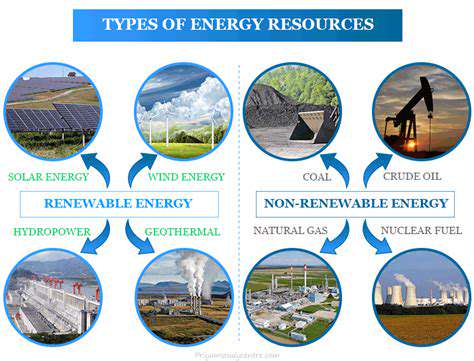
Innovative Technologies Driving Energy Efficiency
- Integration of smart grid technology to optimize energy consumption.
- Advancements in energy-efficient hardware reducing power usage.
- Research on sustainable battery technologies enhancing lifespan and performance.
As the demand for consumer technology continues to rise, companies are increasingly adopting innovative technologies that prioritize energy efficiency. One area undergoing significant transformation is the integration of Smart Grid Technology. This technology enables the real-time monitoring of energy usage, allowing consumers to adjust their behaviors and reduce consumption during peak hours. Research indicates that implementing smart grid solutions can lead to up to a 15% reduction in energy demand in residential settings.
Additionally, advancements in hardware design have greatly contributed to lower energy consumption. For instance, companies are now producing devices with energy-efficient processors and screens that utilize less power while maintaining high performance. This is not just a temporary trend; experts predict that by 2025, Energy-Efficient Devices will account for over 50% of the total consumer electronics market.
The Role of Government Regulations and Incentives
Government regulations play a critical role in shaping the landscape of energy-efficient technology initiatives. Policies like the Energy Star program provide essential guidelines that motivate manufacturers to comply with energy efficiency standards. These regulations significantly influence product design and innovation, ensuring that energy consumption is a key consideration in the development process. Moreover, breaks and tax incentives for companies investing in renewable energy sources further enhance the adoption of these technologies.
In addition to regulations, many countries have launched incentive programs encouraging consumers to invest in energy-efficient appliances. For example, rebates for purchasing Energy Star-rated products can alleviate upfront costs, making the transition to energy-efficient solutions more appealing. This dual approach of fostering both producer and consumer engagement creates a sustainable ecosystem beneficial for the environment and the economy.
Sustainable Materials and Ethical Sourcing

Understanding Sustainable Materials
- Sustainable materials reduce environmental impact significantly.
- Natural fibers and recycled products play a crucial role in sustainability.
- Certification programs ensure that materials meet ethical standards.
Incorporating sustainable materials in consumer technology is essential for minimizing environmental impacts. The shift toward renewable resources such as bamboo, hemp, and recycled plastics is gaining traction. Companies like Apple and Dell have started implementing these materials in their products to create a smaller ecological footprint.
Moreover, adopting certified materials can ensure ethical sourcing practices. Certifications such as FSC for wood products or GOTS for organic textiles help consumers make informed decisions. By favoring these materials, consumers support responsible producers and encourage ethical supply chains.
The Importance of Ethical Sourcing
Ethical sourcing refers to the responsible sourcing of materials, ensuring that the entire supply chain maintains social and environmental standards. It includes considerations like fair labor practices and environmental stewardship. Increasingly, tech companies are recognizing that their reputation depends on how ethically they source their materials.
Recent studies indicate that over 70% of consumers are willing to pay more for products that are ethically sourced. This shift impacts market dynamics, pushing businesses to evaluate their supply chains closely. Companies like Fairphone exemplify a commitment to ethical sourcing, focusing on conflict-free materials and fair wages for workers.
Consumer Awareness and Responsibility
Understanding Consumer Rights in the Digital Age
In today's fast-paced digital landscape, consumers often encounter complex terms and conditions when purchasing technology. Understanding your rights is crucial. For instance, under the Consumer Rights Act 2015 in the UK, products must be fit for purpose, which extends to technology. This legislation ensures that consumers can return faulty devices without facing undue challenges.
Furthermore, awareness of warranty and return policies is essential. Many companies offer limited warranties that might not cover all types of damage or misuse. It's vital for consumers to read the fine print before making a purchase to avoid surprises later. Knowledge of these rights empowers consumers to make informed choices.
Environmental Impact of Consumer Technology
The Environmental Impact of Consumer Technology is staggering. According to a report from the Global e-Sustainability Initiative, the ICT sector contributes about 2-3% of global greenhouse gas emissions. This significant figure highlights the need for conscious consumer behavior aimed at sustainability. As technology continues to evolve, so does its ecological footprint.
Moreover, many electronic devices end up in landfills, contributing to rising e-waste. By 2040, it's estimated that the volume of e-waste could reach 74 million metric tons annually. Consumers have a responsibility to recycle properly and consider manufacturers' recycling programs, which can help mitigate these environmental consequences.
Informed Purchasing Decisions
Making informed purchasing decisions begins with understanding product specifications and sustainability credentials. Labels such as Energy Star or EPEAT can guide consumers towards energy-efficient options. Researching brands' sustainability practices through platforms like EcoWatch provides a clearer picture of how companies engage with environmental issues.
It's also valuable to look for repairability scores or modular designs in technology products. The Right to Repair movement advocates for consumer access to repair information and spare parts. Choosing products that are easier to repair not only saves money but also reduces waste, prolonging the life of electronic devices.
The Role of Companies in Promoting Sustainability
Companies play a critical role in shaping consumer awareness and responsibility regarding sustainability. Many tech companies are publishing sustainability reports outlining their carbon footprints and strategies for reducing them. For instance, Apple has committed to becoming carbon neutral across its entire supply chain by 2030, showcasing how corporate responsibility can lead to broader industry change.
Additionally, companies that prioritize transparency attract more consumers who are increasingly concerned about ethical practices. This growing trend influences brands to adopt more sustainable practices, ultimately benefiting both consumers and the environment.
Consumer Education and Resources
Educating consumers about sustainability in technology is essential for fostering responsible consumption. Numerous resources are available that provide insights into sustainable practices, from online courses to webinars hosted by environmental organizations. Websites like Consumer Reports offer tips on choosing eco-friendly products and maintaining them properly.
Moreover, communities can benefit from local workshops aimed at teaching skills such as electronic repair, promoting a culture of sustainability and encouraging a shift from the throwaway culture. Engaging in community-led initiatives can significantly enhance awareness and influence sustainable choices among consumers.
Behavioral Changes for Sustainability
To actively promote sustainability, consumers should adopt conscientious behavior changes. This can include opting for refurbished devices rather than new ones, thereby reducing demand for new manufacturing. Statistically, refurbished technology can save up to 40% of the environmental cost associated with new devices.
Moreover, consumers can practice minimalism by carefully evaluating their technology needs. Limiting the number of devices owned not only reduces waste but also encourages a culture of mindfulness regarding usage. This shift can significantly contribute to sustainability efforts in the long run.
The Future of Consumer Responsibility in Technology
The future of consumer responsibility in technology is leaning towards increased participation in sustainability movements. As awareness grows, consumers are likely to demand more from brands, pushing for more sustainable practices and products. Social media campaigns and online petitions can amplify consumer voices, prompting companies to respond to consumer demands for eco-friendly solutions.
Additionally, we can expect regulatory shifts promoting transparency in product lifecycles, pushing brands to innovate sustainably. Engaging in discussions and advocating for responsible consumption will solidify consumer influence on technology manufacturers, showcasing the power of informed consumer choices in shaping a sustainable future.
The Future of Sustainable Technology
Technological Innovations Driving Sustainability
Renewable energy sources, such as solar and wind power, have seen significant technological advancements. These innovations are making renewable energy sources more efficient, affordable, and accessible, allowing consumers to reduce their carbon footprint. For instance, improvements in solar panel technology, like bifacial panels, can capture sunlight from both sides, increasing energy output and efficiency.
Moreover, energy storage solutions, such as advanced lithium-ion batteries and emerging solid-state batteries, have developed rapidly, enabling better utilization of renewable resources. A recent report from the International Energy Agency highlights that energy storage capacity is projected to grow exponentially by 2030, supporting a transition toward grid reliability and sustainability.
Moreover, emerging technologies like blockchain are being explored to enhance transparency in supply chains, thus ensuring that sustainable practices are followed. This has implications not only for manufacturers but also for consumers who want to make informed decisions about their purchases.
The Role of Consumer Behavior in Sustainable Technology
Modern consumers are increasingly aware of sustainability issues, and this awareness is influencing their purchasing decisions significantly. A Nielsen survey indicates that around 66% of global consumers are willing to pay more for sustainable brands, emphasizing the growing importance of ethical considerations in market dynamics.
Additionally, the trend of minimalism has gained traction, encouraging consumers to opt for quality over quantity. This shift has led many technology companies to develop durable products that are easier to repair, thus reducing waste. Brands that prioritize sustainability in product design are likely to gain market traction and consumer loyalty.
Regulatory Framework Supporting Sustainable Tech
Government policies play a crucial role in promoting sustainable technology. Various countries have implemented regulations aimed at reducing carbon emissions and advancing green technology. For instance, the European Union’s Green Deal aims to make Europe the first climate-neutral continent by 2050, with stringent measures that incentivize companies to innovate sustainably.
Furthermore, the importance of extended producer responsibility (EPR) policies is growing. EPR requires manufacturers to be accountable for the entire lifecycle of their products, encouraging practices like recycling and waste reduction. This regulatory framework can catalyze change in the consumer technology sector.
To succeed in this evolving landscape, companies need to stay informed on regulatory trends and adapt their business models accordingly, ensuring alignment with emerging sustainability criteria.
Challenges to Sustainable Technology Adoption
While progress in sustainable technology is evident, various challenges impede widespread adoption. One significant barrier is the initial cost of green technologies. Although prices for renewable energy systems have declined, the upfront investment can still be a deterrent for many consumers and businesses.
Another challenge is consumer awareness. Despite a growing shift toward sustainability, not all consumers understand the benefits of adopting sustainable technologies. Ongoing education and outreach by both government and industry stakeholders are essential to bridge this knowledge gap and drive adoption.
Future Trends in Sustainable Consumer Technology
As sustainability becomes a critical concern for both individuals and organizations, specific trends are anticipated to shape the future landscape. The rise of smart technologies, for instance, will likely facilitate energy efficiency in homes. Smart meters and home automation systems enable better energy management based on real-time consumption data.
Furthermore, the proliferation of eco-friendly materials in product design is expected to grow. Companies are now exploring bioplastics and recyclable materials to reduce their dependence on fossil fuels and enhance the recyclability of their products, aligning with consumer expectations for greener alternatives.
Additionally, circular economy models are gaining traction, where products are designed with their end-of-life in mind, encouraging reuse, repair, and recycling. This trend is not just beneficial for the environment; it promotes innovation within the supply chain, potentially steering businesses toward new revenue streams.
Corporate Responsibility and Partnerships
As the focus on sustainability intensifies, corporate responsibility has become increasingly important. Businesses are now expected to take proactive measures in their operations to minimize environmental impact. This includes setting science-based targets for carbon footprints and investing in research and development for greener technologies.
Moreover, partnerships between technology companies, non-profits, and governmental organizations can be instrumental in driving large-scale change. Collaborative efforts can lead to significant advancements in consumer technology sustainability. For instance, tech companies are teaming up with environmental organizations to promote responsible recycling initiatives, thus ensuring that end-of-life products are handled properly.
The Importance of Education and Awareness in Sustainability
Education is vital in promoting sustainability in consumer technology. Schools and universities are increasingly incorporating sustainability into their curriculums, equipping future generations with knowledge about innovative technologies that prioritize the planet. Online courses and workshops are also available, making sustainable practices more accessible to a broader audience.
Consumer education campaigns launched by organizations can significantly impact how sustainable technologies are perceived and adopted. Transparency in the impact of these technologies and clear communication about their benefits can drive interest and foster a culture of sustainability in everyday technology usage.
Read more about Sustainability in Consumer Technology
![Review: The Newest Smart Thermostats [Energy Saving & Features]](/static/images/25/2025-07/ExploringtheLatestSmartThermostatModels.jpg)







Hot Recommendations
- Business Laptops Buying Guide
- Development Trends to Watch
- Digital Note Taking Tools Compared
- Future of Cloud Gaming Explained
- 4K vs 1440p Monitors: Which Should You Buy
- Best Wireless Earbuds Compared
- How Chip Technology Is Evolving
- How to Read and Trust Tech Reviews
- Smartphone Storage Technologies Explained
- How Laptop Specs Affect Real Performance