Best Noise Canceling Devices for Work
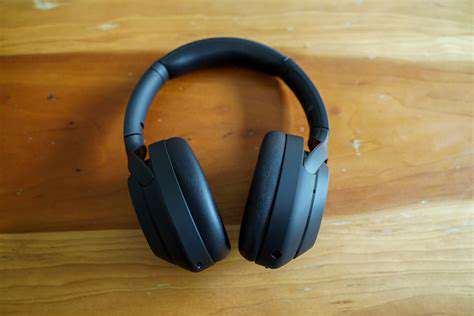
1. The Science Behind Noise-Canceling Technology
Noise-canceling headphones operate primarily through two technologies: passive noise isolation and active noise cancellation. Passive noise isolation involves the use of physical barriers to block out external sound, while active noise cancellation uses microphones and speakers to create sound waves that neutralize unwanted noise. This combination allows for a more immersive audio experience, making it essential for concentration in noisy environments.
Research has shown that active noise-canceling headphones can reduce ambient noise levels by up to 30 decibels, significantly affecting work performance. This feature is particularly useful in open office spaces where distractions can hinder productivity.
2. Key Features to Look For
- Sound Quality
- Battery Life
- Comfort and Fit
- Durability
- Connectivity Options
When selecting noise-canceling headphones, consider looking for features that align with your specific needs. Sound quality should be paramount, as not all noise-canceling headphones deliver the same audio performance. Opting for models with high-fidelity audio reproduction will enhance both music enjoyment and clarity of voice calls.
Battery life is another crucial factor. Many models offer a range from 15 to over 40 hours of use on a single charge, which is essential for lengthy work sessions without interruption.
3. Top Models for Professional Use
Some of the industry leaders in noise-canceling headphones include brands like Bose, Sony, and Apple. Each brand offers distinct advantages; for instance, Sony's WH-1000XM4 is well-regarded for its superior noise cancellation and personalized sound settings. This model is perfect for those who require extensive customization in their audio preferences.
Additionally, Bose's QuietComfort 35 II is favored for its comfort and long battery life, making it ideal for extended use during work hours. Users often report that these headphones can be worn for hours without discomfort, positively impacting productivity.
Apple's AirPods Max also entered the market with impressive features, although some users believe they come at a higher price point. Yet, the seamless integration with other Apple devices offers unique advantages for those already embedded in the Apple ecosystem.
4. The Impact of Noise-Canceling Headphones on Productivity
Using noise-canceling headphones can have a profound impact on workplace productivity. Studies indicate that employees wearing noise-canceling devices often report increased focus and reduced distraction levels. This suggests that by minimizing external noise, individuals can complete tasks faster and with greater accuracy. Therefore, incorporating Noise-Canceling Technology could be a significant investment for businesses aiming to boost overall output.
5. Health Considerations
While noise-canceling headphones provide numerous benefits, it’s also essential to consider potential health implications. Long-term exposure to loud volumes can lead to hearing damage, and it is crucial to maintain a responsible listening level. Audiologists recommend adhering to the 60/60 rule: listening at 60% volume for no more than 60 minutes at a time.
Furthermore, while engaging with noise-canceling features, users should be aware of their surroundings, particularly in public or hazardous environments. It’s a delicate balance between enjoying high-quality sound and staying safe.
6. Comparing Wired vs. Wireless Noise-Canceling Headphones
The choice between wired and wireless noise-canceling headphones comes down to personal preference and intended use. Wired options generally provide a consistent audio quality without battery dependency but may come with the inconvenience of managing cords during use.
On the other hand, wireless headphones offer remarkable freedom of movement, which is advantageous for multitasking. Many modern wireless models do not sacrifice audio quality, thanks to advancements in Bluetooth technology. However, users should pay attention to battery life, which can influence their experience.
7. Maintenance and Care for Longevity
Proper maintenance can significantly extend the life of noise-canceling headphones. Users should regularly clean their headphones to remove dust and debris that can impair performance. Using a soft cloth with mild soap is recommended for this purpose. Additionally, maintaining the battery health is crucial; avoid letting the battery drain completely before recharging regularly.
Finally, storing headphones in a protective case can prevent physical damage when not in use. Investing in a good case not only protects the device but also promotes longevity, ensuring you get the best value for your purchase.
2. Noise-Canceling Earbuds for Portability
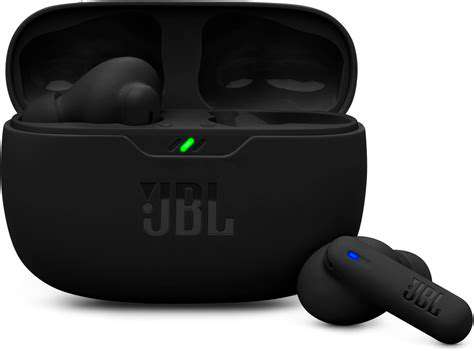
Advantages of Noise-Canceling Technology in Earbuds
Noise-canceling earbuds provide numerous benefits that enhance the overall listening experience. One significant advantage is their ability to reduce ambient noise effectively. This feature is particularly useful in busy environments like offices, coffee shops, or public transportation. By using active noise cancellation (ANC) technology, these earbuds can detect external sounds and create sound waves that counteract them, allowing users to focus better on their tasks at hand.
Some models also include a transparency mode, which enables users to hear their surroundings when necessary. This feature is essential for safety, especially when commuting or in meetings where awareness of one’s environment is crucial. Overall, the ability to toggle between complete isolation and ambient awareness is a significant selling point for many professionals.
Choosing the Right Noise-Canceling Earbuds for Your Needs
When selecting noise-canceling earbuds, consider factors such as battery life, comfort, and connectivity options. For instance, longer battery life allows for extended usage during workdays or travel without constantly worrying about recharging. Additionally, comfortable design is vital for all-day wear, preventing discomfort that can hinder productivity.
- Look for battery life that exceeds 20 hours on a single charge for convenience.
- Choose a comfortable fit that includes various ear tip sizes for the best sound isolation.
- Evaluate connectivity options, such as Bluetooth range and multi-device pairing capabilities.
Price is another consideration, as high-end models often offer superior sound quality and more advanced features. However, several mid-range options provide excellent value without sacrificing performance. It's important to Find a balance between your budget and essential features that meet your specific needs. Read user reviews and expert recommendations before making a purchase for better insight into performance and reliability.
3. Noise-Canceling Desktop Microphones: For Crystal Clear Calls
Understanding Noise-Canceling Technology
Noise-canceling technology in microphones operates by analyzing background noise and generating sound wave patterns that effectively cancel it out. This technology is particularly crucial in noisy environments, such as crowded offices or open-plan workspaces, where distractions can detract from productivity. Manufacturers often employ two types of noise cancellation: passive, which involves physical barriers, and active, which utilizes electronic processing.
Research indicates that active noise cancellation can reduce unwanted ambient sounds by up to 20 decibels. This capability significantly enhances the clarity of voice during calls, making conversations more intelligible, especially in settings with multiple simultaneous sound sources. Thus, understanding the underlying principles of noise-canceling technology is vital for choosing the right desktop microphone for professional use.
Top Features of Noise-Canceling Microphones
When selecting a noise-canceling microphone, several features should be carefully evaluated. First, look for directional microphones, which are designed to capture sound from a specific direction while minimizing noise from other angles. This feature is integral for ensuring only your voice is heard during calls.
Another important aspect to consider is the connection type—USB or XLR connections offer different levels of compatibility and sound quality. Additionally, look for models with adjustable gain controls, allowing you to tailor sound sensitivity according to your environment. These features collectively enhance user experience and productivity during virtual meetings.
Popular Noise-Canceling Models on the Market
Among the leading noise-canceling desktop microphones, brands such as Blue Yeti and Audio-Technica AT2020 are often recommended due to their superior sound quality and advanced features. The Blue Yeti, for example, offers multiple polar patterns, making it versatile for various recording scenarios. Meanwhile, the Audio-Technica model is celebrated for its durability and professional-grade audio capture.
Another noteworthy mention is the Logitech Blue Snowball, which strikes a balance between affordability and performance, making it a popular choice for home offices. Reviews consistently highlight these microphones for their clarity, making them suitable for video conferencing and content creation alike.
Benefits of Using Noise-Canceling Microphones for Work
The primary benefit of incorporating a noise-canceling microphone into your work setup is the drastic improvement in call quality. Clear audio enhances communication and prevents misunderstandings, which can occur frequently in a noisy environment. Establishing clear lines of communication is essential in both professional and client interactions.
Moreover, utilizing such microphones can improve overall productivity by eliminating distractions. When team members can hear each other without interference, collaboration becomes more efficient. In addition, research shows that reducing noise fatigue can increase focus and prevent burnout, promoting a healthier work environment.
Considerations When Choosing a Noise-Canceling Microphone
Choosing the right noise-canceling microphone requires careful consideration of several factors specific to your work needs. First, think about the primary environment in which you will be using the microphone—deal with office noise, home distractions, or virtual events all lead to different requirements. Understanding your primary use case will assist in narrowing down the most suitable options.
Next, your budget plays a significant role in your selection process. While many affordable options provide great performance, investing in a high-end model may yield impressive long-term benefits, particularly for frequent users. Always read user reviews and compare features before making a decision; personal testimonials can provide invaluable insights. Additionally, consider warranty and customer support availability, as these factors contribute to overall satisfaction with your purchase.
Best Practices for Using Noise-Canceling Microphones
Once you have chosen the ideal noise-canceling microphone for your workspace, implementing best practices ensures you maximize its potential. First, position your microphone properly—ideally, it should be about six to twelve inches away from your mouth for optimal sound capture without distortion. Utilize pop filters to minimize plosive sounds that can occur when pronouncing certain consonants.
Regular maintenance is also crucial for keeping your microphone in top shape. This includes cleaning the microphone and ensuring the connections are secure. Additionally, familiarize yourself with the microphone settings and features to adapt to different environments and choose the best options to enhance your audio experience.
4. Office Noise-Canceling Devices: Beyond Headphones
Understanding Active Noise Cancellation Technology
Active noise cancellation (ANC) technology is not just limited to headphones; it can also be found in various office devices designed to improve work environments. ANC works by using microphones to pick up ambient noise and generating sound waves that are the exact opposite, effectively canceling unwanted sounds. For example, devices like sound masking machines utilize this technology to create a consistently pleasant background hum that minimizes distractions.
Recent studies suggest that workplaces utilizing noise-canceling devices can enhance employee focus and productivity by up to 30%. This improvement is crucial in open office designs, which are prevalent in many modern workspaces, highlighting the need for effective noise management solutions beyond traditional headphones.
Types of Office Noise-Canceling Devices
There are several types of noise-canceling devices specifically designed for office use. Sound masking systems are one of the most popular options. These systems distribute a low-level ambient sound that effectively reduces the intelligibility of speech, making conversations less disruptive. This is particularly useful in areas where confidential discussions frequently take place.
Additionally, specialized desk dividers equipped with sound-absorbing materials can also serve as effective noise barriers. These materials, such as acoustic foam or fabric, help to absorb sound waves, reducing overall noise levels within a workspace. Employing such solutions can promote a quieter and more focused work environment.
Benefits of Using Noise-Canceling Devices in the Workplace
The implementation of noise-canceling devices in the workplace comes with numerous benefits. Aside from increased concentration and productivity, these devices can lead to a significant reduction in stress levels, which is often linked to a noisy work environment. According to the American Psychological Association, excessive noise can contribute to chronic stress and reduced job satisfaction, underscoring the importance of noise control.
Considerations When Choosing Noise-Canceling Devices
When selecting noise-canceling devices for office use, several factors should be considered. The effectiveness of the device in specific environments, its maintenance requirements, and cost-effectiveness are all crucial aspects. For instance, sound masking systems may require regular adjustments and tuning to maintain optimal performance.
Moreover, it's essential to consider the layout of your workspace. Open-plan offices, for example, may benefit more from extensive sound masking systems, while smaller, enclosed spaces might only need individual desk dividers. Assessing your workplace's specific needs is vital for maximizing the benefits of noise-canceling devices.
Lastly, user comfort and style should not be overlooked, especially as many employees spend several hours in their chosen settings. Devices that blend aesthetics with functionality might have a better acceptance among staff, further encouraging their usage.
Future Trends in Noise-Canceling Technology for Offices
The future of noise-canceling technology in office environments looks promising, with continuous advancements in design and effectiveness. Emerging trends include the integration of artificial intelligence (AI) that can adaptively adjust sound masking levels based on real-time noise detection. Such smart systems will make personalized acoustic environments more feasible, allowing for individualized control over workspaces.
Moreover, there is potential for incorporating IoT connectivity into noise-canceling devices. This could provide users with data analytics on noise levels throughout the day, allowing for proactive approaches to managing sound disturbances. As businesses lean increasingly towards employee wellbeing, investing in next-generation noise-canceling technology could be a pivotal step for future-oriented companies.
5. Smart Home Devices with Noise-Canceling Features
Understanding Noise-Canceling Technology
Noise-canceling technology uses microphones to detect ambient sounds in your environment. Once identified, sound waves are produced to neutralize these noises, effectively creating a quieter auditory space. This mechanism allows users to focus better on tasks, whether working from home or in an office setting.
There are two primary types of noise cancellation: active and passive. Active noise canceling involves electronic circuitry and is typically found in headphones. Passive noise canceling includes sound-isolating designs that block out noise through physical means, such as ear cups that fit snugly over the ears. Understanding these differences can help you select the right devices for your needs, providing an informed choice.
Key Features of Smart Home Devices
Smart Home Devices with noise-canceling features often come equipped with integrated sensors that adapt to your environment. These devices can adjust their performance based on factors like the level of background noise, ensuring optimal functionality. For instance, a smart air purifier can enhance its noise cancellation based on the decibel levels it detects in real time, making the home workspace more conducive to productivity.
Popular Smart Devices with Noise-Canceling Capabilities
Several smart home devices on the market today incorporate noise-canceling technology. For example, smart speakers like Amazon Echo Studio and Google Nest Audio utilize advanced algorithms to minimize background noise while providing high-quality audio streaming. These devices not only enhance your listening experience but also contribute substantially to creating a focused work environment.
Additionally, smart thermostats, such as the Ecobee SmartThermostat, often feature compatibility with smart home systems. This allows them to incorporate sound management alongside their temperature controls, resulting in an overall quieter home atmosphere ideal for concentration. The combination of such features makes these devices essential for productivity-focused individuals.
Choosing the Right Noise-Canceling Device for Your Workspace
When selecting a noise-canceling smart home device, consider the specific types of noise you wish to eliminate. If you often deal with low-frequency sounds like air conditioning units or exterior traffic, opt for devices designed with effective low-frequency cancellation. Research findings indicate that targeting specific sound frequencies markedly enhances the efficacy of noise cancellation, tailoring the comfort levels to personal preferences.
Furthermore, one should take into account the compatibility with existing smart home systems. The ideal choice would be a device that seamlessly integrates into your current setup, allowing for automation and remote control via mobile applications, which is not just convenient but also enhances user engagement.
Potential Drawbacks and Limitations
While noise-canceling smart home devices offer numerous benefits, it's essential to acknowledge their limitations. Notably, certain devices may struggle with sharp or sudden noises, such as the sound of a door slamming or loud conversation. Understanding the limitations of the chosen technology can help set realistic expectations and prevent disappointment.
Additionally, price can be a significant factor, as advanced models equipped with high-end noise-cancellation features tend to be more expensive. Balancing your budget with the desired features is crucial; sometimes, a mid-range option may effectively meet your needs without overspending. Assessing one’s specific requirements can guide a well-informed and sensible decision.
Read more about Best Noise Canceling Devices for Work
![How to Boost Your Productivity with [Specific App Name]](/static/images/25/2025-05/CollaborationandTeamManagementforEnhancedWorkflow.jpg)









Hot Recommendations
- Best Tablets for Education
- Apple Watch vs Android Smartwatches
- Best Bluetooth Headphones for Work and Travel
- When to Upgrade Your Tech Devices
- The Total Cost of Owning Tech Devices
- Sustainability in Consumer Technology
- Future of AI Driven Products
- Apple Ecosystem vs Android Ecosystem
- Ultrabook vs Gaming Laptop: Key Differences Explained
- Laptop Display Technologies Explained