Future of Wearable Technology

Data Protection Regulations and Compliance
- Regulatory frameworks like GDPR emphasize the importance of user consent.
- Wearable technology must comply with multiple international data protection laws.
- Fines for non-compliance can be severe, impacting company reputation and finances.
As wearable technology becomes increasingly integrated into daily life, compliance with data protection regulations has become paramount. The General Data Protection Regulation (GDPR), for instance, emphasizes the necessity of obtaining explicit consent from users before collecting personal data. Companies must also ensure they are transparent regarding what data is collected and how it will be used.
Different regions have their own set of privacy laws. For instance, the California Consumer Privacy Act (CCPA) gives consumers more control over their personal information. As a result, wearable manufacturers must navigate a complicated landscape of regulations to ensure they remain compliant and avoid hefty fines.
Potential Security Vulnerabilities
Another significant challenge facing the wearable technology sector is security vulnerabilities. With increased connectivity comes the risk of cyberattacks and data breaches. Research indicates that over 50% of connected devices exhibit serious security flaws. These vulnerabilities can expose sensitive user information, ranging from health data to location tracking, potentially resulting in serious privacy infringements.
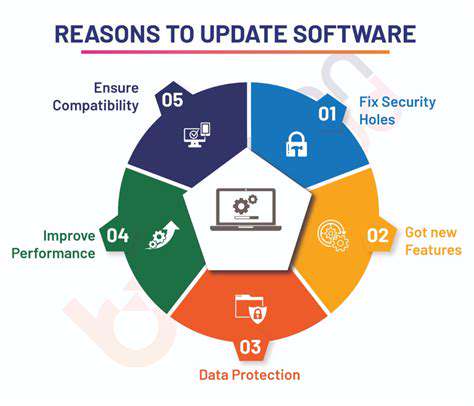
Companies must prioritize security from the design phase, implementing robust encryption methods and regular software updates. Moreover, user education on how to secure their devices is critical to fostering a safer ecosystem for wearable technology.
Innovative solutions such as blockchain technology could play a vital role in enhancing security. By enabling decentralized data management, blockchain may mitigate risks associated with centralized data storage.
User Awareness and Education
User awareness is often overlooked in discussions about privacy and security. Many consumers may not fully understand the implications of sharing their data with wearable technology. It's essential for companies to invest in educational initiatives that inform users about the data they are sharing and their rights. Clear communication can build trust and empower users to make informed decisions about their digital lives.
Workshops, webinars, and informational materials can serve as effective avenues to educate users. For example, brands could host interactive sessions that teach users how to modify privacy settings or protect their data better. Ultimately, fostering an informed user base is crucial for addressing privacy concerns in wearable technology.
The Road Ahead

Technological Advancements in Wearables
- Miniaturization of sensors and components.
- Integration of AI and machine learning capabilities.
- Enhanced battery technology.
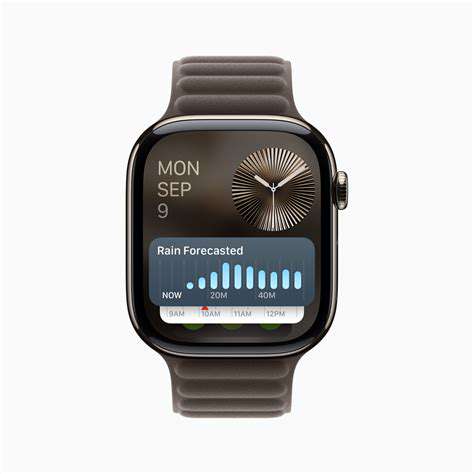
Recent advancements in miniaturization have allowed manufacturers to create smaller and more powerful devices. With the reduction in size, wearables can now include a variety of functionalities without compromising on comfort. For example, smartwatches today can host GPS, heart rate monitors, and even ECG capabilities—all fitting comfortably on your wrist.
Moreover, the integration of artificial intelligence and machine learning is transforming wearables into personal health assistants. These technologies enable wearables to analyze data more efficiently and provide real-time insights into users' health, leading to better-informed decisions.
Market Trends and Growth
The wearable technology market is predicted to reach USD 250 billion by 2025, showing a significant growth trajectory. Factors such as increasing health consciousness among consumers and the rising incidence of chronic diseases are driving this trend. As people seek solutions for proactive healthcare, wearables are positioned to be essential tools.
Moreover, companies are increasingly focusing on specialized wearables beyond fitness, aiming at a wider audience. Innovations like smart glasses for augmented reality demonstrate the potential for wearables in various sectors, including education and entertainment.
Health Monitoring and Prevention
Wearable devices are increasingly being recognized for their role in health monitoring and prevention. Studies indicate that wearables may help reduce healthcare costs by providing users with insights that encourage healthier lifestyles. For example, smartwatches can track heart rate variability, allowing users to maintain more stable cardiovascular health.
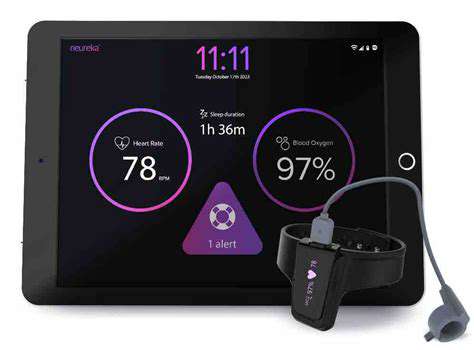
The real-time data provided by these devices can alert users to potential health issues early on. A user who notices unusual patterns in their heart rate, for instance, can seek medical advice sooner, ultimately leading to better health outcomes. This shift towards proactive health management can significantly influence public health policies.
Challenges and Considerations
Despite the promising growth of wearable technology, there are challenges to consider. Privacy and data security remain key concerns that users grapple with. Many wearables collect and store sensitive health data, leading to potential risks if that information is inadequately protected.
Additionally, the accuracy of data collected by wearables can vary significantly across devices. Inconsistent data may lead to misleading conclusions regarding user health, making device choice crucial for effective monitoring. As such, conducting thorough research and opting for reputable brands is highly recommended.
The Future Landscape
Looking ahead, the future of wearable technology appears bright with ongoing investment and innovation. Predictions indicate a rise in interoperability between devices, allowing wearables to communicate with each other for a more comprehensive data analysis. Smart homes equipped with wearables will likely facilitate integrated health and environment monitoring.
Furthermore, as regulatory bodies increasingly recognize the significance of wearable tech in healthcare, expect more clear guidelines and standards. This evolution will not only promote safety but also encourage innovation, ultimately benefiting consumers. As we step into an era of interconnected health solutions, wearables will play a pivotal role.
Read more about Future of Wearable Technology
![Best Password Managers Compared [Security & Features]](/static/images/25/2025-05/AdditionalFeaturesandUserExperience.jpg)





Hot Recommendations
- Computer Vision in Autonomous Vehicles
- Marketing Claims vs Real Performance
- Best Tech for Social Media Creators
- How Innovation Shapes Tech Products
- Does More RAM Always Matter
- AI Hardware Acceleration Explained
- Becoming a Smarter Tech Consumer
- Foldable Smartphones: Are They Worth It
- Best Tech Setup for Online Classes
- Best Tablets for Work, Study, and Entertainment