Blockchain
Innovation
Financial Technology
Regulatory Compliance
DeFi
Automation
Regulation
Blockchain Technology

How Blockchain Is Changing Finance

List of Contents

  • Smart contracts automate agreements, enhancing transaction speed and efficiency.
  • Decentralized networks enable near-instant peer-to-peer transactions across borders.
  • Blockchain technology enhances financial transparency, reducing fraud and errors significantly.
  • Regulatory compliance is streamlined through tamper-proof records and real-time tracking.
  • Smart contracts increase trust by automating conditions without intermediaries.
  • DeFi disrupts traditional finance by providing direct access to financial services.
  • Liquidity pools offer passive income opportunities in decentralized finance.
  • DeFi poses challenges, compelling traditional finance to adapt to new demands.
  • Future trends include integrating AI and sustainability within the DeFi sector.
  • Blockchain reduces operational costs and promotes efficiency in financial processes.
  • Transparency in blockchain minimizes fraud risks through enhanced security measures.
  • Insurance benefits from blockchain through automation of claims and compliance processes.
  • Navigating regulations is crucial for global blockchain market entry success.
  • Engaging legal experts supports compliance in varying regulatory environments.

Enhancing Transaction Efficiency and Speed

EnhancingTransactionEfficiencyandSpeed

Streamlining Processes through Smart Contracts

  • Smart contracts automate agreements, reducing lag time between transactions.
  • These self-executing contracts perform tasks based on pre-defined conditions.
  • Efficiency is significantly improved as intermediaries are eliminated from the process.

Smart contracts are a transformative feature of Blockchain Technology. By automating agreements, they minimize the lag time that often occurs in traditional transactions. Once conditions are met, the contract self-executes, which expedites the overall process dramatically.

According to a study by the World Economic Forum, Smart Contracts can potentially save companies millions of dollars annually in transaction fees and administrative costs. This innovation also fosters trust, as the terms of the contract are transparent and immutable.

Enhancing Speed with Decentralized Networks

Decentralized networks are pivotal in speeding up financial transactions. Traditional banking systems often take several days to process transactions, especially across international borders. Blockchain, on the other hand, can facilitate peer-to-peer transactions almost instantly, regardless of geographical boundaries.

Numerous reports indicate that blockchain networks can handle thousands of transactions per second. This capability is a game-changer for industries relying on rapid transaction speeds, such as e-commerce or real estate. As more organizations adopt this technology, we can expect a significant decrease in transaction times and costs.

Improving Transparency and Trust

Understanding Blockchain's Role in Financial Transparency

Blockchain technology serves as a decentralized ledger that records transactions across many computers. This system ensures that records cannot be altered retroactively without altering all subsequent blocks and gaining consensus from the network. This property promotes transparency, as every transaction can be traced back to its origin while maintaining user anonymity. According to a report by Deloitte, organizations that adopt blockchain experience a significant reduction in fraud and errors compared to traditional systems.

Moreover, the visibility provided by blockchain can enhance trust between parties in financial transactions. For instance, in supply chain finance, stakeholders can track every step of a product’s journey, ensuring that agreements are upheld and funds are allocated appropriately. This transparency can lead to more stable relationships and increased trust among businesses, ultimately fostering a more reliable financial ecosystem.

The Impact on Regulatory Compliance

Regulatory agencies are increasingly recognizing the potential of blockchain for improving compliance with financial regulations. For instance, the ability to have a tamper-proof record of transactions can facilitate streamlined audits and enable regulators to monitor financial institutions more effectively. Recent studies suggest that implementing blockchain could save the financial sector up to $20 billion annually in compliance costs by minimizing paper trails and simplifying reporting requirements.

Adopting blockchain can also enhance anti-money laundering (AML) efforts. By adhering to guidelines established by the Financial Action Task Force (FATF), blockchain's traceability of funds allows for better tracking of suspicious activities. This increased scrutiny enables financial institutions to remain compliant while simultaneously curbing illegal activities, promoting a safer financial environment for all participants.

Building Trust Through Smart Contracts

Smart contracts are self-executing contracts where the terms of the agreement are directly written into lines of code on the blockchain. They automatically enact when predetermined conditions are met, reducing the need for intermediaries like banks or lawyers in transactions. This mechanization not only speeds up transactions but also minimizes the possibility of human error, thus bolstering trust among parties involved. According to a 2021 study by PwC, businesses using smart contracts report higher efficiency and reduced operational costs.

Challenges and Future Outlook

Despite the clear advantages, there are challenges in achieving widespread adoption of blockchain technology for Financial Transparency. One major issue is the varying regulations across jurisdictions, which can create ambiguity for companies. Organizations aiming to leverage blockchain must navigate this complex landscape carefully to ensure compliance. Furthermore, as cybersecurity threats evolve, ensuring the security of blockchain systems against attacks continues to be a critical concern for financial institutions.

Looking ahead, the future of blockchain in finance is promising. As technology matures and regulatory clarity improves, we are likely to see broader adoption across industries. Financial institutions will need to embrace blockchain to remain competitive, adapt to changing consumer demands, and leverage its transformative potential for building trust and enhancing transparency in the financial world.

Facilitating Decentralized Finance (DeFi)

Understanding Decentralized Finance (DeFi)

Decentralized Finance, commonly referred to as DeFi, represents a paradigm shift in financial services by utilizing blockchain technology. It facilitates peer-to-peer transactions without intermediaries, aiming to eliminate traditional banking hurdles. The framework of DeFi enables a broad range of financial activities, including lending, borrowing, trading, and earning interest on cryptocurrency holdings, all achieved in a secure manner without centralized control.

This financial model operates on platforms like Ethereum, where Smart contracts automate agreements without human intervention, enhancing both efficiency and trust. Importantly, DeFi has attracted significant investment, with the total value locked in DeFi protocols exceeding $170 billion as of late 2021. This rapid growth highlights the demand for innovative financial solutions and the limitations of existing systems, prompting a reevaluation of conventional banking practices.

The Role of Smart Contracts

Smart contracts are at the heart of DeFi, functioning as self-executing contracts with the terms of the agreement directly written into code. Their main advantage lies in transparency; users can verify agreements independently, reducing the risk of fraud and enhancing security. A recent study indicated that using smart contracts can significantly lower transaction costs, by up to 90%, compared to traditional banking infrastructures.

Because they operate on public blockchains, smart contracts also enhance accessibility to financial services for unbanked populations, who otherwise lack reliable access to traditional banking systems. The capabilities of smart contracts are continuously evolving, driving innovation in how financial products are created and managed.

Liquidity Pools and Yield Farming

Liquidity pools are another vital component of DeFi, allowing users to contribute their crypto assets to a shared pool, which other users can borrow from. In exchange, liquidity providers earn fees generated from these transactions, offering a new avenue for passive income. Yield farming goes a step further; it enables users to maximize their returns by relocating their funds between various DeFi protocols based on varying interest rates.

However, it's crucial to approach these opportunities with caution. The potential for high rewards in yield farming can entice investors but often comes with significant risks, such as impermanent loss or smart contract vulnerabilities. Consequently, thorough research and understanding of the underlying mechanisms are essential for anyone looking to engage in DeFi activities.

Impact on Traditional Finance

The emergence of DeFi poses significant challenges and opportunities for traditional finance systems. By democratizing access to financial services, DeFi has the potential to disrupt established banks and financial institutions, forcing them to innovate or risk obsolescence. As more users opt for decentralized solutions, traditional institutions must adapt by integrating digital currencies or adopting blockchain technologies.

Interestingly, a recent survey indicated that 80% of financial professionals believe that DeFi could eventually revolutionize the financial sector, showcasing a growing recognition of its potential. However, regulatory frameworks currently lag behind this evolution, necessitating proactive measures to protect consumers and assert stability in a rapidly changing financial landscape.

Future Trends in DeFi

As DeFi continues to evolve, several key trends are beginning to take shape that could influence its trajectory. One such trend is the growing integration of Artificial Intelligence (AI) with DeFi applications, which can enhance decision-making processes, risk assessment, and user experience. This combination is likely to streamline complex financial operations, making them even more user-friendly.

Moreover, sustainability is becoming an increasingly critical component of the DeFi dialogue. With the environmental impacts of some blockchain technologies under scrutiny, developers are exploring more eco-friendly alternatives that maintain efficiency without compromising on transaction speed. These future trends not only ensure the longevity of DeFi but also encourage responsible innovation within the sector.

Reducing Costs and Risks

ReducingCostsandRisks

Cost Efficiency Through Automation

One of the most significant advantages of using blockchain technology is its ability to streamline transactions and automate various financial processes. By eliminating intermediaries, blockchain reduces the costs associated with traditional banking methods, such as transaction fees and processing times. This results in lower costs for businesses and consumers alike.

According to a study by the World Economic Forum, blockchain could save the financial services industry up to $20 billion annually by 2022, mainly through reduced operational costs. This potential cost saving is achieved by automating tasks such as settlement processes, which typically require multiple steps and involvement of various parties.

Risk Mitigation through Transparency

  • Enhanced security through decentralization.
  • Improved fraud detection and prevention measures.
  • Greater accountability within transactions.

Blockchain provides a level of transparency that is unmatched by traditional systems. Every transaction is recorded on a distributed ledger and can be accessed by authorized parties, which greatly reduces the chances of fraud. This level of traceability means that any discrepancies can be quickly identified and addressed, minimizing financial risk. For instance, companies like Everledger are utilizing blockchain to track the provenance of diamonds, thus protecting against conflict stones.

Insurance and Compliance Innovations

Blockchain is revolutionizing the insurance sector by automating claims processing and policy management. Smart contracts can execute policy terms without human intervention, drastically reducing the time it takes to settle claims and increasing accuracy. Furthermore, the integration of blockchain within compliance measures means that regulatory requirements can be met more efficiently. This could lower the costs associated with penalties and audits.

Research from Accenture suggests that blockchain could save the insurance industry approximately $5 billion by simplifying regulatory compliance processes. Businesses that adopt blockchain technology will not only enhance their operational efficiency but also create stronger, trust-based relationships with customers and regulators.

Navigating Regulatory Challenges
NavigatingRegulatoryChallenges

Understanding Regulatory Landscapes

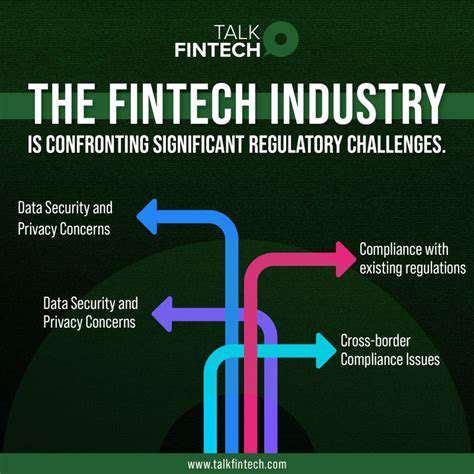
To effectively navigate the regulatory challenges posed by blockchain technology, it's vital to first understand the various Regulatory Frameworks That Apply across different jurisdictions. For instance, in the United States, agencies such as the SEC and CFTC have distinct guidelines affecting cryptocurrencies and blockchain applications. In the European Union, the implementation of the Markets in Crypto-Assets (MiCA) regulation is set to establish a clearer legal framework for crypto activities, showcasing the importance of locality in compliance.

The lack of uniformity in regulations can create significant hurdles for firms operating globally. In 2022, over 60% of blockchain startups cited regulatory uncertainty as a major barrier to market entry. This discrepancy across regions necessitates that organizations develop robust compliance strategies to monitor changes in legislation proactively. Staying informed can aid in better leveraging innovations while ensuring adherence to the law.

Strategies for Compliance and Adaptation

  • Develop a comprehensive understanding of applicable regulations.
  • Engage with legal experts specialized in blockchain technology.
  • Regularly audit compliance protocols to stay updated.

One effective strategy for compliance in the blockchain space is the implementation of robust internal policies that align with current laws. Establishing a dedicated compliance unit can help organizations adapt more swiftly when regulations evolve. Another consideration includes actively participating in industry groups and consortia, which often provide valuable insights into best practices and forthcoming regulatory changes.

Moreover, technology solutions such as Blockchain Analytics Tools provide organizations with capabilities to monitor transactions in real time. These tools can assist in detecting irregularities and ensuring that operations remain compliant with both local and international laws. In an era where transparency and accountability are critical, having these technological aids can bolster a company's credibility and operational integrity.

Read more about How Blockchain Is Changing Finance
A Comprehensive GuideBlockchain technology is a groundbreaking decentralized ledger system that enables secure and transparent record-keeping across multiple computers. This innovative architecture ensures data immutability, allowing participants to trust the integrity of the information stored. In this article, we dive into the core components, applications, challenges, and future prospects of blockchain technology. What is Blockchain Technology?At its essence, blockchain technology consists of blocks of data linked through cryptographic hashes, forming an unbreakable chain. Nodes—computers within the network—participate in transaction verification via consensus mechanisms such as Proof of Work and Proof of Stake, ensuring integrity and security. Key Components:- Blocks: Contain transaction data, timestamps, and the preceding block's hash.- Nodes: Verify and maintain the blockchain.- Consensus Mechanisms: Ensure all nodes agree on transaction validity. Applications Beyond CryptocurrencyBlockchain's applications extend far beyond cryptocurrencies. Sectors like finance, supply chain management, and healthcare explore ways to leverage its features for enhanced efficiency. Blockchain enables faster cross-border transactions, improves accountability in product tracking, and securely manages patient records. Challenges Facing AdoptionDespite its transformative potential, blockchain technology faces obstacles, including:- Scalability: Many networks struggle to handle high transaction volumes, leading to slower speeds and increased costs.- Regulatory Uncertainty: Inconsistent regulations worldwide create hesitance among businesses to adopt blockchain solutions.- Cybersecurity: Vulnerabilities exist within blockchain applications, calling for robust security frameworks. The Future of BlockchainAs blockchain technology evolves, we anticipate enhanced integration with other technologies like AI and IoT. Industry standards will likely emerge to facilitate interoperability, expanding blockchain use across multiple sectors. Embracing education and transparency will be key for businesses looking to leverage this technology effectively. ConclusionIn conclusion, blockchain technology signifies a monumental shift in data management, security, and operational efficiency. Early adopters stand to benefit immensely by understanding both the advantages and challenges that come with implementing blockchain. By addressing current hurdles and promoting collaborative innovation, we can pave the way for a more efficient and transparent digital future.Explore the intricacies of blockchain technology and its enduring impact on various industries. Stay updated with current trends and innovations to unlock the full potential of this transformative technology.
Apr 23, 2025
The Metaverse Explained: More Than Just Gaming
May 05, 2025
Best Continuous Integration/Continuous Deployment (CI/CD) Tools
Jun 09, 2025
How Blockchain is Impacting Digital Art Ownership (NFTs & Beyond)
Jul 05, 2025
Guide to Setting Up Parental Controls Online
Jul 30, 2025
How to Automate Tasks with [Specific Tool, e.g., Zapier]
Aug 05, 2025
Enhancing User Experience with Intelligent InterfacesIn today's digital landscape, intelligent interfaces play a pivotal role in shaping how consumers interact with technology. These advanced systems integrate Artificial Intelligence (AI) to boost usability, accessibility, and efficiency, creating highly tailored user experiences. By utilizing machine learning algorithms, businesses can predict user behaviors, resulting in a staggering 30% increase in task completion rates among users engaging with AI-driven interfaces. The Role of Machine Learning in UI DesignMachine learning transforms user interface (UI) design, enabling systems to learn continuously from past interactions. This iterative approach simplifies navigation and enhances overall user experience. With personalized algorithms capable of analyzing user behavior and identifying common paths, unnecessary steps can be removed, facilitating seamless interactions. Chatbots and Virtual Assistants AI has revolutionized customer service through chatbots and virtual assistants, which provide real-time assistance with 24/7 availability. These tools not only streamline operations but significantly enhance user experience by offering quick, human-like interactions. As reported, 80% of businesses plan to adopt chatbots by 2025, indicating their growing importance in consumer electronics. Data Privacy and User Trust With the rise of AI interfaces, data privacy concerns have come to the forefront. Users are increasingly aware of how their data is utilized, necessitating robust frameworks for data collection and storage. Companies need to prioritize transparency and implement measures like advanced encryption protocols to build trust with consumers. Future Trends in Intelligent Interfaces The future of intelligent interfaces appears bright, with advancements in technologies like deep learning and edge computing expected to result in even more personalized user experiences. Emerging innovations may include integrations with augmented reality (AR) for immersive experiences and wearable devices that provide real-time data analytics to engage users more effectively. Continuous Improvement is Key In the rapidly evolving electronics market, enhancing user experience through intelligent interfaces is vital for staying competitive. This requires a commitment to continuous improvement, adapting swiftly to user feedback and preferences. The ultimate goal is to create smart solutions that integrate seamlessly into users' lives, leveraging AI as a catalyst to drive innovation and enhance satisfaction.---Discover more about how intelligent interfaces are shaping the future of consumer technology by exploring our insightful articles and resources. Stay ahead of the technological curve and enhance your digital experiences today!
Feb 07, 2026
Transforming Industries with Blockchain Technology Overview Blockchain technology is revolutionizing various sectors, including supply chain management, healthcare, intellectual property, voting systems, and identity verification. This article discusses the transformative role of blockchain, enhancing efficiency, transparency, and security across these industries. Supply Chain Management The Role of Blockchain in Supply Chain TransparencyIn an era where consumers value ethical sourcing, blockchain technology provides businesses with the ability to trace products from raw materials to delivery. Major retailers like Walmart have adopted blockchain for food traceability, enhancing safety and accountability. Enhanced Efficiency through Smart ContractsSmart contracts simplify supply chain operations by automating processes, reducing errors and intermediaries. This innovation not only saves time but also significantly cuts costs. Real-time Data SharingWith blockchain and IoT integration, businesses can achieve real-time data sharing, allowing for rapid responses to market fluctuations, ultimately boosting operational efficiency. Case StudiesCollaborations, such as Maersk and IBM's TradeLens, demonstrate how blockchain enhances transparency in shipping. De Beers uses blockchain to ensure ethical diamond sourcing, catering to consumer demand for authenticity. Future TrendsBlockchain's growth in supply chain management is expected to continue as technology improves, promising enhanced transparency and efficiency. Healthcare Data Management Data Security and PrivacyAmidst rising data breaches, blockchain offers a secure solution for protecting patient data and ensuring confidentiality. Streamlining Patient RecordsBlockchain's unified ledger improves patient care by providing seamless access to medical histories across different healthcare providers. Reducing Fraud and MisdiagnosisBy utilizing decentralized ledgers, blockchain can combat healthcare fraud effectively while minimizing misdiagnosis risks. Enhancing Drug TraceabilityBlockchain's traceability feature aids in verifying the authenticity of medications, addressing the issue of counterfeit drugs. Facilitating Clinical TrialsBy maintaining transparent records, blockchain enhances data integrity in clinical trials, thereby expediting the development of new treatments. Intellectual Property Protection The Digital Age and IPRIn light of increasing digital content duplication, blockchain enhances intellectual property rights protection through transparency and immutability. Case Studies in IPRCompanies like Everledger and Audius utilize blockchain to secure ownership rights and enable transparent royalty distribution, addressing longstanding issues in IP management. Future TrendsTo optimize blockchain's potential, collaborations among creators, corporations, and governments are essential for establishing effective regulatory frameworks. Voting Systems Mechanics of Blockchain in VotingBlockchain voting systems provide secure, verifiable, and transparent voting processes while addressing traditional challenges like fraud. Real-World ApplicationsEstonia’s blockchain-based voting system demonstrates the efficacy and security of digital voting, but the technology faces challenges, including digital accessibility and cyber threats. Identity Verification Importance of Identity VerificationWith rising cyber threats, blockchain enhances identity verification processes, ensuring security in sectors from banking to healthcare. Revolutionizing Identity Verification with BlockchainBlockchain platforms like Sovrin offer decentralized identification, granting users control over their data while simplifying verification processes. Regulatory ComplianceBlockchain aids businesses in meeting KYC and AML regulations, bolstering consumer trust through auditable trails. Adoption ChallengesDespite its advantages, organizations must navigate technical expertise gaps and regulatory variances when implementing blockchain identity verification. ConclusionBlockchain technology presents unprecedented opportunities for innovation across multiple sectors, enhancing transparency, efficiency, and security while addressing contemporary challenges. As this technology continues to evolve, its adoption will reshape industries and enhance global practices.
Feb 07, 2026
AI Advancements, 5G Expansion, and Sustainable Technology InnovationsDiscover the transformative trends shaping the technological landscape across various industries, including groundbreaking advancements in artificial intelligence (AI), the global rollout of 5G technology, and innovative sustainable practices. Artificial Intelligence and Machine LearningRecent breakthroughs in deep learning, especially in natural language processing (NLP) and computer vision, are revolutionizing AI applications. With models like OpenAI's GPT-3 and Google's BERT raising the bar for language comprehension, businesses can enhance customer interactions through chatbots and automate content creation. Moreover, integrating transfer learning is making AI technology accessible to smaller organizations, fostering innovation in healthcare, finance, and education. Practical AI ApplicationsFrom improving disease diagnosis in healthcare to revolutionizing risk assessment and fraud detection in finance, AI is becoming indispensable across sectors. Reports indicate that AI-driven solutions significantly improve diagnostic accuracy and lead to a remarkable reduction in fraud losses for companies adopting machine learning practices. The Rapid Expansion of 5G TechnologyThe global expansion of 5G technology promises to enhance mobile connectivity, providing rapid internet speeds and reduced latency. Countries leading the charge in 5G rollout are set to experience substantial increases in connected devices, fueling consumer adoption and transforming industries such as telecommunications and transportation. Looking Ahead to 6GAs conversation shifts toward the exploration of 6G technology, which could bring stunning advancements in data speeds and connectivity for innovations including virtual reality and smart cities, businesses are encouraged to invest in infrastructure that supports this transition. Hybrid Work Technology SolutionsWith hybrid work environments gaining traction as employees seek flexible schedules, organizations must adapt by leveraging technology tools for communication and collaboration. Platforms like Zoom and Microsoft Teams, along with collaborative software, are essential for maximizing team productivity and streamlining project management. Data Security in a Hybrid ModelAs hybrid work becomes commonplace, robust data security measures are critical. Organizations must implement VPNs, encryption technologies, and multi-factor authentication to protect sensitive information. Prioritizing Cybersecurity and Data PrivacyCybersecurity threats are increasingly sophisticated, and organizations must prioritize comprehensive cybersecurity strategies to safeguard data. Innovations like AI-driven threat detection systems and employee training programs play pivotal roles in reducing vulnerability to cyber attacks. Navigating Data Privacy RegulationsCompliance with data privacy regulations such as GDPR and CCPA is essential for organizations. Non-compliance can result in substantial financial penalties and damage to reputation. Sustainable Technology InnovationsEmerging green technologies like advancements in solar energy, smart grids, and electric vehicles are shaping a more sustainable future. The circular economy emphasizes resource reuse, while innovations in energy storage solutions are crucial for optimizing renewable energy use. The Role of AI in SustainabilityAI is instrumental in resource management, optimizing energy efficiency across sectors, and enabling informed decision-making for reducing carbon footprints.As the technological landscape evolves, staying informed about these advancements is vital for professionals looking to leverage AI’s potential, enhance hybrid work strategies, and contribute to a sustainable future. Embrace the ongoing innovation and position yourself at the forefront of tomorrow’s technology.
Feb 08, 2026
The Impact of Cutting-Edge Technologies 1. Medical Imaging and DiagnosisAdvancements in medical imaging technology are transforming diagnostic procedures. Technologies like MRI and CT scans are now delivering higher resolution images, significantly reducing misdiagnoses. The integration of AI enhances this further, with studies showing up to 94% accuracy in detecting cancers. The utilization of 3D imaging is also paving the way for more precise surgical planning. Learn how AI and imaging tech are setting new standards in healthcare diagnostics. 2. Retail and Inventory ManagementIn retail, integrated management systems are revolutionizing productivity. Recent studies indicate a 20-30% efficiency increase among retailers utilizing these systems. Moreover, the rise of computer vision technology is optimizing inventory management, enabling automatic stock checks that reduce manual labor by over 50%. Such advancements not only enhance operational efficiency but also elevate customer experience, enabling personalized shopping through in-depth behavioral analysis. 3. Autonomous VehiclesThe autonomous vehicle industry is leveraging advanced technologies like LiDAR and radar for safer navigation. Despite challenges such as regulatory hurdles and public perception issues, companies are conducting real-world trials that reveal positive outcomes. Public trust and infrastructure adaptation will be vital in embracing this potential transformation in transportation, with expectations that by 2030, many new vehicles will feature full autonomy. 4. Agriculture and Crop MonitoringMonitoring crop health is essential for maximizing agricultural yields while minimizing resource usage. Technologies such as drones and computer vision can rapidly identify crop stress, leading to substantial cost savings. Advanced algorithms dissect vast data, providing farmers with actionable insights and promoting sustainable farming practices. Innovations in IoT and real-time data analysis are shaping an efficient agricultural future. 5. Security and Surveillance SystemsComputer vision is reshaping the security landscape with real-time threat detection capabilities. Utilizing deep learning techniques, these systems enhance identification processes and operational efficiency for security personnel. Though privacy concerns and challenges like false positives persist, the future of security relies on intelligent surveillance integrated with AI and IoT devices for a robust monitoring solution.--- Key TakeawaysEmbracing these advancements across various sectors promises enhanced efficiency, accuracy, and personalized experience. However, addressing ethical concerns, regulatory barriers, and technical challenges is essential for successful implementation. As industries adapt to new technologies, the focus on continuous learning, stakeholder engagement, and ethical practices will be pivotal in driving positive change.
Feb 10, 2026
Essential Digital Skills and Emerging TechnologiesIn today's digital age, possessing fundamental digital skills is vital for navigating both personal and professional landscapes. This article explores several key areas of digital competence, including the essentials of digital literacy, effective online communication, and emerging technologies like the Internet of Things (IoT), artificial intelligence (AI), and blockchain. Understanding Digital LiteracyDigital literacy goes beyond basic device operation. It includes the ability to assess online information critically, enhancing both personal safety and professional prospects. As industries increasingly integrate technology, enhancing digital skills through online courses, tutorials, and hands-on experience is indispensable. Core Computer Skills Mastering basic computer skills is crucial. Understanding operating systems and software applications, as well as practicing online searches and data management, can position individuals for career success. Additionally, being adept at file security, including recognizing phishing scams and utilizing cloud storage, is essential for safeguarding personal and professional information. Effective Online CommunicationWith the rise of remote interactions, mastering online communication has become more important than ever. Techniques including email etiquette, social media engagement, and video conferencing are essential in maintaining professionalism and positive reputations online. Understanding privacy settings also enhances secure interactions. Enhancing Online Research SkillsSuccessful online research is critical for both academic and personal decision-making. The ability to locate, evaluate, and synthesize information from reliable sources is a vital skill. Continuous practice through projects or targeted workshops can significantly improve research methodologies. Cybersecurity AwarenessAmidst increasing connectivity, awareness of cybersecurity threats is crucial. Understanding potential threats, such as malware, phishing, and data breaches, enables users to adopt protective measures. Implementing strong passwords, two-factor authentication, and keeping software updated can fortify defenses against cyber incidents. Introduction to IoTThe Internet of Things (IoT) represents a network of interconnected devices that communicate data seamlessly. Its applications range from smart home devices to healthcare innovations. The growing number of connected devices presents both opportunities and challenges in security and interoperability. AI Integration in Daily LifeArtificial Intelligence (AI) is revolutionizing user experiences through personal assistants, predictive algorithms in services, and improvements in various industries. While providing efficiency and personalized experiences, AI also brings challenges related to data privacy and algorithmic bias. Blockchain Technology ExplainedBlockchain technology serves as a foundation for cryptocurrencies and offers far-reaching possibilities beyond financial transactions. Its decentralized nature enhances data security and transparency across sectors, including finance, supply chain, and healthcare. However, challenges such as scalability and regulatory uncertainty remain. Cyber Threats and Safety PracticesAwareness of cyber threats is paramount for digital safety. Implementing best practices such as creating robust passwords, utilizing firewalls, and conducting regular data backups can safeguard against data loss and breaches. Continuous education and proactive measures are essential in maintaining a secure digital environment.As we continue to evolve in this digital landscape, cultivating these essential skills and understanding emerging technologies will empower individuals and organizations alike, paving the way for a more secure and innovative future.
Feb 14, 2026
When to Choose Blockchain or Traditional DatabasesBusinesses should evaluate their specific needs when choosing between database technologies. Traditional databases excel in applications requiring fast transaction speeds, such as e-commerce or healthcare data management. Blockchain is better suited for industries demanding transparency and data integrity, such as supply chain management and financial services. Cost ConsiderationsWhile implementing a blockchain solution can entail higher upfront costs, especially for small businesses, the long-term benefits may justify this investment. Traditional databases, on the other hand, often provide a cost-effective solution for small-scale operations. Conclusion: Making an Informed DecisionUltimately, the choice between blockchain and traditional databases should align with organizational goals. If transparency and security are paramount, blockchain is an excellent option. Conversely, if speed and flexibility are key, traditional databases may serve better. Understanding the inherent strengths and limitations of each technology will empower organizations to select the most appropriate database solution, ensuring competitive advantages in an evolving digital marketplace.
Feb 15, 2026
View Publication>>