Smartphone Display Technologies Explained
Understanding the Components of LCD Technology
Liquid Crystal Display (LCD) technology is widely recognized for its effectiveness in producing bright, sharp images. This technology works by using liquid crystals that modulate light. Essentially, when an electric current passes through the liquid crystal layer, it alters the orientation of these crystals, allowing varying degrees of light to pass through to create images. Notably, the combination of color filters enhances the depth and vibrancy of the visual output, making LCD screens a favored choice in many applications, including smartphones.
The typical structure of an LCD includes several critical components: the backlight, liquid crystal layer, polarizers, and color filters. The backlight, usually made up of LEDs, illuminates the display from behind. Polarizers on either side of the liquid crystal layer prevent unwanted light from disrupting the image clarity. This multi-layered approach not only contributes to picture quality but also affects power consumption. Research indicates that advancements in backlighting, like the shift from traditional CCFL to LEDs, have improved energy efficiency significantly, leading to longer battery life in modern devices.
Advantages and Limitations of Using LCD in Smartphones
One of the standout advantages of LCD Technology is its consistency in color accuracy and brightness across a variety of viewing angles. This makes it suitable for tasks such as photo editing or media consumption, where true color representation is vital. Moreover, LCDs tend to be more affordable to manufacture compared to newer display technologies like OLED, making them an attractive option for budget-friendly smartphones.
However, LCD displays do have their drawbacks. One notable limitation is their black level performance; unlike OLED panels, which can achieve true blacks by turning off individual pixels, LCDs often struggle to reach true depth in darker scenes. This can lead to a less immersive viewing experience, particularly in low-light conditions. Additionally, LCD screens are generally thicker than their OLED counterparts, which may contribute to the overall bulkiness of a device.
OLED Displays: Deeper Colors and Better Contrast
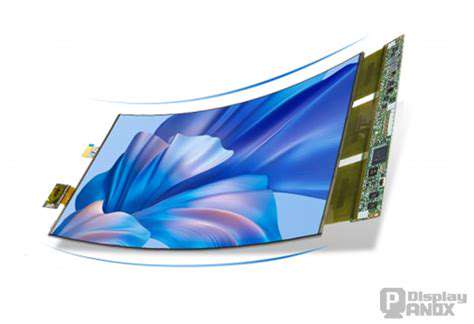
Understanding OLED Technology
OLED, or Organic Light Emitting Diode, represents a significant advancement in display technology. Unlike traditional LCDs, OLED panels emit light at the pixel level, which allows for vibrant colors and stunning contrast. The utilization of organic compounds enables these screens to display true blacks by turning off individual pixels when not in use, an essential feature for modern displays.
Research indicates that OLED displays can consume less power than LCD screens, especially in darker settings. This energy efficiency improves battery life, making OLED a favored choice for smartphone manufacturers.
The Benefits of Better Contrast Ratios
The contrast ratio is a crucial measurement of a display's performance, indicating the difference between the darkest and lightest parts of an image. OLED technology achieves impressive contrast ratios, often exceeding 1,000,000:1. This means that users can enjoy exceptionally deep black levels alongside bright whites, enhancing overall visual quality.
Such *contrast capabilities are particularly important for media consumption*; whether you're watching videos or playing games, the visuals are richer and more immersive. Therefore, for media aficionados, OLED technology is a game-changer in viewing experiences.
Color Accuracy and Vibrancy
Another significant advantage of OLED displays is their superior color accuracy. Due to the nature of OLED technology, colors appear more vibrant and lifelike compared to standard LCDs. This is because OLED's ability to produce a wider color gamut means that images are more true to life, providing an outstanding visual experience.
Most high-end smartphones today leverage OLED technology to boost their display capabilities, catering to the demands of photography enthusiasts and gamers alike. This results in photos and videos that look stunning and retain detail in both shadows and highlights.
Durability and Longevity Concerns
While OLED displays have many advantages, there are concerns regarding their longevity. Potential issues like screen burn-in can occur, where static images persist on the display over time, affecting usability. Manufacturers have been working on mitigating these risks, but it's something consumers should be aware of when making a purchase.
- Screen burn-in is a notable risk with OLED technology.
- Innovations are being developed to improve longevity and durability.
The Future of OLED Displays in Smartphones
The future of OLED displays in smartphones looks promising as new advancements are continually evolving. Researchers are exploring flexible OLED screens, which could lead to foldable smartphones, enhancing user versatility. Additionally, new technologies are in development to improve brightness and reduce potential burn-in issues, making OLED even more viable.
In conclusion, as smartphones continue to evolve, the integrity and advancements of OLED technology will play a pivotal role in shaping the future of display technology. This growth will likely lead to even more immersive and engaging user experiences, making it an essential area to watch in tech development.
AMOLED: A Popular Subtype of OLED
Understanding AMOLED Technology
Active Matrix Organic Light Emitting Diode (AMOLED) is a type of display technology that enhances the performance offered by its predecessor, Passive Matrix OLED (PMOLED). Unlike PMOLED, which is limited in addressing fewer pixels, AMOLED uses an active matrix of OLED pixels that are controlled individually, resulting in quicker response times and better image quality. The ability to turn individual pixels on and off contributes to deeper blacks and a wider color spectrum.
AMOLED displays are made up of organic compounds that emit light when an electric current passes through them. This is a key difference from traditional LCD screens that require a backlight. OLEDs can generate their own light, which eliminates the need for a separate light source and allows for thinner and more flexible display designs.
Advantages of AMOLED Displays
One of the most notable advantages of AMOLED displays is their ability to produce Vibrant colors and high contrast ratios. This is due to the OLED pixels' ability to turn off completely, achieving true black. For example, AMOLED screens can offer contrast ratios as high as 1,000,000:1, far exceeding standard LCD displays. This feature is particularly advantageous for media consumption, gaming, and photography.
Energy efficiency is another benefit of AMOLED technology, especially when displaying darker images or themes. Since black pixels are turned off, AMOLED displays consume less power when showing dark backgrounds, potentially extending battery life. This can be particularly appealing to smartphone users who seek longer device operation between charges.
Moreover, AMOLED displays are thinner and more lightweight compared to traditional LCD panels. This enables smartphone manufacturers to create sleek and stylish devices without compromising on screen size or quality. The flexibility of AMOLED technology also lends itself well to innovative display designs, including curved and foldable screens.
Limitations of AMOLED Technology
Despite their advantages, AMOLED displays do come with certain drawbacks. One significant issue is the potential for screen burn-in, where static images can permanently imprint on the screen if displayed for extended periods. This effect is particularly noticeable with UI elements like status bars and app icons. Thus, users are often advised to use darker themes to mitigate this risk.
Additionally, production costs for AMOLED panels can be higher than those for LCD screens. This can lead to increased retail prices for devices utilizing this technology. For budget-conscious consumers, this may limit options, especially when looking for affordable smartphones.
Applications of AMOLED Technology
AMOLED technology has gained popularity across various applications beyond smartphones. It is also used in high-end televisions, tablets, smartwatches, and automotive displays. For instance, recent advancements have allowed automotive manufacturers to integrate AMOLED displays into dashboards and infotainment systems, offering vibrant imagery and better user interfaces.
In the smartphone market, many flagship models, such as those from Samsung, Google, and OnePlus, incorporate AMOLED technology. This trend highlights the consumer preference for vibrant displays that enhance user experience. The technology's rising adoption can be traced back to consumers valuing visual quality, which directly impacts their viewing experience for multimedia consumption.
Future of AMOLED Technology
The future of AMOLED technology appears promising as ongoing research and development efforts continue to enhance its capabilities. Innovations include improved lifespan, higher brightness levels, and increased energy efficiency. As manufacturers strive to address current limitations, the technology's application range could expand, leading to neuromorphic displays and other advanced functionalities.
Furthermore, as companies explore flexible and foldable screen designs, AMOLED technology is poised to be at the forefront. Its inherent flexibility makes it ideal for these applications, promising a new era of device innovation. Consumers can expect more intuitive interfaces and designs that align with modern usage trends and aesthetics.
Continued competition in the display market will also drive AMOLED technology forward, as manufacturers strive to differentiate their products. This competition may lead to more affordable AMOLED devices entering the market, making this high-quality display technology accessible to a broader audience.
Comparing AMOLED with Other Display Technologies
To truly appreciate the value of AMOLED, it's important to compare it with other technologies like LCD and Mini-LED. While LCDs have improved greatly with enhancements like IPS (In-Plane Switching) for better viewing angles and color reproduction, they still rely on backlighting, which limits contrast ratios and color vibrance.
On the other hand, Mini-LED technology attempts to combine the benefits of LCD with enhanced backlighting. Although it achieves better contrasts than traditional LCD displays, it still does not reach the true blacks produced by AMOLED due to reliance on a constant light source. As such, while Mini-LEDs provide solid performance and can also be less costly, they reflect a different approach than the self-emissive nature of AMOLED.
Consumer Preferences and Feedback
Consumer feedback regarding AMOLED displays has generally been positive. Users often highlight the vivid color reproduction and superior contrast as primary reasons for their preference. Many smartphone users report that they find AMOLED displays more comfortable for extended viewing because of the deep blacks and vibrant colors that bring content to life.
However, it’s worth thinking about consumer education; some users remain unaware of the potential issues like burn-in. Manufacturers often include software solutions to assist users in managing static images to extend lifespan and mitigate these concerns. Overall, user satisfaction hinges not just on display quality but also on the manufacturer's efforts to educate and provide robust solutions to common display challenges.
Mini-LED and Micro-LED: The Future of Smartphone Displays
Understanding Mini-LED Technology
Mini-LED is a display technology that utilizes smaller LEDs to enhance the backlighting capabilities of traditional LCDs. While standard LEDs are larger and fewer in number, Mini-LEDs can be packed more densely. This allows for better local dimming, leading to improved contrast and deeper blacks while maintaining vibrant color accuracy.
As of early 2023, many smartphone manufacturers, including Apple and Samsung, have started integrating Mini-LED technology into their flagship models. Early data suggests that Mini-LED displays can deliver a 30% increase in brightness and energy efficiency compared to standard LCDs. This technological leap provides consumers with a more vivid viewing experience without significantly draining battery life.
Exploring Micro-LED Displays
Micro-LED represents an even more advanced form of display technology that consists of individual micrometer-sized LED elements. Unlike Mini-LED, which is essentially an enhancement of LCD, Micro-LED offers a self-emissive display solution — similar to OLEDs but with several advantages. Micro-LEDs deliver exceptional brightness levels and true blacks without the burn-in risks that OLEDs sometimes face.
This technology has been tested in prototype smartphones by several tech companies, including Xiaomi, which showcased a Micro-LED phone at tech expos. Analysts predict that Micro-LED could replace OLED in high-end devices by the mid-2020s. It promises a high contrast ratio of over 1 million:1, significantly exceeding current OLED benchmarks, thereby enhancing multimedia consumption on smartphones.
Comparing Performance: Mini-LED vs. Micro-LED
When it comes to performance, Mini-LED excels in improving the efficacy of traditional LCD panels by allowing for better brightness and contrast. However, Micro-LED takes the cake for color accuracy and viewing angles due to its self-emissive nature. Users who frequently watch videos or play games on their devices may prefer the richer and more immersive experience of Micro-LED technology.
Data from industry studies indicate that Micro-LED displays can achieve up to 1000 nits of brightness and a 20% better energy performance than OLEDs. This efficiency, coupled with a longer lifespan, positions Micro-LED as an attractive option for consumers, ensuring fewer replacements over time, making it more economical in the long run.
Current Limitations and Challenges
Despite their impressive capabilities, both Mini-LED and Micro-LED technologies face challenges. The production cost of Micro-LED displays remains a significant hurdle. Manufacturing these tiny LEDs requires advanced technologies and precise assembly processes, leading to higher retail prices. Currently, devices featuring Micro-LED are positioned within the premium market, often inaccessible for average consumers.
Moreover, while Mini-LEDs improve LCD technology, they still cannot completely replace OLED due to lower contrast ratios and less impressive black levels. Many tech enthusiasts suggest that smartphone manufacturers should focus on refining both technologies before making the switch to ensure customer satisfaction and product reliability.
Future Trends in Display Technologies
Looking ahead, the future of display technology seems focused on the advancements in both Mini-LED and Micro-LED applications. Manufacturers are exploring options to combine the strengths of these technologies to create hybrid displays that maintain affordability while improving user experiences. For instance, integrating Mini-LEDs in entry and mid-range smartphones while reserving Micro-LED for premium devices could be a viable strategy.
Additionally, advancements in manufacturing processes and techniques will likely drive down costs, making Micro-LED more accessible for the average consumer. As these technologies evolve, they're set to usher in a new era of smartphone displays that meet the demand for higher efficiencies, better performance, and affordable pricing.
Conclusion: Which Technology is Right for You?
The decision between Mini-LED and Micro-LED largely depends on individual needs and usage patterns. For users who prioritize cost-effective quality and enjoy general media consumption, Mini-LED provides excellent value. On the other hand, enthusiasts who demand superior experiences, such as vibrant visuals and longer-lasting screens, may want to wait for wider availability of Micro-LED technology.
Ultimately, staying informed about the latest developments in smartphone display technologies will enable consumers to make educated choices. As emerging technologies like Micro-LED become more mainstream, the overall smartphone experience will undoubtedly improve, benefiting tech-savvy users and casual consumers alike.
Choosing the Right Display Technology for Your Needs

Understanding LCD and LED Technologies
LCD (Liquid Crystal Display) and LED (Light Emitting Diode) are two significant technologies used in modern smartphone displays. They work by manipulating light to create images, but their underlying mechanisms are different. LCDs typically use a backlight to illuminate the pixels, while LEDs utilize light-emitting diodes for brighter and more energy-efficient displays. Consumers often confuse these two technologies, but Understanding the distinction can influence your purchasing decision.
With the constant evolution of display technologies, knowing the differences in color reproduction and contrast ratios between LCD and LED displays is crucial. Generally, LED technology offers superior contrast and a more vibrant color palette when compared to traditional LCD screens. Therefore, if you value visual clarity and rich colors, opting for an LED display might be a better choice.
Exploring OLED and AMOLED Displays
- OLED provides deeper blacks and better contrast ratios.
- AMOLED offers additional benefits in flexibility and energy efficiency.
- Color rendering is generally superior in both technologies compared to LCD.
OLED (Organic Light Emitting Diodes) displays are gaining popularity due to their exceptional color rendering and contrast capabilities. Unlike their LCD counterparts, OLED screens do not require a backlight, as each pixel generates its own light. This results in true blacks and a significantly wider color gamut, making them ideal for multimedia consumption.
AMOLED (Active Matrix OLED), a variant of OLED, adds further enhancements, particularly in terms of response time and battery efficiency. Users often note that devices equipped with AMOLED can display dynamic content more effectively, which translates to smoother animations and gaming experiences. This combination of benefits positions both OLED and AMOLED as premium choices in the display technology landscape.
Evaluating Refresh Rates and Resolution
The refresh rate and screen resolution are critical specifications that can significantly impact your device experience. A higher refresh rate, typically 90 Hz or 120 Hz, leads to smoother scroll and gaming experiences. For example, devices with 120 Hz displays provide an edge in fast-paced games and scrolling through feeds, reducing motion blur. Analyzing how you use your device can guide you in making an informed choice.
Screen resolution further enhances the user experience by determining how much detail is visible. Resolutions such as Full HD (1920x1080) or QHD (2560x1440) offer stark visual differences. Users engaging in activities like gaming or video streaming should prioritize higher resolutions for optimal clarity and experience.
Future Trends in Display Technology
As the technology lifecycle advances, we see exciting innovations in smartphone display technology. Foldable displays and flexible screens symbolize a significant shift towards customizable user experiences. These technologies offer users the ability to enjoy larger screens while maintaining portability, which is becoming an essential feature in modern designs.
Another area where development is being observed is in energy efficiency. Emerging display technologies aim to reduce battery consumption without sacrificing visual quality. Brands are actively working on creating displays that automatically adjust brightness based on ambient light conditions, potentially extending battery life significantly.
Read more about Smartphone Display Technologies Explained







Hot Recommendations
- Real World Applications of Blockchain Technology
- Cloud Platforms Compared for Developers
- Best Budget Gaming Setups
- How to Compare Tech Products Effectively
- Best Tech Gifts for 2025
- Monitor Buying Guide for Beginners
- Future of Work Technology Explained
- Understanding Tech Specs Before You Buy
- Privacy Regulations Explained for Consumers
- Best Monitors for Creative Professionals