Audio Quality
Wired Headphones
Audio Technology
Mobility
Wireless Headphones
User Experience

Wired vs Wireless Headphones: Pros and Cons

List of Contents

  • Wired headphones offer superior sound quality with less latency.

  • They provide reliability without battery dependence or interference.

  • Wired headphones can be cumbersome with limited mobility.

  • Compatibility issues arise with modern devices lacking headphone jacks.

  • Comfort may suffer due to heavy cables and poor fit.

  • Wired options lack advanced features like noise cancellation and touch controls.

  • Wireless headphones enhance mobility without tangled wires.

  • They offer high-quality sound through advanced audio codecs.

  • Wireless headphones provide user-friendly features and ease of setup.

  • Active noise cancellation is beneficial in noisy environments.

  • Battery life and rapid charging improve convenience in wireless headphones.

  • Wireless headphones are compatible with various modern devices.

  • Customization options allow personalized audio experiences for users.

  • Wireless headphones may struggle with limited battery life compared to wired.

  • Audio quality may suffer due to wireless transmission compression.

  • Signal interference can disrupt audio, especially in crowded places.

  • Wireless models can be bulkier and less comfortable for prolonged use.

  • Cost for wireless headphones can be higher than wired alternatives.

  • Wireless headphones require ongoing maintenance for batteries and components.

  • Compatibility issues may arise with certain devices and older technology.

Pros of Wired Headphones

ProsofWiredHeadphones

Superior Sound Quality

One of the primary advantages of wired headphones is their ability to provide Superior Sound Quality. The direct connection to the audio source minimizes latency and interference, ensuring that listeners experience audio exactly as the artist intended. Various audiophiles and professionals in the industry consistently prefer wired options for studio monitoring and live sound.

This appreciation for sound fidelity can be attributed to wired headphones' capability to handle high-resolution audio formats effectively. For example, high-end wired headphones can reproduce a wide frequency range without distortion. In contrast, many Wireless Headphones may struggle to deliver the same richness due to Bluetooth compression.

Reliability and Consistency

  • No battery dependence ensures they always work.
  • Less interference leads to a more stable connection.
  • Longevity with minimal maintenance required.

Wired headphones notably contribute to a reliable listening experience. Unlike their wireless counterparts, they do not rely on batteries, meaning users can enjoy music without the fear of sudden disconnection or battery depletion. This aspect makes them particularly appealing for long sessions, whether at home, in the studio, or during gaming.

Moreover, wired headphones are generally less susceptible to interference, delivering consistent audio quality even in busy environments. This reliability is essential for professionals who require dependable equipment for tasks such as sound mixing or live performances. Therefore, it's often recommended that those in creative fields invest in a quality pair of wired headphones for their critical listening needs.

Cons of Wired Headphones

ConsofWiredHeadphones

Limited Mobility and Freedom of Movement

One of the primary drawbacks of wired headphones is their inherent Restrictiveness when it comes to movement. The attached cable can tangle easily, leading to interruptions during activities such as jogging or commuting. This can be particularly frustrating for users who enjoy an active lifestyle and want their audio experience to complement it.

Additionally, the length of the cable often determines the range of motion a listener has. Most standard cables fall short when users want to walk around, thus anchoring them to their device. Consequently, when engaging in physical activity, many users find themselves inadvertently pulling their device along, which can lead to accidental drops or damage.

Compatibility Issues with Modern Devices

As technology continues to advance, many manufacturers are phasing out headphone jacks from their latest models. This transition to USB-C or lightning connectors can pose Significant compatibility issues for wired headphone users. Many people might find themselves needing adapters to connect their wired headphones to newer devices, which adds unnecessary complexity.

Furthermore, not all adapters guarantee consistent audio quality or compatibility, setting the stage for a frustrating experience. Users may face issues like reduced sound fidelity or connectivity troubles, detracting significantly from the user experience. This is an essential consideration for those investing in high-quality audio equipment.

Comfort and Ergonomics Concerns

  • Heavy cable can cause discomfort during prolonged use.
  • Headphones with poor fit can lead to sound leakage.
  • Wired headphones can be bulky and inconvenient to store.

Comfort is crucial, especially for users who spend long periods listening to music or podcasts. The weight of wired headphones can be a concern, as heavier cables tend to pull on the ear pieces, leading to discomfort over time. This can detract from the immersive experience that users generally seek.

The fit of wired headphones is also an essential factor to consider. Poorly designed models may not sit securely in or over the ear, resulting in sound leakage that reduces overall audio enjoyment. Thus, choosing a model that balances both sound quality and comfort becomes increasingly important to enhance the listening experience.

Lack of Advanced Features

Compared to their wireless counterparts, wired headphones often lack advanced features like Active Noise Cancellation or touch controls. While many users prefer the simplicity of traditional wired options, they may miss out on the enhanced functionality offered by modern wireless models. Features like voice assistants, customizable sound profiles, and touch-sensitive controls have become standard in many wireless headphones.

This technological gap may lead some users to reconsider their choice of wired headphones, especially if they value the latest innovations in audio technology. Embracing wired audio means sacrificing some of these features, which can be a dealbreaker for tech-savvy listeners who demand versatility from their devices.

Pros of Wireless Headphones

Enhanced Mobility and Convenience

One of the most significant advantages of wireless headphones is the freedom they offer in terms of mobility. With Bluetooth technology, users can move around without being tethered to their devices, making them ideal for activities such as commuting or exercising. Imagine jogging through the park while enjoying your favorite playlist without the hassle of tangled wires.

This mobility is not just a luxury; it's often a necessity. For instance, research shows that a majority of users prefer wireless options during workouts, as they allow for a full range of motion. The absence of cords means there’s less risk of snagging or pulling, which enhances safety and enjoyment during physical activities.

Superior Sound Quality Options

Wireless headphones have come a long way in terms of sound quality. Many models now support advanced audio codecs like aptX and LDAC, which significantly enhance sound fidelity by transferring audio data more efficiently over Bluetooth connections. This is crucial for audiophiles who seek high-resolution audio.

For those who rely on their headphones for professional audio tasks—like mixing or editing—certain models can provide sound quality comparable to many wired alternatives. This shift means users can enjoy high-quality listening experiences in a more convenient and flexible manner.

Ease of Use and Setup

Wireless headphones often come equipped with user-friendly features such as touch controls and voice assistants, making them simple to operate. Connecting to most devices is typically a straightforward process. In many cases, pairing your headphones is as easy as pressing a button, which saves time and frustration.

Additionally, many brands are now offering smart features such as auto-pause and ambient sound settings, allowing for seamless transitions between enjoying music and interacting with the surrounding environment. This ease of use contributes to a higher quality user experience.

Noise Cancellation Technology

Active noise cancellation (ANC) technology is increasingly found in wireless headphones, providing a crucial benefit for users who want to immerse themselves in their audio without external distractions. This feature is particularly valuable in noisy environments, such as airplanes or busy offices, where unwanted ambient noise can interfere with listening experiences.

Moreover, advancements in ANC technology mean that users can now enjoy clearer sound and better overall audio quality, as the headphones work to filter out background noises effectively. The combination of wireless and ANC capabilities creates an optimal listening environment in a variety of settings.

Battery Life and Charging Advances

The battery life of modern wireless headphones has seen remarkable improvements, with many offering up to 30 hours of playback on a single charge, thanks to energy-efficient components. This enhancement is vital for users who engage in long periods of audio consumption during travel or throughout the day.

Additionally, many models now feature rapid charging technology. This means even if you're running low on battery, a quick 10-15 minute charge can provide several hours of use, ensuring you stay connected even during busy schedules.

Compatibility Across Devices

Another significant pro of wireless headphones is their broad compatibility with a wide range of devices. Most modern headphones connect seamlessly with smartphones, tablets, laptops, and even smart TVs. This versatility is a substantial selling point for users who own multiple devices and prefer a unified experience without needing different headphones for different gadgets.

This cross-device functionality allows users to switch between devices effortlessly, making it convenient to take calls on their smartphones or catch up on a show on their laptops without needing to re-pair or connect each time.

Customization and Personalization Options

Many wireless headphones now offer apps that allow users to customize sound profiles according to their preferences. This can range from adjusting equalizers to enhancing bass or treble, permitting listeners to tailor their audio experience based on individual tastes. Such features empower users to take control of their listening experience.

Furthermore, the ability to receive firmware updates over the air can enhance performance and introduce new features, ensuring that your headphones remain up to date. This flexibility adds value beyond the initial purchase, ensuring longevity for the product in a rapidly evolving tech landscape.

Cons of Wireless Headphones

ConsofWirelessHeadphones

Limited Battery Life

The battery life of wireless headphones is often a significant drawback. Many models last around 4-10 hours, depending on the brand and usage conditions. This can be particularly inconvenient for those who rely on their headphones for long periods. It's essential to keep in mind that continuous streaming or heavy bass usage tends to deplete the battery even faster.

Moreover, while some high-end models boast longer battery life, they often come with a hefty price tag. In contrast, wired headphones do not require batteries and can operate indefinitely when plugged in, making them a more practical choice for extended use.

Audio Quality Concerns

Wireless headphones have made great strides in audio quality, but they still don't consistently match their wired counterparts. Many audiophiles argue that the compression involved in wireless transmission sacrifices sound fidelity. For critical listening, wired headphones often deliver a cleaner and more accurate audio experience, particularly in more complex musical arrangements.

Research indicates that the type of Bluetooth codec used can influence audio quality. Codecs like aptX and LDAC provide better sound than standard SBC codecs, yet they aren't available on all models. Consequently, your experience may vary greatly depending on the devices you use and their compatibility.

Signal Interference Issues

  • Wireless connections can occasionally drop due to environmental interference.
  • Usage in crowded public spaces may lead to disrupted audio.
  • Devices operating on similar frequencies may cause connection problems.

One of the prominent downsides to wireless headphones is the possibility of signal interference. This can occur when multiple devices utilize the same frequency band, leading to audio cutouts or distortions. Areas like crowded public transport or urban settings can exacerbate these issues, making listening an inconsistent experience.

Some high-end models come equipped with features designed to minimize interference, yet such technology often raises the price point. Users looking for a consistently reliable experience may find themselves disappointed by these occasional disruptions.

Weight and Comfort

While many assume that wireless headphones are uniformly lightweight, this is not the case. Some models may end up being bulkier due to the additional technology housed within them, such as batteries and Bluetooth components. This added weight can lead to discomfort over extended periods of use.

Conversely, wired headphones tend to have a more streamlined design as they lack the electrical components that increase weight. Therefore, individuals seeking extended listening sessions may prioritize lighter wired options over their wireless counterparts.

Cost Implications

The initial investment for wireless headphones can be considerably higher than wired ones. High-quality wireless models often demand a premium due to the advanced technology they incorporate. Consumers should be prepared for the possibility that higher costs do not always guarantee better sound quality or longevity, which can be frustrating for budget-conscious buyers.

On the other hand, the wired headphone market offers a wide range of affordable options that maintain solid performance, opening doors for those less willing to spend extravagantly. Thus, it may be wise to explore various wired alternatives before committing to pricier wireless options.

Maintenance and Longevity

Wireless headphones require more maintenance than wired versions due to their reliance on batteries and electronic components, which may degrade over time. Users must ensure that batteries are charged regularly and replaced when necessary to avoid interruptions in use. In addition, manufacturing defects can lead to functional failures that are not as common in wired headphones.

Typically, wired headphones tend to be more durable since they don’t have rechargeable batteries that wear out. When cared for properly, wired headphones can last years without considerable performance degradation, making them a smart choice for long-term investment.

Compatibility Issues

Wireless headphones may face compatibility challenges with certain devices. Many models operate on Bluetooth, but not all audio sources support this wireless protocol. This limitation can be problematic if you frequently switch between devices or use older technology. Checking compatibility before investing in a wireless option is crucial to ensure seamless integration with your audio sources.

Wired headphones generally come with universal connectors, making them compatible with most devices. This simplicity often provides peace of mind for users who value reliability and straightforward usage without having to deal with multiple connection hassles.

Read more about Wired vs Wireless Headphones: Pros and Cons

Hands On with the Latest Foldable Phone Tech
May 08, 2025
Best Apps for Learning to Code on the Go
May 16, 2025
Understanding Monitor Response Time vs Input Lag for Gaming
Jul 13, 2025
Reviewing the Latest Smart Air Purifiers for Your Home
Jul 22, 2025
A Comprehensive GuideIn today's digital landscape, choosing between a smartwatch and a fitness tracker can be daunting. Both devices offer unique functionalities that cater to different lifestyles. This guide will delve deep into the key features, health monitoring capabilities, design, user experience, battery life, and pricing strategies of these popular wearables to help you make an informed decision. Smartwatches: Versatile MultifunctionalitySmartwatches serve as an extension of your smartphone, providing notifications for calls, texts, and emails directly on your wrist. They often feature GPS functionality, compatibility with numerous applications, and a stylish design that appeals to tech-savvy users and fashion enthusiasts alike. Highly regarded for their advanced heart rate monitoring and customizable watch faces, smartwatches are ideal for those seeking a comprehensive wearable experience. Fitness Trackers: Focused on Health MetricsIn contrast, fitness trackers aim to provide essential health and exercise metrics. They typically monitor heart rate, steps taken, and calories burned, making them a great option for fitness enthusiasts who prefer simplicity and focus on their health goals. With their user-friendly interfaces and emphasis on tracking, fitness trackers encourage users to maintain a consistent exercise regimen without unnecessary distractions. Health Monitoring CapabilitiesBoth smartwatches and fitness trackers offer heart rate monitoring but collect data differently. Smartwatches include sophisticated sensors for detailed heart rate variability, while fitness trackers prioritize continuous tracking during workouts. Some models provide additional health metrics like SpO2 levels, making them suitable for users with specific health management needs. User Experience and InterfaceWhen it comes to user experience, smartwatches typically boast complex interfaces due to their multifunctionality. Users can access a variety of apps, enhancing productivity and connectivity. Conversely, fitness trackers offer simplified interfaces focusing primarily on health data, allowing for quick insights without distractions. Battery Life: Who Lasts Longer?Battery life is a critical factor in making your choice. Generally, fitness trackers can last several days up to two weeks on a single charge, thanks to their focused functionalities. In comparison, smartwatches often require more frequent charging—sometimes daily—due to their energy-intensive features. Pricing Strategies: Finding Your FitPrice is another key consideration. Fitness trackers often start as low as $30, making them accessible for budget-conscious users. Smartwatches, however, typically start around $200 and can range much higher due to their extensive functionalities. Mid-range options offer a balance of features and price, while high-end devices cater to more demanding users seeking premium capabilities. Making the Right ChoiceUltimately, the decision between a smartwatch and a fitness tracker boils down to your lifestyle and preferences. If your primary focus is fitness and health metrics, a fitness tracker may suit you best. On the other hand, those looking for a multipurpose device that integrates seamlessly into daily life will likely find a smartwatch more beneficial.Before making your purchase, consider what features align with your needs. A thorough understanding of both products can lead to a more satisfying and beneficial investment for your health and lifestyle.
Feb 08, 2026
Sound Quality, Performance, and MoreDiscover everything you need to know about true wireless earbuds, from sound quality and battery life to comfort and connectivity. This comprehensive guide covers vital aspects that can make or break your listening experience. 1. Sound Quality and PerformanceSound Quality Features When evaluating earbuds, focus on specifications like driver size and frequency response. Larger drivers often deliver richer bass, while codecs like aptX and AAC improve audio clarity.Battery Life Most true wireless earbuds offer 4 to 8 hours of playback on a single charge. If you use them during long commutes or workouts, opt for models with extended battery life and fast charging options.Audio Customization Look for earbuds with customizable audio settings via companion apps. Tailoring your equalizer settings can enhance your listening experience across different genres. 2. Battery Life and Charging Options Understanding Battery Life RatingsBattery life ratings can vary significantly based on usage conditions. Real-world performance may not always match manufacturers' claims, particularly with features like noise cancellation activated. Charging OptionsExplore charging options like wired vs. wireless charging, fast charging capabilities, and charging case capacity. A well-designed charging case offers multiple recharges and can be a portable power bank. Factors Affecting Battery LongevityEnvironmental conditions and usage habits can impact battery health. Consider devices with smart battery management to extend battery life and overall performance. 3. Comfort and Fit Choosing the Right Ear Tip SizeSelecting the proper ear tip size is essential for comfort and sound quality. Experiment with different sizes to find the best fit that minimizes sound leakage and maximizes passive noise isolation. Weight and DesignLightweight designs enhance comfort during extended use. Ergonomic features can prevent fatigue, so consider your regular activities when selecting earbuds. Long-term Wearability ConsiderationsComfort can vary between short and long listening sessions. Opt for products with adaptive fit technology or secure-fit designs for active lifestyles. 4. Connectivity and Compatibility Understanding Wireless TechnologiesTrue wireless earbuds primarily use Bluetooth technology for connectivity. Always check the Bluetooth version for compatibility and performance enhancements when paired with your devices. Compatibility Across DevicesEnsure your earbuds can connect seamlessly with various devices, including smartphones, tablets, and laptops. Multi-device pairing can be a bonus for users transitioning between different devices. 5. Price and Brand Reputation Understanding Price PointsTrue wireless earbuds can range from budget-friendly models to high-end options. Remember that higher prices often correlate to better sound quality, battery life, and features. Brand ReputationEstablished brands typically instill more trust than lesser-known options. Review consumer feedback to gauge the quality and reliability of different brands. Evaluating Warranty and Customer ServiceConsider the warranty and customer service policies as part of your purchase decision. Strong warranties and responsive customer service can enhance your buying experience. ConclusionInvesting in quality true wireless earbuds can significantly impact your listening experience. Prioritize sound quality, comfort, battery life, and brand reputation to make an informed decision that suits your needs. Explore our guide to find the perfect true wireless earbuds that cater to your lifestyle!
Feb 10, 2026
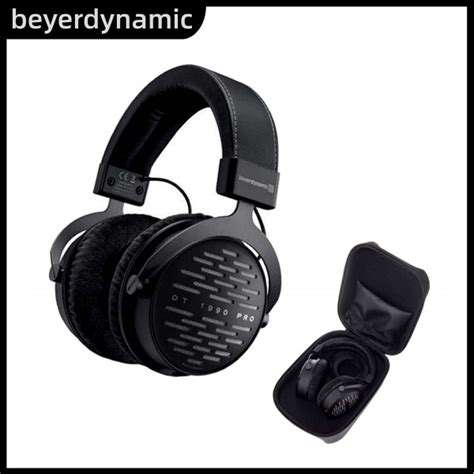
Unveiling Top Choices for AudiophilesDiscover our comprehensive analysis of five premium headphones designed for audiophiles who demand nothing but the best in sound quality, comfort, and build integrity. This guide will help you navigate your options, from the iconic Sennheiser HD 800 S to the extraordinary Sony WH-1000XM4, ensuring you make an informed decision for your audio experience. Sennheiser HD 800 S: The Classic ChoiceThe Sennheiser HD 800 S is celebrated for its elegant design and exceptional sound performance. Built with high-quality materials, these headphones provide comfort for long listening sessions while delivering a broad frequency response of 4 Hz to 51 kHz. The acoustic accuracy and expansive soundstage allow for an immersive music experience, making it an ideal choice for serious audiophiles. Key Features:- Luxurious design with stainless steel grille.- Outstanding sound quality and precision.- Comfortable fit and ergonomic design.--- Audeze LCD-X: Exceptional Sound QualityWith a balanced sound signature, the Audeze LCD-X is perfect for both studio monitoring and casual listening. The planar magnetic drivers enhance clarity and deliver deep bass across a frequency range of 5 Hz to 20 kHz. Despite not being the most portable option, their durability and comfort make them a prime choice for home use. Key Features:- Premium materials and rugged build quality.- Ergonomic design and adjustable headband.- Immersive sound with detailed staging.--- Focal Utopia: Unmatched Luxury and PerformanceFor those seeking luxury, the Focal Utopia delivers an unmatched audio experience with a frequency response from 5 Hz to 40 kHz. Constructed from premium materials such as aluminum and magnesium, these headphones feature exquisite comfort, making them ideal for long listening sessions. The 40mm M-shaped drivers provide high fidelity, ideal for critical listening. Key Features:- Dazzling design and high-quality materials.- Exceptional audio performance with low distortion.- Comfortable padded ear cups for extended wear.--- Beyerdynamic DT 1990 Pro: Studio LegendA favorite among sound engineers, the Beyerdynamic DT 1990 Pro boasts a well-balanced audio profile suited for critical listening. The open-back design creates an exceptional soundstage, enhancing the listening experience. With replaceable ear pads and cables, these durable headphones are designed for longevity and optimize comfort for hours of use. Key Features:- High-quality materials ensure durability.- Impressive soundstage and clarity across frequencies.- Adjustable headband for customized fit.--- Sony WH-1000XM4: Best Wireless OptionThe Sony WH-1000XM4 stands out with its sleek design and user-focused features. Equipped with advanced noise cancellation and a hefty battery life of up to 30 hours, these wireless headphones are perfect for on-the-go listening. The Adaptive Sound Control feature enhances audio performance in different environments, offering flexibility for the modern audiophile. Key Features:- Superior sound quality with adaptive features.- Lightweight construction for all-day comfort.- Exceptional battery life and quick charging.--- ConclusionEach of these five headphone models caters to different preferences and listening styles, making them leading contenders in the audiophile community. Whether you prioritize sound fidelity, build quality, comfort, or user-friendly features, this guide equips you with insightful comparisons to help you make your perfect choice. Elevate your audio experience—explore your options and indulge in the sound you deserve!
Feb 11, 2026
Innovations to WatchAs smartphone technology evolves rapidly, innovations like foldable displays, artificial intelligence, and sustainable materials are reshaping user experiences. This article explores key advancements that promise to enhance device functionality and design. Foldable and Rollable DisplaysFoldable displays are revolutionizing smartphones, enhancing portability while providing larger viewing areas. Major brands like Samsung and Huawei lead the charge, with projections stating that foldable devices may comprise up to 20% of the smartphone market by 2025. Meanwhile, rollable displays leverage advanced OLED technology to maintain a flat surface, increasing durability and longevity.Despite these benefits, challenges such as screen durability and software compatibility persist. Manufacturers must address these limitations to boost user adoption, especially as consumer preferences lean towards traditional designs for their simplicity. AI and Machine Learning IntegrationSmartphones are becoming personalized tools through advanced AI and machine learning. Features like smart predictive text and voice recognition are evolving, enhancing user satisfaction. Brands such as Apple and Google are integrating AI to create smarter, more efficient mobile experiences, including automated photography enhancements that allow even casual users to capture stunning images.Moreover, enhanced security features powered by AI are increasingly protecting user data and privacy, while AI-driven battery management aims to prolong the lifespan of devices by optimizing energy consumption. Enhanced Battery TechnologyThe emergence of lithium-sulfur (Li-S) batteries promises significantly higher energy density compared to traditional lithium-ion batteries. Research indicates that these batteries could lead to commercial availability by 2025, changing user expectations for battery longevity. Solid-state batteries also show promise with superior safety and performance, likely accounting for a sizable market share by 2030. Seamless Augmented Reality IntegrationAugmented reality (AR) is set to transform user interactions, enhancing navigation and e-commerce experiences. By allowing users to visualize products in their own space, AR dramatically improves engagement and satisfaction. Educational applications are also benefiting from AR, creating interactive learning environments that enhance knowledge retention. Sustainable Materials and Eco-Friendly DesignsThe drive for sustainability is prompting smartphone manufacturers to adopt eco-friendly materials like bioplastics and recycled metals. Modular designs that facilitate repairs are gaining traction, reducing electronic waste and aligning with consumer preferences for greener technology. Future innovations may even include biodegradable components, reflecting a growing commitment to environmental stewardship. ConclusionThe smartphone landscape is charting a new course with innovations in foldable displays, AI integration, battery technology, AR experiences, and sustainable practices. These advancements not only enhance user convenience and satisfaction but also shape a more sustainable future. As technology continues to evolve, consumers can anticipate exciting developments that harmonize functionality with ecological responsibility.
Feb 13, 2026
The Essential Companion for Work and TravelBluetooth headphones have become indispensable tools for professionals and travelers alike, and for good reason. With convenience, sound quality, mobility, and cost-effectiveness, they elevate your work and leisure experiences. Here’s why investing in a quality pair of Bluetooth headphones is essential. The Convenience of Wireless TechnologySay goodbye to tangled cords! Bluetooth headphones offer the freedom of wireless connectivity, allowing you to move effortlessly in busy workspaces or while traveling. Many modern models integrate touch controls and voice assistants, making it easy to manage calls and music without disrupting your workflow. Their seamless compatibility with devices such as smartphones, tablets, and laptops reinforces their status as a must-have for anyone on the go. Superior Sound QualityWhen it comes to audio, today’s Bluetooth headphones boast sound quality that competes with traditional wired models. Equipped with advanced technologies like aptX and AAC codecs, they provide high-fidelity audio, ensuring that you enjoy your favorite tunes and calls with clarity. Many users prefer the sound quality of premium Bluetooth headphones, and features like Active Noise Cancellation (ANC) help block out surrounding noise, enhancing focus whether you’re on a plane or in a bustling office. Extended Battery Life for Long-Distance TravelModern Bluetooth headphones are built for longevity, typically offering 15 to 30 hours of battery life on a single charge. This feature is especially beneficial for those traveling or working long hours, as you won’t have to worry about recharging during critical moments. Quick-charge capabilities allow for significant listening time after just a short charging session, ensuring you stay connected without interruption. Enhanced Mobility and ComfortDesigned for comfort, many Bluetooth headphones feature ergonomic designs and lightweight materials, making them suitable for extended wear. A well-fitted headphone enhances sound isolation and the overall listening experience. Rotating ear cups and plush padding ensure comfort across various head sizes, vital for long commutes or work hours. A Cost-Effective InvestmentWhile the initial investment in quality Bluetooth headphones might appear steep, they often prove more durable than cheaper wired alternatives. Many high-quality models come with warranties, providing peace of mind regarding longevity. The multi-functional designs cover various needs—whether for calls, music, or workouts—allowing you to reduce the number of devices you carry. Key Features to ConsiderWhen shopping for Bluetooth headphones, consider sound quality, comfort, battery life, and connectivity options. Look for models with at least 20 hours of playback time and features like ANC, which can significantly reduce distractions. Additional features such as multipoint connectivity and smart features like voice assistant compatibility can enhance your experience, making your work and travel more efficient. Recommendations for the Best Bluetooth HeadphonesSome top-rated models include the Bose QuietComfort 35 II, praised for its noise-canceling abilities, and the Sony WH-1000XM4, known for impressive battery life and adaptive sound. For an Apple-friendly option, the AirPods Pro offer seamless integration with iOS devices, intuitive controls, and high-quality sound.In conclusion, Bluetooth headphones are an essential investment for anyone looking to enhance their work and travel experiences. Upgrade your audio experience and stay productive with the right pair today!
Feb 16, 2026
A Comprehensive Guide to EarbudsDiscover the key factors that influence sound quality and performance in earbuds. This guide explores essential components like audio drivers, codecs, noise cancellation technology, and more, ensuring you make informed choices for an optimal listening experience. 1. Understanding Audio DriversAudio drivers are pivotal in earbuds, converting electrical signals into sound. Types such as dynamic, balanced armature, and planar magnetic offer distinct audio qualities. Dynamic drivers are particularly favored for rich bass, while hybrid setups combine different drivers for a balanced audio profile. Premium brands invest in proprietary technologies for superior sound fidelity. 2. Codec and Compression ImpactThe codec used in wireless earbuds affects sound quality, especially on Android and iPhone devices. Options like AAC, aptX, and LDAC support varying audio fidelity levels, with LDAC catering to high-resolution audio streaming. Be mindful of compression formats: lossless options retain sound integrity but demand more storage space. 3. Noise Cancellation FeaturesActive noise cancellation (ANC) technology enhances your listening experience by countering ambient noise, ideal for noisy environments like commutes. Brands offer different ANC effectiveness levels, with adjustable settings allowing users to tailor their sound isolation. Passive noise isolation through proper earbud fit complements ANC for immersive sound. 4. Personalizing Your Sound SignatureEvery listener's preference varies, from bass-heavy sounds to neutral profiles. Modern earbuds often come with companion apps allowing users to customize EQ settings, providing a personalized audio experience. Look for brands that prioritize user-friendly software for optimized sound quality. 5. Comfort, Fit, and Build QualityComfort is crucial for prolonged use. Ergonomically designed earbuds that offer various ear tip sizes enhance fit and improve isolation. Materials also influence sound quality; metal casings can suppress vibrations better than plastic. A good fit not only enhances comfort but also audio clarity. 6. Battery Life and PerformanceBattery life affects your listening experience, with many earbuds offering 5 to 30 hours of playback. Features like ANC and high-resolution streaming may drain battery faster, so it's essential to find a balance between sound quality and longevity. Look for models with quick charging tech for added convenience. 7. Connectivity and Multi-Device OptionsBluetooth connectivity is fundamental for modern earbuds. Most utilize Bluetooth 5.0 or higher for extended range and efficiency. Many high-end models also support multi-device connectivity, allowing users to switch seamlessly between devices without the hassle of disconnection. 8. Advanced Features: Beyond Basic ListeningModern earbuds integrate advanced technologies that enhance user experience. Features like adaptive noise cancellation, customizable touch controls, and water resistance are vital for durability and convenience. Voice assistant compatibility offers hands-free interaction for multitasking users. ConclusionWhen choosing earbuds, consider factors like sound quality, battery life, comfort, and advanced features for the best listening experience. Utilize this comprehensive guide to navigate the options and enjoy your audio to the fullest!
Feb 17, 2026
A Comprehensive ComparisonWhen choosing between MacBooks and Windows laptops, several factors come into play, including design, performance, software ecosystem, battery life, portability, price, and overall value proposition. Design and Build QualityMacBooks stand out for their premium build quality, constructed primarily from aluminum, providing both durability and aesthetic appeal. Windows laptops, on the other hand, vary widely in materials from budget-friendly plastic to high-end magnesium alloy designs. This diversity means that users must consider how build quality impacts their laptop experience over time. Performance and Operating SystemsIn terms of performance, MacBooks often outperform mid-range Windows laptops due to Apple’s M-series chips, yet high-end Windows models excel in gaming and graphics-intensive tasks. Operating systems also differ; macOS offers a seamless user experience while Windows 11 introduces new features but may have stability issues. User ExperienceThe user experience can significantly influence your choice. MacBooks offer refined keyboards and trackpads, enhancing usability, while Windows laptops provide extensive customization and flexibility. This diversity ensures there's a device for every user's needs. Software Ecosystem and CompatibilityThe Mac ecosystem allows for seamless integration across Apple devices, enhancing productivity through features like Handoff and AirDrop. Windows devices, meanwhile, offer broad compatibility with various software applications, making them suitable for diverse user requirements, especially in professional environments. Battery Life and PortabilityBattery technology advancements benefit both ecosystems, with MacBooks often featuring longer-lasting batteries, ideal for professionals on the go. Portability also varies; MacBooks are generally lightweight and sleek, while some gaming-focused Windows laptops tend to be bulkier. Price and Value PropositionPrice considerations are critical in this comparison. MacBooks typically carry a higher initial price tag while offering strong resale value, making them potentially cost-effective long-term. Windows laptops are available across a broader price spectrum, offering options for every budget, but may not retain value as well over time. ConclusionEach platform has its strengths. If design, build quality, and a cohesive ecosystem are top priority, MacBooks are likely the better choice. Conversely, if affordability, customization, and software compatibility are more important, Windows laptops provide compelling options. Understanding your specific needs will help you make the best decision between MacBook and Windows laptops. As trends evolve into 2025, both ecosystems promise to offer enhanced features and innovations, making it an exciting time for potential buyers.
Feb 18, 2026
set-top boxes, stick devices, smart TVs, and gaming consoles. Set-top boxes, such as Apple TV and Roku, deliver extensive app libraries and functionalities, making them a popular choice for serious streamers. For those on a budget, stick devices like the Amazon Fire Stick offer a compact solution that’s easy to use and install. Smart TVs, boasting built-in streaming capabilities, provide a seamless viewing experience by eliminating the need for additional devices. Gaming consoles also double as streaming devices, providing versatile entertainment options. Key Features to Consider When choosing a streaming device, key features such as supported content resolution and operating system greatly impact usability. The resolution ranges from HD (720p) to 4K (2160p), with 4K being the preferred choice for vibrant visuals. It’s crucial to select a device that matches your TV’s capabilities to ensure optimal viewing quality. User-friendly operating systems and interfaces enhance navigation and overall experience, with platforms like Roku leading in ease of use while Apple TV excels in ecosystem integration. Popular Streaming Services The variety of streaming services available adds to the allure of these devices. Netflix, Hulu, Amazon Prime Video, and Disney+ dominate the market, each offering unique content libraries. Choosing a streaming device that aligns with the services you wish to access is vital, especially if you prefer specific shows or live TV options. Compatibility is essential to prevent future connectivity issues. Budget Considerations Streaming devices are available across a wide price spectrum, from budget-friendly options under $30 to premium models exceeding $200. Assessing what features fit your streaming habits while balancing costs helps in making the right choice. New users might benefit from starting with economical devices to explore streaming without a hefty investment. Don’t forget to factor in subscription fees for streaming services, as they can significantly impact your overall budget. Conclusion In conclusion, selecting the ideal streaming device requires thoughtful consideration of various factors, including type, features, compatibility, and budget. By understanding your viewing habits and preferences, you can confidently choose a device that enriches your entertainment experience. Investing time in your selection will ultimately lead to a better streaming journey, enabling you to enjoy your favorite content seamlessly. Explore our detailed comparison of streaming devices to find the perfect fit for your lifestyle!
Feb 21, 2026
View Publication>>