Data Protection Best Practices
Outline
Define roles and responsibilities to enhance data governance understanding.
Regular training fosters employee awareness of data protection regulations.
Data encryption secures sensitive information against unauthorized access.
MFA adds crucial security to safeguard against credential breaches.
Conduct customized training to address organizational security needs.
Employ advanced detection technologies for timely threat identification.
Integrate monitoring into business practices for ongoing security compliance.
Automated response solutions expedite threat neutralization processes.
User education significantly reduces risks associated with cyber threats.
Monitor third-party vendors to maintain overall cybersecurity integrity.
Continuously adapt security measures to stay ahead of evolving threats.
Establish Comprehensive Data Governance Policies

Define Clear Roles and Responsibilities
Establishing comprehensive data governance policies begins with defining Clear Roles and Responsibilities within the organization. Ensuring that every team member understands their data stewardship roles can prevent confusion and overlap, ultimately leading to better data management.
- Assign data ownership to specific individuals or teams.
- Clarify the accountability structures for data governance.
- Regularly review and update roles as the organization evolves.
This clarity helps in maintaining data integrity and compliance with various regulatory requirements. For instance, a robust data governance framework can significantly enhance an organization’s ability to meet GDPR standards, reducing the risk of substantial fines.
Implement Regular Training and Awareness Programs
To ensure that the comprehensive data governance policies are effective, it’s crucial to implement Regular Training and Awareness programs. These initiatives keep employees informed about the latest data protection regulations and company policies, helping them recognize their roles in safeguarding sensitive information.
Moreover, providing hands-on resources and workshops can lead to better engagement and understanding among employees. When team members comprehend the importance of data governance, they become more proactive in their data handling processes. According to a study by Forrester Research, organizations that prioritize training in data governance experience a 50% reduction in data breaches over three years.
Implement Robust Data Encryption Techniques
Understanding Data Encryption Methods
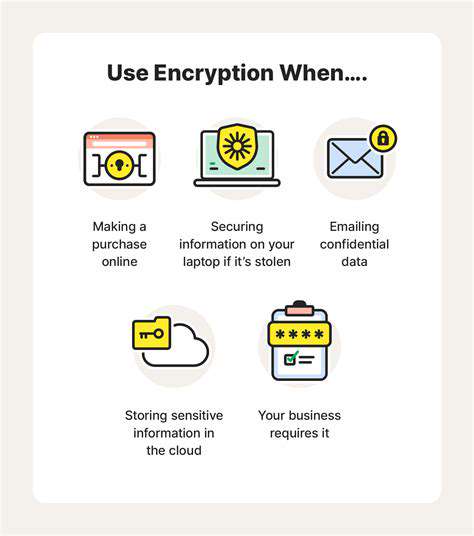
Data Encryption serves as a critical aspect of modern information security, transforming sensitive data into an unreadable format for unauthorized users. Two primary categories of encryption techniques are symmetric and asymmetric encryption. Symmetric encryption uses the same key for both encryption and decryption, making it efficient for processing large volumes of data. In contrast, asymmetric encryption employs pairs of keys—public and private—where one key encrypts data and the other decrypts it.
According to the NIST Cybersecurity Framework, effective encryption practices can significantly lower the chances of data breaches. For instance, AES (Advanced Encryption Standard) is widely acknowledged for its robustness and efficiency, recognized as a federal standard for encrypting classified information. Implementing strong algorithms like AES with key lengths of at least 256 bits is essential for maintaining data integrity.
Implementing Data Encryption Strategies
Choosing the right encryption strategy is paramount for achieving robust data protection. Organizations should conduct risk assessments to determine which data needs protection and what level of encryption is appropriate. For example, personal identifiable information (PII) such as social security numbers or financial records typically require higher encryption standards compared to other types of data.
Another integral aspect is key management. Encryption keys must be securely generated, stored, and rotated regularly to mitigate risks of exposure. In addition, using Hash-based Message Authentication Codes (HMACs) in conjunction with encryption can provide validation of data integrity. Adopting a layered encryption approach, where data is encrypted both in transit and at rest, is also advisable.
Impact of Regulatory Compliance on Encryption Practices
Data protection regulations often dictate specific encryption standards that organizations must adhere to. For example, the GDPR (General Data Protection Regulation) emphasizes the importance of data encryption to safeguard personal data, mandating that companies take appropriate measures to minimize data risks.
In the United States, HIPAA (Health Insurance Portability and Accountability Act) requires healthcare entities to implement encryption methods to secure electronic protected health information (ePHI). Failure to comply with these regulations can result in significant legal repercussions and damage to an organization's reputation.
The Role of Encryption in Cloud Security
As businesses increasingly turn to cloud computing, it becomes essential to integrate robust encryption within cloud environments. Cloud service providers often offer encryption tools, yet organizations need to ensure they are effectively utilized. End-to-end encryption methods guarantee that only the sender and recipient can access the data, significantly reducing exposure during data transfers.
A recent report from McKinsey indicates that 94% of large enterprises are employing cloud infrastructure. This surge heightens the need for strong encryption protocols, especially given that data breaches in cloud computing can result in massive financial losses and compromise sensitive client information.
To bolster cloud security, organizations should also implement encryption keys that are stored independently of the cloud provider, enhancing overall control and reducing risks associated with third-party vulnerabilities.
Best Practices for Regular Encryption Audits
Conducting regular audits of encryption practices is essential for maintaining a secure data environment. These audits should evaluate the effectiveness of encryption methodologies in place, examining whether they comply with current standards and adequately protect sensitive information. Organizations must ask questions such as, Are we using the latest encryption algorithms? and Are our keys managed properly?
Additionally, it’s crucial to monitor user access and identify patterns that may indicate security risks. This not only helps in pinpointing vulnerabilities but also establishes a culture of vigilance, ensuring all personnel understand their role in data protection.
Lastly, staying abreast of technological developments is beneficial. Emerging encryption technologies, such as homomorphic encryption, offer exciting opportunities to secure data while still allowing for processing. Organizations should keep an eye on these innovations to enhance their data security posture continually.
Adopt Multi-Factor Authentication (MFA)
Understanding the Importance of MFA
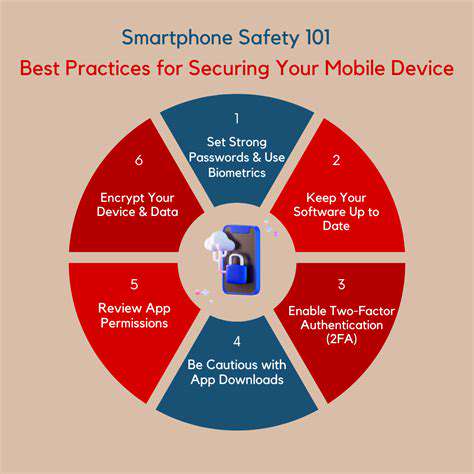
Multi-Factor Authentication (MFA) adds an essential layer of security that goes beyond the traditional username and password. According to a recent report by Verizon, 81% of data breaches are caused by compromised credentials, making it clear that relying on solely a password is no longer sufficient. By requiring additional information, such as a text message code or biometric scan, MFA significantly reduces the risk of unauthorized access.
Implementing MFA is not just a recommended practice; it's crucial for protecting sensitive data. Organizations that adopt MFA report up to 99% fewer account compromises, demonstrating its effectiveness. Users may find it a minor inconvenience, but the enhanced security it provides is invaluable in today's digital landscape where cyber threats are ever-evolving.
Types of Multi-Factor Authentication
Various MFA methods exist to cater to different security needs. The most common types include something you know (like a password), something you have (such as a smartphone app or hardware token), and something you are (biometric identifiers such as fingerprints or facial recognition). Each of these methods Enhances Security in its way, and organizations should carefully consider their specific context to implement the most effective combination.
Best Practices for Implementing MFA
To effectively deploy MFA, organizations should first conduct a risk assessment to identify which accounts need the highest level of protection. Sensitive accounts, such as those with financial information or personal data, should be prioritized. Additionally, providing user education on how to use MFA and why it is crucial can enhance compliance and maximize its effectiveness.
Moreover, consider adopting adaptive MFA solutions that analyze user behavior and adjust security requirements accordingly, offering a balance of security and user convenience. This can help avoid frustrating user experiences while still protecting sensitive information efficiently.
Conduct Regular Security Training and Awareness Programs

Importance of Tailored Training Programs
- Customized training enhances employee engagement and retention of information.
- A tailored approach addresses the specific security needs of your organization.
- Regular updates ensure that training is relevant to current threats.
Conducting regular security training and awareness programs is crucial in today’s digital landscape. Organizations must recognize that a one-size-fits-all approach often falls short. Different teams may encounter unique threats and have distinct security needs. For instance, the IT department may require in-depth training on advanced security protocols, while human resources might need to focus more on data privacy regulations.
The effectiveness of training also hinges on how often it is updated. Continuous advancements in technology mean that new threats emerge frequently. Organizations that disregard the necessity of current training content risk exposing sensitive information due to outdated knowledge. Regularly revisiting and adapting training materials according to evolving technologies is essential.
Measuring Training Effectiveness and Engagement
To ensure the success of security training programs, it's vital to measure their effectiveness. Surveys and assessments following training sessions can gauge how well employees understand the material. Tools such as phishing simulations can provide valuable insights into employee readiness and awareness. Regularly evaluating these metrics helps in adjusting the training methods and topics to align with employee needs more effectively.
Incorporating interactive elements into training can significantly increase Employee Engagement. Using role-playing scenarios and real-life case studies makes the content relevant and memorable. Additionally, offering incentives for completing training programs or achieving high scores on assessments can motivate employees to take security seriously. Some organizations also find value in grouping employees into teams, creating a friendly competition that transforms learning into an engaging experience.
Utilize Advanced Threat Detection and Monitoring Solutions
Understanding Advanced Threat Detection Technologies
Advanced threat detection technologies leverage sophisticated algorithms and machine learning techniques to identify potential security threats. By analyzing massive amounts of data, these systems can recognize unusual patterns that indicate a breach, allowing organizations to respond promptly. Businesses should prioritize technologies that enhance their visibility into networks and provide real-time alerts.
For instance, according to a report by Gartner, organizations that implement machine learning-based detection tools witness a 30% reduction in response times to incidents. This statistic underscores the importance of deploying up-to-date technologies that keep pace with evolving threats.
Integrating Threat Monitoring into Business Practices
Integrating threat monitoring involves embedding security protocols into daily operations. Companies should establish a routine that includes regular assessments of their security landscape. A continuous monitoring approach not only helps in identifying threats faster but also assists in compliance with industry regulations, thereby minimizing the risk of hefty fines.
Furthermore, organizations should consider using Security Information and Event Management (SIEM) systems to collect and analyze security data from across the enterprise. This centralized approach allows for an effective correlation of events, giving security teams a comprehensive view of potential vulnerabilities.
Utilizing Behavior-Based Detection Mechanisms
Behavior-based detection focuses on identifying anomalies by analyzing user and entity behavior. This method contrasts with signature-based detection, which only identifies known threats. By establishing a baseline of normal activities, organizations can detect deviations that may indicate malicious actions, such as unauthorized access attempts or data exfiltration.
Implementing Automated Response Solutions
Automated response solutions can dramatically decrease the time it takes to neutralize a threat. These systems can automatically implement predefined actions, such as isolating affected systems or alerting security personnel without human intervention. The speed and efficiency that automation offers can make a critical difference in preventing extensive damage during a cyber-attack.
However, it's essential to continuously review and refine these automated processes to ensure they adapt to the changing threat landscape. Employing a set of metrics to measure the effectiveness of the automated responses can provide valuable insights for ongoing improvements.
Investing in User Education and Awareness Programs
An organization's security posture is only as strong as its weakest link, which often turns out to be its personnel. Educating employees about the nature of cyber threats and the importance of adhering to security protocols can significantly reduce risk. Regular training sessions, along with simulation exercises, can help staff recognize phishing attacks or social engineering attempts.
Statistics from the Ponemon Institute indicate that organizations with robust security awareness programs have experienced up to 70% fewer successful phishing attempts. Such findings highlight the necessity for continuous user education as part of an effective threat detection strategy.
Monitoring Third-Party Vendors and External Access Points
With the increase in interconnected systems and reliance on third-party vendors, organizations must monitor the security posture of external partners. Implementing due diligence protocols for vendor assessments and regularly reviewing their security measures ensures that weak links do not compromise overall security.
To enhance this process, companies should consider using automated solutions that can constantly evaluate third-party compliance with security standards. This practice not only aids in managing risks associated with external access points but also solidifies trust and transparency within business relationships.
Continuous Improvement and Adaptation of Security Measures
The realm of cybersecurity is dynamic; therefore, organizations must adopt a mindset of continuous improvement. This involves regularly updating threat detection strategies based on current trends and data breaches within the industry. Engaging in threat intelligence sharing within your sector can provide insights into potential vulnerabilities and emerging threats.
Moreover, conducting periodic reviews and updates of security measures helps organizations stay ahead of potential attacks. Regular investment in training, technology, and infrastructure is essential to ensure long-term resilience against threats.
Read more about Data Protection Best Practices
![How to Use a Cybersecurity Kill Chain Model [Understanding Attacks]](/static/images/25/2025-05/Exploitation3ATakingAdvantageofVulnerabilities.jpg)
![How to Protect Your Data Online [Ultimate Guide]](/static/images/25/2025-05/BeyondtheBasics3ADataPrivacyandSecurityBestPractices.jpg)



Hot Recommendations
- Best Laptops for Video Editing and Creative Work
- Best Budget Entertainment Tech
- Future of EdTech Innovations
- Best Noise Canceling Headphones Reviewed
- Best Laptops of 2025: In Depth Reviews and Buying Guide
- Best Microphones for Creators
- Understanding Ransomware and Malware [Prevention Guide]
- Smart Lighting Systems: Philips Hue vs Alternatives
- Guide to Securing Your Social Media Accounts
- Ultimate Guide to Using [Software] Keyboard Shortcuts