Specifications
User Reviews
Educational Tools
Learning Strategies
Accessories
Student productivity
Online Learning
Educational Resources
Student Needs
Budget Management

Affordable Tech for Students
Power and PortabilityBudgetLaptops:PowerandPortability

Choosing the Right Specifications

When evaluating Budget Laptops, it's crucial to consider the specifications that best fit your needs. Focus on key elements such as the processor, RAM, and storage capacity. A good rule of thumb is to opt for at least 8GB of RAM and an SSD storage option, as these components significantly enhance responsiveness and speed.

For students, a reliable processor like Intel Core i3 or AMD Ryzen 3 is usually sufficient. These processors can handle day-to-day tasks smoothly, whether it’s attending online lectures or drafting essays. Remember, high-performance components often come at a premium, so balance power with budget constraints.

Operational Flexibility and Portability

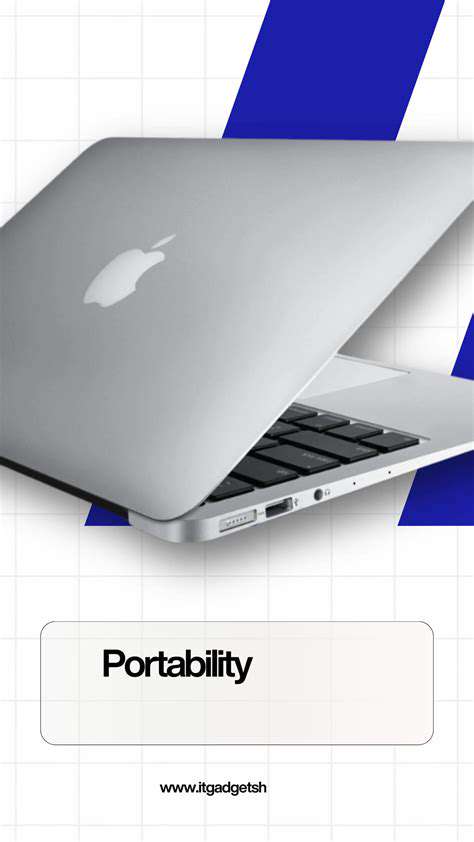
One of the defining features of budget laptops is their portability. Many weigh around 3 to 4 pounds, making them easy to carry around campus or into a coffee shop. This compact design allows for effortless mobility, which is a significant advantage for students who are always on the go.

Battery Life is another critical factor to consider. Look for models that offer at least 8 hours of battery life, ensuring you can power through classes and study sessions without worrying about finding an outlet. Premium brands often deliver greater reliability in this aspect; however, there are affordable choices available that excel in battery performance.

Operating System Options

  • Windows-based laptops offer greater software compatibility.
  • Chromebooks are lightweight and ideal for web-based tasks.
  • MacOS devices are typically more expensive but offer high-quality build.

Choosing an operating system can greatly influence your laptop experience. Windows laptops dominate the market, providing compatibility for the majority of software used in educational environments. You should also consider Chromebooks, which are a fantastic budget-friendly option for those primarily using web applications.

However, if you can afford higher-end devices, MacOS laptops come with their own advantages, especially for creative fields like graphic design and multimedia production. Ensure your choice aligns with your study requirements and any specific software you need.

Durability and Build Quality

Budget laptops often compromise on build quality; however, some manufacturers still deliver sturdy designs. Look for laptops that feature a metal chassis or reinforced hinges—these components often enhance durability. You don’t want your laptop to wear out from daily handling.

Additionally, consider warranty options and customer service offerings from the manufacturer. This will provide peace of mind, knowing that support is available if any issues arise. Some brands stand out for their excellent post-purchase support, which can be invaluable for students facing technical issues during crucial times.

User Reviews and Performance Benchmarks

Before purchasing a budget laptop, it’s wise to consult user reviews and performance benchmarks. Websites like Notebookcheck and Tom's Hardware provide extensive testing and user feedback, which can offer insight into real-world performance versus advertised specifications. This research can guide you in making an informed decision.

Taking time to investigate these factors will ensure you choose a laptop that meets your academic and personal requirements. Always remember, a well-researched purchase leads to long-term satisfaction. Compare options across various retailers to find the best deal, potentially saving a significant amount.

Accessible Software: Free Tools for Every Student

Essential Free Tools for Academic Success

In today's educational landscape, accessing effective software tools can significantly enhance a student's learning experience. For instance, platforms like Google Docs provide real-time collaboration, allowing students to work together seamlessly on projects, regardless of location. This feature not only boosts teamwork skills but also encourages the exchange of diverse ideas, making assignments more comprehensive.

Another great resource is Zotero, a free reference management software that simplifies the process of collecting, organizing, and citing research materials. By automating citation formatting and helping manage bibliographies, Zotero saves students time and reduces the stress associated with academic writing. Its user-friendly interface is particularly beneficial for those new to research.

Also worth mentioning is GIMP, a powerful open-source graphic editor that rivals expensive software like Adobe Photoshop. Students in design courses can utilize GIMP to create high-quality graphics without the financial burden. With extensive tutorials available online, it’s an accessible way to gain design skills that are valuable in today’s job market.

Leveraging Accessibility Features in Free Software

Accessibility should be a priority, particularly in educational environments. Free tools like Microsoft’s Accessibility Checker integrated into Word and Excel help ensure that documents are usable by everyone. By presenting notifications and suggestions for improvement, these features make inclusivity a shared responsibility among students endeavoring to communicate effectively.

Additionally, voice-to-text software such as Otter.ai provides students with learning disabilities or different learning styles a significant advantage. By converting spoken words into text, it allows users to focus on understanding content without the added pressure of traditional note-taking techniques. Such capabilities encourage diverse learning approaches and adapt to individual needs.

Essential Gadgets: Accessories That Make a Difference

EssentialGadgets:AccessoriesThatMakeaDifference

Essential Accessories for Every Student

When it comes to enhancing productivity and comfort, certain accessories stand out as indispensable for students. A quality pair of Noise-canceling headphones can significantly improve focus in noisy environments, making study sessions more effective.

Furthermore, a portable external hard drive can offer tremendous benefits by providing extra storage for essential files and backups. With the increasing size of digital files, especially videos and research documents, having ample space is crucial for students managing multiple projects.

Power Banks: Stay Charged On the Go

In today’s digital age, ensuring your devices are charged throughout the day is essential. A reliable power bank can be a lifesaver during long campus days or library sessions. Consider options with quick-charge technology, such as those offering USB-C outputs or high-capacity batteries that can charge multiple devices simultaneously.

Research indicates that students tend to spend more than five hours daily using electronic devices, which highlights the necessity of carrying a power bank. This way, you can stay charged without searching for wall outlets in crowded spaces.

Smartphone Accessories: Making Life Easier

  • Screen protectors to prevent damage.
  • Portable phone stands for video calls or studying.
  • Stylish but functional mobile cases for added protection.

Smartphone accessories can play a pivotal role in a student’s daily routine. A high-quality screen protector is essential in preventing scratches, while a portable stand can facilitate video calls and presentations on the go. These little enhancements can make a significant difference in ease of use.

Ergonomic Tools for Improved Comfort

Students often spend long hours at their desks, so ergonomic accessories are key to promoting health and comfort. An adjustable laptop stand can help maintain proper posture and reduce neck strain, which is vital for extended study sessions. Similarly, an ergonomic mouse and keyboard can improve typing comfort and efficiency.

Moreover, adding a supportive chair cushion may also enhance comfort, making study hours more productive. Investing in ergonomic tools not only improves comfort but can also boost productivity.

Data Security Devices

In an age where data breaches are commonplace, securing personal data is paramount. Students should consider external encryption devices or USB flash drives that offer encryption options to safeguard their sensitive information effectively. This practice is particularly important for those working on sensitive projects or managing personal data.

Encryption technology has advanced significantly, and many affordable options are available for students. For example, the use of biometric locks on storage devices ensures that only authorized individuals can access information. By utilizing these measures, students can protect themselves from potential data theft.

Multi-Purpose Tech Gadgets

When it comes to affordability and functionality, multi-purpose gadgets hold a valuable place in a student's toolkit. Devices such as portable projectors can transform a small space into a collaborative environment for group studies or presentations. These items often come with compact designs, making them easy to carry around between classes.

Additionally, consider investing in devices that combine functionalities, like a tablet that supports stylus input, enabling easy note-taking and drawing. This versatility can save money while maximizing utility, allowing students to invest wisely in their tech needs.

Affordable Online Learning Resources

1. Exploring MOOCs: A Pathway to Knowledge

Massive Open Online Courses (MOOCs) have revolutionized the educational landscape, providing students with Access to high-quality courses from prestigious institutions. Platforms like Coursera and edX offer thousands of courses across diverse fields, often for free or at a fraction of traditional costs. This flexibility allows students to tailor their learning experience to fit both their academic and professional aspirations.

According to recent studies, approximately 50% of MOOC participants report career advancement or job transitions as a result of their online studies. This statistic underscores the value of leveraging MOOCs not just for academic enrichment, but also as a stepping stone for real-world opportunities.

2. Open Educational Resources (OER): Free and Accessible Learning

Open Educational Resources are teaching, learning, and research materials that can be freely accessed and utilized. OER provide an avenue for students to acquire educational materials without the hefty price tag that often accompanies traditional textbooks. Websites like OER Commons host a plethora of subject-specific resources that educators and students can use to enhance their learning experience.

Research suggests that OER can significantly reduce the cost of education; one study indicated that institutions adopting OER saw a reduction in textbook costs of up to 89%. This is a compelling reason for students to explore OER as part of their educational journey.

3. YouTube: A Treasure Trove of Educational Content

YouTube is more than just a platform for entertainment; it is a rich source for educational content. Channels dedicated to various academic subjects offer tutorial videos that can simplify complex concepts. For example, channels like Khan Academy and CrashCourse provide high-quality content that enhances understanding through engaging visuals and clear explanations.

Utilizing YouTube for learning can help break down challenging subjects into digestible lessons. Incorporating short viewing sessions into your study schedule can be a game-changer, making it easier to grasp foundational concepts and prepare for examinations. However, it's essential to critically evaluate the credibility of the content and the creators behind it.

Remember, while YouTube can be highly informative, balancing video-based resources with structured learning is crucial for a cohesive education strategy.

4. Educational Apps: A Modern Study Companion

The proliferation of smartphones has given rise to educational apps, transforming how students engage with content. Applications such as Duolingo for languages or Quizlet for interactive flashcards make learning more interactive and tailored to individual needs. These apps often incorporate gamification, which can make learning more fun and engaging.

Statistics reveal that students who use educational apps are 35% more likely to demonstrate improved retention of information. This highlights the potential of incorporating technology into daily study habits. If you're looking for ways to enhance productivity and learning efficiency, integrating these apps could be a practical solution to consider.

5. Online Libraries: Expanding Research Opportunities

Access to a well-stocked online library can significantly enhance a student's research capabilities. Resources like JSTOR and Google Scholar provide students with access to academic papers, journals, and a vast repository of scholarly articles. Utilizing these resources can lead to deeper insights and understanding of topics covered in coursework.

Moreover, many universities also offer virtual libraries that provide access to textbooks, archival materials, and other essential academic resources. This level of access ensures that students not only find relevant information but also save money on purchasing extensive reading materials. Consider making online library resources your first choice for research needs.

Final Thoughts: Tech That Fits the Student Budget

Understanding Student Needs for Affordable Tech

When evaluating technology options for students, it's essential to grasp their unique requirements. The priority often lies in versatility, durability, and cost-effectiveness. Many students juggle multiple responsibilities, so laptops and tablets that offer good battery life can be a significant asset. In terms of operating systems, a lightweight, user-friendly interface usually leads to increased productivity.

Recent surveys suggest that more than 70% of students consider price their primary factor when selecting tech for educational purposes. This aversion to overspending makes it crucial for tech developers to focus on delivering effective tools that cater specifically to students' academic and extracurricular needs. Establishing what students value—be it performance, portability, or software compatibility—directly impacts purchasing decisions.

Moreover, online resources and user reviews provide invaluable insights into what brands and types of devices perform best over time. Familiarizing oneself with forums and discussions can help in making informed choices. Ultimately, understanding the unique challenges faced by students can guide them in selecting the best possible tech without straining their budgets.

Popular Affordable Tech Options Available

Among the range of options available to students, Chromebooks frequently emerge as a popular choice due to their balance of performance and affordability. With models starting at around $200, they provide essential features for browsing, document creation, and online classes. Their seamless integration with Google Workspace enhances both academic collaboration and organization.

Additionally, consider investing in refurbished devices, which often come at a reduced price without sacrificing performance. Companies such as Apple and Dell offer certified refurbished products that undergo rigorous testing, assuring students of reliability despite the lower price. It's a smart way to access high-quality tech while remaining budget-conscious.

Headphones are another key tech accessory for students. Noise-canceling options might be on the pricier side but investing around $50 to $100 can significantly improve concentration, especially in noisy environments. Brands like Anker provide solid options that can support both academic listening and leisure use without breaking the bank.

Strategies for Balancing Quality and Cost

To strike the right Balance Between Quality and affordability, students should consider timing their purchases around sales events like Black Friday or back-to-school promotions. Many retailers provide substantial discounts during these periods, allowing students to save significantly on necessary tech purchases. Staying informed on these events can prove invaluable for budget management.

Another approach involves exploring student discounts offered by various tech companies. Major firms like Microsoft, Adobe, and Apple often extend special pricing to enrolled students, which can lead to considerable savings on software and hardware. Subscribing to newsletters or following relevant social media channels can provide timely alerts regarding these special deals.

Lastly, prioritizing multifunctional devices can also contribute to financial efficiency. For instance, a tablet that serves both as an educational tool and an entertainment device can replace the need for multiple gadgets. In this way, investing in just one quality piece of tech can save costs in the long run and create a more streamlined experience for students.

Read more about Affordable Tech for Students

Learn to Code for Free: Top Online Resources
May 12, 2025
Guide to Learning Cybersecurity for Beginners
May 28, 2025
Key Specifications You Should ConsiderWhen investing in a business laptop, understanding the key specifications that can significantly impact performance, usability, and security is vital. This guide provides a comprehensive overview of the factors that every professional should consider when selecting the best laptop for their needs. Processor and Performance CapabilitiesThe processor is the heart of any laptop, dictating its overall performance. Intel's Core i5 and i7 series are staples for business environments, providing efficient power that enhances productivity during multitasking or running demanding applications. Alternatively, AMD Ryzen processors offer excellent multitasking and graphical performance. Benchmark comparisons indicate that modern processors far outperform older models, with the Intel i7-12700H achieving scores over 24,000 versus older versions being significantly lower. Display Quality and SizeA laptop's display plays a crucial role in usability. Opt for a screen size between 13 and 15 inches with at least Full HD (1920x1080) resolution as it balances portability and viewing comfort. Higher resolutions, like 4K, may affect battery life, making Full HD a more practical choice for business use. Battery Life and PortabilityFor traveling professionals, battery life is a critical consideration. A business laptop should provide at least 8-10 hours of usage on a single charge. Look for models utilizing lithium-polymer batteries for improved durability and longevity. Weight is also important; ideally, choose a laptop under 4 pounds to ensure ease of transport without compromising on performance. Connectivity and ExpandabilityIn modern office settings, having the right connectivity options is essential. Laptops should feature multiple USB ports, including USB-C, and an HDMI port for seamless presentations. Networking capabilities such as Wi-Fi 6 facilitate faster and more reliable internet connections, particularly in shared environments. Ergonomics and Build QualityAn ergonomic design enhances comfort and productivity, particularly for users spending long hours on their laptops. Look for models with adjustable hinges and optimal keyboard layouts to ensure a neutral posture. Additionally, consider the materials used in construction; robust options like aluminum and carbon fiber offer durability essential for frequent travel. Security FeaturesIn today’s digital landscape, robust security is paramount. Laptops equipped with biometric authentication—like fingerprint scanners and facial recognition—provide quick, secure access. Encryption capabilities such as Full Disk Encryption and AES safeguard sensitive business data, especially important for organizations handling client information. Features like remote wipe and network security techniques such as VPNs further enhance security, making it harder for unauthorized users to access confidential data. ConclusionSelecting the right business laptop requires careful consideration of various specifications ranging from performance to security features. Thorough research, including reading user reviews and expert comparisons, can aid in making an informed decision tailored to your business needs. Whether focused on outstanding processing capabilities, impactful display quality, or stringent security measures, understanding these aspects can lead you to a laptop that enriches your professional endeavors.Embark on your journey towards finding the ideal business laptop that combines performance, reliability, and security. Make informed choices to enhance productivity and protect your valuable data in today's fast-paced business environment.
Feb 11, 2026
Your Ultimate Guide to Selecting the Best Budget LaptopsAre you in the market for a new laptop but constrained by budget limitations? Choosing a budget laptop can be overwhelming, but understanding key specifications and available options can simplify your decision-making process. This comprehensive guide explores the essential factors to consider when selecting an affordable laptop that meets your needs without sacrificing quality. Key Factors to Consider in Budget Laptops Performance SpecificationsWhen browsing through budget laptops, pay close attention to performance specifications. Look for laptops with at least a dual-core processor for basic tasks, while quad-core options offer better performance for demanding applications. A minimum of 8GB RAM will enhance multitasking capabilities, while Solid State Drives (SSDs) are recommended for faster boot times and improved responsiveness compared to traditional Hard Disk Drives (HDDs). Display Quality and Battery LifeDon’t overlook display quality; a full HD (1920 x 1080) resolution is ideal for streaming and image editing. Additionally, seek out laptops that provide at least 6-8 hours of battery life to ensure you can work on the go without frequent recharges. Comparative Overview of Budget Laptop Models Key Features to InvestigateCritical features such as processing power, RAM, storage options, and battery life are paramount. A laptop’s screen resolution and available ports can significantly impact usability, so look for models that include USB-C, HDMI, and traditional headphone jacks for optimal connectivity. Performance ComparisonFor instance, the Acer Aspire 5 and HP Pavilion x360 are notable budget models. The Aspire 5, equipped with an AMD Ryzen 5 processor and 8GB RAM, excels in reliability and multitasking capabilities. Meanwhile, the HP Pavilion x360's 11th-gen Intel processor offers superior energy efficiency and graphics performance, making it ideal for creative tasks. Pricing and Value ConsiderationsBudget laptops typically range from $300 to $700. Weigh each model’s specifications against its price point to ensure you are receiving the best value. Investing a little more may lead to prolonged usability; for example, the Lenovo IdeaPad 3, priced under $400, showcases commendable performance for its cost. Tailored Recommendations Based on User NeedsDifferent user bases may have varying requirements. Students may prefer Chromebooks for their affordability and seamless web integration, while professionals might favor the Dell Inspiron series for its robust performance and durable design. Performance InsightsUnderstanding performance metrics, such as processor speed and RAM size, is crucial in making an informed choice. Laptops with SSDs significantly outperform those with HDDs, reducing application load times and enhancing the overall experience. Benchmarking Against CompetitorsUtilizing benchmarking tools and reviewing results from sites like Laptop Mag can provide valuable insight into how specific models compare in real-world usage. Battery Life and PortabilityBattery performance varies widely; factors like screen resolution and processor type play a vital role. Lighter models under 3 pounds may facilitate easier transport, particularly for students and remote workers. Long-Term ConsiderationsInvesting in a budget laptop also means factoring in long-term battery health and the potential need for upgrades. Ensuring future-proofing elements, like expandable RAM and compatible ports, can preserve your investment for years to come.In conclusion, equipping yourself with the right knowledge about budget laptops will enhance your buying experience. If you're seeking an affordable yet capable laptop, remember to prioritize specifications that align with your usage needs to achieve a balance of performance and value.
Feb 12, 2026
Essential Tools for Enhancing Online Learning Why Sound Quality MattersIn the world of online learning, sound quality plays a crucial role in understanding and retention of information. Research reveals that learners can retain only about 20% of what's taught when audio quality is compromised. High-quality headphones ensure clear sound, which is vital for capturing nuances in lectures and actively engaging with the material. The Importance of Noise IsolationNoise isolation is another key factor that enhances focus during online classes. Headphones with noise-canceling features can effectively block distractions from the surrounding environment, leading to improved concentration and productivity. A study indicated that students using noise-canceling headphones saw a 30% increase in productivity compared to those with standard audio devices. Compatibility with Learning PlatformsChoosing the right headphones also involves ensuring compatibility with popular online learning platforms like Zoom, Google Classroom, and Microsoft Teams. Headphones that synchronize audio well minimize disruptions and technical issues, making remote learning a smoother experience. Comfort for Extended UseComfort is paramount when selecting headphones, especially for students who may spend hours in online classes. Opt for over-ear headphones with cushioned ear pads and flexible designs to prevent discomfort and fatigue. Ergonomics should lead your choice: a comfortable fit directly influences the ability to focus on learning. Durability for Long-Term InvestmentInvesting in high-quality headphones isn't just about immediate benefits, but also about durability and longevity. Well-constructed headphones can last multiple years with proper care, providing significant savings over time. Brands that offer warranties can further validate the quality and durability, making them a sensible investment for students. Recommended Brands and ModelsWhen it comes to the best headphones for online learning, popular brands like Bose, Sony, and Sennheiser consistently rank high for sound quality and comfort. For budget-conscious students, options such as the Anker Soundcore Life Q30 offer fantastic sound and battery life without breaking the bank. Consider personal preferences regarding design—over-ear or on-ear—to ensure the best fit for your needs. Key Features to Look For1. Sound Quality: Headphones should deliver clear and balanced sound, making it easier to grasp spoken content.2. Comfort and Fit: Look for adjustable features and cushioned pads to reduce strain during long studying sessions.3. Microphone Quality: A high-quality microphone with noise reduction is essential for clear communication.4. Battery Life: If opting for wireless headphones, ensure at least 15 to 20 hours of battery life.5. Durability: Choose robust models that withstand daily wear and tear. ConclusionSelecting the right headphones can significantly enhance the online learning experience. Focus on sound quality, comfort, and compatibility with learning platforms while also considering your budget and durability needs. The right pair of headphones can be a valuable investment in achieving academic success, making learning more engaging and effective.
Feb 14, 2026
Generally last 2 to 3 years due to software limitations and battery health.- Laptops: Range from 3 to 5 years, heavily influenced by brand, usage, and maintenance.- Tablets: Usually last about 3 to 4 years, often prompting earlier upgrades due to technological advancements.- Smartwatches: Have a shorter lifespan of 2 to 3 years, often necessitating battery replacements sooner.- Gaming Consoles: Typically last 5 to 7 years, supported by a community that continues to release games for older models.- Televisions: Can last 7 to 10 years, though technological advancements may entice users to upgrade sooner.- Home Assistants: Average around 3 to 5 years, as newer models frequently emerge with enhanced functionalities. Tips for Extending LifespanTo prolong the life of tech products, consumers are encouraged to perform regular maintenance, invest in quality accessories for protection, and practice good charging habits. Additionally, being mindful of environmental influences and responsible product recycling can help reduce electronic waste and extend the usability of devices. ConclusionUnderstanding the factors affecting the lifespan of tech products can empower consumers to make informed decisions. By prioritizing quality, maintenance, and responsible purchasing practices, users can enhance the longevity of their devices, contributing to a more sustainable tech ecosystem.
Feb 14, 2026
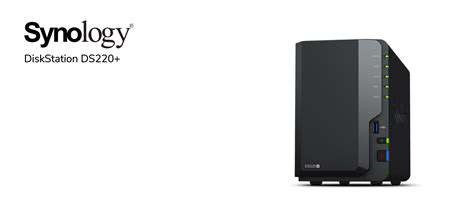
Automated backup solutions eliminate mundane manual backups, keeping your files securely archived. With features like data encryption and user authentication protocols, NAS devices enhance privacy and safeguard sensitive information. 2. Cost-Effectiveness: While a NAS may seem like a hefty initial investment, it offers long-term savings. As your data storage needs grow, a NAS expands without the frequent costs associated with external hard drives or monthly cloud storage fees. 3. Media Streaming and Entertainment: If you enjoy digital media, a NAS can stream content to devices like smart TVs and tablets. Many NAS systems support applications like Plex for enhanced media organization, allowing for a seamless entertainment experience.4. Collaboration and File Sharing: Streamline teamwork with easier collaboration features. Create shared folders for family members or team members to access necessary documents without using cumbersome third-party platforms. This setup ensures quick access to files without device-swapping hassles.5. Future-Proofing Your Data Management: The adaptive nature of NAS devices allows for easy upgrades to accommodate expanding storage needs. With technology advancing rapidly, investing in a flexible NAS ensures it meets future requirements. Top NAS Devices for Home Use 1. Synology DS220+The Synology DS220+ is an optimal choice for home users, known for its user-friendly interface and powerful hardware capabilities. It boasts capabilities for RAID configurations, making it a reliable storage solution for multimedia streaming and file sharing. 2. QNAP TS-451+With extensive features catered to multimedia enthusiasts, the QNAP TS-451+ supports Plex Media Server and offers transcoding for seamless video streaming. Its four-bay design provides ample storage capacity while maintaining strong performance. 3. Western Digital My Cloud HomeDesigned for convenience, the WD My Cloud Home allows for easy setup and intuitive file management. With automatic backup capabilities and strong data security measures in place, this device is ideal for users seeking straightforward solutions. 4. TerraMaster F2-221The TerraMaster F2-221 stands out for its robust build and affordability. With solid specifications and a user-friendly interface, this NAS provides excellent performance for home office setups and media serving. ConclusionChoosing the right NAS device depends on your specific needs—whether it's for media streaming, secure data storage, or enhancing teamwork. By investing in a high-quality NAS, you're not just buying a product; you're securing your digital life for years to come. With numerous options available, integrating a NAS into your home can elevate your data management strategy, providing peace of mind along the way.
Feb 15, 2026
Understanding the Total Cost of Ownership for Tech Devices When investing in technology, consumers often overlook various costs associated with ownership. This guide explores critical factors influencing tech device pricing and overall expenses, including initial purchase price, maintenance, subscriptions, energy consumption, and depreciation. Initial Purchase PriceThe initial purchase price of tech devices, such as smartphones, laptops, and gaming consoles, can vary widely based on brand reputation and specifications. Premium models can range from $700 to over $1,200. Strategic timing, like purchasing during seasonal sales (e.g., Black Friday), can lead to substantial savings. Understanding the different price points for various device types can empower consumers to make informed choices tailored to their needs. Maintenance and RepairsRegular maintenance is crucial for extending the lifespan and ensuring optimal performance of your tech gadgets. Conducting routine check-ups can prevent costly repairs down the line, as neglecting device upkeep can decrease a gadget's lifespan by up to 30%. This section covers common issues like battery degradation and the importance of timely repairs to avoid further damage and expenses. Subscription Services Subscription services and apps have become integral yet sometimes overlooked costs in tech ownership. Streaming services, cloud storage, and software subscriptions can accumulate quickly, potentially reaching hundreds of dollars annually. Proactively managing your subscriptions by analyzing usage and exploring bundled options can help keep these expenses in check. Energy Consumption CostsUnderstanding energy consumption metrics—like wattage and kilowatt-hours—is vital for evaluating the ongoing costs of tech devices. Many consumers don't account for standby power consumption, which can significantly contribute to monthly energy bills. By investing in energy-efficient devices and employing strategies to reduce standby power, you can lower your energy costs while making environmentally conscious choices. Depreciation and Resale ValueFinally, understanding depreciation can help informed purchasing decisions and improve resale value. Tech devices depreciate over time, influenced by factors such as wear and tear and brand reputation. Maintaining devices in good condition and keeping original packaging may enhance resale value when it's time to upgrade.---By considering these factors, tech consumers can better understand their investments. Thorough research and informed decision-making help ensure you choose devices that not only meet immediate needs but also fit within your long-term budget and enhance overall satisfaction.
Feb 16, 2026
SSD vs. HDDChoosing between SSDs and HDDs is critical. SSDs provide faster data retrieval, which enhances boot times and application speed, while HDDs typically offer larger storage at lower costs. A hybrid solution can offer both speed and ample space. Graphics Card SpecificationsFor gamers, a robust graphics card is paramount. Focus on VRAM, clock speed, and GPU architecture, especially if you want to enjoy high-resolution gaming. Understanding support for technologies like Ray Tracing can also enhance your gaming experience. Battery Life and EfficiencyIn portable devices, battery life is essential. Understanding manufacturer claims and seeking real-world reviews can help you choose devices that balance performance with energy efficiency, extending battery life and improving user comfort. How to Read and Interpret Specifications Understanding Specification TypesDifferent specifications serve unique purposes, from detailing performance metrics to technical specifications. Familiarizing yourself with these terms clarifies your buying process, allowing you to focus on what matters most for your needs. Decoding Technical JargonTerms like GHz or RAM can seem daunting. Simple resources, including glossaries and tech forums, help demystify them. Familiarizing yourself with essential terms can assist in understanding product specifications. Comparative AnalysisWhen faced with multiple options, a side-by-side comparison can uncover significant differences in specifications. Utilize online comparison tools to streamline your decision-making process without feeling overwhelmed. Practical Tips for BuyingAlign specifications with your anticipated use. Engaging with expert opinions or online communities can provide invaluable insights into your purchase. Setting Your BudgetEstablishing a budget informed by specifications is critical. Consider both the immediate costs and the total cost of ownership, which includes maintenance and upgrades. Investing in higher specs today can save future expenses. Future-Proofing Your InvestmentStaying abreast of market trends, like the shift toward 5G technology, is crucial. A product’s specifications should allow for growth, accommodating future needs without requiring immediate upgrades. ConclusionArming yourself with knowledge about technology specifications can significantly enhance your purchasing decisions. Whether optimizing for performance, longevity, or budget, understanding specifications enables you to select devices that meet your needs and stand the test of time. Equip yourself with the right information, and make your tech investments wisely.
Feb 20, 2026
Your Complete Guide to Choosing the Right Tech ProductsNavigating the world of technology can be overwhelming with countless options available. From smartphones to gaming laptops, understanding your specific needs is essential for making informed purchasing decisions. This guide will help you identify what to look for when selecting tech products, ensuring you invest wisely. Identify Your Needs and PrioritiesBegin by clarifying your primary usage scenarios and technical requirements. Are you a gamer needing high-processing power, or a business professional who values portability and battery life? Assess your typical tasks and evaluate how often you will use the device. Setting a clear budget will narrow down options and help you avoid impulse buys. Research Key SpecificationsUnderstanding product specifications is key. Dive into essential details such as processor speed, RAM, and storage type. Compare performance benchmarks from reputable tech review sites to see how different models stack up in real-world scenarios. Read User Reviews and Expert OpinionsUser feedback provides invaluable insight into a product's long-term performance. Look for consistent themes in user reviews, noting both strengths and weaknesses. Pair these insights with expert reviews, which often delve deeper into specs and performance metrics, giving a balanced view on what to expect. Compare Prices and Warranty OptionsPrice comparison is crucial. It’s essential to explore various retailers and utilize online tools to find the best deals, as prices can vary significantly. Don't forget to consider warranty options; the length and coverage can impact long-term satisfaction and savings. Make Your Decision with ConfidenceArmed with the right information, you'll be better equipped to make a confident tech purchase. Evaluate budget considerations, after-sales support, and potential resale values. By understanding how each product aligns with your future needs, you enhance your chances of satisfaction with your choice.---With these steps, you can confidently select the tech products that best meet your needs while ensuring you make a wise investment. For more tips on tech comparisons and product insights, visit our website and navigate through our extensive resources.
Feb 20, 2026
Make an Informed DecisionAfter conducting research, compare your top choices based on specifications, user reviews, and hands-on experiences. Your final decision should align with your usage needs, budget constraints, and preferences.This comprehensive guide aims to simplify your journey in choosing a laptop that perfectly fits your lifestyle and ensures you receive the best value for your investment.
Feb 22, 2026
Typing Experience and Key SwitchesThe type of key switch can dramatically affect how a keyboard performs. Mechanical switches, favored by many developers, provide tactile feedback and durability, making them perfect for extensive coding sessions. Different types of switches, including Cherry MX and Gateron, offer various sounds and key travel distances, influencing both comfort and typing speed. If you're in a shared work environment, sound levels might also be a critical factor. Ergonomics and ComfortComfort is paramount, especially for prolonged usage. Ergonomically designed keyboards aim to reduce strain and improve posture, mitigating risks associated with repetitive strain injuries. Look for keyboards with split designs, wrist supports, or adjustable angles to enhance your comfort during long typing sessions. Additionally, consider the keyboard layout, as a compact design might save space while a full-sized keyboard provides all necessary function keys. Connectivity OptionsChoose between wired and wireless keyboards based on your needs. Wireless options offer mobility and freedom from cables, while wired keyboards can provide faster response times and stability during intensive tasks. Ensure compatibility with your devices and operating systems to avoid functionality issues. Additional Features and CustomizationFeature-rich keyboards can enhance productivity. Backlit keys improve visibility in low-light settings, while macro keys allow for increased efficiency by enabling command sequences for repetitive tasks. Customizable options like programmable keys and adjustable RGB lighting can also personalize your workspace. Recommended KeyboardsFor developers, the market offers several excellent options across various price points. Mechanical keyboards, known for their robustness and tactile feedback, tend to be favored among programmers. Also available are numerous ergonomic keyboards designed to reduce discomfort during extended use.In choosing a keyboard, assess your typing style and personal preferences. The right selection can lead to significant long-term benefits, including reduced pain and increased productivity. For those on a budget, there are still high-quality options available, ensuring that you don't have to compromise on comfort or performance.Consider conducting thorough research and reading user reviews for insights and recommendations on specific models. User feedback can help you gauge how keyboards perform in real-world scenarios, providing valuable information on durability and comfort.Ultimately, investing time in selecting the right keyboard will lead to a more satisfying and productive coding experience.
Feb 24, 2026
View Publication>>