Data Privacy
User Awareness
Informed Consent
AI Technology
Cybersecurity
Machine Learning
AI Legislation
Data Protection
User Engagement

Privacy Implications of AI Devices

while it can present vulnerabilities, it can also provide powerful tools to combat these very threats.

Consequences of Inadequate Security Measures

The repercussions of insufficient cybersecurity practices can be severe, both for individuals and organizations. Data breaches can result not only in loss of personal and financial information but also significant reputational damage. A study by IBM revealed that the average cost of a data breach in 2023 was around $4.45 million, a stark reminder of the financial implications involved. Therefore, investing in comprehensive security strategies should be viewed as a necessity, rather than a luxury.

Moreover, regulatory penalties can also accrue from companies that fail to protect user data adequately, leading to lawsuits and sanctions. This growing legal landscape underscores the need for businesses to evaluate and strengthen their cybersecurity approaches continually. Developing a proactive culture around cybersecurity goes a long way in protecting not just technological assets but human trust as well.

Strategies to Mitigate Cyber Threats

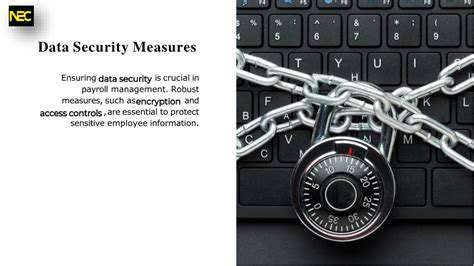
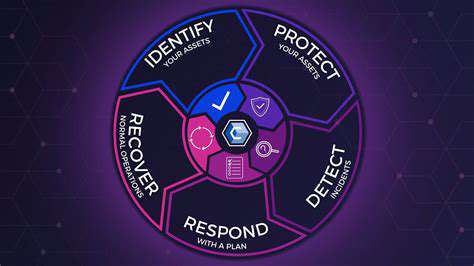
To combat the growing threat of cyberattacks, implementing a multi-layered security strategy is crucial. This includes adopting strong encryption practices, conducting regular security audits, and providing ongoing training for employees about cyber hygiene. Additionally, organizations should consider deploying AI and machine learning systems that can adapt and respond quickly to emerging threats and vulnerabilities.

Furthermore, organizations should also invest in security solutions that prioritize user privacy. By building systems that minimize data collection while still serving user needs, organizations can protect user information without sacrificing functionality. Ultimately, tailoring cybersecurity measures to the specific risks associated with AI devices will be instrumental in reducing exposure and protecting privacy in an increasingly digital world.

Legislation and Regulatory Frameworks

LegislationandRegulatoryFrameworks

Importance of Data Protection Regulations

Data protection regulations are critical for governing how organizations collect, store, and utilize personal information, especially given the rise of AI devices that often process sensitive data. With the introduction of legislation like the General Data Protection Regulation (GDPR) in Europe, companies face strict requirements that can lead to substantial penalties for non-compliance. Regulatory frameworks aim to establish clear guidelines for data usage, reinforcing consumer trust in technology.

Consumer protection is at the forefront of these regulations. Governments and agencies are increasingly enacting laws to safeguard individuals from potential data breaches and misuse. For example, in the United States, the California Consumer Privacy Act (CCPA) provides Californians with the right to know what personal data companies collect and the ability to request deletion of that data. This heightened awareness can spark a wave of similar legislative movements across other regions.

  • Legislation like GDPR sets fines for non-compliance.
  • Consumer trust is vital for technology adoption.
  • Regional laws like CCPA give consumers more control over their data.

Future Challenges in AI and Privacy Law

The rapid evolution of artificial intelligence presents ongoing challenges in Privacy law enforcement. Laws enacted today may not adequately address the complexities of AI, particularly concerning automated decision-making processes that impact individuals' lives. This gap necessitates a reevaluation of existing frameworks to keep pace with technology. For instance, the ability of AI systems to analyze vast amounts of personal data can lead to privacy violations that current legislation may not effectively address.

In addition, as AI technologies continue to integrate deeper into society, there is an urgent need for global cooperation on privacy standards. Discrepancies across borders can result in fragmented protection systems, making it easier for companies to exploit weaker regulations in certain jurisdictions. Stakeholders need to advocate for international agreements that establish a unified approach to privacy laws, ensuring reliability and protection for users worldwide. Regular stakeholder consultations can be instrumental in shaping these legislative discussions.

Cultivating a Privacy-Conscious Culture

Understanding Data Privacy Basics

Data privacy refers to the appropriate handling and protection of personal information. In a digital age, this concept is more crucial than ever. Many AI devices collect vast amounts of data from users, which can include everything from basic contact information to detailed behavioral patterns. Without a proper understanding of these principles, individuals and organizations may inadvertently compromise their own security.

A 2021 study by the International Association of Privacy Professionals (IAPP) revealed that nearly 80% of consumers express concerns regarding how their personal data is utilized by companies. This statistic clearly indicates a growing awareness and anxiety over privacy matters. As organizations deploy AI technologies, it’s essential to prioritize transparency in data collection and usage.

Establishing a robust privacy policy is a foundational step for any organization deploying AI devices. This policy should outline how data will be collected, used, and protected. It also ensures compliance with regulatory frameworks like the General Data Protection Regulation (GDPR) or the California Consumer Privacy Act (CCPA), both of which have specific requirements on data handling practices.

Training Employees on Privacy Practices

To cultivate a privacy-conscious culture, training should be a primary focus. Regular workshops and training sessions can empower employees with knowledge about data privacy. These sessions can address topics such as data classification, secure handling processes, and recognizing potential privacy threats.

Studies have shown that organizations with comprehensive training programs in data privacy witness a significant reduction in data breaches. In fact, a report from the Ponemon Institute indicates that businesses with extensive employee training experience 50% fewer data breaches compared to their untrained counterparts. This emphasizes the importance of equipping employees with the right tools and awareness to handle sensitive data responsibly.

Additionally, adopting a 'privacy-by-design' approach during the development stage of AI systems can foster a comprehensive understanding among employees. By integrating privacy features into operations from the onset, employees become more attuned to the importance of your privacy goals.

Implementing Data Protection Technologies

Organizations must make use of advanced technologies to safeguard personal data effectively. Solutions like encryption, anonymization, and data masking should be incorporated into their AI devices. Implementing such measures ensures that even if data is intercepted, it remains unreadable and secure.

A report by Cybersecurity Ventures projects that the global spending on data protection technologies will exceed $150 billion by 2025. This increasing investment indicates a clear acknowledgment of the value of securing data against breaches. Therefore, utilizing technology not only protects user information but also enhances consumer trust in AI applications.

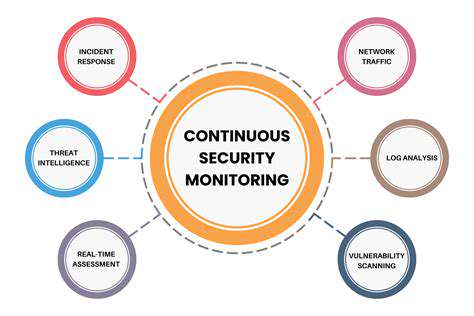
Furthermore, continuous monitoring tools can help in detecting unusual data access patterns, which can signal potential breaches. These systems should be automated for real-time alerts to guard against unauthorized access. A proactive approach to data security will, in turn, foster a more privacy-conscious culture across the organization.

Encouraging User Control over Personal Data

Empowering users with control over their own data can significantly enhance trust in AI technologies. Organizations should provide clear, understandable options for users to manage their privacy settings. This includes the ability to opt in or out of data collection and to delete their information at any time.

A survey conducted by Pew Research Center found that around 74% of Americans feel that it is essential for companies to provide greater control over data privacy. This insight emphasizes the need for businesses to create effective systems for user engagement regarding privacy. Enhanced user control not only builds trust but can lead to better business outcomes as consumers are more likely to engage with brands that prioritize their privacy preferences.

Evaluating and Adjusting Privacy Strategies Regularly

Privacy cannot be a one-time effort but requires ongoing evaluation and adjustment. Organizations should routinely assess their privacy strategies to ensure they align with the latest regulations and technologies. This can involve conducting audits, risk assessments, and gathering feedback from employees and users alike.

In a rapidly changing digital landscape, keeping up with regulations such as GDPR and CCPA is vital. Companies that fail to adapt risk facing hefty fines or losing customer confidence. Regular strategy evaluations can identify gaps in privacy measures and reinforce commitment to maintaining secure environments for data.

Lastly, establishing a cross-functional team dedicated to privacy oversight can help foster a culture focused on continuous improvement. Engaging various departments such as IT, legal, and human resources creates a comprehensive understanding of privacy needs and the collaborative effort necessary for success.

Read more about Privacy Implications of AI Devices

Understanding Supply Chain Attacks (SolarWinds Example)
May 09, 2025
Understanding Predictive Analytics
May 13, 2025
What is Explainable AI (XAI)?
May 15, 2025
Best Practices for Using IoT Devices Securely
May 23, 2025
Best Practices for API Security and Development
Jun 07, 2025
Best Security Practices for E commerce Websites
Jun 11, 2025
How to Protect Against IoT Botnets
Jul 17, 2025
Data Breaches Explained: What Happens & How to React
Jul 27, 2025
Introduction to Machine Learning for Programmers
Aug 02, 2025
Data Collection, Security, and User Empowerment in TechIn today's digital landscape, understanding data collection practices, security measures, and user empowerment is essential for both tech companies and users. With increasing regulatory demands, companies are prioritizing user consent mechanisms to ensure transparency in data practices. A recent study shows that 76% of users prefer clear information about data collection before giving consent, prompting many organizations to adopt opt-in strategies in compliance with regulations like the General Data Protection Regulation (GDPR).However, achieving full transparency remains a challenge. Complex privacy policies filled with legal jargon often deter users from understanding what they are consenting to. Surveys reveal that a staggering 85% of users skim these documents, underscoring the urgent need for companies to simplify communication and enhance user education about data usage.Data security measures are another significant concern. Techniques like data encryption and strict access controls are increasingly critical in guarding user information against unauthorized access. Strong encryption methods such as AES and RSA turn sensitive data into unreadable formats, enhancing trust and compliance with privacy laws. Additionally, implementing role-based access controls (RBAC) ensures employees only access the data pertinent to their roles, reducing the risk of internal breaches.Moreover, companies have an ethical obligation to prioritize data protection beyond just meeting compliance requirements. The role of user consent is pivotal; businesses must ensure that consent is informed and specific, detailing what data is collected and its intended use. With taxpayers advocating for transparency, many organizations are adopting simplified terms of service agreements to foster greater user understanding.User access and control are also vital aspects of modern data management. Companies must empower users by allowing them to manage their personal information easily. Implementing functionalities that let users download, modify, and delete their data cultivates loyalty and reinforces user agency. This shift towards user-centric data management not only meets regulatory demands but also aligns with growing consumer expectations for privacy and control.Emerging technologies, including Artificial Intelligence (AI) and blockchain, are paving the way for innovative data handling practices. AI enhances data processing capabilities, while blockchain technology offers decentralized data management that provides users with enhanced control and security. The rise of privacy-preserving technologies, such as differential privacy, further exemplifies the industry's shift towards ethical data management, ensuring that user insights can be derived without compromising individual privacy.As tech companies navigate the complexities of user data management, fostering a culture of transparency and accountability becomes essential. Organizations should prioritize regular updates and security training to defend against evolving threats, while also adapting to consumer concerns about data ethics.In summary, the future of data practices lies in striking a balance between compliance, security, and user empowerment. As technology evolves, companies must continually reassess their approaches to data management, ensuring they remain trustworthy custodians of user information while delivering superior experiences.
Feb 06, 2026
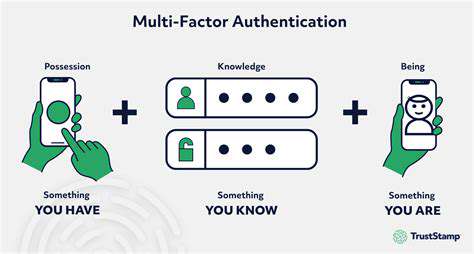
Comprehensive Guide to Securing Your Home NetworkIn today’s digital age, protecting your home network is more important than ever. With an increasing number of devices connected to the Internet, ensuring your Wi-Fi and devices are secure is critical. Here’s a detailed breakdown of essential steps to enhance your home network security. 1. Secure Your Wi-Fi NetworkStart by assessing your current Wi-Fi security settings. Login to your router’s settings via its IP address (often 192.168.1.1 or 192.168.0.1) and ensure the encryption is set to WPA3. Always choose a unique SSID that doesn't reveal personal information to ward off potential intruders. Regularly check the list of connected devices – any unfamiliar device should raise red flags.Next, change the default login credentials provided by your router manufacturer. Opt for a strong, complex password with a mix of letters, numbers, and symbols. It is recommended to change these credentials regularly to ensure maximum security. 2. Keep Your Devices UpdatedRegular software updates are vital to mitigate vulnerabilities. Research shows that 85% of security flaws can be addressed through timely updates. Neglecting your devices’ software exposes you to risks like malware and data breaches. To make this easier, consider setting your devices to update automatically. Be aware of distinctive update requirements for different devices, especially IoT devices, which may not get updates as frequently but are still critical to your network security. 3. Use Strong Passwords and Two-Factor AuthenticationCreating strong passwords is fundamental to securing your accounts. Utilize a combination of uppercase, lowercase, numbers, and special characters for complexity. Additionally, enable two-factor authentication (2FA) for sensitive accounts to add another layer of protection. 4. Monitor Connected DevicesDevice monitoring is crucial for identifying any unauthorized access. Use tools like Fing or GlassWire to provide insights into your network activity and help manage connected devices. Many routers also have built-in monitoring capabilities; utilize these features to stay informed about device logins and data usage.Setting up notifications for unusual activities and regularly reviewing device logs will allow you to take swift action against potential threats. Implementing device access controls like MAC address filtering can further enhance your network's security. 5. Educate Yourself About Common ThreatsFamiliarize yourself with potential cyber threats like phishing, ransomware, and malware. Regularly updating your knowledge on these issues helps you recognize signs of attacks and prevent them effectively. Regular discussions about cybersecurity with family members may encourage a collective effort towards maintaining a secure home network.In conclusion, enhancing your home network security involves a proactive, multi-layered approach. Regular updates, strong passwords, device monitoring, and awareness of common threats are all fundamental elements in safeguarding your personal information and ensuring a secure digital environment.
Feb 11, 2026
Essential Digital Skills and Emerging TechnologiesIn today's digital age, possessing fundamental digital skills is vital for navigating both personal and professional landscapes. This article explores several key areas of digital competence, including the essentials of digital literacy, effective online communication, and emerging technologies like the Internet of Things (IoT), artificial intelligence (AI), and blockchain. Understanding Digital LiteracyDigital literacy goes beyond basic device operation. It includes the ability to assess online information critically, enhancing both personal safety and professional prospects. As industries increasingly integrate technology, enhancing digital skills through online courses, tutorials, and hands-on experience is indispensable. Core Computer Skills Mastering basic computer skills is crucial. Understanding operating systems and software applications, as well as practicing online searches and data management, can position individuals for career success. Additionally, being adept at file security, including recognizing phishing scams and utilizing cloud storage, is essential for safeguarding personal and professional information. Effective Online CommunicationWith the rise of remote interactions, mastering online communication has become more important than ever. Techniques including email etiquette, social media engagement, and video conferencing are essential in maintaining professionalism and positive reputations online. Understanding privacy settings also enhances secure interactions. Enhancing Online Research SkillsSuccessful online research is critical for both academic and personal decision-making. The ability to locate, evaluate, and synthesize information from reliable sources is a vital skill. Continuous practice through projects or targeted workshops can significantly improve research methodologies. Cybersecurity AwarenessAmidst increasing connectivity, awareness of cybersecurity threats is crucial. Understanding potential threats, such as malware, phishing, and data breaches, enables users to adopt protective measures. Implementing strong passwords, two-factor authentication, and keeping software updated can fortify defenses against cyber incidents. Introduction to IoTThe Internet of Things (IoT) represents a network of interconnected devices that communicate data seamlessly. Its applications range from smart home devices to healthcare innovations. The growing number of connected devices presents both opportunities and challenges in security and interoperability. AI Integration in Daily LifeArtificial Intelligence (AI) is revolutionizing user experiences through personal assistants, predictive algorithms in services, and improvements in various industries. While providing efficiency and personalized experiences, AI also brings challenges related to data privacy and algorithmic bias. Blockchain Technology ExplainedBlockchain technology serves as a foundation for cryptocurrencies and offers far-reaching possibilities beyond financial transactions. Its decentralized nature enhances data security and transparency across sectors, including finance, supply chain, and healthcare. However, challenges such as scalability and regulatory uncertainty remain. Cyber Threats and Safety PracticesAwareness of cyber threats is paramount for digital safety. Implementing best practices such as creating robust passwords, utilizing firewalls, and conducting regular data backups can safeguard against data loss and breaches. Continuous education and proactive measures are essential in maintaining a secure digital environment.As we continue to evolve in this digital landscape, cultivating these essential skills and understanding emerging technologies will empower individuals and organizations alike, paving the way for a more secure and innovative future.
Feb 14, 2026
View Publication>>

Hot Recommendations