Blockchain
Regulation
Scalability
Sustainability
Interoperability
Education

Challenges Facing Blockchain Adoption

Table of contents

    Regulatory frameworks for blockchain are still developing, causing confusion for businesses.

    Regulatory uncertainty impacts companies' willingness to adopt blockchain technology.

    Regulators prioritize consumer protection; entrepreneurs push for innovation.

    Countries like Singapore foster blockchain innovation with clear regulations.

    Industry advocacy is vital for balanced blockchain regulatory environments.

    Future regulations could favor collaboration between stakeholders for improved clarity.

    Blockchain scalability faces challenges as transaction demand increases.

    Current solutions like Layer 2 efforts have limitations on user experience.

    Consensus mechanisms impact scalability, with PoW and PoS having trade-offs.

    Future innovations and standardization may enhance blockchain scalability.

    Blockchain energy consumption raises sustainability concerns, particularly with PoW systems.

    Ethereum's PoS significantly reduces energy consumption compared to Bitcoin's PoW.

    Innovative solutions like DPoS aim to improve energy efficiency in blockchain.

    Future regulations may incentivize energy-efficient blockchain practices.

    Standardized protocols are necessary to improve blockchain interoperability.

    Integrating legacy systems with blockchain poses considerable challenges.

    Companies must explore phased implementations for adapting legacy systems.

    Many business leaders lack a thorough understanding of blockchain technology.

    Lack of training contributes to limited blockchain knowledge in various sectors.

    Targeted educational initiatives are crucial for bridging blockchain knowledge gaps.

    Accessible blockchain education channels can enhance understanding and adoption.

    Community engagement promotes awareness and understanding of blockchain technology.

1. Regulatory Uncertainty
1.RegulatoryUncertainty

Understanding Regulatory Frameworks

Regulatory frameworks for blockchain technology are still in a state of development, which leads to confusion among developers and businesses. A clear understanding of the various regulations is crucial for anyone looking to adopt blockchain systems. Countries around the world differ significantly in their approaches, with the U.S. and European Union taking notably different paths.

In the U.S., regulatory bodies like the SEC and CFTC have begun issuing guidelines; however, ambiguities remain. Stakeholders must keep track of constantly evolving regulations that could impact operational models. This is particularly problematic for startups, which often lack the resources to navigate the dense legal landscape.

Impact on Business Models

The uncertainty in regulations directly affects how companies plan their business models. For instance, organizations may hesitate to invest in blockchain solutions if they foresee potential legal repercussions down the road. As a result, companies might choose traditional systems over innovative blockchain technologies, inhibiting industry progress.

Moreover, businesses that are unsure of the rules may also undercapitalize their blockchain initiatives, opting for minimal integration instead of robust adoption. This cautious approach limits their ability to leverage the unique advantages that blockchain offers, such as enhanced transparency and security.

Tension Among Key Stakeholders

  • Regulators aim for consumer protection and market stability.
  • Entrepreneurs focus on technological innovation and growth.
  • Investors seek profitable opportunities with clear risk assessments.

This tension manifests in a variety of ways, demonstrating a struggle for power between innovation and regulation. Stakeholders in the blockchain space are often at odds; while regulators prioritize consumer protection, entrepreneurs strive for rapid innovation and growth. This friction can lead to an environment where progress is stunted, hampering the sector as a whole.

Global Comparisons

Globally, countries such as Singapore and Switzerland have drawn praise for their favorable regulatory environments, which actively encourage blockchain innovation. By establishing clear frameworks and offering regulatory sandboxes, these nations enable startups to experiment with blockchain without fear of immediate legal repercussions.

In contrast, countries with strict regulatory stances often deter innovation, leaving local startups at a disadvantage. It is essential for stakeholders to consider the Global regulatory landscape when planning their blockchain strategies, as an international perspective can yield insights into best practices and opportunities.

The Role of Industry Advocacy

Industry advocacy groups play a pivotal role in shaping the regulatory landscape by representing the interests of blockchain businesses. They collaborate with regulators to provide insights and propose amendments that could ease regulatory burdens. This advocacy is vital for creating a balanced environment that fosters innovation while maintaining necessary consumer protections.

Effective lobbying can directly influence regulatory policies, allowing for more accommodating frameworks that nurture the growth and adoption of blockchain technologies. Therefore, companies should consider joining industry groups to enhance their influence and stay informed about legislative developments.

Future Directions for Regulation

Looking ahead, regulatory bodies are increasingly engaging with blockchain technology to better understand its implications and potential. Some anticipate that the future will bring collaborative efforts between regulators and industry leaders aiming for consensus and clarity. Such initiatives could lead to standardization, paving the way for more streamlined compliance protocols across the globe.

Innovation and regulation do not have to be mutually exclusive; a well-crafted regulatory environment can actually stimulate growth in the blockchain sector. Stakeholders should remain hopeful yet vigilant as they navigate the unfolding landscape, equipped with knowledge and the willingness to adapt. Ultimately, the trajectory of blockchain adoption hinges on effective collaboration between technology advocates and regulators.

2. Scalability Issues
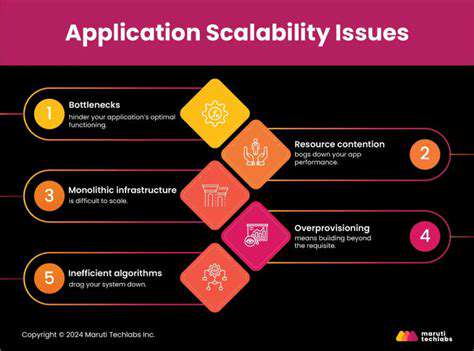
2.ScalabilityIssues

Understanding Scalability in Blockchain

Scalability refers to the capability of a blockchain network to handle an increasing amount of transactions effectively. As the demand for blockchain applications grows, the existing infrastructure often struggles to keep pace, resulting in slower transaction times and higher fees. Many blockchain platforms initially designed for smaller transaction volumes find their limits tested as user adoption increases.

To illustrate, Bitcoin processes an average of 7 transactions per second (TPS), while Ethereum manages around 30 TPS. In contrast, traditional payment networks such as Visa can handle over 24,000 TPS. This significant disparity raises questions about the suitability of blockchain for high-volume applications such as financial services or e-commerce.

Current Solutions and Their Limitations

  • Layer 2 solutions, like the Lightning Network and Plasma, aim to enhance speeds.
  • Sharding introduces data partitioning to improve throughput.
  • New consensus algorithms, such as Proof of Stake, promise to enhance efficiency.

While various solutions exist to address scalability challenges, many come with their own set of limitations. For instance, Layer 2 solutions can complicate the user experience, and they may introduce potential points of failure. Furthermore, sharding can require extensive changes to existing protocols, creating integration issues for Legacy Systems.

It's worth noting that these solutions require significant developer resources and time to implement effectively. In many cases, organizations find themselves caught in a balancing act between scaling their blockchain applications and maintaining their underlying security and decentralization principles.

The Role of Consensus Mechanisms

Consensus mechanisms are vital for maintaining the integrity and security of blockchain networks. Proof of work (PoW) and proof of stake (PoS) are two widely used methods, but each comes with scalability challenges. For instance, PoW relies on extensive computational power, which can lead to network congestion, especially during high-activity periods.

On the other hand, PoS offers a more efficient alternative by validating transactions based on the number of coins held, thereby potentially enhancing the network's scalability. However, this mechanism also raises concerns regarding centralization, as wealthier participants may gain disproportionate power. Balancing efficiency with decentralization continues to be a topic of debate within the blockchain community.

Future Outlook on Blockchain Scalability

The future of blockchain scalability hinges on innovative technological advancements and collaborative efforts across the industry. Emerging technologies, such as zero-knowledge proofs and sidechains, present promising avenues. These can allow for the validation of transactions without needing to reveal all details, thereby conserving bandwidth and enhancing privacy.

Moreover, industry stakeholders are increasingly recognizing the need for standardization across different blockchain protocols to facilitate interoperability. This standardization can significantly improve scalability issues by allowing different networks to communicate more effectively, thereby distributing the transaction load. As more organizations invest in research and development, we may soon see groundbreaking approaches to solving longstanding scalability challenges.

3. Energy Consumption and Sustainability

Energy Consumption of Blockchain Networks

Blockchain networks, particularly those utilizing Proof of Work (PoW) systems like Bitcoin, are renowned for their high Energy Consumption. Studies estimate that Bitcoin's energy usage rivals that of entire countries, with figures reaching approximately 100 terawatt-hours annually. This staggering amount raises significant questions about sustainability and environmental impact.

Moreover, the energy consumption of blockchain is not solely a matter of scale; it varies widely based on the technology employed. For example, Ethereum's transition to Proof of Stake (PoS) reduced its energy requirements by over 99%. This shift demonstrates how choosing different consensus mechanisms can lead to substantial reductions in energy usage and facilitate more eco-friendly blockchain solutions.

The Environmental Impact of Blockchain

The environmental implications of blockchain technology are receiving increasing scrutiny, particularly in terms of carbon emissions. Where fossil fuels primarily drive energy sources, blockchain activities can significantly contribute to greenhouse gas emissions. A study indicated that Bitcoin mining alone could lead to an increase of around 0.5 degrees Celsius in global temperatures if harnessed with carbon-intensive energy resources.

Efforts are underway to mitigate these effects by encouraging renewable energy solutions, such as solar and wind-powered mining operations. Integrating these technologies not only lessens environmental harm but also sets a precedent for the industry, encouraging more sustainable practices across the board.

Sustainable Solutions and Innovations

To combat the energy dilemma, research is being dedicated to the development of more energy-efficient consensus algorithms. For instance, innovations like Delegated Proof of Stake (DPoS) are gaining traction, allowing for network participation while significantly reducing energy consumption. Reports show that these newer systems can operate on a fraction of the energy traditionally consumed by PoW networks.

Innovative solutions extend beyond consensus mechanisms. Companies are experimenting with off-peak energy usage, where mining activities are concentrated during times of low demand. This not only optimizes energy consumption but also stabilizes energy markets, demonstrating a commitment to environmental consciousness from the blockchain community.

Future Directions for Energy Efficiency

The future of blockchain energy consumption appears poised for transformation, driven by technological advancements and regulatory pressures. Increasingly, governments and organizations are introducing policies to incentivize energy-efficient practices in blockchain operations. For instance, some regions are offering tax breaks or subsidies for using renewable energy sources in cryptocurrency mining.

Furthermore, educational initiatives aimed at informing blockchain developers and users about the Environmental Impact are crucial. These programs can promote awareness and support decisions towards greener practices, ensuring that blockchain's progression does not come at an unsustainable ecological cost. By encouraging a more conscientious approach to blockchain energy consumption, we can work collectively toward a more sustainable digital future.

4. Interoperability Concerns

4.1 The Need for Standardized Protocols

One of the paramount interoperability challenges facing blockchain technology arises from the absence of Standardized Protocols. Currently, various blockchain platforms utilize their own unique rules and structures, making cross-chain interactions exceedingly complicated. Standardization could streamline processes and ensure smoother communication between different blockchain networks, enhancing overall efficiency and usability. The development of widely accepted standards is essential for creating a seamless environment that encourages adoption across multiple sectors.

Research from the World Economic Forum indicates that the lack of interoperability between different blockchain systems could hinder market growth and restrict innovation. By establishing internationally recognized protocols, we can foster collaboration among developers and organizations. This may not only spur advances in technology but also attract investment into new projects, further enhancing the blockchain ecosystem.

4.2 Integrating Legacy Systems with Blockchain

Integrating legacy systems with blockchain technology presents another substantial hurdle. Many enterprises possess existing technological infrastructures that are deeply embedded in their operations. Successfully merging these traditional systems with new blockchain solutions requires significant investment in terms of both time and resources. The complexity of adapting these legacy systems may deter organizations from considering blockchain as a viable option, limiting its adoption in key industries.

Companies need to evaluate their current systems critically and consider phased implementations of blockchain technologies to mitigate risks while facilitating a smoother transition. Solutions like middleware can bridge the gap, allowing older systems to communicate with blockchain networks effectively. These steps can help organizations leverage the benefits of blockchain without disrupting their existing workflows extensively.

5. Limited Awareness and Education

5.LimitedAwarenessandEducation

Understanding the Knowledge Gap

Despite the technological advancements surrounding blockchain, many individuals lack a comprehensive understanding of its implications. This knowledge gap is predominantly rooted in inadequate educational resources. According to a report by the World Economic Forum, over 70% of business leaders believe that the Potential of blockchain is not fully understood. This misalignment can hinder the technology’s implementation, as organizations may not grasp the impactful benefits it can offer.

Surveys indicate that employees in various sectors often receive limited training on emerging technologies such as blockchain. This shortfall highlights the Urgent need for targeted educational initiatives. By equipping individuals with the right skill sets, businesses can fully leverage blockchain’s capabilities and drive innovation.

  • Many business leaders lack understanding of blockchain potential.
  • Inadequate training results in limited knowledge on blockchain.
  • Targeted educational initiatives are necessary for skill development.

Bridging the Education Gap

Creating accessible channels for blockchain education is essential for wider adoption. Academic institutions and private entities can collaborate to develop affordable courses that demystify blockchain technologies. Offering online modules, workshops, and webinars can reach a diverse audience and cater to varying levels of expertise.

Additionally, organizations can promote internal training programs. Having knowledgeable employees mentor their colleagues can foster an environment of continuous learning. This strategy not only enhances overall company understanding of blockchain but also encourages a culture of innovation. By prioritizing education, companies can not only bridge the knowledge gap but also enhance their competitive edge.

Promoting Awareness Through Community Engagement

Community engagement serves as a critical avenue for promoting blockchain awareness. Local meetups, hackathons, and industry conferences can create spaces for dialogue and learning. Research indicates that grassroots movements often lead to greater acceptance of emerging technologies. By allowing communities to share experiences and challenges related to blockchain, individuals can better understand its practical applications.

Moreover, leveraging social media platforms can amplify awareness initiatives. Through targeted campaigns and informative content, stakeholders can reach a broader audience. Educational posts, videos, and infographics can explain blockchain concepts in an engaging manner, making the technology more relatable. Communities play a pivotal role in offering the support and resources necessary for individuals to familiarize themselves with blockchain technology.

Read more about Challenges Facing Blockchain Adoption

Exploring the Latest VR and AR Technologies in 2025
May 12, 2025
The Future of Personal Transportation Beyond Cars (Hyperloop, eVTOL)
Jul 22, 2025
Transforming Industries with Blockchain Technology Overview Blockchain technology is revolutionizing various sectors, including supply chain management, healthcare, intellectual property, voting systems, and identity verification. This article discusses the transformative role of blockchain, enhancing efficiency, transparency, and security across these industries. Supply Chain Management The Role of Blockchain in Supply Chain TransparencyIn an era where consumers value ethical sourcing, blockchain technology provides businesses with the ability to trace products from raw materials to delivery. Major retailers like Walmart have adopted blockchain for food traceability, enhancing safety and accountability. Enhanced Efficiency through Smart ContractsSmart contracts simplify supply chain operations by automating processes, reducing errors and intermediaries. This innovation not only saves time but also significantly cuts costs. Real-time Data SharingWith blockchain and IoT integration, businesses can achieve real-time data sharing, allowing for rapid responses to market fluctuations, ultimately boosting operational efficiency. Case StudiesCollaborations, such as Maersk and IBM's TradeLens, demonstrate how blockchain enhances transparency in shipping. De Beers uses blockchain to ensure ethical diamond sourcing, catering to consumer demand for authenticity. Future TrendsBlockchain's growth in supply chain management is expected to continue as technology improves, promising enhanced transparency and efficiency. Healthcare Data Management Data Security and PrivacyAmidst rising data breaches, blockchain offers a secure solution for protecting patient data and ensuring confidentiality. Streamlining Patient RecordsBlockchain's unified ledger improves patient care by providing seamless access to medical histories across different healthcare providers. Reducing Fraud and MisdiagnosisBy utilizing decentralized ledgers, blockchain can combat healthcare fraud effectively while minimizing misdiagnosis risks. Enhancing Drug TraceabilityBlockchain's traceability feature aids in verifying the authenticity of medications, addressing the issue of counterfeit drugs. Facilitating Clinical TrialsBy maintaining transparent records, blockchain enhances data integrity in clinical trials, thereby expediting the development of new treatments. Intellectual Property Protection The Digital Age and IPRIn light of increasing digital content duplication, blockchain enhances intellectual property rights protection through transparency and immutability. Case Studies in IPRCompanies like Everledger and Audius utilize blockchain to secure ownership rights and enable transparent royalty distribution, addressing longstanding issues in IP management. Future TrendsTo optimize blockchain's potential, collaborations among creators, corporations, and governments are essential for establishing effective regulatory frameworks. Voting Systems Mechanics of Blockchain in VotingBlockchain voting systems provide secure, verifiable, and transparent voting processes while addressing traditional challenges like fraud. Real-World ApplicationsEstonia’s blockchain-based voting system demonstrates the efficacy and security of digital voting, but the technology faces challenges, including digital accessibility and cyber threats. Identity Verification Importance of Identity VerificationWith rising cyber threats, blockchain enhances identity verification processes, ensuring security in sectors from banking to healthcare. Revolutionizing Identity Verification with BlockchainBlockchain platforms like Sovrin offer decentralized identification, granting users control over their data while simplifying verification processes. Regulatory ComplianceBlockchain aids businesses in meeting KYC and AML regulations, bolstering consumer trust through auditable trails. Adoption ChallengesDespite its advantages, organizations must navigate technical expertise gaps and regulatory variances when implementing blockchain identity verification. ConclusionBlockchain technology presents unprecedented opportunities for innovation across multiple sectors, enhancing transparency, efficiency, and security while addressing contemporary challenges. As this technology continues to evolve, its adoption will reshape industries and enhance global practices.
Feb 07, 2026
Top Picks in 2023In an increasingly mobile work environment, finding the right portable monitor can enhance productivity and improve your work experience. This comprehensive guide reviews some of the best portable monitors available in 2023, focusing on their features, display quality, portability, and user feedback. 1. ASUS ZenScreen MB16ACThe ASUS ZenScreen MB16AC features a Full HD resolution of 1920 x 1080 pixels and an IPS panel providing a 178-degree viewing angle for consistent color accuracy. This portable monitor includes anti-glare coating and ASUS's Eye Care technology, minimizing eye strain for prolonged use. Its lightweight design (0.78 kg) paired with USB Type-C connectivity makes it a swift and effective choice for professionals on the go. 2. AOC I1601FWUXThe AOC I1601FWUX stands out with a compact, durable design and vibrant IPS display at 1920 x 1080 resolution. Weighing under 1.5 pounds, this monitor is perfect for travel. The magnetic smart cover doubles as a stand, promoting easy setup. With USB-C and micro-HDMI ports, it caters to various devices, drawing positive reviews for its plug-and-play functionality and versatile performance in fast-paced settings. 3. Lenovo ThinkVision M14The Lenovo ThinkVision M14 impresses with a weight of merely 598 grams and a slim profile. Its Full HD IPS panel promises crisp visuals and excellent color accuracy, making it ideal for creatives. Equipped with dual USB-C ports, this monitor allows easy device connections and even supports daisy-chaining for expanded setups. Ergonomically designed with adjustable tilt, it promotes comfort for extended use, while its power-efficient design ensures convenience during travels. 4. Dell P2419HCWith its sleek design, the Dell P2419HC blends aesthetics and functionality seamlessly into any workspace. Featuring a fully adjustable stand, IPS display with 1920 x 1080 resolution, and robust connectivity options including USB-C, this monitor is designed for versatility. Its energy-efficient design helps reduce electricity costs, making it a great choice for eco-conscious users. The highly praised user experience further highlights Dell's strong customer support and overall product quality. 5. Gechic 1101PThe Gechic 1101P boasts an 11.6-inch screen with an IPS panel and a Full HD resolution, providing vibrant color and wide viewing angles. Lightweight at under 1kg, it features USB-C for power delivery and supports various devices. Its foldable stand enhances usability, making it a strong candidate for remote workers and travelers. Customer reviews commend its display quality and ease of use, cementing its reputation as a reliable portable monitor option. ConclusionSelecting the right portable monitor is crucial for enhancing productivity and comfort while working remotely. Whether you prioritize display quality, portability, connectivity, or ergonomic features, options like the ASUS ZenScreen MB16AC, AOC I1601FWUX, Lenovo ThinkVision M14, Dell P2419HC, and Gechic 1101P represent the best in the market in 2023. Consider your specific needs to make an informed choice that complements your mobile lifestyle.
Feb 08, 2026
Exploring the Future of Renewable Energy and Sustainable PracticesIn an age where environmental issues are at the forefront of global discourse, the adoption of renewable energy and sustainable practices is no longer an option but a necessity. This web page delves into the pivotal areas of renewable energy investment, sustainable product design, circular economy initiatives, energy-efficient technologies, and sustainable supply chain practices. Renewable Energy AdoptionGlobal investments in renewable energy have skyrocketed, reaching $501 billion in 2020 alone. Major sectors, especially solar and wind, drive this growth, with projections indicating that investments could surpass $3 trillion annually by 2030. Government policies that encourage renewable energy adoption, such as tax credits and quotas, showcase a commitment to sustainable energy.Technological advancements, particularly in Artificial Intelligence (AI) and energy storage solutions like lithium-ion batteries, have made renewable energy sources more reliable. Smart grid technologies are redefining how energy is distributed, enhancing efficiency and reducing waste. Sustainable Product DesignUnderstanding sustainable materials is crucial for creating products that minimize environmental harm. Biodegradable plastics and recycled materials not only help in managing waste but also reduce carbon emissions significantly. A Life Cycle Assessment (LCA) helps designers evaluate environmental impacts from conception to disposal, enabling informed decisions regarding materials and energy use.Consumer preferences are shifting, with over 66% willing to pay more for sustainable products. Brands that leverage sustainability, like Patagonia and Unilever, are building strong consumer loyalty, emphasizing the need for companies to adopt sustainable practices. Circular Economy InitiativesThe circular economy focuses on reducing waste through a closed-loop system, emphasizing reuse and recycling. By 2030, transitioning to a circular economy could contribute an estimated $4.5 trillion to global GDP. Key technologies, such as 3D printing and blockchain, facilitate efficient resource management and transparency within supply chains.Successful cases from companies like IKEA and Dell highlight how circular practices not only mitigate environmental impact but also enhance brand competitiveness. Government policies play a vital role in promoting these practices, ensuring businesses adopt more eco-friendly approaches. Energy-Efficient TechnologiesEmerging smart grid technologies are revolutionizing the energy landscape, optimizing energy distribution and reducing consumption. Energy-efficient appliances and green building technologies are further promoting sustainability, minimizing the ecological footprint of households and commercial buildings.The integration of renewable energy sources into existing systems is essential to achieving environmental goals. With innovations like real-time energy management systems, the transition to a renewable-centric grid becomes more feasible, while promoting job creation in the green energy sector. Sustainable Supply Chain PracticesSustainable sourcing strategies are crucial for crafting eco-friendly supply chains. Companies can significantly reduce their carbon footprint by selecting suppliers that uphold environmental regulations and ethical practices. Adopting technological solutions like data analytics, AI, and IoT can enhance transparency and operational efficiency within supply chains.By prioritizing sustainability, businesses not only contribute positively to the environment but can also gain competitive advantages in a marketplace increasingly driven by consumer awareness and demand for sustainable practices.---In summary, the convergence of renewable energy adoption, sustainable product design, circular economy initiatives, energy-efficient technologies, and responsible supply chain practices signifies a two-pronged approach tackling climate issues while fostering business innovation. The commitment to sustainability is shaping the future of industries, ensuring they thrive in an environmentally conscious world.
Feb 12, 2026
Trends in Wireless Audio Technology
Feb 14, 2026
the shift towards sustainability. This eco-friendly revolution underscores the importance of sustainable materials, energy-efficient technologies, and ethical sourcing in shaping the future of consumer electronics. The Importance of Sustainable MaterialsModern manufacturers are moving away from traditional plastics and embracing sustainable materials like bioplastics, recycled metals, and natural fibers. For instance, companies like Apple have committed to utilizing recycled aluminum, consequently reducing their carbon footprint and conserving natural resources. By adopting life-cycle assessments, brands can evaluate their environmental impacts, which helps them become more appealing to conscious consumers while innovating product designs that align with corporate responsibility. Energy Efficiency in ElectronicsEnergy efficiency is a pivotal aspect of sustainable technology. Devices designed to be energy-efficient not only lower greenhouse gas emissions but also significantly reduce consumer costs. Programs like Energy Star have saved consumers over $500 billion on energy bills, pushing manufacturers like Dell and HP to invest in energy-efficient processors and power management systems for longer battery life and lower energy consumption. The Role of Policy and RegulationGovernment policies play a vital role in encouraging sustainability within the electronics sector. Legislation such as the European Union's WEEE Directive holds manufacturers accountable for product disposal, while regulatory incentives motivate green practices. Continued dialogue between policymakers and industry stakeholders is essential to ensure regulations effectively promote eco-friendly innovations. Consumer Awareness and DemandWith rising consumer awareness regarding environmental concerns, demand for sustainable electronics is accelerating. Recent reports indicate that 73% of consumers are willing to pay more for eco-friendly products. This shift prompts manufacturers to elevate transparency about their sustainability efforts, as brands that prioritize these values can gain a competitive edge. Challenges in the Transition to SustainabilityDespite advancements in eco-friendly technologies, transitioning to sustainable practices is not without challenges. High initial costs can deter smaller manufacturers, and the rapidly evolving technology landscape complicates efforts to consistently promote sustainability. However, through collaboration and knowledge-sharing, the industry can overcome obstacles and drive meaningful change. Innovative Technologies Driving Energy EfficiencyAs technology evolves, innovations such as smart grid technology and energy-efficient hardware are pivotal in reducing power consumption. The integration of these advancements is proving beneficial for consumers and the environment. Sustainable Materials and Ethical SourcingIncorporating sustainable materials into tech products is essential for minimizing environmental impacts. Using renewable resources and certified materials ensures ethical sourcing, which nearly 70% of consumers prioritize in their purchasing decisions. The Future of Consumer ResponsibilityThe evolving landscape of sustainability in consumer technology signifies the increasing responsibility of consumers. Awareness of sustainability issues fosters informed purchasing decisions, enabling individuals to push brands towards greener practices. The future promises a collaborative effort among individuals, businesses, and policymakers to create a more sustainable electronics industry.---Join the eco-friendly revolution. Embrace sustainability in your tech choices, and support innovations that contribute to a healthier planet. Learn more about your power as a consumer to influence change and promote responsible practices in the electronics industry.
Feb 16, 2026
When to Upgrade Your DevicesIn today's fast-paced digital world, maintaining optimal performance in your tech devices is essential. Understanding when upgrades are necessary not only boosts productivity but also ensures security and compatibility with newer software. This guide outlines key considerations for evaluating device performance, recognizing when to upgrade, and understanding the benefits of newer technology. Identifying Performance BottlenecksPerformance bottlenecks can lead to frustrating slow loading times and application crashes. Tools like Task Manager (Windows) or Activity Monitor (Mac) help users identify resource-heavy applications. Keeping software updated is crucial; about 60% of users report that outdated applications lead to sluggish performance. By regularly updating your devices, you enhance both speed and security. The Importance of BenchmarkingBenchmarking using tools like Geekbench or PassMark provides insights into your device's capabilities compared to industry standards. This data-driven approach helps in making informed decisions regarding potential upgrades based on concrete performance metrics. Cost-Benefit Analysis for UpgradesBefore considering an upgrade, evaluate the cost versus benefits. Minor improvements may suffice for some devices, but persistent lags often necessitate a new purchase. A survey indicates that 75% of tech professionals prioritize costs in upgrade decisions. The long-term benefits of newer devices include improved energy efficiency and enhanced performance. Understanding Device LifespanTech devices have defined lifespans; smartphones typically last 2-3 years, while laptops average 4-5 years. As devices age, their ability to handle new software deteriorates, leading to performance issues. Recognizing these timelines is crucial for informed upgrade decisions. Recognizing Signs for Replacement Key indicators your device may need replacement include slow boot times, frequent crashes, and diminished battery life. Failing to support the latest operating systems can also affect usability and security. Monitoring these signs can guide your timing for an upgrade. The Cost of DelayDelaying upgrades often results in escalating repair costs and potential security risks, including data breaches. The financial implications can be significant—inefficient technology can lead to substantial losses for businesses. Environmental ConsiderationsOpt for eco-friendly upgrades by selecting manufacturers focused on sustainability. Many offer trade-in programs that help reduce electronic waste while providing incentives for new purchases. Future-Proofing TechnologyWhen upgrading, prefer devices engineered for longevity. Look for features that ensure compatibility with future software demands. Doing market research can assist in selecting models that balance current and future needs. Compatibility with New SoftwareUnderstanding software requirements is crucial when evaluating device compatibility with new applications. Regular software updates help maintain functionality; however, outdated hardware may not support newer software efficiently, leading to performance issues. Professional Recommendations and Community InsightsConsulting IT professionals for tailored advice and engaging in tech forums for peer feedback can offer valuable perspectives on upgrade timing and device choices. The Impact of Emerging TechnologiesEmbrace advancements in technology, as newer devices often provide enhanced performance and features. Staying informed about the latest trends, such as AI and improved graphics, can guide timely upgrade decisions.By evaluating these factors, users can effectively enhance their tech experience through timely upgrades, ensuring efficiency, productivity, and security in an ever-evolving digital landscape.
Feb 16, 2026
Essential Guide to Setting Up for Online LearningAs online learning continues to gain momentum, creating the perfect tech setup is crucial. This guide outlines the essential hardware, software, and strategies to ensure your virtual learning environment is conducive to focus and productivity. 1. Essential Hardware for Online Learning Key Components of Your Tech SetupStart with a reliable computer—preferably a recent model equipped with a fast processor and at least 8GB RAM. Choose solid-state drives (SSDs) for enhanced performance when running video conferencing tools and other applications. A strong internet connection is crucial. For standard video calls, a minimum upload speed of 3 Mbps is necessary, while 25 Mbps or more is recommended for high-resolution streaming. A wired Ethernet connection often offers more stability than Wi-Fi, minimizing connectivity issues. Essential AccessoriesBoost your online learning experience with quality accessories. Invest in a USB microphone for clear audio, particularly important for interactive sessions. Similarly, a 1080p webcam ensures you can be seen clearly. Comfortable headphones with built-in microphones can also help you stay focused during lessons. Additionally, ergonomic furniture will support your posture, allowing for longer, more comfortable study sessions. An adjustable chair and desk can make a significant difference in your learning environment. 2. Software Essentials for Online ClassesFinding the right Learning Management System (LMS), such as Moodle or Google Classroom, will streamline access to materials and reinforce communication with instructors. Video conferencing tools like Zoom and Google Meet are indispensable for real-time interaction and collaboration. Collaboration ToolsUtilize tools like Google Workspace for enhanced group projects and peer interaction, enabling simultaneous editing and feedback. Supplement your studies with platforms like Quizlet and Kahoot! for engaging self-paced learning opportunities. 3. Creating a Productive Learning EnvironmentEstablishing a dedicated learning space helps in mentally preparing you for class. This area should minimize distractions and maximize focus. Ensure optimal lighting—natural light is ideal, but soft LEDs can replicate its effect. Arrange your space to avoid glare during long sessions. Managing DistractionsEliminate environmental distractions by creating a structured study schedule. Inform your household about your study times, and use technology to limit notifications from non-essential apps. 4. Maintaining Your Tech SetupRegular maintenance is vital for ensuring everything runs smoothly. Update your software and drivers to keep your system secure and functioning optimally. Conduct speed tests regularly and consider upgrading your internet plan if necessary. Backup SolutionsAlways have a reliable backup system in place to secure important academic files. Use cloud storage services to safeguard your data and ensure it's accessible from any device. ConclusionInvesting in the right technology, software, and environment is key to effective online learning. By following these guidelines, you’ll create a setup that not only facilitates your education but also promotes healthy study habits and engagement. Proper maintenance and organization can further enhance your online learning experience, ensuring success in the virtual classroom.
Feb 18, 2026
Understand Risks and Enhance ProtectionIn today’s digital age, blockchain technology stands out as a revolutionary approach to record-keeping and transactions. However, understanding the fundamentals of blockchain security is essential for users and developers alike. This comprehensive guide delves into cryptographic techniques, the decentralized architecture of blockchain, and common myths surrounding its security. Understanding Cryptographic TechniquesAt the foundation of blockchain security are cryptographic techniques like hash functions and digital signatures. These methods ensure data integrity and authenticity, making it difficult for malicious actors to tamper with information. As cryptocurrency platforms, such as Bitcoin, rely heavily on these techniques, they help maintain user trust by allowing only rightful owners to validate transactions. Redundancy and DecentralizationOne of the significant advantages of blockchain technology is its decentralized nature. Unlike traditional banking systems, which depend on a single authority, blockchains distribute data across multiple nodes. This redundancy enhances resilience against attacks, as there is no singular point of failure. Consensus mechanisms like Proof of Work and Proof of Stake further validate transactions, ensuring that fraudulent activities are kept in check. Myths Debunked: Understanding Blockchain SecurityWhile blockchain technology is often viewed as a panacea for secure transactions, it's crucial to grasp that it’s not entirely foolproof. Vulnerabilities exist not only in the technology itself but also in smart contracts and user behavior. The rise of cybercrime, projected to reach $10.5 trillion annually by 2025, underlines the importance of vigilance against evolving threats. Myth 1: Blockchain is Completely SecureAbsolute security is a myth; blockchain networks can be targeted through various avenues, including poorly coded smart contracts and user wallets. Myth 2: Blockchain Guarantees AnonymityWhile blockchain offers a degree of pseudo-anonymity, transactions are typically recorded on a public ledger. Users’ identities could be traced back if their wallet addresses are linked to real-world identities. Privacy-centered cryptocurrencies can enhance anonymity, but users must employ these with caution. Smart Contracts and Their VulnerabilitiesSmart contracts, while designed to automate processes, are susceptible to coding errors that can lead to loss of funds. Regular audits and testing are crucial for mitigating their risks. Moreover, the reliance on accurate data inputs means that incorrect information can compromise the entire operation of a smart contract. Continuous Improvement and EducationThe dynamic nature of blockchain technology means that security measures must continuously evolve. Companies should conduct security audits and stay updated on emerging threats. Additionally, educating users about safe practices and potential risks associated with blockchain usage is paramount for enhancing overall security. ConclusionBlockchain security is complex and multifaceted. While it offers significant advantages such as decentralization and cryptographic integrity, users and developers must remain educated and vigilant. By understanding these foundational aspects, individuals can better navigate the evolving landscape of blockchain technology, ensuring the systems' integrity and their own protection.
Feb 21, 2026
Shaping the Future of Digital InteractionExplore the revolutionary advancements in Virtual Reality (VR) and Augmented Reality (AR) that are transforming the gaming, entertainment, and education sectors. Cutting-edge hardware innovations, including high-resolution displays and graphics processors from companies like Oculus and HTC, are enhancing user experiences and driving immersive content creation. Technological Innovations Fueling VR and ARThe integration of Artificial Intelligence (AI) and machine learning within VR and AR applications is creating dynamic and personalized environments. Enhanced algorithms adapt scenes in real-time based on user interactions, significantly increasing engagement levels and opening doors for creative content innovation. Impact on Gaming and EntertainmentThe gaming industry is witnessing a significant surge in VR and AR technologies, with forecasts predicting the VR gaming market to reach $12.1 billion by 2024. Immersive experiences from games like Beat Saber and Pokemon GO are drawing in more players, while entertainment platforms are exploring innovative ways to engage audiences through VR and AR, such as virtual concerts that make users feel present at the event. Applications Beyond Entertainment: Education and HealthcareBeyond gaming, VR and AR applications are expanding into several industries, including education and healthcare. Medical students benefit from VR simulations, practicing surgeries in a risk-free environment, exemplifying how immersive technologies can enhance professional training and skill development. Future Prospects and ChallengesWith the AR and VR market anticipated to surpass $400 billion by 2025, organizations are actively investing in developing proprietary solutions. However, challenges like high equipment costs, the necessity for strong internet connectivity, and user comfort must be addressed to facilitate broader adoption. The Community's Role in Content CreationThe community surrounding VR and AR is pivotal for growth, encouraging user-generated content and innovative experiences. Collaborative platforms are vital in fostering communal creativity and sustaining engagement via diverse high-quality content. The Rise of Interactive StorytellingAdvancements in technology are not only reshaping gaming but also transforming storytelling through interactivity. Video games offer branching narratives that adapt based on player choices, enhancing emotional investment and encouraging creativity. Blockchain Technology in Digital MediaBlockchain technology introduces decentralization, giving creators control over their content and enhancing monetization opportunities through NFTs. This shift addresses copyright concerns, fosters trust, and promotes a more equitable digital media ecosystem. Building Supportive CommunitiesPlatforms like YouTube and Twitch exemplify the power of community in content creation, showcasing how collaboration can lead to innovative and higher-quality content. However, creating safe, inclusive environments free from harassment is critical for sustained community engagement. Conclusion: Embracing the FutureAs the digital landscape evolves, embracing advancements in VR, AR, AI, and blockchain will be crucial for businesses and creators. By prioritizing user experience, inclusivity, and community-driven engagement, we can foster an innovative future in entertainment and beyond, reshaping how we interact with digital content.Stay informed about these technological trends and their implications for the digital entertainment realm as we navigate this exciting transition.
Feb 24, 2026
The Burden on Tech Startups Understanding Compliance CostsCompliance costs represent the financial burden tech startups face in adhering to industry regulations and standards. These costs can consume a significant portion of a startup's operating budget—reportedly up to 25%—spending that could otherwise fuel innovation and market expansion. For burgeoning tech companies, navigating compliance becomes crucial for sustainable growth. Types of Compliance CostsCompliance expenses are categorized into direct costs, such as legal fees and certification fees, and indirect costs, including resources diverted from core business activities. Opportunity costs also play a vital role; the more resources allocated to compliance, the fewer available for innovation, which is particularly detrimental in the fast-paced tech sector. The Impact of Regulatory FrameworksNavigating inconsistent regulatory frameworks, like the GDPR in Europe or various U.S. state laws, complicates compliance for tech startups, often hindering their ability to expand internationally. Understanding these diverse obligations is paramount for market entry and sustainability. Strategies to Manage Compliance CostsTech startups can mitigate compliance costs through strategic means, such as adopting compliance technology solutions to automate processes. Startups can also form consortiums for resource sharing, enhancing knowledge, and negotiating better deals with compliance providers. Legal expertise, whether in-house or via specialized consultants, is essential for navigating compliance hurdles efficiently. Future Trends in Compliance for Tech StartupsAs regulatory landscapes evolve—particularly in the realms of data privacy and AI—startups must adopt more agile compliance strategies. Looking ahead, tech companies will likely confront a substantial increase (up to 30%) in compliance costs over the next five years, underscoring the importance of flexible compliance frameworks to adapt quickly to new regulations. Balancing Innovation and RegulationThe necessity of regulation can often be perceived as a barrier to innovation. However, when integrated into the product design phase, compliance can enhance rather than stifle creativity. An adaptive approach, coupled with ongoing education about regulatory changes, fosters an environment where compliance and innovation coalesce. Conclusion: Embracing Future ChallengesThe landscape of tech regulation is poised for significant transformation as emerging technologies reshape the compliance narrative. By prioritizing collaboration among stakeholders and committing to continuous improvement in compliance processes, tech startups can navigate this complex regulatory environment. Ultimately, embracing proactive compliance strategies can help pave the way for thriving innovation that simultaneously safeguards consumer interests.---For more insights and strategies on managing compliance costs, visit our detailed guides on compliance technology and international regulations.
Feb 26, 2026
View Publication>>