Explore expert reviews of the latest technologies including the MacBook Air M3 and OnePlus 13, comparisons like Sony WH 1000XM6 vs Bose QuietComfort 55, and in-depth guides on blockchain and computer vision.

Exploring the Future of Renewable Energy and Sustainable PracticesIn an age where environmental issues are at the forefront of global discourse, the adoption of renewable energy and sustainable practices is no longer an option but a necessity. This web page delves into the pivotal areas of renewable energy investment, sustainable product design, circular economy initiatives, energy-efficient technologies, and sustainable supply chain practices. Renewable Energy AdoptionGlobal investments in renewable energy have skyrocketed, reaching $501 billion in 2020 alone. Major sectors, especially solar and wind, drive this growth, with projections indicating that investments could surpass $3 trillion annually by 2030. Government policies that encourage renewable energy adoption, such as tax credits and quotas, showcase a commitment to sustainable energy.Technological advancements, particularly in Artificial Intelligence (AI) and energy storage solutions like lithium-ion batteries, have made renewable energy sources more reliable. Smart grid technologies are redefining how energy is distributed, enhancing efficiency and reducing waste. Sustainable Product DesignUnderstanding sustainable materials is crucial for creating products that minimize environmental harm. Biodegradable plastics and recycled materials not only help in managing waste but also reduce carbon emissions significantly. A Life Cycle Assessment (LCA) helps designers evaluate environmental impacts from conception to disposal, enabling informed decisions regarding materials and energy use.Consumer preferences are shifting, with over 66% willing to pay more for sustainable products. Brands that leverage sustainability, like Patagonia and Unilever, are building strong consumer loyalty, emphasizing the need for companies to adopt sustainable practices. Circular Economy InitiativesThe circular economy focuses on reducing waste through a closed-loop system, emphasizing reuse and recycling. By 2030, transitioning to a circular economy could contribute an estimated $4.5 trillion to global GDP. Key technologies, such as 3D printing and blockchain, facilitate efficient resource management and transparency within supply chains.Successful cases from companies like IKEA and Dell highlight how circular practices not only mitigate environmental impact but also enhance brand competitiveness. Government policies play a vital role in promoting these practices, ensuring businesses adopt more eco-friendly approaches. Energy-Efficient TechnologiesEmerging smart grid technologies are revolutionizing the energy landscape, optimizing energy distribution and reducing consumption. Energy-efficient appliances and green building technologies are further promoting sustainability, minimizing the ecological footprint of households and commercial buildings.The integration of renewable energy sources into existing systems is essential to achieving environmental goals. With innovations like real-time energy management systems, the transition to a renewable-centric grid becomes more feasible, while promoting job creation in the green energy sector. Sustainable Supply Chain PracticesSustainable sourcing strategies are crucial for crafting eco-friendly supply chains. Companies can significantly reduce their carbon footprint by selecting suppliers that uphold environmental regulations and ethical practices. Adopting technological solutions like data analytics, AI, and IoT can enhance transparency and operational efficiency within supply chains.By prioritizing sustainability, businesses not only contribute positively to the environment but can also gain competitive advantages in a marketplace increasingly driven by consumer awareness and demand for sustainable practices.---In summary, the convergence of renewable energy adoption, sustainable product design, circular economy initiatives, energy-efficient technologies, and responsible supply chain practices signifies a two-pronged approach tackling climate issues while fostering business innovation. The commitment to sustainability is shaping the future of industries, ensuring they thrive in an environmentally conscious world.
Feb 12, 2026

Discovering the Key Features Defining Modern Smartphone CamerasIn the fast-evolving world of smartphone cameras, understanding the defining features is essential for both enthusiasts and casual users alike. From sensor quality and lens specifications to image processing advancements and innovative AI features, every component plays a crucial role in delivering outstanding photography experiences. Sensor Quality & SizeThe size and quality of the image sensor are pivotal in dictating a smartphone camera’s overall performance. Larger sensors capture more light, enhancing low-light performance and detail. Flagship models often utilize 1-inch sensors, significantly minimizing noise and maximizing dynamic range. Most smartphones today employ CMOS sensors, which ensure quick image processing and energy efficiency—essential for burst shooting. Lens Aperture & Focal LengthA smartphone's lens aperture, identified by its f-stop number, determines how much light hits the sensor. A wider aperture (like f/1.8) is ideal for achieving beautiful bokeh effects in portraits. Well-crafted optics are equally vital—enhancing clarity while minimizing distortion, ensuring that every shot is crisp and clear. Image Processing & Software IntegrationToday’s smartphones rely heavily on software for image enhancement. Features like High Dynamic Range (HDR) and advanced noise reduction algorithms contribute remarkably to image quality. The integration of AI-driven photography, such as Google's Night Sight, allows users to capture stunning low-light images by merging multiple exposures. Megapixels vs. Real-World PerformanceWhile high megapixel counts are often marketed, they don’t solely determine image quality. The quality of the sensor, the size of the pixels, and advanced lensing can elevate a low-megapixel camera’s performance beyond that of a higher pixel-count camera. This nuanced approach, focusing on real-world applications rather than theoretical specs, guides users in selecting the ideal device for their needs. Low-Light Performance EnhancementsSmartphones equipped with features like Night Mode shine in low-light scenarios. By capturing multiple frames and merging them, these innovations result in remarkably bright and clear images, debunking the myth that more megapixels are needed in dim settings. The technology is critical for urban and event photography after sunset. Trends in Smartphone PhotographyAs photography continues to dominate smartphone usage, manufacturers are aligning features with consumer preferences, emphasizing AI enhancements and user-friendly designs. The future looks bright, with predictions of increased integration of sophisticated sensor technology and multi-lens systems, offering users versatile photography options right at their fingertips. ConclusionIn conclusion, knowing what defines a smartphone camera can greatly influence your purchasing decisions and photography success. Significant advancements in sensor technology, computational photography, and software innovations ensure that capturing remarkable images is more accessible than ever. Whether you’re a casual shooter or a photography enthusiast, understanding these features will enhance your smartphone experience and creativity.
Feb 12, 2026

AI-Driven InnovationsIn today’s world, smartphone cameras have become essential tools for capturing life’s moments. With the integration of Artificial Intelligence (AI), mobile photography has transformed significantly, enhancing the capabilities of smartphone cameras in unprecedented ways. AI-Driven Image ProcessingAI has revolutionized image processing through computational photography, employing machine learning algorithms to optimize factors like exposure, white balance, and dynamic range. Google’s Night Sight is a prime example, showcasing how AI captures multiple images and blends them for remarkable low-light performance. By ensuring high-quality images with minimal effort, even novices can take stunning photos.Moreover, AI enhances image stabilization by analyzing real-time frames to reduce motion blur by up to 80%. This innovation results in sharper images, allowing users to focus on creativity rather than technical limitations. Intelligent Subject DetectionThe advancements in AI and machine learning have dramatically improved subject detection. Cameras can now automatically adjust settings based on detected subjects—like faces or objects—ensuring optimal focus and lighting. This simplification not only enhances aesthetics but also enriches the overall user experience by eliminating the need for manual settings adjustment. Real-World ApplicationsAI’s role in mobile photography extends into real-world applications that enhance user satisfaction. Features like automatic scene recognition tailor camera settings based on the environment, providing users with vibrant sunset photos without any manual tweaking. Additionally, apps infused with AI offer powerful editing functions—like skin smoothing and object removal—making it easy for anyone to elevate their photography. Image Quality Enhancement TechniquesAI algorithms utilize deep learning to perform sophisticated enhancements such as noise reduction and color correction. By intelligently distinguishing between noise and details, AI improves image clarity, especially in challenging lighting situations. Tone mapping and automatic scene recognition further enrich the photography experience, tailoring each shot to perfection while ensuring natural-looking results. AI-Powered Editing ToolsWith the surge of AI editing tools, even non-experts can achieve professional-grade results. Adobe's Sensei technology allows seamless editing through automated suggestions for cropping, color correction, and more. Research indicates that 87% of mobile photographers favor AI tools due to their user-friendly interfaces and time-efficient workflows. The Future Landscape of Mobile PhotographyThe integration of AI continues to evolve, promising more personalization in mobile photography experiences. Future developments could lead to smartphones that intuitively understand user preferences, alongside augmented reality features that enhance the creative process. ConclusionAs AI continues to push the boundaries of mobile photography, users can expect even more sophisticated tools that enhance creativity, simplify processes, and elevate image quality. Whether you’re a seasoned photographer or a casual user, the integration of AI into smartphone cameras undoubtedly enriches how we capture and share our world. Embrace these advancements and unlock your potential in mobile photography.
Feb 12, 2026

Revolutionizing User Experience Introduction to AI Integration in SmartphonesThe use of Artificial Intelligence (AI) in smartphones is transforming modern technology, enhancing functionality, battery management, camera features, and security. This seamless integration aims to provide users with better performance, longevity, and personalization, leading to a superior user experience. AI-Powered Battery ManagementAI enhances battery management systems (BMS) for smartphones, enabling predictive maintenance and optimizing battery life based on individual usage patterns. Research indicates that AI-driven BMS can prolong battery life by up to 30%. Key features include:- Real-time Monitoring: Adapts to user behavior for efficient charging cycles.- Predictive Analytics: Analyzes battery health to inform users of potential issues.- Adaptive Resource Management: Allocates power based on app usage for prolonged battery longevity.As AI evolves, it is anticipated that smartphone batteries will automatically adjust performance, enhancing user convenience and efficiency. Machine Learning in App OptimizationMachine learning algorithms play a crucial role in optimizing smartphone performance, increasing app speeds and multitasking capabilities by up to 50%. Techniques include:- Dynamic Resource Allocation: Allocates CPU power to active apps while minimizing usage for background tasks.- Adaptive Management: Continuously monitors performance for real-time enhancements.This intelligent resource management not only enhances battery life by 30%, but also ensures users benefit from a highly personalized mobile experience. AI-Enhanced Camera CapabilitiesSmartphone cameras have seen a significant upgrade due to AI, offering:- Improved Low-Light Photography: Enhanced clarity in challenging conditions through advanced noise reduction.- Smart Scene Recognition: Automates camera settings based on environments for optimal image quality.With these advancements, even amateur photographers can achieve professional results effortlessly. Enhanced User Experience Through PersonalizationAI-driven algorithms analyze user data to deliver personalized experiences. Features include:- Smart App Suggestions: Predicts user needs based on behavior to enhance convenience.- Adaptive Battery Management: Saves energy by prioritizing frequently used apps.- Enhanced Voice Assistants: Learns user preferences to provide accurate assistance.- Increased Security Protocols: Customizes alerts based on user habits to strengthen device security. Future Trends in AI-Driven SmartphonesAs technology continues to advance, AI integration is set to play a pivotal role in the evolution of smartphones. Future innovations may lead to:- Better predictive analytics: Allowing devices to learn from extended user habits.- Optimized connectivity: With 5G capabilities that automatically adjust based on user needs.These trends will likely redefine how users interact with smartphones and manage their daily tasks. ConclusionAI and machine learning are at the forefront of smartphone innovation, providing users with tailored experiences, enhanced performance, and improved security. From battery management to camera features and personalized user experiences, the future of smartphones looks promising as these technologies continue to develop. Stay informed and embrace the potential of AI-driven mobile technology to maximize your smartphone experience.
Feb 12, 2026

Essential Insights and Solutions Understanding the Importance of Laptop CoolingHeat generation is a critical aspect of laptop performance, primarily emanating from the CPU and GPU during demanding tasks like gaming and video editing. As these components work harder, they produce excessive heat, which can lead to throttling and reduced performance. Recognizing the significance of effective cooling systems is vital for maintaining optimal functionality and prolonging the lifespan of your device. Types of Laptop Cooling SystemsLaptops offer a variety of cooling systems, each designed to manage heat effectively:- Passive Cooling: Utilizes natural heat dissipation without mechanical components like fans. It's efficient for lower-powered devices and ideal for quieter operations. - Active Cooling: Incorporates fans or liquid cooling systems to efficiently combat overheating, particularly beneficial for high-performance laptops. - Liquid Cooling: Gaining popularity in gaming laptops, this method provides exceptional cooling efficiency through a liquid medium.- Hybrid Cooling: Combines both passive and active techniques to adapt to varying workloads, ensuring optimal performance across different usage scenarios. Consequences of OverheatingFailing to address overheating can lead to detrimental effects such as hardware malfunctions and reduced component lifespan, especially for solid-state drives. Overheating can manifest in performance issues, including lagging and prolonged processing times, making proactive cooling measures essential for seamless user experience. Factors Influencing Cooling EfficiencyMultiple elements impact cooling efficiency, including:- Design and Material: The laptop's design plays a crucial role in heat dissipation, while materials like copper enhance thermal conductivity. - Airflow Configuration: An efficient airflow system allows proper intake of cool air, expelling hot air effectively. Upgrading and Maintaining Cooling SystemsUsers seeking improved cooling performance may consider upgrading their cooling systems, such as adding external cooling pads or replacing stock fans. Regular maintenance, like cleaning dust from vents and monitoring temperatures, ensures sustained efficiency, ultimately enhancing the laptop's lifespan. Choosing the Right Cooling SystemWhen selecting a laptop, consider the cooling system that aligns with your usage needs. For example, active cooling is essential for gaming and resource-intensive tasks, while passive cooling may suffice for basic operations like browsing. Additionally, evaluate factors such as weight, noise levels, and cost. Embrace Optimal Cooling for Your LaptopUltimately, understanding the various cooling systems available is imperative for maximizing the performance and longevity of your laptop. Whether through active, passive, or hybrid solutions, prioritize effective cooling methods tailored to your specific computing needs. By doing so, you can ensure a smooth, enjoyable user experience while safeguarding your device against the risks of overheating.For more insights on choosing the best cooling solutions for your laptop needs, explore our comprehensive guides.
Feb 12, 2026

Film and GamingSpatial audio is not just for music; it's revolutionizing film and gaming experiences. Filmmakers are leveraging this technology to create emotionally resonant narratives, while game developers enhance player immersion with realistic soundscapes. Research shows that spatial audio improves viewer satisfaction and gameplay dynamics, marking it as a game-changer in both industries. Challenges and Considerations for AdoptionDespite its popularity, the adoption of spatial audio is hindered by compatibility issues with existing audio devices and the complex learning curve for creators. Addressing these challenges is vital for wider integration and accessibility in the creative community. The Future of Spatial Audio TechnologyThe horizon for spatial audio technology is bright, with advancements in machine learning and AI set to enhance audio processing capabilities. As augmented reality applications expand, the demand for sophisticated audio tools will surge, making it crucial for audio professionals to stay ahead of these trends. AI in Audio ProductionThe article also investigates the transformative role of AI in audio engineering. From automated mastering services like LANDR to machine learning algorithms that offer real-time mixing feedback, AI is revolutionizing sound design. Tools created by platforms like AIVA and Amper Music enable rapid composition and foster collaboration between artists and machines. Advancements in Audio WearablesSmart headphones are evolving into multifunctional devices, incorporating health monitoring features and enhancing user experiences. With a focus on energy efficiency and interoperability, these innovations meet consumer demands for seamless integration into their digital ecosystems. ConclusionIn conclusion, the audio technology landscape is rapidly evolving with spatial audio and AI reshaping how we engage with sound across various mediums. As the industry focuses on sustainability and personalized experiences, staying informed about these innovations will be key for audio professionals and consumers alike. Embrace the future of sound as it promises to enrich our auditory experiences and shape the next generation of entertainment and communication.
Feb 12, 2026
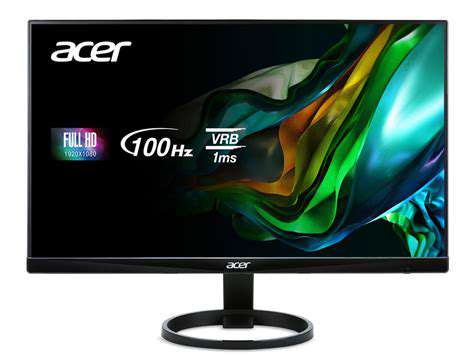
A Comprehensive GuideIn the modern workplace, having the right monitor is crucial for enhancing productivity and ensuring comfort during long hours of work. Here, we explore five budget-friendly monitors suited for home office setups, each offering unique features to cater to different needs. 1. Dell P Series P2219HDesign and ErgonomicsThe Dell P2219H boasts a sleek, modern design with thinner bezels for an expansive viewing area. Its great adjustability options—tilt, swivel, and height adjustments—promote comfort and reduce neck strain over long hours. Additionally, it's VESA compatible for easy mounting and enhanced desk space.Display Quality and PerformanceWith a Full HD resolution (1920 x 1080) and IPS technology, this monitor provides consistent color accuracy and wide viewing angles (178 degrees), ideal for collaborative work. A color coverage of 99% sRGB ensures vibrant visuals, suitable for editing and video conferencing.Connectivity and FeaturesMultiple ports, including HDMI and USB 3.0, facilitate compatibility with various devices. The ComfortView technology helps reduce blue light emissions, ensuring eye comfort during extended usage. 2. ASUS ProArt PA248QVSpecifications and FeaturesDesigned for creatives, the ASUS ProArt PA248QV features a 24.1-inch display with a WUXGA resolution (1920 x 1200), perfect for multitasking. It covers 100% of the sRGB color space for accurate color representation.Calibration and Color AccuracyThis monitor is factory-calibrated for excellent color accuracy (Delta E < 2) and comes with ProArt Palette software for customizable color settings, catering to design professionals.Design and ErgonomicsA fully adjustable stand enhances comfort, catering to different viewing preferences while maintaining a modern aesthetic in any workspace. 3. Acer R240HYDesign and Display FeaturesThe Acer R240HY features a stylish, ultra-thin design and a 23.8-inch IPS panel with Full HD resolution. The bezel-less design enhances immersion, perfect for multitasking.Performance and ConnectivityWith 178-degree viewing angles and multiple connectivity options including HDMI and VGA, it supports a varied setup. While it’s not aimed at hardcore gaming, it performs well for casual gaming and video playback. 4. LG 27UK850-WDisplay PerformanceThis 27-inch monitor offers 4K Ultra HD resolution, providing superb color accuracy and HDR10 support. It's excellent for graphic design and video editing tasks.Ergonomic DesignThe LG 27UK850-W allows for complete height, tilt, and pivot adjustments, minimizing strain during prolonged use and enhancing comfort.Connectivity OptionsFeaturing USB-C, HDMI, and DisplayPort, it simplifies connections to various devices while providing built-in USB hubs for easy access to peripherals. 5. BenQ GW2480Display FeaturesThe BenQ GW2480 has a 24-inch IPS panel with Full HD resolution. It incorporates Flicker-Free technology and Low Blue Light modes to reduce eye strain, ideal for extensive use in a home office.Performance and User ExperienceIts wide viewing angles and accurate color reproduction make it suitable for tasks ranging from graphic designing to document editing.Pricing and ValueTypically priced around $180, this monitor provides significant features and performs well, making it an excellent budget option for home offices. ConclusionEach of these monitors presents unique strengths, making them suitable for different professional needs and preferences. Whether you're focused on color accuracy, ergonomics, or connectivity, these budget monitors offer reliable performance to help enhance productivity in a home office setup.
Feb 11, 2026

What to Look For in a Smartphone Understanding Key Performance MetricsWhen shopping for a flagship smartphone, it’s essential to look at several critical specifications that can significantly affect your overall experience. Below, we break down the most important factors to consider, ensuring you make an informed choice. Processor CapabilitiesAt the heart of any smartphone lies its processor. Top models typically feature Qualcomm Snapdragon 8 series or Apple's A-series chips, providing remarkable performance and high-refresh-rate support. Benchmark scores, such as those from Geekbench and AnTuTu, reveal crucial insights into a device's capabilities; for instance, Snapdragon 8 Gen 2 devices can reach multi-core scores exceeding 4,500. This metric is integral for understanding a smartphone's functionality during demanding tasks. Memory and Storage OptionsMemory (RAM) and storage are pivotal for smooth multitasking and app performance. Modern flagship smartphones usually come with at least 8GB of RAM, with some models offering up to 16GB for power users. In terms of storage, options range from 128GB to 512GB, with UFS 3.1 technology enhancing the speed of data transfer for faster app loading and overall system responsiveness. For those who need more space, devices with expandable storage are a valuable choice. Graphics Processing Unit (GPU) PerformanceA powerful GPU is vital for gaming and graphics-intensive applications. Current high-end smartphones come with advanced GPUs capable of ray tracing and maintaining high frame rates, crucial for a seamless gaming experience. Understanding GPU architecture and performance benchmarks will guide users in selecting the right device for their graphic needs. Battery Life and Charging SpeedBattery capacity, generally ranging from 4,000mAh to 5,000mAh, is critical for all-day performance. Not only does capacity matter, but so does the efficiency of software optimization. Fast charging technologies that allow for quick top-ups (e.g., charging to 50% in just 30 minutes) can make a significant difference in daily convenience. Display Quality and SpecificationsDisplay technology has seen immense improvements, with many flagship devices featuring vibrant OLED or AMOLED screens boasting resolutions exceeding Full HD. A higher refresh rate (120Hz to 144Hz) is becoming the norm, enhancing user interaction and gaming performance. Software OptimizationAn intuitive software experience cannot be overlooked. Many flagship devices run optimized versions of Android or iOS, focusing on enhancing speed and user interface responsiveness. Regular updates ensure users benefit from performance enhancements, security, and new features. Camera Specifications and FeaturesFinally, a smartphone's camera can often make or break a purchasing decision. Leading models often feature versatile camera systems, including wide-angle and telephoto lenses. It's not just about megapixels; factors like sensor quality and advanced software processing are equally crucial in delivering impressive photo and video output. ConclusionChoosing the right flagship smartphone involves assessing several performance specifications, including processor capabilities, memory and storage, GPU performance, battery life, display quality, software optimization, and camera features. By aligning these metrics with personal preferences and daily usage needs, you can find a device that not only meets but exceeds your expectations, striking the perfect balance between price and value.
Feb 11, 2026

The most common type, dynamic drivers offer a balanced sound and are budget-friendly. They excel in delivering rich bass, making them suitable for a variety of music genres. 2. Balanced Armature Drivers: These drivers are compact and highly precise, often found in high-end in-ear monitors. They provide superior sound clarity, particularly in the mid and high frequencies, but may struggle with deep bass. 3. Planar Magnetic Drivers: Known for their exceptional audio fidelity and clarity, planar magnetic drivers use a thin diaphragm suspended between magnets. This design minimizes distortion but typically comes at a higher price point.4. Electrostatic Drivers: Offering unparalleled sound quality due to their rapid response time, electrostatic drivers require specialized amplifiers to operate efficiently, making them less common among casual listeners.5. Ribbon Drivers: A unique type that delivers fast transients and an accurate frequency response, ribbon drivers are praised for their natural sound reproduction but require specific acoustic designs.6. Hybrid Drivers: Combining multiple driver types, hybrid configurations aim to deliver the best of both worlds, providing versatility across different music genres. The Impact of Driver Size on Sound QualityDriver size significantly affects sound quality. Larger drivers typically deliver deeper bass, while smaller ones may excel in clarity for midrange and high frequencies. However, it’s crucial to consider design and material quality alongside size, as these factors also contribute to a headphone’s overall performance and comfort. Choosing the Right Headphone Driver For YouWhen selecting headphones, consider:- Use Case: Casual listeners may prefer dynamic drivers for their versatility, while audiophiles might opt for planar magnetic or electrostatic options for their premium audio fidelity.- Comfort and Fit: Pay attention to the design—closed-back headphones enhance bass response, while open-back models offer a natural soundscape.- Impedance: Lower impedance drivers work well with portable devices, while higher impedance models require more power, making them suited for dedicated audio setups. ConclusionUnderstanding headphone drivers is crucial for making an informed purchase. Whether you prioritize bass-heavy listening or seek precise audio clarity, knowing the differences among driver types can elevate your listening experience. Explore the various options and always consider your personal preferences to find the perfect match for your audio needs.
Feb 11, 2026

defining clear roles, implementing data encryption, enhancing access controls through Multi-Factor Authentication (MFA), conducting regular training, and utilizing advanced threat detection technologies. Establish Comprehensive Data Governance PoliciesClear roles and responsibilities within an organization improve data stewardship, ensuring every team member understands their role in data management. Assigning data ownership and accountability fosters compliance with regulations such as GDPR, reducing the risk of data breaches and penalties. Implement Regular Training and Awareness ProgramsRegular training ensures employees are up-to-date with data protection regulations and best practices, fostering a culture of data security. Organizations that prioritize this training can significantly reduce their chances of breaches, evidenced by Forrester's research findings. Implement Robust Data Encryption TechniquesData encryption is vital for protecting sensitive information. By understanding and implementing symmetric and asymmetric encryption methods—like the widely recognized AES standard—organizations can secure their data against unauthorized access. Continuous risk assessments and key management practices, coupled with compliance to regulations like GDPR and HIPAA, further strengthen data protection efforts. Adopt Multi-Factor Authentication (MFA)MFA adds a crucial layer of security beyond passwords. Given that most breaches stem from compromised credentials, adopting MFA reduces the risk of unauthorized access by requiring additional verification methods. Organizations can further enhance their security posture by selecting MFA methods tailored to their specific needs. Conduct Regular Security Training Regular, tailored security training programs are essential for keeping employees informed about evolving threats and security needs. Customizing these programs to fit the unique context of different teams enhances engagement and retention. Utilizing assessments and interactive elements can gauge training effectiveness, ultimately leading to a culture of security awareness. Utilize Advanced Threat Detection and Monitoring SolutionsImplementing advanced threat detection technologies helps organizations swiftly identify security threats. By focusing on behavior-based detection mechanisms, companies can uncover deviations from normal activity, giving them the opportunity to respond proactively. Furthermore, automation in threat response streamlines incident management, allowing for immediate action against potential breaches. Invest in User Education and Vendor MonitoringEmpowering employees through continuous education about cyber threats strengthens the organization's security posture. Monitoring third-party vendors is also crucial, as external partnerships can introduce vulnerabilities. Regular assessments of vendor security practices ensure that organizations maintain a strong defense against external threats. Continuous Improvement of Security MeasuresIn the dynamic field of cybersecurity, organizations must embrace continuous improvement. Regular updates to security strategies, based on industry trends and data breach incidents, are vital for staying ahead of potential threats. By investing in updated training, technologies, and infrastructure, businesses can foster a resilient environment against evolving cybersecurity challenges.By adopting these comprehensive strategies, organizations can significantly improve their data governance and security frameworks, safeguarding sensitive information while ensuring compliance with relevant regulations.
Feb 11, 2026

A Comprehensive GuideWhat is Lossless Audio? Lossless audio is a format that preserves the original quality of sound by compressing data without any loss of information. Unlike lossy formats (e.g., MP3) that sacrifice certain audio details for smaller file sizes, lossless formats such as FLAC and ALAC retain every nuance of the sound. This fidelity is essential for audiophiles and music professionals who prioritize sound quality.The Importance of Lossless Compression Lossless formats allow users to enjoy high-quality audio in more manageable file sizes, often reducing the size by 30-60% compared to uncompressed audio formats like WAV. They have become increasingly supported by digital audio workstations (DAWs), music production tools, and streaming services that cater to serious listeners, enhancing access to high-fidelity audio.Benefits of Lossless Audio Listening to lossless audio offers multiple advantages:1. Unmatched Audio Quality: Lossless formats preserve the original sound quality, allowing listeners to experience detailed high frequencies and bass tones. 2. Archival Integrity: Lossless audio files do not degrade over time, making them ideal for music preservation and archival purposes. 3. Enhanced Listening Experience: The depth and clarity provided by lossless formats create a more immersive experience, connecting listeners to the music on an emotional level.4. Compatibility with High-End Equipment: Lossless formats optimize the capabilities of premium audio equipment, delivering superior sound quality.5. Versatile Across Platforms: Lossless files can seamlessly be converted for various uses—music production, streaming, or personal listening—while maintaining quality.How Lossless Audio Compression Works Lossless compression techniques like predictive coding and entropy coding efficiently encode audio data without losing detail. Popular formats such as FLAC and ALAC utilize these algorithms to achieve reduced file sizes without sacrificing fidelity. They maintain the complete audio signal, which is essential during mixing and mastering stages in music production.Common Use Cases for Lossless Audio Lossless audio is extensively utilized in music streaming, where services like Tidal and Qobuz cater to audiophiles; in professional audio production for precision recording and editing; and for archiving music in its highest quality. The gaming and virtual reality industries also benefit from lossless audio for enhanced immersive experiences.Getting Started with Lossless Audio To engage with lossless audio, investing in high-quality DACs, audio players that support lossless formats, and proper storage solutions is advisable. Platforms like Bandcamp offer music in FLAC format, promoting high-quality audio while supporting artists.The Future of Lossless Audio With advancements in technology and the rising demand for high-definition audio, lossless formats are poised for growth in the digital landscape. Both casual listeners and serious audiophiles should consider adopting lossless audio as the industry evolves, ensuring an unparalleled listening experience.Explore the world of lossless audio today and enhance your listening pleasure with every note.
Feb 11, 2026

Finding ValueYour budget impacts your tablet choice. While high-end models like the latest iPad come with advanced features, there are affordable options that cater to basic reading needs. Identify what features are essential for you, be it multimedia capabilities or simple text reading, to maximize value without overspending. Tablets for Streaming Movies and TV ShowsStreaming requires different specifications compared to eBook reading. High resolution is critical for sharp images, while good battery life ensures uninterrupted binge-watching. Top picks for 2023 include the Apple iPad Pro for its stunning display, Samsung Galaxy Tab S8 for its audio-visual excellence, and the budget-friendly Amazon Fire HD 10. Important Features for StreamingEnsure compatibility with popular streaming services like Netflix and Disney+. Most recent tablets support HD and 4K streaming to enhance your viewing experience. Look for features like HDR support and adaptive streaming that enhance playback quality based on your internet speed. Considerations for Sound QualityDon’t overlook audio quality when choosing a tablet. Tablets with stereo speakers, such as the iPad Air, offer a richer sound experience, while those supporting Dolby Atmos improve clarity and depth. Bluetooth 5.0 connectivity is also beneficial for seamless integration with external audio devices. ConclusionChoosing the right tablet for reading and media consumption involves understanding your priorities and preferences. Whether you want a device dedicated to eBooks or a versatile tablet for streaming, our guide will help you make an informed decision to enhance your entertainment experience.
Feb 11, 2026

Unveiling Top Choices for AudiophilesDiscover our comprehensive analysis of five premium headphones designed for audiophiles who demand nothing but the best in sound quality, comfort, and build integrity. This guide will help you navigate your options, from the iconic Sennheiser HD 800 S to the extraordinary Sony WH-1000XM4, ensuring you make an informed decision for your audio experience. Sennheiser HD 800 S: The Classic ChoiceThe Sennheiser HD 800 S is celebrated for its elegant design and exceptional sound performance. Built with high-quality materials, these headphones provide comfort for long listening sessions while delivering a broad frequency response of 4 Hz to 51 kHz. The acoustic accuracy and expansive soundstage allow for an immersive music experience, making it an ideal choice for serious audiophiles. Key Features:- Luxurious design with stainless steel grille.- Outstanding sound quality and precision.- Comfortable fit and ergonomic design.--- Audeze LCD-X: Exceptional Sound QualityWith a balanced sound signature, the Audeze LCD-X is perfect for both studio monitoring and casual listening. The planar magnetic drivers enhance clarity and deliver deep bass across a frequency range of 5 Hz to 20 kHz. Despite not being the most portable option, their durability and comfort make them a prime choice for home use. Key Features:- Premium materials and rugged build quality.- Ergonomic design and adjustable headband.- Immersive sound with detailed staging.--- Focal Utopia: Unmatched Luxury and PerformanceFor those seeking luxury, the Focal Utopia delivers an unmatched audio experience with a frequency response from 5 Hz to 40 kHz. Constructed from premium materials such as aluminum and magnesium, these headphones feature exquisite comfort, making them ideal for long listening sessions. The 40mm M-shaped drivers provide high fidelity, ideal for critical listening. Key Features:- Dazzling design and high-quality materials.- Exceptional audio performance with low distortion.- Comfortable padded ear cups for extended wear.--- Beyerdynamic DT 1990 Pro: Studio LegendA favorite among sound engineers, the Beyerdynamic DT 1990 Pro boasts a well-balanced audio profile suited for critical listening. The open-back design creates an exceptional soundstage, enhancing the listening experience. With replaceable ear pads and cables, these durable headphones are designed for longevity and optimize comfort for hours of use. Key Features:- High-quality materials ensure durability.- Impressive soundstage and clarity across frequencies.- Adjustable headband for customized fit.--- Sony WH-1000XM4: Best Wireless OptionThe Sony WH-1000XM4 stands out with its sleek design and user-focused features. Equipped with advanced noise cancellation and a hefty battery life of up to 30 hours, these wireless headphones are perfect for on-the-go listening. The Adaptive Sound Control feature enhances audio performance in different environments, offering flexibility for the modern audiophile. Key Features:- Superior sound quality with adaptive features.- Lightweight construction for all-day comfort.- Exceptional battery life and quick charging.--- ConclusionEach of these five headphone models caters to different preferences and listening styles, making them leading contenders in the audiophile community. Whether you prioritize sound fidelity, build quality, comfort, or user-friendly features, this guide equips you with insightful comparisons to help you make your perfect choice. Elevate your audio experience—explore your options and indulge in the sound you deserve!
Feb 11, 2026
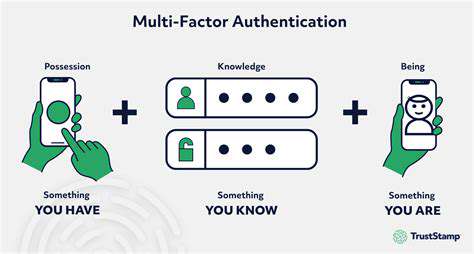
Comprehensive Guide to Securing Your Home NetworkIn today’s digital age, protecting your home network is more important than ever. With an increasing number of devices connected to the Internet, ensuring your Wi-Fi and devices are secure is critical. Here’s a detailed breakdown of essential steps to enhance your home network security. 1. Secure Your Wi-Fi NetworkStart by assessing your current Wi-Fi security settings. Login to your router’s settings via its IP address (often 192.168.1.1 or 192.168.0.1) and ensure the encryption is set to WPA3. Always choose a unique SSID that doesn't reveal personal information to ward off potential intruders. Regularly check the list of connected devices – any unfamiliar device should raise red flags.Next, change the default login credentials provided by your router manufacturer. Opt for a strong, complex password with a mix of letters, numbers, and symbols. It is recommended to change these credentials regularly to ensure maximum security. 2. Keep Your Devices UpdatedRegular software updates are vital to mitigate vulnerabilities. Research shows that 85% of security flaws can be addressed through timely updates. Neglecting your devices’ software exposes you to risks like malware and data breaches. To make this easier, consider setting your devices to update automatically. Be aware of distinctive update requirements for different devices, especially IoT devices, which may not get updates as frequently but are still critical to your network security. 3. Use Strong Passwords and Two-Factor AuthenticationCreating strong passwords is fundamental to securing your accounts. Utilize a combination of uppercase, lowercase, numbers, and special characters for complexity. Additionally, enable two-factor authentication (2FA) for sensitive accounts to add another layer of protection. 4. Monitor Connected DevicesDevice monitoring is crucial for identifying any unauthorized access. Use tools like Fing or GlassWire to provide insights into your network activity and help manage connected devices. Many routers also have built-in monitoring capabilities; utilize these features to stay informed about device logins and data usage.Setting up notifications for unusual activities and regularly reviewing device logs will allow you to take swift action against potential threats. Implementing device access controls like MAC address filtering can further enhance your network's security. 5. Educate Yourself About Common ThreatsFamiliarize yourself with potential cyber threats like phishing, ransomware, and malware. Regularly updating your knowledge on these issues helps you recognize signs of attacks and prevent them effectively. Regular discussions about cybersecurity with family members may encourage a collective effort towards maintaining a secure home network.In conclusion, enhancing your home network security involves a proactive, multi-layered approach. Regular updates, strong passwords, device monitoring, and awareness of common threats are all fundamental elements in safeguarding your personal information and ensuring a secure digital environment.
Feb 11, 2026

Key Specifications You Should ConsiderWhen investing in a business laptop, understanding the key specifications that can significantly impact performance, usability, and security is vital. This guide provides a comprehensive overview of the factors that every professional should consider when selecting the best laptop for their needs. Processor and Performance CapabilitiesThe processor is the heart of any laptop, dictating its overall performance. Intel's Core i5 and i7 series are staples for business environments, providing efficient power that enhances productivity during multitasking or running demanding applications. Alternatively, AMD Ryzen processors offer excellent multitasking and graphical performance. Benchmark comparisons indicate that modern processors far outperform older models, with the Intel i7-12700H achieving scores over 24,000 versus older versions being significantly lower. Display Quality and SizeA laptop's display plays a crucial role in usability. Opt for a screen size between 13 and 15 inches with at least Full HD (1920x1080) resolution as it balances portability and viewing comfort. Higher resolutions, like 4K, may affect battery life, making Full HD a more practical choice for business use. Battery Life and PortabilityFor traveling professionals, battery life is a critical consideration. A business laptop should provide at least 8-10 hours of usage on a single charge. Look for models utilizing lithium-polymer batteries for improved durability and longevity. Weight is also important; ideally, choose a laptop under 4 pounds to ensure ease of transport without compromising on performance. Connectivity and ExpandabilityIn modern office settings, having the right connectivity options is essential. Laptops should feature multiple USB ports, including USB-C, and an HDMI port for seamless presentations. Networking capabilities such as Wi-Fi 6 facilitate faster and more reliable internet connections, particularly in shared environments. Ergonomics and Build QualityAn ergonomic design enhances comfort and productivity, particularly for users spending long hours on their laptops. Look for models with adjustable hinges and optimal keyboard layouts to ensure a neutral posture. Additionally, consider the materials used in construction; robust options like aluminum and carbon fiber offer durability essential for frequent travel. Security FeaturesIn today’s digital landscape, robust security is paramount. Laptops equipped with biometric authentication—like fingerprint scanners and facial recognition—provide quick, secure access. Encryption capabilities such as Full Disk Encryption and AES safeguard sensitive business data, especially important for organizations handling client information. Features like remote wipe and network security techniques such as VPNs further enhance security, making it harder for unauthorized users to access confidential data. ConclusionSelecting the right business laptop requires careful consideration of various specifications ranging from performance to security features. Thorough research, including reading user reviews and expert comparisons, can aid in making an informed decision tailored to your business needs. Whether focused on outstanding processing capabilities, impactful display quality, or stringent security measures, understanding these aspects can lead you to a laptop that enriches your professional endeavors.Embark on your journey towards finding the ideal business laptop that combines performance, reliability, and security. Make informed choices to enhance productivity and protect your valuable data in today's fast-paced business environment.
Feb 11, 2026

An In-Depth Overview Understanding the Journey of AIThe evolution of artificial intelligence (AI) dates back to the mid-20th century, characterized by foundational work from pioneers like Alan Turing. The term artificial intelligence was introduced in 1956, marking a pivotal moment in technological history. Despite facing setbacks (known as AI winters), the development of neural networks and deep learning facilitated breakthroughs that brought AI into practical applications across diverse industries. Current Advancements in TechnologyToday's AI systems benefit from significant technological enhancements, especially in natural language processing (NLP) and computer vision. Innovations such as GPT-3 have redefined human-computer interactions, while AI in healthcare is streamlining processes like diagnostics and analysis, potentially saving the sector billions annually. Workplace Automation ImplicationsAs AI flourishes, automation reshapes workplaces worldwide. Industries from manufacturing to services are adopting robotic systems, leading to increased productivity but raising concerns about job displacement. The World Economic Forum predicts this shift could result in millions of job transformations, underscoring the urgency for organizations to focus on upskilling their workforce. Navigating Ethical Dilemmas in AIThe rapid growth of AI also poses ethical questions. Issues surrounding data privacy and algorithmic bias demand robust guidelines to protect societal interests. Companies are now establishing AI ethics boards to ensure their technologies align with ethical standards, fostering transparency and fairness. Global AI Landscape and Future PredictionsCountries are heavily investing in AI, particularly the U.S. and China, racing for technological supremacy. As predictions indicate unprecedented advancements in AI applications, the focus will likely shift from job replacement to human augmentation, enhancing decision-making processes across various sectors. Focus on Sustainability and Green TechAs AI and automation advance, the incorporation of sustainable practices becomes essential. Innovations in green technologies aim to minimize environmental impact and align with consumer preferences for eco-friendly solutions. Businesses adopting sustainable strategies not only comply with regulations but also enhance their brand credibility. The Impact of Digital Transformation in Remote WorkThe transition to remote work has seen a rapid deployment of digital tools like collaboration software and project management platforms. This shift necessitates a renewed focus on employee engagement and workplace culture, highlighting the importance of ongoing professional development and adaptable performance measurement. Exploring Web3 and DecentralizationWeb3 signifies a transformative shift in internet infrastructure towards decentralization, promoting user empowerment. Technological advancements like blockchain and smart contracts are redefining ownership and governance online, creating novel opportunities and challenges that call for user education and regulatory clarity. The Vital Growth of Health Tech SolutionsTelehealth and wearable health technologies are revolutionizing patient engagement and personal health monitoring. AI-driven analytics in healthcare enhance treatment personalization and workflow efficiency. However, addressing privacy concerns and maintaining a balance in physician-patient relationships remains critical as technology permeates healthcare. ConclusionThe intersection of AI, sustainability, and the digital transformation of workplaces represents a dynamic era of progress and challenges. Organizations must prioritize continuous learning, ethical development, and sustainability initiatives to fully leverage the potential of these advancements while protecting societal values.
Feb 11, 2026

An All-In-One Note-Taking PowerhouseEvernote stands out among digital note-taking tools with its rich feature set that allows for efficient organization. Key features include cross-platform synchronization, a web clipping tool to save online content, and a user-friendly tagging system. Available on multiple platforms, it offers a freemium model, making it accessible for casual users while providing expanded capabilities for professionals through its premium subscription. 2. Microsoft OneNote: Seamless Integration with Microsoft EcosystemOneNote excels in collaboration with real-time editing features, enabling multiple users to work on notes simultaneously. Integration with Microsoft Teams allows for streamlined document sharing. Rich media support enhances the overall note-taking experience, accommodating images, audio recordings, and video clips for diverse learning styles. Universal accessibility across devices makes OneNote a favored choice for professionals and students alike. 3. Notion: The Versatile WorkspaceNotion redefines productivity with extensive integration capabilities that centralize workflows. Users can customize their workspace using an array of templates, databases, and Kanban boards tailored to their unique project needs. Collaboration tools, such as real-time editing and commenting, streamline teamwork while user-friendly dashboards and organizational features boost efficiency. 4. Google Keep: A Simple and Efficient ToolGoogle Keep offers a straightforward and user-friendly note-taking experience with features like color-coded notes, labels, and reminders. Its integration with Google services promotes an organized workflow, allowing users to create calendar events directly from notes. Collaboration tools enable real-time teamwork, making it an excellent choice for both personal and group projects. 5. Bear: A Beautiful Experience for Mac UsersBear is designed for Mac users who appreciate a minimalist interface. Supporting various formats, including Markdown, Bear allows for flexible note creation. With its robust tagging system and seamless iCloud sync, Bear ensures that your notes are always accessible, enhancing the user experience through customization options and quick performance. ConclusionEach of these note-taking applications offers unique features tailored to different user needs, from casual note-taking to complex project management. Whether you prefer the all-in-one capabilities of Evernote or the simplicity of Google Keep, there’s a tool that can significantly enhance your organization and productivity. Explore the right app that aligns with your lifestyle and requirements to maximize your note-taking efficiency today!
Feb 11, 2026

Innovations and Accessibility Exploring Technological AdvancementsCloud gaming has achieved remarkable strides in the last decade, evolving from basic streaming services to sophisticated interactive platforms. This transformation is mainly attributed to advancements in bandwidth and latency reduction technologies, with recent breakthroughs in 5G technology playing a pivotal role in enhancing gaming experiences. Fast, reliable connections enable seamless gameplay, eliminating hurdles once faced by online gamers. Moreover, innovations in server technologies improve responsiveness, paving the way for the next generation of gaming. The AI Revolution in GamingArtificial Intelligence (AI) is increasingly influencing cloud gaming platforms, refining performance and user engagement. AI algorithms can predict player behavior and adapt gameplay in real-time, creating a more tailored experience. In addition, AI accelerates game design processes, making it easier for developers to introduce innovative features without compromising on quality. Importance of Data CentersThe architecture of data centers is crucial for effective cloud gaming. Investments in energy-efficient centers with high-performance GPUs can significantly reduce latency and enhance gameplay globally. Over 70% of gamers experience latency issues, prompting companies to prioritize the construction of edge data centers to improve user experiences. Accessibility Through Subscription ModelsA growing trend in cloud gaming is the subscription model, which allows players to access a wide range of titles for a fixed monthly fee. This approach makes gaming more affordable and accessible to a broader audience, with 74% of gamers preferring subscription services over traditional purchases due to their flexibility. Mobile Gaming TrendsThe rise of mobile cloud gaming marks a significant shift, with many platforms optimized for mobile devices. As high-quality gaming experiences become available on smartphones and tablets, gamers can enjoy versatility without sacrificing visual quality, supported by continuous improvements in mobile internet connectivity. Challenges and SolutionsDespite advancements, cloud gaming faces challenges such as latency, bandwidth constraints, and game library limitations. Latency can disrupt immersive gaming experiences, particularly in fast-paced genres. Companies are aware of these issues and are investing in solutions like edge computing to enhance performance. Building Inclusive CommunitiesCloud gaming promotes accessibility for gamers with disabilities through customizable controls and features that enable tailored interactions. Furthermore, the ongoing development of global internet infrastructure and the rise of cross-platform play facilitate community connections, making gaming more social and engaging. Future ProspectsLooking ahead, the integration of VR and AR technologies will enhance immersion, while AI will continue to personalize user experiences. As the landscape of cloud gaming evolves, fostering inclusivity and accessibility will remain essential for expanding player bases and enriching gaming communities.By embracing these innovations, cloud gaming is positioned to redefine what it means to play and foster connections among players across the globe.
Feb 10, 2026

A Comprehensive Guide to 4K vs. 1440p MonitorsWhen deciding between 4K and 1440p monitors, it's essential to understand the nuances of resolution, performance, and visual quality. This guide delves into the differences between the two, providing insights that cater to gamers, content creators, and everyday users alike. Resolution BasicsResolution is defined by the number of pixels in width and height, impacting how sharp and detailed images appear on screen. A 4K monitor, typically boasting a resolution of 3840 x 2160 pixels, offers significantly more pixel density than a 1440p monitor with a resolution of 2560 x 1440 pixels. This increase in pixel count translates to sharper images and more detailed visuals, particularly beneficial for gaming, professional photography, and video editing. Performance Considerations Frame Rate ImpactFrame rate, measured in frames per second (FPS), is critical for smooth gameplay. 4K monitors may sacrifice FPS due to their higher resolution, often making 1440p a more favorable option for competitive gaming. Most gamers prefer higher refresh rates (120Hz or more) for a fluid experience, especially in fast-paced environments. Hardware RequirementsChoosing between 4K and 1440p also depends on your hardware. A powerful graphics card is essential for smooth performance on 4K displays. In contrast, a mid-range GPU can handle 1440p better, allowing an optimal balance between visual fidelity and game performance. Content CreationFor professionals in graphic design, video editing, and software development, resolution can significantly impact accuracy and productivity. A 4K monitor offers unparalleled detail and color accuracy, ideal for meticulous creative work. However, 1440p monitors are still a robust choice for most tasks, providing a balance between visual quality and cost. Price vs. ValuePrice considerations are vital in your decision. Generally, 4K monitors are more expensive, often requiring additional investment in hardware to support their capabilities. Entry-level 4K models start around $300 but can soar over $2,000 for top-tier options. In contrast, 1440p monitors provide excellent value, often ranging from $200 to $800, making them accessible for those on a budget. Future-ProofingAs technology evolves, investing in a 4K monitor might safeguard your setup from becoming obsolete, especially as more content transitions to higher resolutions. However, many users find that a 1440p monitor can meet their current needs without the premium price of 4K displays. ConclusionWhen determining whether to opt for a 4K or a 1440p monitor, consider factors such as your specific use case, hardware capabilities, and budget. Understanding the balance between resolution and performance is crucial in making the right choice for your needs. Visit electronics stores to test models and see firsthand what suits you best. Ultimately, the goal is to enhance your visual experience and productivity, making informed and tailored decisions.
Feb 10, 2026

Sound Quality, Battery Life, and ComfortSelecting the right wireless earbuds goes beyond just aesthetics. Understanding key factors like sound quality, battery life, and comfort can significantly enhance your listening experience. Here’s a breakdown of what to consider to ensure you make an informed decision. Sound Quality: Key Factors DriversThe type of drivers in your earbuds influences sound quality. Dynamic drivers deliver excellent bass and power efficiency, while balanced armature drivers offer better clarity for nuanced listening. Hybrid systems that combine both are becoming increasingly popular for their well-rounded audio profiles. Wireless TechnologyThe Bluetooth version and codec support can affect audio quality. Higher-end codecs like aptX HD and AAC provide better sound fidelity. Always check compatibility with your device to ensure peak performance. Noise CancellationActive Noise Cancellation (ANC) is valuable for those in noisy environments, as it allows for a more immersive experience, though it may introduce slight pressure sensations. Choosing models with a transparency option can also help you stay aware of your surroundings when needed. Battery Life and Charging Options Measurement and ExpectationsManufacturers often quote rosy battery life figures without mentioning actual usage conditions. Real-world testing reveals that features like ANC can significantly impact battery performance. Charging ConvenienceModern earbuds typically charge via USB-C and often include wireless charging options. Fast charging tech allows for quick boosts when you’re short on time. Maximizing Battery LifeVolume levels, connection stability, and the usage of ANC can impact battery longevity. Keeping volume at 60-70% and turning off unnecessary features can extend listening time. Comfort and Fit: Personalization is Key Ear Shapes and MaterialsVarious ear tips (silicone, foam) cater to different ear shapes and sizes. Choosing the right size enhances noise isolation and comfort. The materials used—sturdy plastics versus lightweight metals—will also affect durability and sound quality. Noise Isolation vs. ANCUnderstanding the difference between active noise cancellation and passive noise isolation is critical. Depending on your activities—commuting versus working out—one may be more beneficial than the other. Smart Features and Connectivity Latest Innovations Modern earbuds include smart features such as voice assistants, touch controls, and improved Bluetooth connectivity. Newer Bluetooth versions (like 5.2) not only enhance range but also reduce latency, making them ideal for streaming and gaming. Health MonitoringEmerging health features that track heart rates and steps represent a new frontier, offering fitness enthusiasts valuable insights while they enjoy their music. Price vs. Performance Evaluating Your NeedsPrices for wireless earbuds can range from budget to premium. Aspiring audiophiles may find value in higher-end models featuring advanced technologies, whereas casual listeners might discover adequate performance in more modestly priced units. Long-term Value ConsiderationsInvesting in quality earbuds reaps long-term benefits through improved durability and manufacturer support. Comprehensive user reviews and feature evaluations can enhance your purchasing decision, ensuring you find the best earbuds for both your lifestyle and listening habits.---Finding the right pair of wireless earbuds involves balancing sound quality, comfort, and smart features against price. By considering these elements, you’ll be equipped to select earbuds that not only elevate your audio experience but also fit seamlessly into your lifestyle.
Feb 10, 2026
Hot Recommendations
- Collaboration Tools Compared
- Online Privacy Myths Explained
- Blockchain Security: Myths and Facts
- How HDR Improves Display Quality
- Real World Applications of Blockchain Technology
- Cloud Platforms Compared for Developers
- Best Budget Gaming Setups
- How to Compare Tech Products Effectively
- Best Tech Gifts for 2025
- Monitor Buying Guide for Beginners